15.2.3 Maintain and Extend Current Ecosystems' Biodiversity
01 May 2025


Aquatic Biodiversity Conservation Through Research and Innovation
Ateneo de Manila University continues to contribute to the protection of Philippine aquatic ecosystems through scientific research, biodiversity documentation, and interdisciplinary collaboration. These efforts strengthen understanding of both freshwater and marine environments while drawing attention to emerging ecological threats and biodiversity that may otherwise remain overlooked.
By investigating aquatic species, monitoring changes in ecosystems, and documenting communities in understudied habitats, Ateneo researchers help generate valuable scientific knowledge that can inform conservation and sustainable resource management. Collaboration among scientists, artists, students, and environmental advocates further expands public appreciation of the complexity and importance of aquatic ecosystems.
Ateneo Researchers Confirm Invasive Fish in Laguna de Bay, Raising Concerns for Freshwater Biodiversity
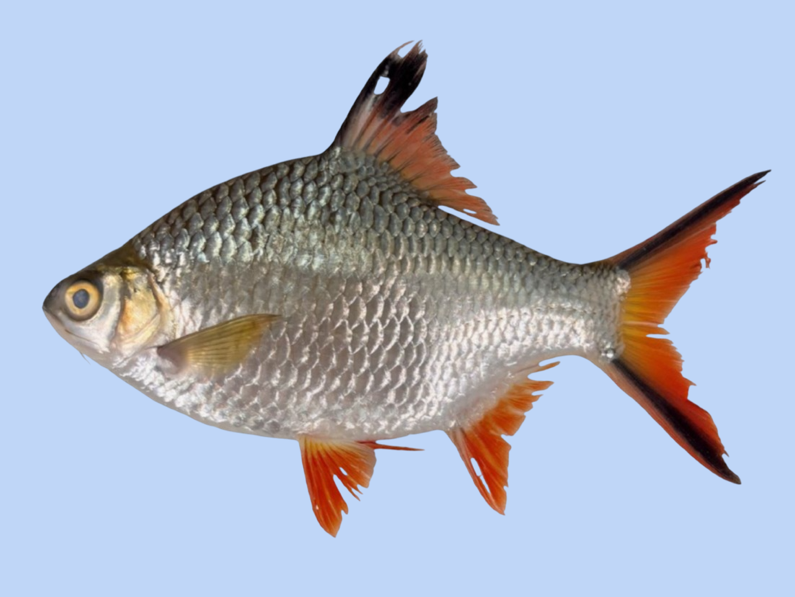
Ateneo de Manila University researchers confirmed the presence of the invasive tinfoil barb (Barbonymus schwanefeldii) in Laguna de Bay, the Philippines’ largest freshwater lake. Native to parts of Southeast Asia outside the Philippines, the aquarium fish can compete with native species for food and breeding grounds, potentially disrupting aquatic ecosystems and biodiversity.
The finding is significant because previous reports of the species in the Philippines were unverified. Its confirmed presence highlights concerns about the unmonitored introduction of alien freshwater species into Philippine inland waters. Researchers warn that invasive fish could further threaten the already degraded Laguna de Bay ecosystem, which supports fisheries, water supply, and flood regulation.
The study calls for stronger monitoring, greater public awareness, comprehensive biosecurity measures, and a national inventory of freshwater alien species to prevent further ecological damage.
A Living Legacy: Ateneo’s 101-Species Arboretum
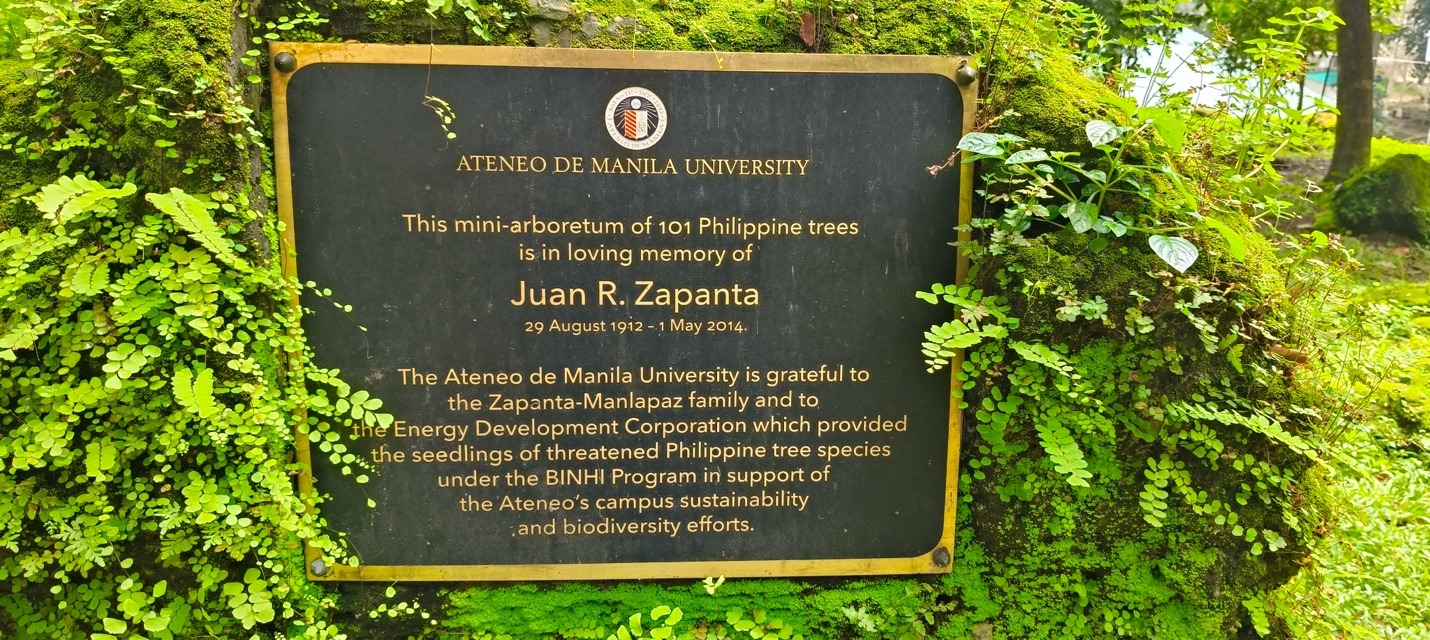
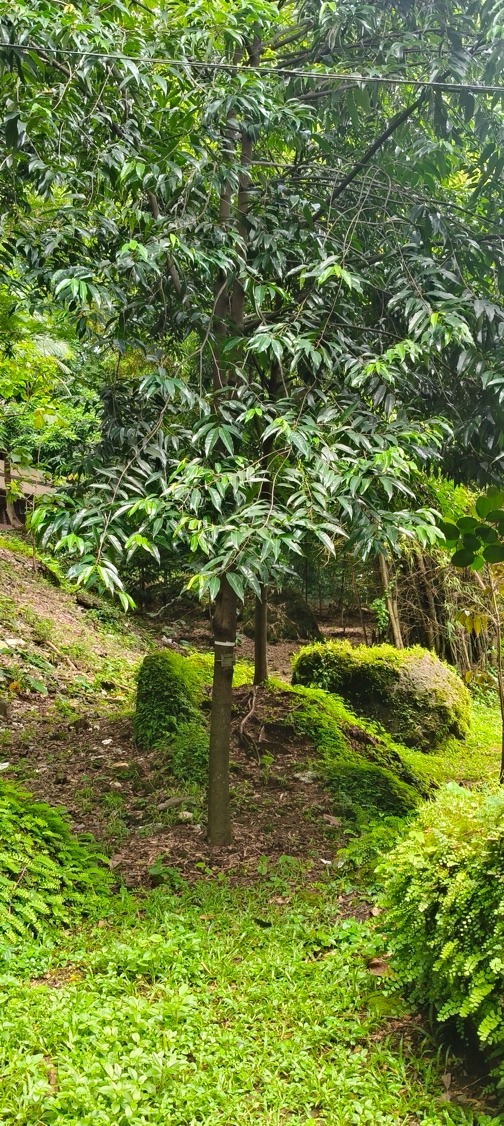
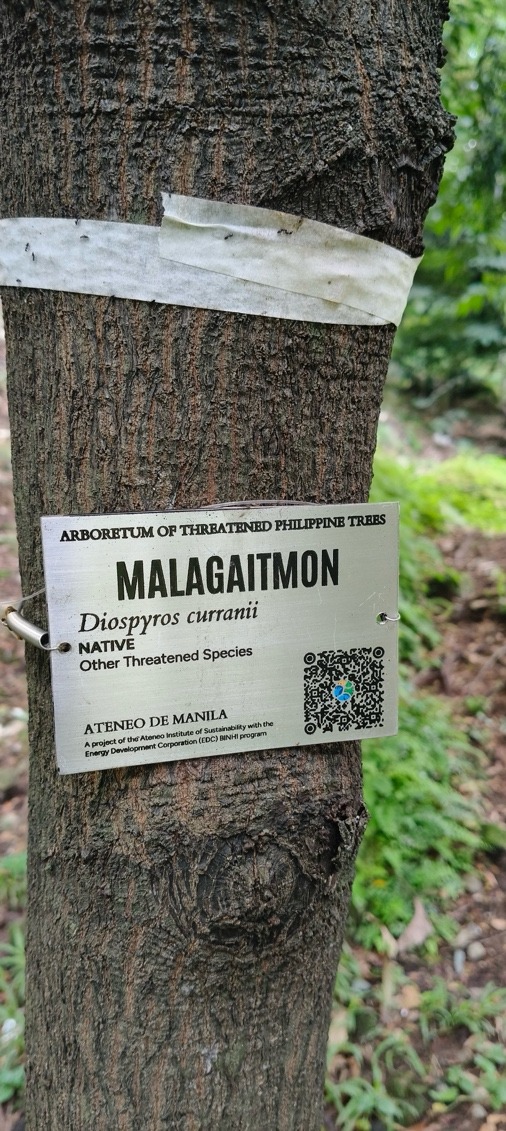
Ateneo de Manila University is home to the Arboretum of 101 Threatened Philippine Trees, a collection of native tree species established in 2019 in partnership with the Energy Development Corporation’s BINHI Program, with support from the Manlapaz Family. Located between Eliazo Hall and the Jesuit Health and Wellness Center, the arboretum provides a space for growing and conserving threatened Philippine trees, including species that are becoming increasingly rare in the wild.
The arboretum contributes to the University's efforts to protect biodiversity within its campus. By growing native trees and supporting seed production, the initiative helps preserve species for future generations. The trees also provide green spaces that support local wildlife and contribute to the campus environment.
Through the arboretum, Ateneo helps protect the country's natural heritage while giving students and the wider community an opportunity to appreciate the importance of conserving native trees. The initiative shows how biodiversity conservation can be part of everyday life, even within an urban university campus.
|
|
|
Source:
Recent News
You may also like these articles

Growing with purpose: How Mekeni Food Corporation turns adversity into shared value
From a small backyard operation in Porac, Pampanga, to an internationally recognized food brand exporting to 25 countries, Mekeni Food Corporation's journey demonstrates how businesses

Three Ateneo-incubated startups secure DOST-PCIEERD’s startup grant fund
Last 9 November, during the opening day of Philippine Startup Week 2026, Soolok Properties Inc, Pili AdheSeal Inc, and Saltric Power (PDG Engineering Services), three
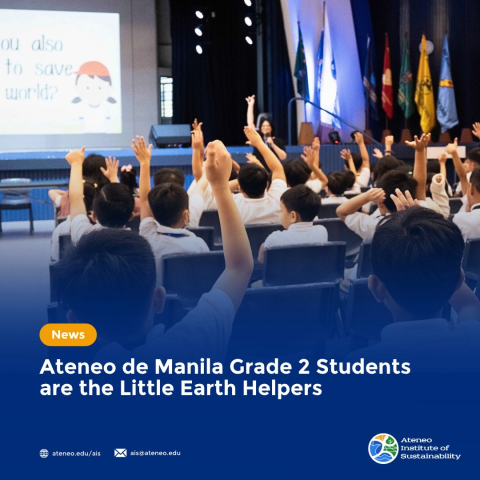
Ateneo de Manila Grade 2 students are the little Earth helpers
It was a great day for saving the world when Ateneo Institute of Sustainability (AIS) came to Ateneo Grade School to give a session on
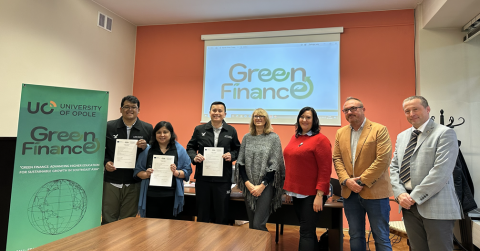
JGSOM representatives complete green finance training in Poland, sets sights on 2027 micro-credential launch
Representatives of Ateneo de Manila University's John Gokongwei School of Management (JGSOM) completed the second phase of their Erasmus+ Green Finance international mobility activities at
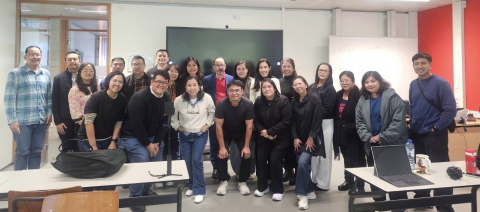
JGSOM Representatives Participate in Green Finance Training at the University of Twente
Enschede, Netherlands | October 15–16, 2026 Representatives of Ateneo de Manila University's John Gokongwei School of Management (JGSOM) participated in a specialized Green Finance training

Professor Emeritus Dr Emma Porio highlights climate resilience and biodiversity at international conferences
Emma E Porio, PhD, Professor Emeritus of Ateneo de Manila University and Principal Investigator of Ateneo's Manila Observatory Center for Climate Resilience and Public Health