11.4.6 Pedestrian Priority on Campus
01 May 2025


Pedestrian Priority on Campus
Ateneo de Manila University prioritizes pedestrian access throughout its Loyola Heights campus through a pedestrian-first mobility framework that places walking, safety, accessibility, and human-centered campus design at the core of its transportation planning. The University recognizes that a sustainable campus is not only defined by the availability of transportation options but also by the extent to which its physical environment encourages safe, convenient, and inclusive movement for pedestrians.
Through the integration of pedestrian infrastructure, traffic management strategies, accessibility features, and low-carbon mobility initiatives, Ateneo has created a campus environment where walking is treated as the primary and most accessible mode of internal mobility. By prioritizing pedestrians over private vehicles, Ateneo reduces dependence on motorized transport, encourages active mobility, improves campus safety, and contributes to lower transportation-related emissions.
Pedestrian-Centered Campus Planning and Mobility Design
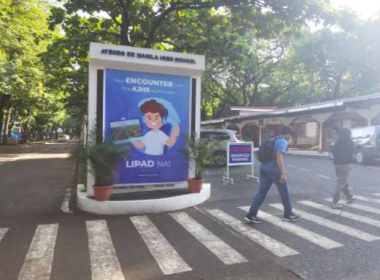 Ateneo’s Loyola Heights campus is designed around the principle that academic spaces, services, and community areas should remain accessible through walking. Rather than allowing vehicles to dominate internal circulation, the University’s mobility design prioritizes pedestrian movement through interconnected pathways, traffic controls, and carefully planned circulation routes.
The pedestrian-first approach is reflected in several campus planning strategies, including:
- Development of extensive pedestrian walkways;
- Separation and management of pedestrian and vehicular movement;
- Reduction of unnecessary vehicle circulation in academic areas;
- Placement of transportation services near pedestrian activity centers;
- Integration of accessibility features for diverse users.
These measures ensure that students, faculty, staff, and visitors can move safely and efficiently across campus without depending on private vehicles for short-distance travel.
Covered Walkways and Weather-Protected Pedestrian Routes
 |
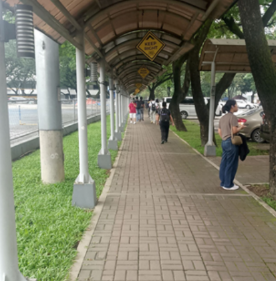 |
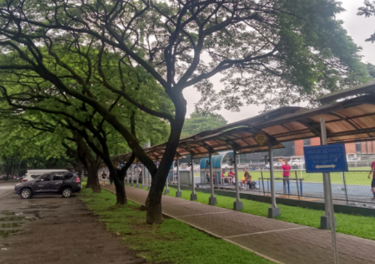
One of Ateneo’s major strategies in promoting pedestrian access is the development of covered and weather-protected pedestrian pathways.
Recognizing the challenges posed by Metro Manila’s tropical climate—including intense heat, humidity, and heavy rainfall—the University provides infrastructure that allows walking to remain practical throughout the year.
Pedestrian routes are supported by:
- Covered walkways;
- Shaded pathways;
- Tree-lined routes;
- Brick-paved pedestrian areas.
These features improve pedestrian comfort by protecting users from:
- Direct sunlight and heat exposure;
- Sudden rainfall;
- Difficult walking conditions during extreme weather.
By ensuring that walking remains comfortable and accessible regardless of weather conditions, Ateneo encourages students and employees to choose walking instead of relying on motorized transportation for short campus trips.
Traffic Management and Pedestrian Safety Measures
Ateneo reinforces pedestrian priority through traffic management systems designed to minimize conflicts between vehicles and people.
Several safety measures are implemented throughout campus, including:
Clearly Marked Pedestrian Crossings
Designated pedestrian lanes and marked crossing areas guide both pedestrians and motorists, creating predictable movement patterns and improving safety at intersections.
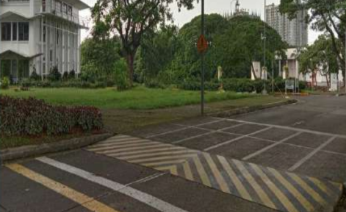
Raised Pedestrian Crossings
Raised crossings provide additional protection by slowing down vehicles in areas with high pedestrian activity. These features reinforce the principle that vehicles must adjust their movement to accommodate pedestrian safety.
Yellow Box Areas
Yellow box markings help prevent vehicle obstruction in key pedestrian zones and intersections, maintaining clear pathways for people crossing between campus areas.
Safe Crossing Zones
Strategically placed crossing points allow pedestrians to move safely between academic buildings, residential areas, transportation stops, and common spaces.
Average Number of Pedestrians across the Years
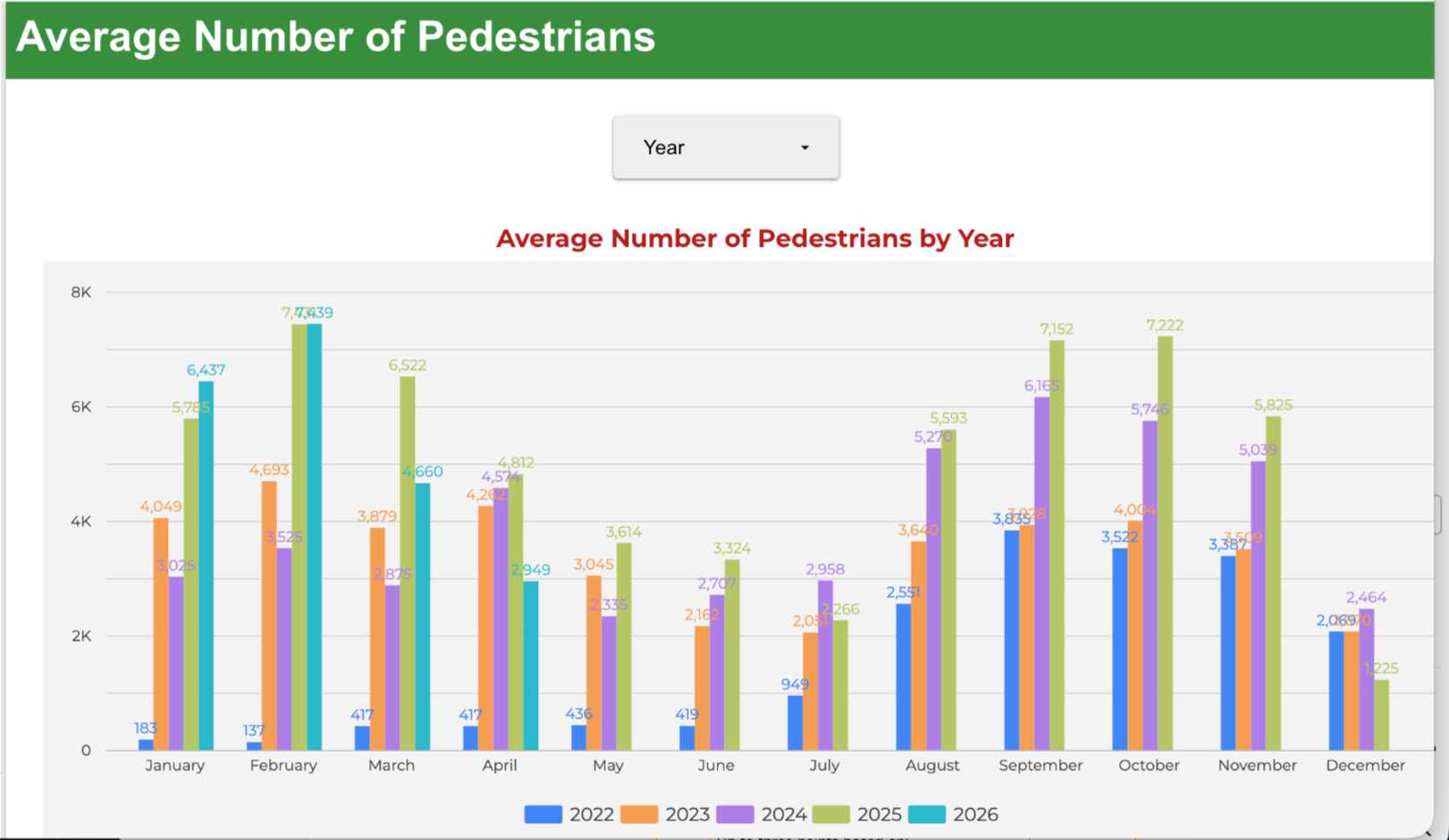
Across 2024 and 2025, pedestrian activity demonstrated a sustained upward trend, with footprint counts consistently increasing month-over-month and year-over-year. The steady rise across all months reflects growing foot traffic throughout the campus.
Recent News
You may also like these articles

Growing with purpose: How Mekeni Food Corporation turns adversity into shared value
From a small backyard operation in Porac, Pampanga, to an internationally recognized food brand exporting to 25 countries, Mekeni Food Corporation's journey demonstrates how businesses

Three Ateneo-incubated startups secure DOST-PCIEERD’s startup grant fund
Last 9 November, during the opening day of Philippine Startup Week 2026, Soolok Properties Inc, Pili AdheSeal Inc, and Saltric Power (PDG Engineering Services), three
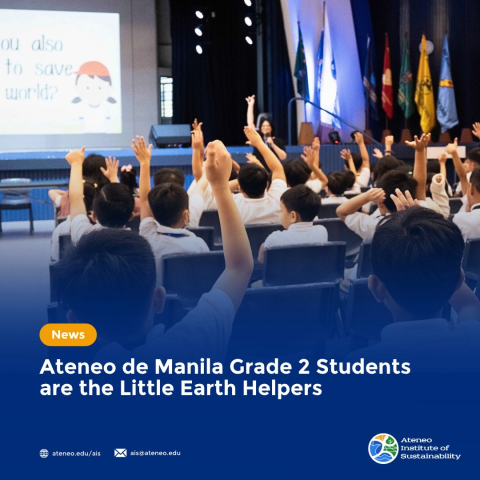
Ateneo de Manila Grade 2 students are the little Earth helpers
It was a great day for saving the world when Ateneo Institute of Sustainability (AIS) came to Ateneo Grade School to give a session on
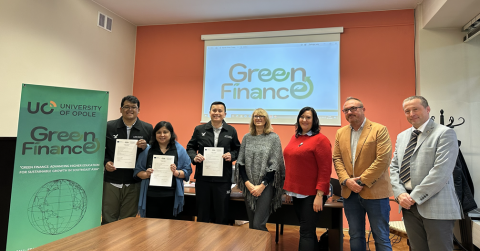
JGSOM representatives complete green finance training in Poland, sets sights on 2027 micro-credential launch
Representatives of Ateneo de Manila University's John Gokongwei School of Management (JGSOM) completed the second phase of their Erasmus+ Green Finance international mobility activities at
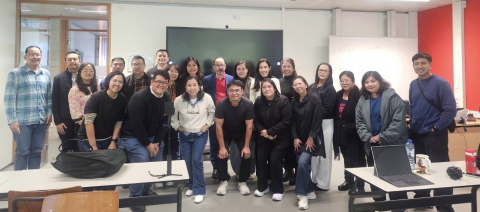
JGSOM Representatives Participate in Green Finance Training at the University of Twente
Enschede, Netherlands | October 15–16, 2026 Representatives of Ateneo de Manila University's John Gokongwei School of Management (JGSOM) participated in a specialized Green Finance training

Professor Emeritus Dr Emma Porio highlights climate resilience and biodiversity at international conferences
Emma E Porio, PhD, Professor Emeritus of Ateneo de Manila University and Principal Investigator of Ateneo's Manila Observatory Center for Climate Resilience and Public Health