14.5.5 Watershed Management Strategy
01 Aug 2024


Advancing Watershed Resilience Through Research and Community Stewardship
Sustainable water management requires collaboration, scientific research, and active participation from communities and stakeholders. Understanding how watersheds function, how environmental changes affect water resources, and how communities experience water-related risks is essential to building resilient and sustainable aquatic ecosystems.
Advancing Sustainable Water Management Through Collaborative Watershed Research
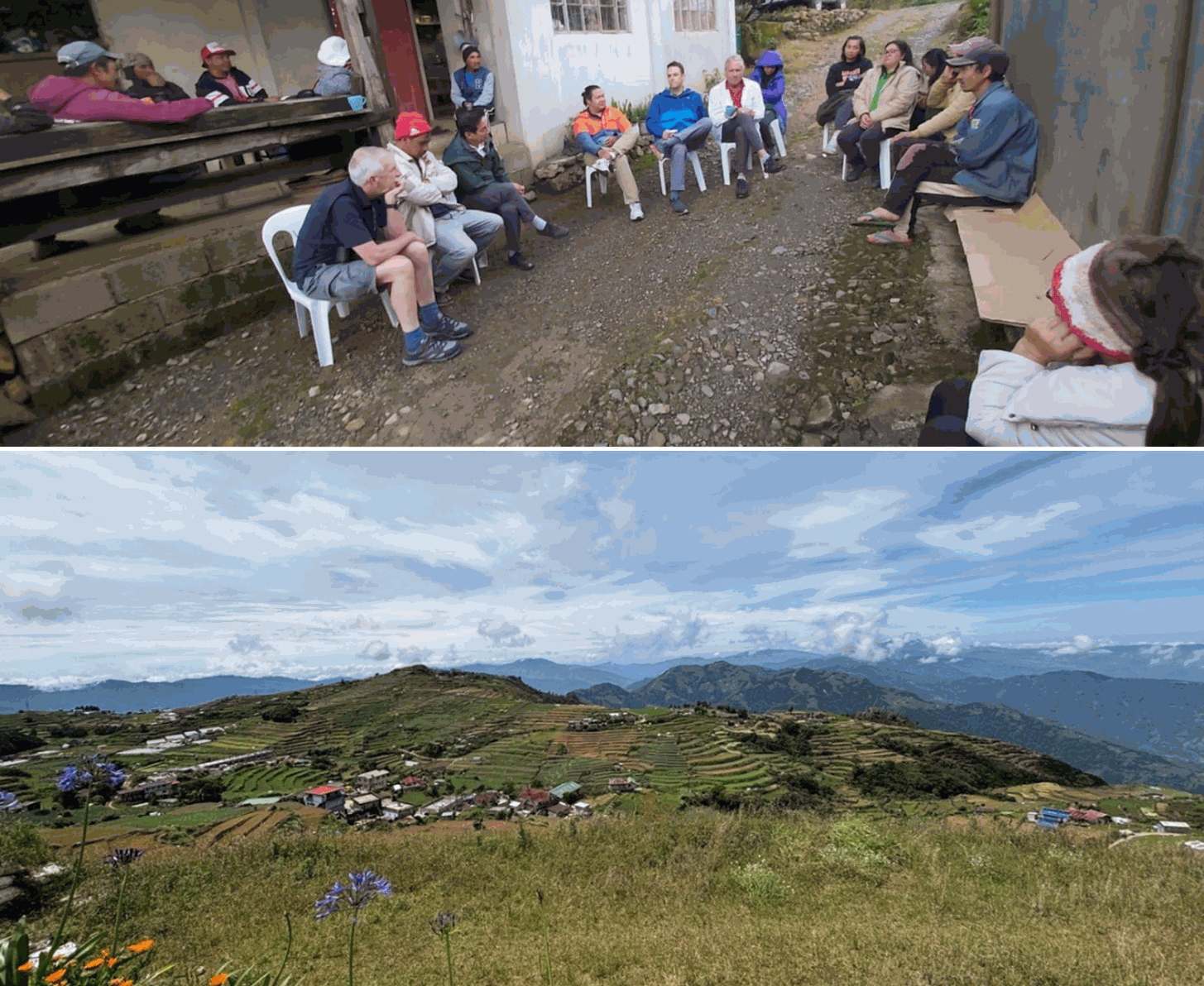
Ateneo de Manila University continues to contribute to collaborative efforts that strengthen water science and promote sustainable management of the Philippines’ water resources. As part of the Philippine Hydro Hub: Collaborative Hydrological Research for a Sustainable Water Future, researchers conducted a field visit to the Upper Amburayan Watershed in Benguet on May 3–4, 2025.
The field activity brought together researchers from the UP-NIGS Environment Monitoring Laboratory and the British Geological Survey, with support from the Cordillera Hydro Electric Power Corporation. The visit provided an opportunity to engage local government officials, environmental agencies, water-resource managers, and community representatives in discussions on the challenges of watershed management.
A roundtable discussion in Baguio City focused on climate change resilience and adaptation in water-resource management, including how changing water conditions may influence agricultural production and local development strategies. The discussions highlighted the importance of coordination among government agencies, local communities, researchers, and other stakeholders in responding to water-related challenges.
The team also visited the headwaters of the Upper Amburayan Watershed in Kibungan, Benguet, where local leaders and members of the Madaymen Water Users Association shared their experiences in managing water resources. The field visit provided researchers with firsthand insights into local farming practices, water-use systems, operational challenges, and environmental pressures affecting the watershed.
The knowledge gathered through the field reconnaissance and stakeholder engagement will help inform the development of the Philippine Hydro Hub, which seeks to strengthen the capacity of researchers and water-resource stakeholders through knowledge sharing, research collaboration, and access to tools and information for sustainable water management.
Participatory Watershed and Risk Assessment
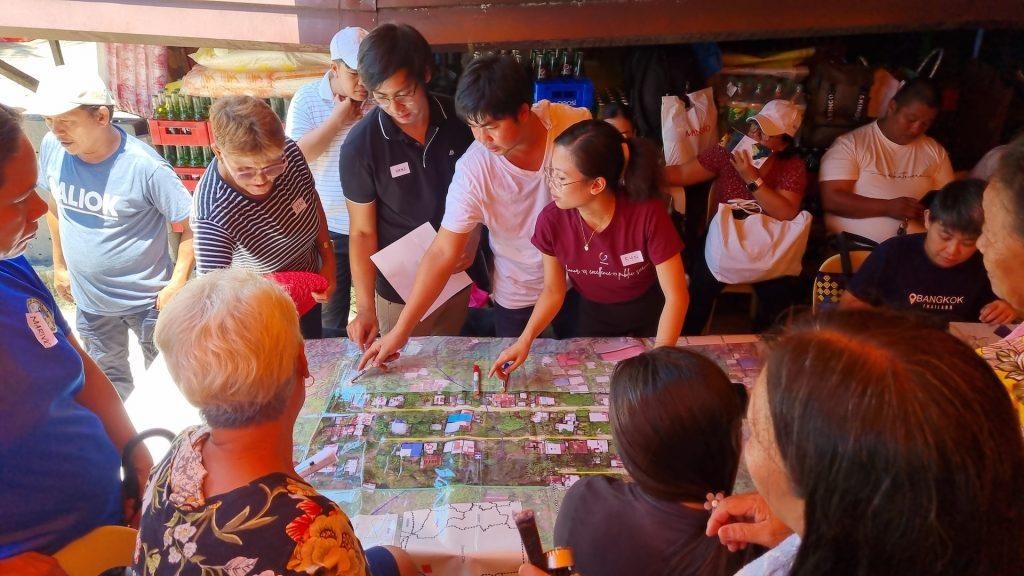
From April to August 2024, the Environmental Science for Social Change (ESSC) conducted Community Vulnerability and Capacity Assessment (CVCA) workshops across seven RURBANISE project sites. The participatory process enabled Homeowners Associations (HOAs) to assess their exposure to environmental hazards, identify vulnerabilities, and examine the capacities and strategies they use to adapt to changing risks.
The assessment combined scientific information with community knowledge and lived experiences through community profiling, pre-workshop consultations, transect walks, and participatory workshops. These activities examined local conditions such as flooding, landslides, drainage systems, waterways, land use, infrastructure, and community coping mechanisms. The assessment also considered the broader watershed context, recognizing how activities and land-use changes upstream can influence flooding and other risks downstream.
Findings revealed that communities experience different levels and types of vulnerability. Based on their conditions and capacities, the seven communities were categorized as Flood-Prone, Erosion-Prone, Safe and Strong, Safe but Needing Re-Engagement, or Need to Re-Build. Communities located near rivers, creeks, floodplains, and coastal areas face particular challenges from flooding and other climate-related hazards.
The CVCA highlights that environmental risks are shaped not only by rainfall and natural hazards but also by land use, infrastructure, water flows, and human activities. Understanding these local interactions is therefore essential to developing effective resilience strategies.
Source:
1. EML and BGS visit the Upper Amburayan Watershed in Benguet
2. ESSC’s Community Vulnerability and Capacity Assessment (CVCA)
Recent News
You may also like these articles

Growing with purpose: How Mekeni Food Corporation turns adversity into shared value
From a small backyard operation in Porac, Pampanga, to an internationally recognized food brand exporting to 25 countries, Mekeni Food Corporation's journey demonstrates how businesses

Three Ateneo-incubated startups secure DOST-PCIEERD’s startup grant fund
Last 9 November, during the opening day of Philippine Startup Week 2026, Soolok Properties Inc, Pili AdheSeal Inc, and Saltric Power (PDG Engineering Services), three
Ateneo de Manila Grade 2 students are the little Earth helpers
It was a great day for saving the world when Ateneo Institute of Sustainability (AIS) came to Ateneo Grade School to give a session on
JGSOM representatives complete green finance training in Poland, sets sights on 2027 micro-credential launch
Representatives of Ateneo de Manila University's John Gokongwei School of Management (JGSOM) completed the second phase of their Erasmus+ Green Finance international mobility activities at
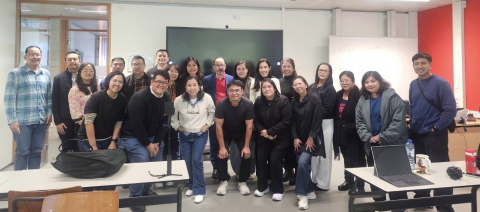
JGSOM Representatives Participate in Green Finance Training at the University of Twente
Enschede, Netherlands | October 15–16, 2026 Representatives of Ateneo de Manila University's John Gokongwei School of Management (JGSOM) participated in a specialized Green Finance training
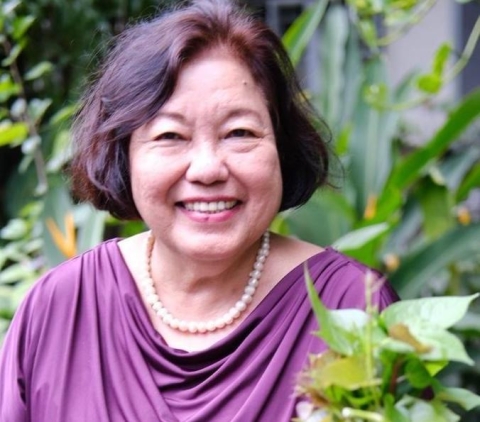
Professor Emeritus Dr Emma Porio highlights climate resilience and biodiversity at international conferences
Emma E Porio, PhD, Professor Emeritus of Ateneo de Manila University and Principal Investigator of Ateneo's Manila Observatory Center for Climate Resilience and Public Health