2026 | SDG 16 Highlights
06 Oct 2026



Promote peaceful and inclusive societies for sustainable development, provide access to justice for all and build effective, accountable and inclusive institutions at all levels
The University strives to make positive contributions to society, and to achieve this, it engages with various stakeholders across different sectors. Within the University, all students are given proper representation through student councils, while employees are represented by the employee's union, faculty, and staff organizations.
The Ateneo Center for Education Development, Gawad Kalinga, and the Ateneo Institute of Sustainability are a part of the university's Social Development Cluster, which works directly with regional stakeholders on social development initiatives. This strategy makes sure the university stays actively involved with the larger community and aids in the advancement of constructive social change.
Guided Community Engagement: OSCI's Role in Social Formation and Co-Curricular Programs at Ateneo
The Office for Social Concern and Involvement (OSCI) at Ateneo de Manila University is responsible for the social formation of undergraduate students. OSCI promotes meaningful connections between students and members of underrepresented communities as well as those tackling social problems like poverty. In order to improve students' social awareness and involvement, OSCI offers opportunities for them to participate in these experiences as part of the Integrated Ateneo Formation (InAF) Program. These activities are an important component of the undergraduate co-curricular program for the students, and they follow rules to guarantee responsible and meaningful interactions.
In the 2024–2025 academic year, the majority of the three main OSCI programs—NSTP11–Punla, NSTP12–Bigkis, and Binhi—will be conducted off campus. As per safety procedures, most operations are overseen by deputized Ateneo personnel or OSCI Formators. In the event that a student is unable to attend off-campus events, there are alternatives that are available either on campus or online. These exchanges ensure that student involvement in communities is consistent with the university's General Guidelines on the Conduct of Off-Campus Activities. In this methodical approach, the safety and quality of the students' experiences are prioritized.
OSCI Policies
OSCI General Protocols SY 2023-2024.pdf
SY 2024-2025 Guidelines for Off-Campus Engagements.pdf
Values Formation Across All Levels of the University
Ateneo de Manila University provides values-based formation and training across all levels of the organization through programs led by the Office for Mission and Identity (OMI) and the broader Mission Integration (MI) cluster.
Ignatian Spirituality in Education Workshop (ISEW)
The Ignatian Spirituality in Education Workshop (ISEW) serves as a core program that (re)introduces employees, including administrators, faculty and non-teaching staff, to Ignatian spirituality and Ateneo’s core values, ensuring formation is accessible and relevant across roles and functions.
Mission Integration
This institution-wide approach is reinforced by the Mission Integration framework, which systematically embeds values formation into key areas of university life: Ignatian Spirituality Formation, Ignatian Leadership Formation, Social and Environmental Engagement for Development and Sustainability, and Health, Care, and Well-being. These interrelated programs promote holistic development—spiritual, ethical, social, and professional—and integrate Ignatian principles such as cura personalis, magis, and service into leadership, community engagement, and workplace practices.
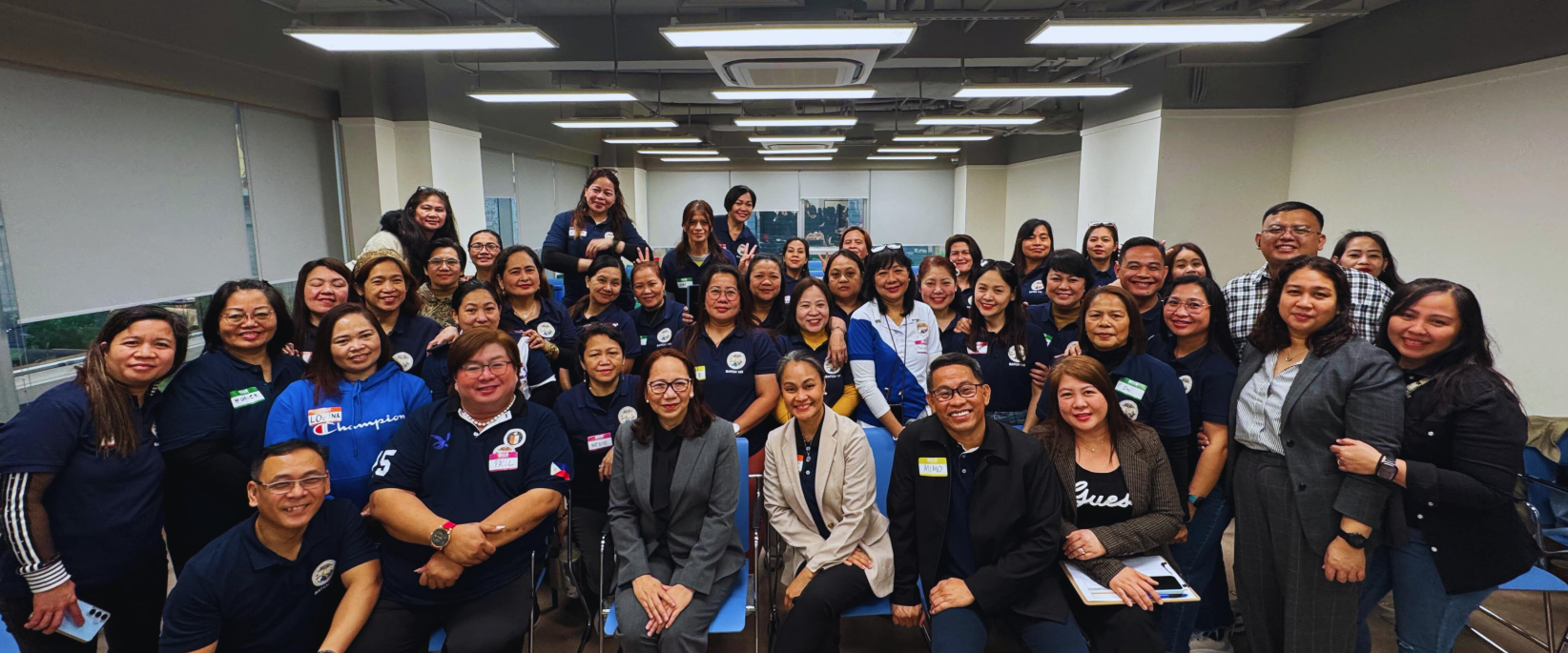
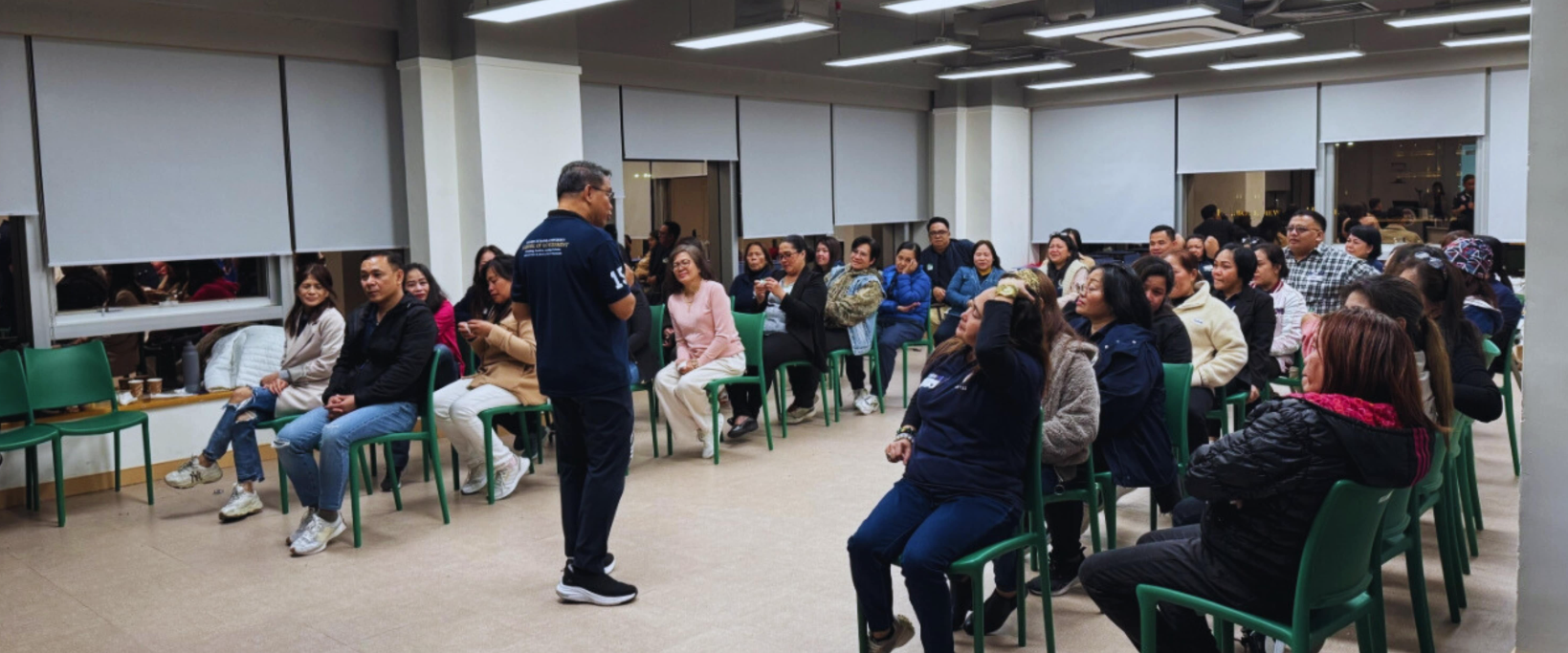
Beyond internal training, Ateneo extends values-based formation to external stakeholders and alumni through programs such as the Alternative Learning System for Overseas Filipino Workers – Lifelong Integrated Formation and Education (ALSE OF-LIFE) National Culture-Building Workshop. These initiatives emphasize core Ignatian values, including magis, cura personalis, being persons for others, and finding meaning in everyday experiences, through reflection, dialogue, and community-building activities. By fostering both personal growth and collective responsibility, these programs strengthen a shared culture of compassion, resilience, and service within and beyond the University.
Strengthening Ethics Through Policy, Reporting, and Oversight
The University’s ethical framework is reinforced by policies such as the Code of Conduct and Ethics, the Code of Decorum and Administrative Rules on Sexual Harassment and Misconduct, and the Alternative Reporting Policy for Alleged Misconduct or Wrongdoing. These policies provide clear procedures for reporting, handling, and monitoring ethical concerns, including access to formal channels such as the University Decorum and Investigation Office, Internal Audit and Financial Risk Management Office, and a 24/7 anonymous reporting hotline administered by a third party.
Student Representation in Governance
Ateneo de Manila University ensures student representation in its governing bodies through the Sanggunian ng mga Mag-aaral ng mga Paaralang Loyola (student council), which participates in the Higher Education Senate/Council.
During the November 27, 2025 Higher Education Senate/Council Meeting, student representatives contributed feedback on key academic policies, including the proposed unified grading system and a Higher Education Senate/Council. Drawing from student consultations, they raised concerns and abstained from voting to emphasize the need for broader student engagement before approval.
The Sanggunian also advocated for stronger student inclusion in emerging governance structures, underscoring the value of diverse student perspectives in institutional decision-making.
For more information see: Click here for more details
Recent News
You may also like these articles

Growing with purpose: How Mekeni Food Corporation turns adversity into shared value
From a small backyard operation in Porac, Pampanga, to an internationally recognized food brand exporting to 25 countries, Mekeni Food Corporation's journey demonstrates how businesses

Three Ateneo-incubated startups secure DOST-PCIEERD’s startup grant fund
Last 9 November, during the opening day of Philippine Startup Week 2026, Soolok Properties Inc, Pili AdheSeal Inc, and Saltric Power (PDG Engineering Services), three
Ateneo de Manila Grade 2 students are the little Earth helpers
It was a great day for saving the world when Ateneo Institute of Sustainability (AIS) came to Ateneo Grade School to give a session on
JGSOM representatives complete green finance training in Poland, sets sights on 2027 micro-credential launch
Representatives of Ateneo de Manila University's John Gokongwei School of Management (JGSOM) completed the second phase of their Erasmus+ Green Finance international mobility activities at
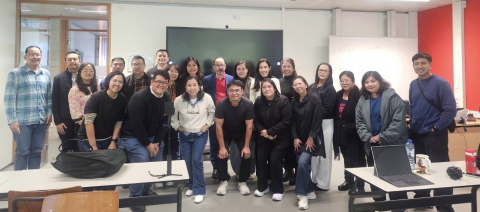
JGSOM Representatives Participate in Green Finance Training at the University of Twente
Enschede, Netherlands | October 15–16, 2026 Representatives of Ateneo de Manila University's John Gokongwei School of Management (JGSOM) participated in a specialized Green Finance training

Professor Emeritus Dr Emma Porio highlights climate resilience and biodiversity at international conferences
Emma E Porio, PhD, Professor Emeritus of Ateneo de Manila University and Principal Investigator of Ateneo's Manila Observatory Center for Climate Resilience and Public Health