2026 | SDG 11 Highlights
06 Oct 2026


Make cities and human settlements inclusive, safe, resilient and sustainable
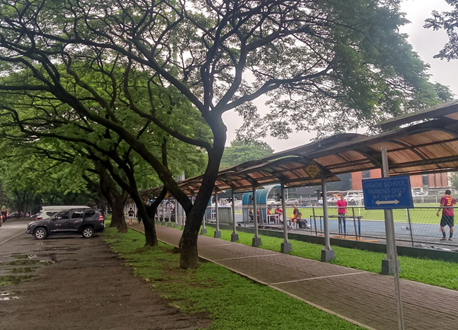
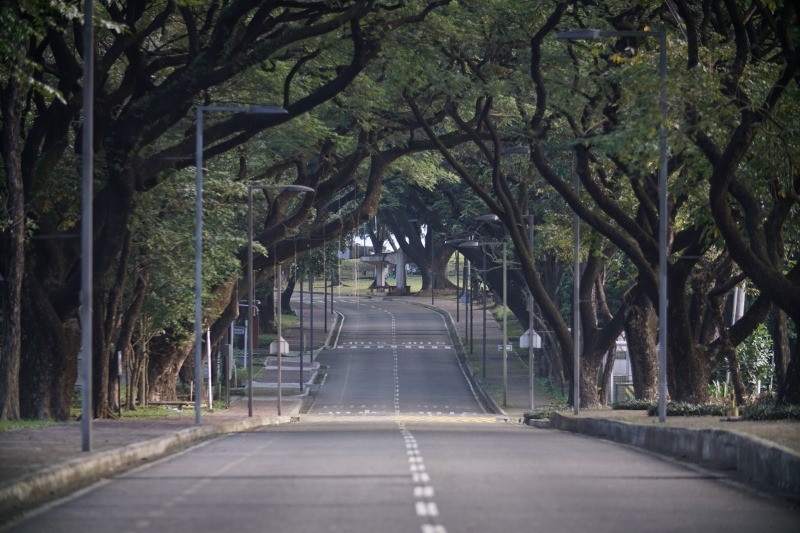
The Ateneo de Manila University is a walkable campus. It has open and covered walkways, connecting buildings and allowing pedestrians to walk even when it is raining. Walkable paths are also signified by the red brick pavers, which, in contrast to concrete walkways, allows water to seep through and be absorbed by the soil beneath. Its hectares of forested areas and around 27 hectares of open fields and green spaces provide safe refuge for urban wildlife and a space for ecological and socio-cultural services to the community.
Additionally, Ateneo through the CCARPH engages communities in institutionalizing access to clean water, through participatory research, which involves working closely with local communities to identify their water-related needs, concerns, and priorities.
Sustainability Training in Ateneo
Ateneo de Manila University conducts various social and environmental sustainability training programs for students, faculty, and staff.
Social Sustainability
A 2-hour Gender Sensitivity Training (GST) for faculty and staff, led by the University Gender Hub and Decorum and Investigation Office, fosters inclusivity, gender sensitivity, and responsible governance, ensuring awareness of professional boundaries and inclusivity policies.
The 3-hour INTACT program for freshies includes Safe Spaces modules, educating students on gender equality, respectful communication, and the Safe Spaces Act (RA 11313). The University Gender and Development Office (UGDO) also mandates GST for all personnel and higher education students, integrating discussions on sexual harassment policies and inclusivity challenges.
Environmental sustainability
Additionally, through various offices, the University conducts environmental sustainability training mainly for staff, student leaders, and student organization members.
Student-led organizations and student leaders (Office of Student Activities)
In partnership with Ateneo Global Leadership Program delegates, the Office of Student Activities - College conducted a 3-hour Sustainability Design Thinking Workshop Series in March 2024, engaging 181 participants from 37 student organizations. The workshops guided students through structured activities—framing sustainability challenges as opportunities ("How Might We’s"), developing solutions ("Storyboard of the Supervoted"), and anticipating challenges ("The Triptych"). The series culminated in the EcoEngage Conference, where student leaders co-authored a manifesto committing to sustainability in organizational activities, laying the foundation for a five-year sustainability development program.
Students (Ateneo Institute of Sustainability)
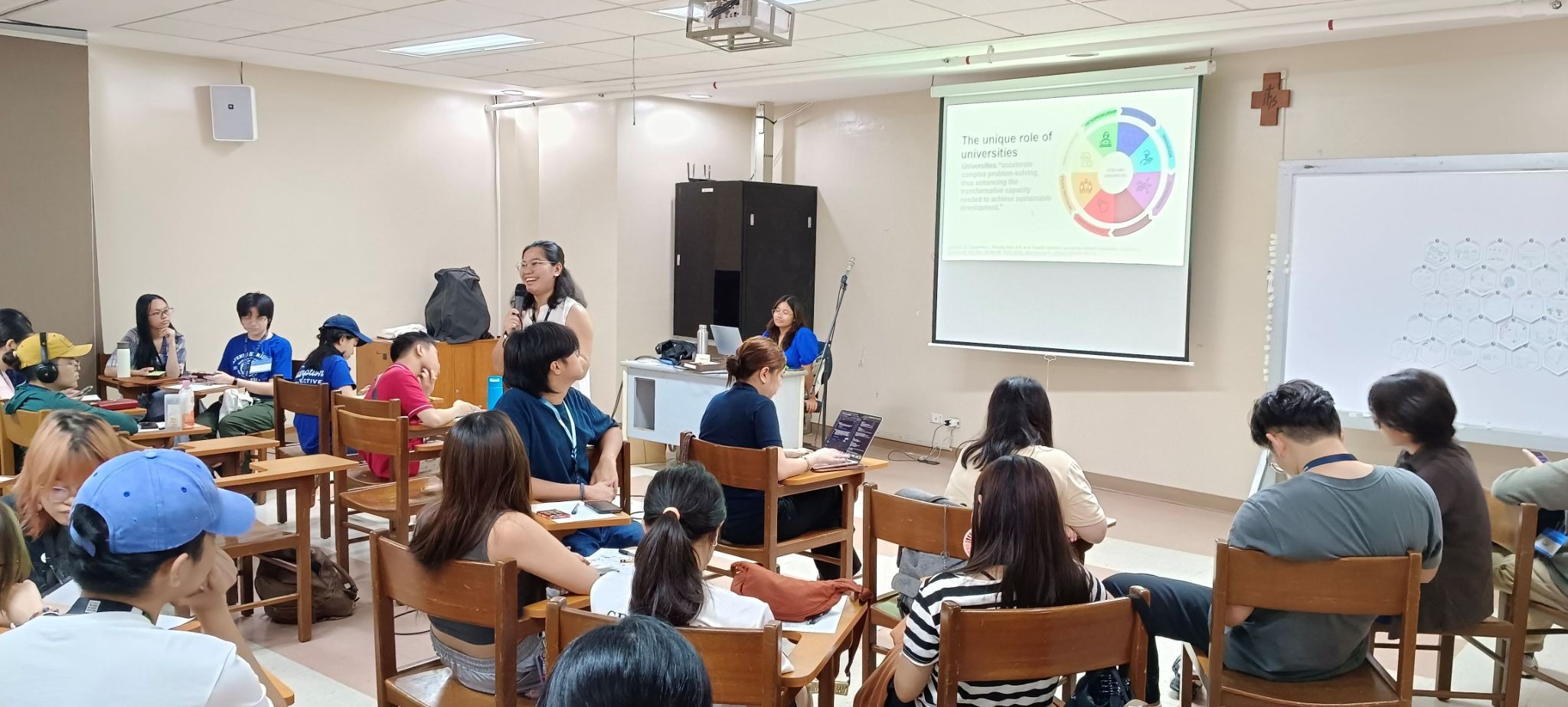
The Ateneo Institute of Sustainability (AIS) led three sustainability-focused workshops during this year’s Talakayang Alay sa Bayan (TALAB) on October 15. The sessions, which engaged over 160 participants, aimed to deepen students’ understanding of sustainability in line with the theme "Integral Ecology: Caring for Our Common Home."
The workshops included "One Big Hive: Reimagining the Campus," where participants explored campus sustainability through a walk and design-thinking activities. The "BiodivLab Aquatic Insect Workshop" introduced hands-on aquatic insect collection and identification, highlighting biodiversity conservation. Lastly, "Unpacking Sustainability: Navigating Tensions in Our Common Home" provided insights into sustainability challenges through interactive discussions.
The Organization Sustainability Audit for ESG Practices
The Organization Sustainability Audit, developed by the Office of Student Activities and Ateneo GLP 2023 delegates, serves as a framework for embedding sustainability practices within student organizations, aligning with Laudato Si’ principles. This audit evaluates sustainability efforts across environmental, social, and governance (ESG) dimensions, ensuring that present initiatives do not compromise future needs.
The framework includes key components such as assessing the current organizational state, examining sustainability practices like awareness campaigns and carbon footprint offsets. It also reviews organizational events, focusing on eco-friendly measures such as meat-free food options and waste management. The audit further explores sustainability knowledge, ranking organizations' understanding of resource use, and identifies sustainability goals for long-term improvements.
Through this structured approach, the audit empowers student organizations to adopt practical sustainability strategies, fostering a culture of environmental stewardship, social responsibility, and ethical governance within the university community.
With experts from AIS and the Ateneo Biodiversity Research Laboratory guiding the sessions, the workshops reinforced AIS’s commitment to sustainability education, equipping students with the knowledge and skills to contribute to environmental resilience.
Green Spaces at Ateneo de Manila University
Ateneo de Manila University keeps its Loyola Heights campus open to the public, offering free and permanent access to its wide green spaces and peaceful surroundings. Families, alumni, and neighbors often visit the campus to attend Sunday Masses and Simbang Gabi celebrations at the Church of the Gesù, or simply to spend quiet time at Bellarmine Field and the North Carpark. These areas have become familiar gathering spots where people can relax, walk, and enjoy the outdoors.

Through the Ateneo Wild program launched in 2018, the University invites everyone to experience the biodiversity that thrives on campus. Guided walks, citizen science activities, and social media features encourage visitors to notice the wildlife and plant species around them, helping raise awareness about urban ecology.
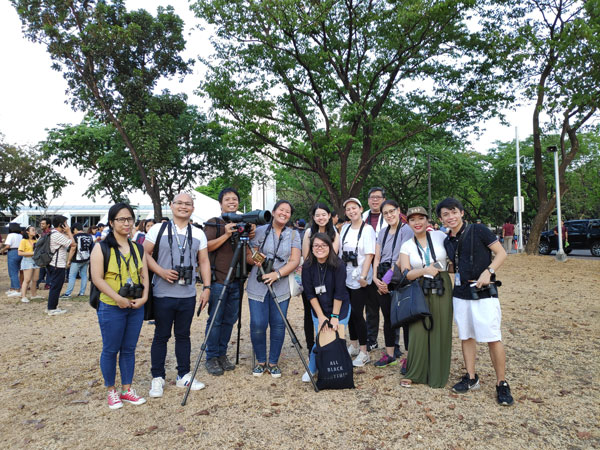
Ateneo also holds community activities like the Campus Mobility Walk and Photovoice, which bring together students, residents, and visitors to reflect on how people move through and share the campus’s open spaces. By keeping its green areas open and welcoming, Ateneo shows how a university can be both a learning environment and a shared community space that values nature and connection.
Transportation: Targeting Low-carbon Mobility
Vehicle Baseline and Demand Management
SY 2024–2025 snapshot. A total of 7,337 vehicles/day are recorded on campus: 55 university-managed cars and 7,282 cars entering daily (motorcycles entering are included in the count). These figures frame congestion, air-quality, and safety planning and feed into the TR.1 ratio (vehicles per campus population).
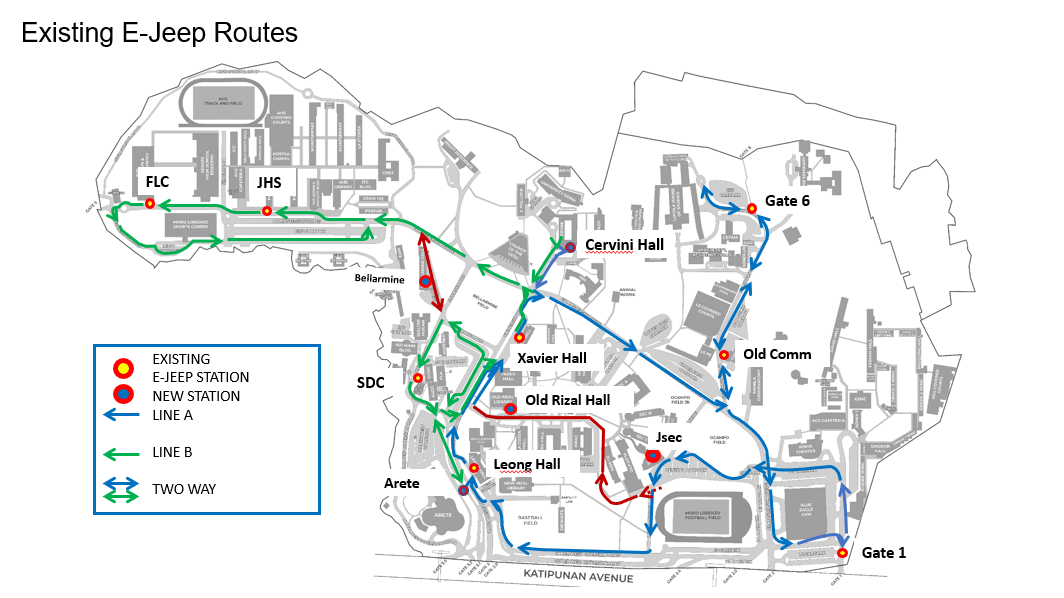
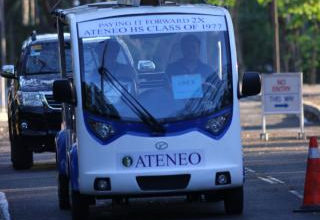
Service model. Ateneo operates an in-campus electric shuttle network (e-jeeps) on two circulator lines connecting academic buildings, dorms, hubs, and terminals.
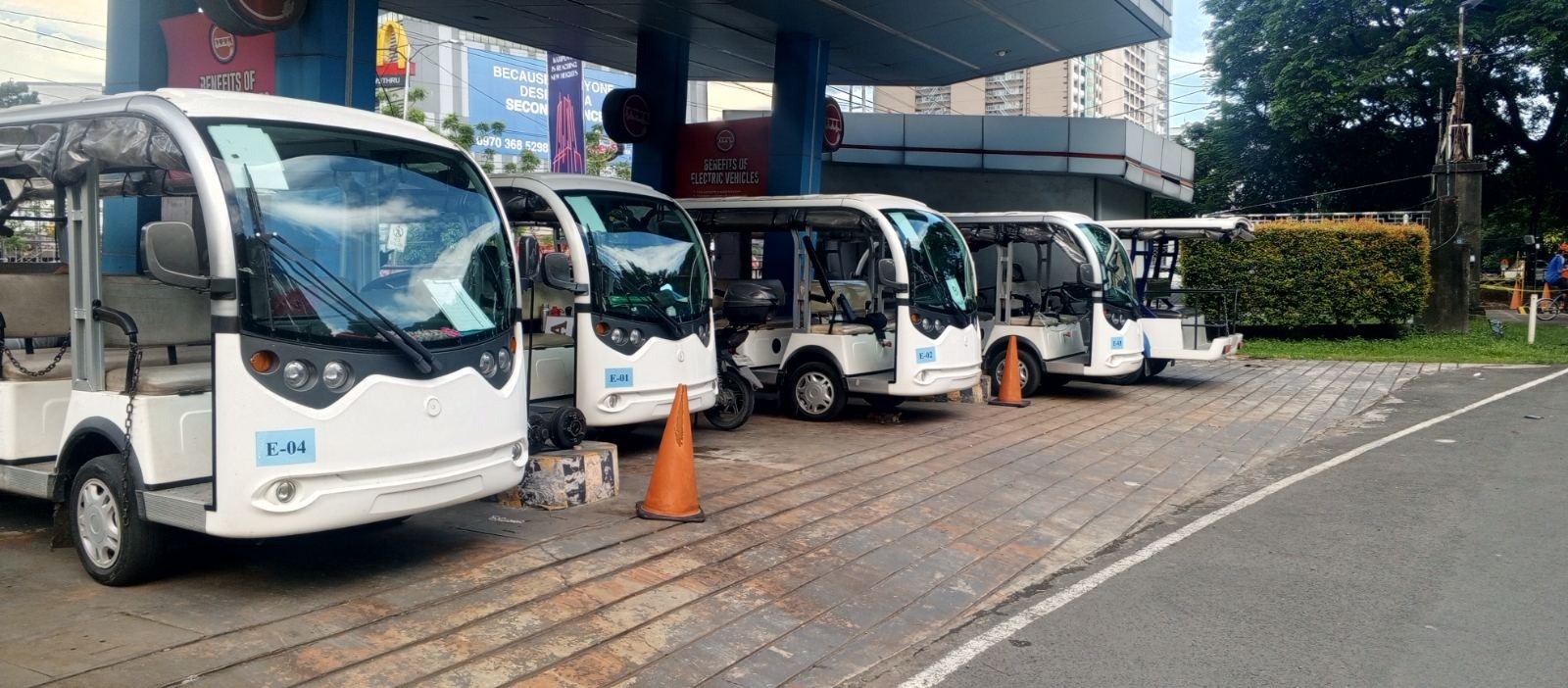
Current operations. 10 shuttles, 8–10 passengers on average, and about 25 trips/day. The system reduces short car trips, supports first/last-mile mobility, and cuts local emissions relative to combustion vehicles.
Zero-Emission Vehicles (ZEVs)
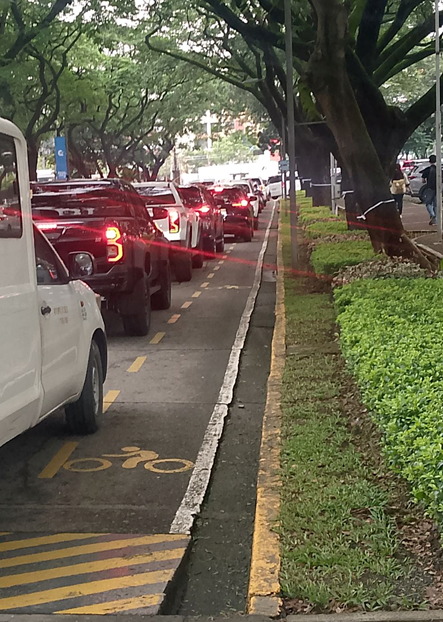
Policy and availability. The University promotes ZEVs—especially bicycles and private EVs—through guidelines, lanes, racks, and priority charging/parking where available.
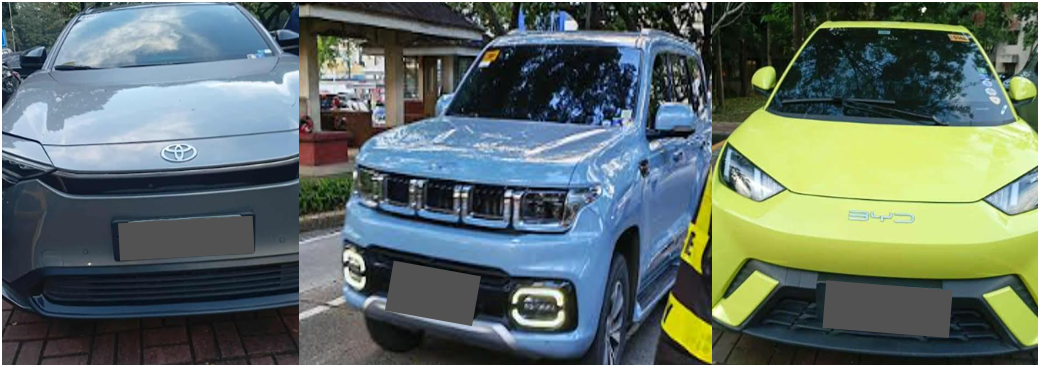
Utilization. On a typical day, ZEVs include around 65 bicycles and about 151 private EVs observed on campus. For TR.4 reporting, the average ZEV count used is 151.
Parking Supply and Controls
Ground parking area. 67,930 m² of on-grade lots are distributed across designated zones. Parking is intentionally limited by unit to discourage solo-car commutes. Overflow is directed off-campus to cap peak loads and keep core areas walkable.
Programs to Reduce Private Vehicles
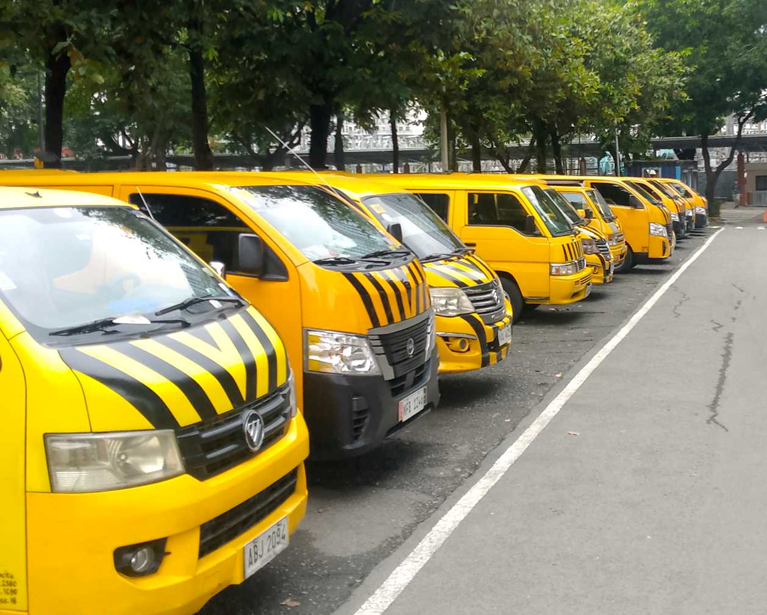
- School bus expansion. The fleet was scaled from 60 (SY 2024–2025) to 95 (SY 2025–2026) to cut family drop-offs and peak car entries.
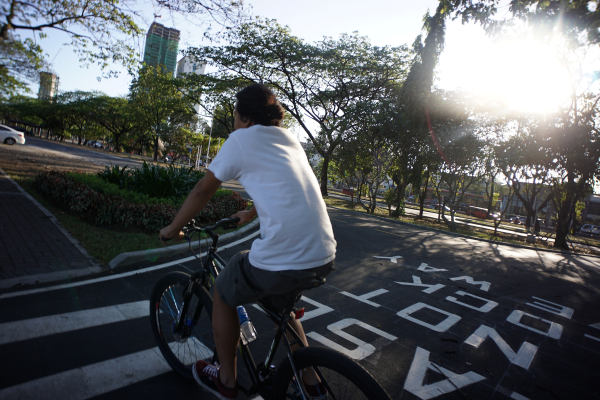
- Active transport. Campus bicycle lanes, racks, and showers encourage cycling for short trips.
- Walkability upgrades. Covered walkways and brick paths improve comfort and safety in heat and rain.
- Carpooling (proposed). Formalized ridesharing to further reduce single-occupancy vehicles.
Pedestrian-First Campus Design
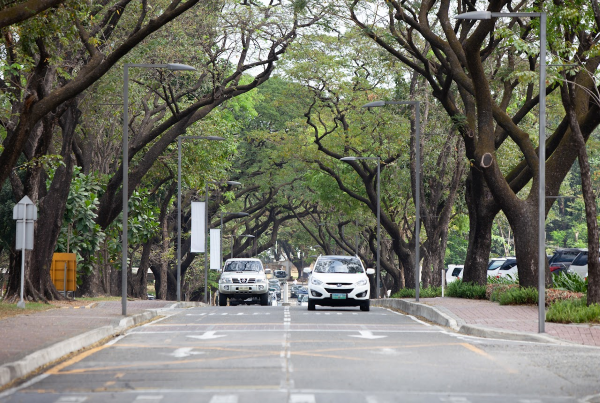
Pedestrian paths are available and designed for safety and convenience, with segments offering disabled-friendly features. A one-way traffic scheme, clear crossings, and strategically located shuttle stops (e.g., near Blue Eagle Gym, Leong Hall, Xavier Hall, JSEC) prioritize people over cars.
Typical In-Campus Travel Distance
Average vehicle travel inside campus is 2–3 km/day, reflecting short, circulator-style movements more efficiently served by e-jeeps, walking, and cycling.
ICT-Enabled Transport Management
The Campus Safety and Mobility Office uses digital logs, spreadsheets, and simple dashboards to track vehicle counts, shuttle trips, and peak-hour patterns. Data inform route tweaks, stop placement, fleet sizing, parking allocation, and targeted communications such as carpool and bus sign-ups.
SDG Contributions
- SDG 3 (Health): Cleaner air and active travel improve well-being.
- SDG 7 (Clean Energy): Electric shuttles and private EV adoption shift energy use.
- SDG 9 (Innovation): Data-driven operations and electrified fleet.
- SDG 11 (Sustainable Cities): Walkable design, safer crossings, and inclusive access.
- SDG 13 (Climate): Fewer combustion trips and constrained parking reduce emissions.
- SDG 17 (Partnerships): Coordination across campus units and external operators such as school buses.
Encouraging Bicycle Use on Campus
Ateneo’s objective is to expand bicycle usage by revisiting 2018 bicycle guidelines, while engaging the biking community, with the aim of gathering insights that will raise awareness more students, faculty, and staff to choose cycling as their primary mode of transport around campus, and increase the average bicycle count. For SY 2023-2024, the average bicycle count was 71.
Finalizing these guidelines is the first step in establishing specific targets for bicycle use on campus.
Reducing Vehicle Numbers with a Carpool System
The average daily vehicles on campus last SY 2022-2023 was 7,932 vehicles. To decrease the number of vehicles on campus, CSMO plans to pilot a carpool system within the basic education unit, a trial initiative to test the effectiveness of carpooling as a sustainable solution for traffic, noise pollution and vehicular congestion. The basic education unit will serve as the benchmark for expanding this initiative to include the higher education unit. Additionally, the basic education unit on campus will also be the reference point for increasing bus ridership, further aimed at significantly reducing the number of private vehicles on campus, and its overall carbon footprint.
|
|
|
|
Increasing Pedestrian-Friendly Walkways
In collaboration with the Campus Facilities and Management Office, the CSMO, advocating for more pedestrian-friendly spaces, especially within the Higher Education (HE) complex. To achieve this, CSMO intends to expand its covered walkways, promoting healthier and more sustainable mode of campus transit.
Addding E-Jeepneys and Charging Stations
The university is committed to growing its fleet of electric jeepneys (e-jeepneys), adding to the current pool of 8 jeepneys, and ensuring sufficient charging infrastructure. By providing more e-jeepneys, Ateneo aims to cut down on traditional fuel-powered transportation on campus, reducing overall emissions and offering a greener option for community members.
Exploring Incentives for Electric Vehicle (EV) Users
While incentives for electric vehicle (EV) use have yet to be formalized, CSMO has counted and registered 36 EVs that enter the campus.
Ateneo de Manila University Continues Tradition of Affordable Housing for Faculty
The Ateneo de Manila University's Single Faculty Accommodation Program represents the university's continued commitment to providing reasonably priced accommodation for its staff. This annual program, which has been around since the 2000s, still provides academic staff with convenient and reasonably priced living options.
The goal of the Single Faculty accommodation program is to provide assistance to tenured faculty members who are single (or not married), live outside of Metro Manila, and find it difficult to find acceptable accommodation that is close to the university. All full-time teachers and administrators are invited to apply; selections will be based on availability, but these individuals will be given priority.
For each academic year, the university is offering 8 double-occupancy apartments at an affordable monthly rate of P6,600.00 per resident. Because it is far lower than the market prices for off-campus rentals, this pricing is highly enticing to faculty members searching for inexpensive living options. Utility and phone bills will be sent to residents separately by the university administration.
For further information or questions, please get in touch with the University Residence Halls office. Giancarlo P Tuazon, Director of University Residence Halls, is making this call to action to make sure that everyone who is interested has the chance to choose convenient and reasonably priced lodging for the forthcoming academic year.
The University's Contribution to Sustainable Cities and Communities
The findings about the United Nation's Sustainable Development Goal 11 (SDG 11) indicate a positive trend in arts and heritage support, with moderate support in 2021 and significantly improving in 2022, reflecting a strong commitment to nurturing cultural activities and heritage preservation within sustainable urban environments, which continued into 2023. Arts and heritage expenditure demonstrated substantial financial investment in cultural activities and heritage conservation in 2021, remaining stable in subsequent years, highlighting the university's consistent financial support for such initiatives.
Additionally, there was notable progress in adopting sustainable practices within SDG 11, encompassing sustainable commuting, remote work promotion, affordable housing, pedestrian-friendly campuses, and collaborative planning with local authorities, aligning to create sustainable, inclusive, and resilient cities and communities.
Ateneo de Manila University has made significant strides in aligning with Sustainable Development Goal 11 (SDG 11) related to sustainable cities and communities. Over the years, notable progress has been in adopting sustainable practices, emphasizing a commitment to creating environmentally friendly and resilient urban environments.
Key initiatives include promoting sustainable commuting, endorsing remote work options, providing affordable housing solutions for employees and students, prioritizing pedestrian-friendly campuses, fostering collaboration with local authorities in planning and development, and maintaining high standards in construction. These efforts collectively enhance the sustainability and inclusivity of both the university campus and the surrounding communities, reflecting Ateneo's dedication to SDG 11.
Campus Bicycle Use
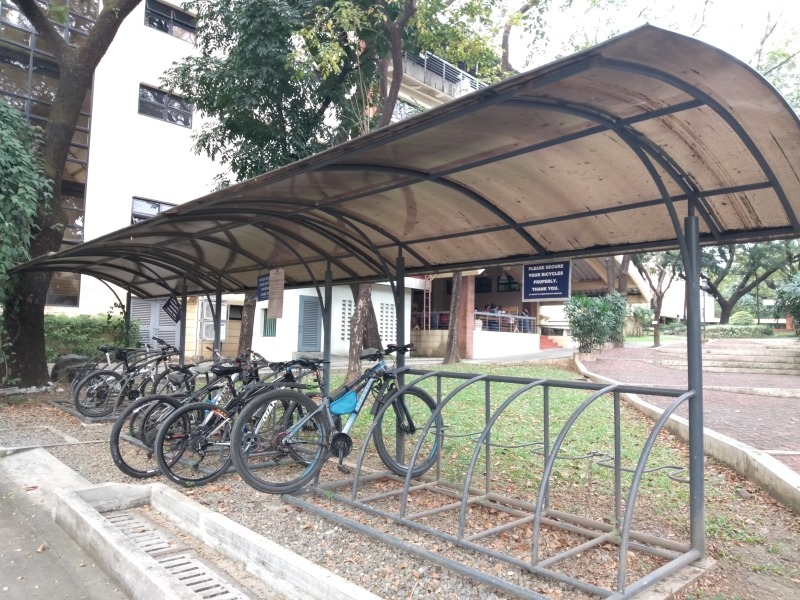
To promote the safety of bicyclists, pedestrians, and motorists on its campus, Ateneo de Manila University created comprehensive Bicycle Use Guidelines through its Campus Safety and Mobility Office. These guidelines, which took effect on 30 May 2018, prioritize the well-being of individuals within the university premises.
Bicycle safety is emphasized in the guidelines, which encourage using helmets, proper hand signals, and regular maintenance of bicycles. Specific areas for bicycle use are designated on campus, including uni-directional bicycle lanes and shared-use paths, with regulations outlining speed limits and overtaking practices.
The guidelines also stipulate specific requirements for bicycle equipment during certain hours and prohibit using headphones or cell phones while biking. Additionally, the guidelines for bicycle parking ensure that pathways are organized and unobstructed, with responsibility shared between university units and service providers.
E-Jeep Program
The E-Jeep program has gained widespread acceptance and adoption as a sustainable urban mobility option, as evidenced by its ridership data between March 2022 and September 2023. The program's initial numbers were humble, with two E-Jeeps serving around 1,500 riders. However, as the initiative gained momentum, so did the ridership. By September 2023, the program had served over 24,000 riders, marking a significant milestone in eco-friendly transportation options.
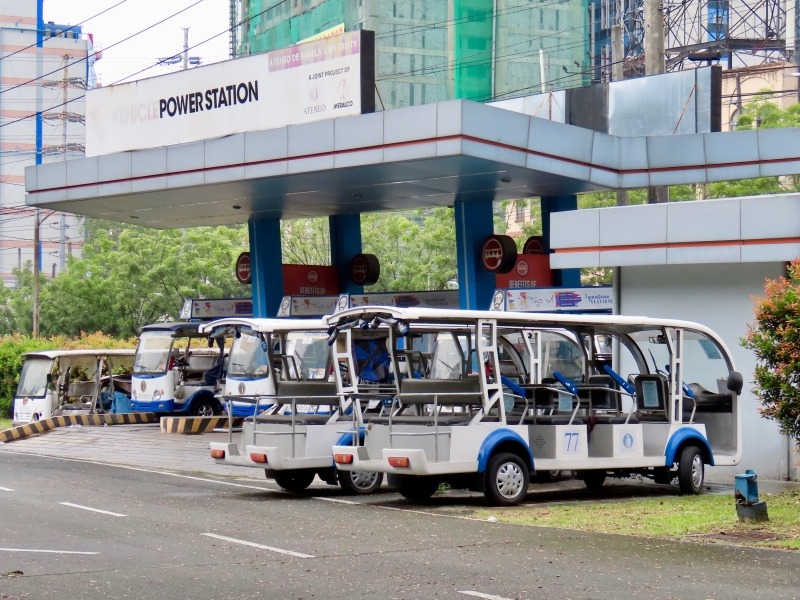
The success of the E-Jeep program has not only transformed the urban commute but has also become a testament to the city's commitment to sustainability and efficient public transportation. As the program continues to evolve, it stands as a beacon of eco-conscious commuting, shaping a cleaner, greener future for urban mobility.
E-Jeep Metrics
Coastal Cities at Risk in the Philippines (CCARPH)
The CCARPH project by Ateneo de Manila University and the Manila Observatory, led by Dr Emma E Porio, is bridging the gap between science, policy, and practice, both within the university and beyond. The project is making noteworthy progress in promoting integral ecology principles, gender-responsive resilience, and transformative climate justice to address important Sustainable Development Goals.
It also integrates socio-technical divides and emphasizes community strategies for recovery through innovative programs, academic chairs, and global collaborations. The information is available in the Coastal Cities at Risk in the Philippines Progress Report and Ways Forward document.
The Vibrancy of Ateneo's Arts and Heritage
Ateneo de Manila University showcased its dedication to the arts and cultural expression through captivating performances.
The Ateneo College Glee Club enchanted audiences with powerful renditions, while The Company of Ateneo Dancers celebrated dance diversity. Ateneo Blue Repertory and Tanghalang Ateneo presented thought-provoking plays, while "Zsazsa Zaturnnah the Musical... 'Yun Lang!" showcased Ateneo's creativity and storytelling prowess.
These artistic endeavors demonstrate the University's continued commitment to supporting local arts, preserving cultural expression, and providing platforms for students and artists to engage with wider communities.

Responsible Waste Management
Responsible waste management, particularly for hazardous materials, is a primary focus at Ateneo de Manila University. The School of Science and Engineering (SoSE) adheres to a strict waste disposal policy to protect the environment and lab users.
The rules address a variety of situations, including particular procedures for chemical spills, biological emergencies, and gas leaks. The university promotes safety in its proactive approach by stressing the proper use of personal protective equipment and safe disposal techniques.
Ateneo de Manila University demonstrates its commitment to managing hazardous materials ethically and safely by actively contributing to environmental preservation while adhering to national regulations.
SOSE Hazardous Waste Management.pdf
Ateneo Student Organizations Advance Sustainability Through Action, Immersion, and Solidarity
Quezon City SY 2025–2026
For more information visit:
Student Org Life in the Loyola Schools | Initiatives | Events | Partnerships
Student Org Life as Framework for Sustainability
Sustainability initiatives across Ateneo de Manila University are being strengthened under the overarching framework of Student Org Life in the Loyola Schools: Initiatives • Events • Partnerships, which integrates formation, advocacy, and community engagement, situates student-led activities within a broader mission of integral ecology, linking environmental stewardship with social responsibility and Ignatian formation.
Laudato Si’ Immersion: Formation Through Encounter
At the center of this framework is the Laudato Si’ Immersion, spearheaded by the Office of Student Activities in partnership with the Office of the Assistant Vice President for Ignatian Spirituality Formation.
Held on March 21–22, 2026 at Alon and Araw, the overnight immersion brought students into meaningful encounters with both community and creation. Participants engaged with local residents, explored sustainability practices such as recycling systems and eco-lumber production, and joined a beach clean-up, service workshops, and shared liturgy.
Anchored on becoming one with nature and community, the immersion deepened connections with self, others, and the environment, reinforcing a values-based commitment to care and stewardship.
TALAB 2025: Sustainability and Social Justice in Action
Within this broader formation framework, initiatives under TALAB 2025: Walking with the Excluded highlight how sustainability is closely tied to social justice and inclusion.
The Ateneo Biological Organization - BOx led “Rooted Together: A Film Screening and Discussion of A Thousand Forests” (October 14, 2025), encouraging reflection on environmental advocacy grounded in cultural respect and solidarity.
This was followed by SustainaBOx 2025 (November 14, 2025), a three-day workshop on sustainable practices, and DOukAy-ukay (November 3–5, 2025), which promoted circular consumption through pre-loved clothing exchanges.
Environmental Justice and Community Advocacy
Advocacy for environmental justice was further amplified by the Development Society of the Ateneo through Guardians of the Land (October 14–16, 2025), a forum featuring stakeholders from the Masungi Georeserve. The discussions highlighted ongoing struggles against land-grabbing and unsustainable development, while emphasizing the risks faced by environmental defenders and local communities.
Experiential Learning and Environmental Immersions
Experiential learning remains a key pillar of student engagement. The Ateneo Environmental Science Society organized Turtle Walk ‘25 (December 5–6, 2025), a two-day immersion focused on marine conservation, including visits to the Pawikan Conservation Center, coastal clean-ups, and dialogues with conservation advocates.
Complementing this, the Loyola Mountaineers facilitated environmental immersion activities (October 14, 2025) that connected students with watershed conservation efforts and indigenous community partners, reinforcing the link between ecology and lived experience.
A Shared Direction: Stewardship and Solidarity
Across these initiatives, a clear pattern emerges: Ateneo’s student organizations are advancing sustainability through community-engaged action, interdisciplinary collaboration, and values formation.
Recent News
You may also like these articles

Growing with purpose: How Mekeni Food Corporation turns adversity into shared value
From a small backyard operation in Porac, Pampanga, to an internationally recognized food brand exporting to 25 countries, Mekeni Food Corporation's journey demonstrates how businesses

Three Ateneo-incubated startups secure DOST-PCIEERD’s startup grant fund
Last 9 November, during the opening day of Philippine Startup Week 2026, Soolok Properties Inc, Pili AdheSeal Inc, and Saltric Power (PDG Engineering Services), three
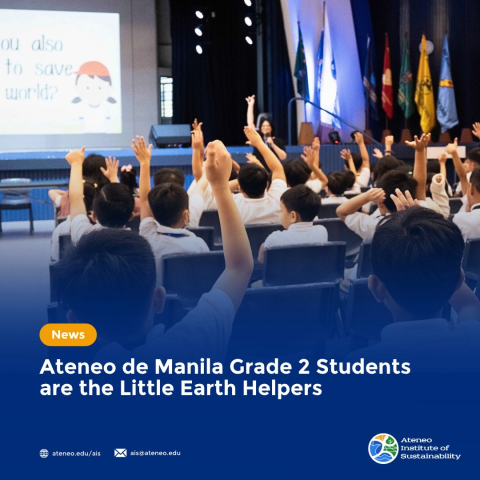
Ateneo de Manila Grade 2 students are the little Earth helpers
It was a great day for saving the world when Ateneo Institute of Sustainability (AIS) came to Ateneo Grade School to give a session on
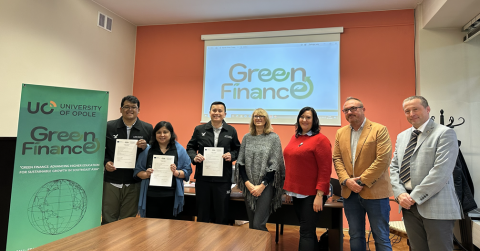
JGSOM representatives complete green finance training in Poland, sets sights on 2027 micro-credential launch
Representatives of Ateneo de Manila University's John Gokongwei School of Management (JGSOM) completed the second phase of their Erasmus+ Green Finance international mobility activities at
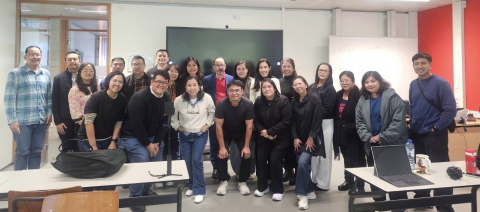
JGSOM Representatives Participate in Green Finance Training at the University of Twente
Enschede, Netherlands | October 15–16, 2026 Representatives of Ateneo de Manila University's John Gokongwei School of Management (JGSOM) participated in a specialized Green Finance training

Professor Emeritus Dr Emma Porio highlights climate resilience and biodiversity at international conferences
Emma E Porio, PhD, Professor Emeritus of Ateneo de Manila University and Principal Investigator of Ateneo's Manila Observatory Center for Climate Resilience and Public Health