2026 | SDG 3 Highlights
25 Sep 2026



Ensure healthy lives and promote well-being for all at all ages
Ateneo is dedicated to creating a healthcare system in the Philippines that is efficient, accessible, affordable, and equitable, and this is achieved through strong public health leadership. To this end, the university established the Ateneo School of Medicine and Public Health (ASMPH), which places significant emphasis on public health management. As part of the medical training provided by ASMPH, students are required to complete community rotations. Ateneo also promotes awareness and programs that provide access to both physical and mental health services.
Ateneo Human Rights Center: Sexual Education Video Series
On Valentine's Day, the Ateneo Human Rights Center (AHRC), in collaboration with the AHRC AKAP Desk and others, launched a Sexual Education Video Series featuring Prof. Sabrina Gacad from the UP Center for Women and Gender Studies. The four-part series released in time for Valentines Day (2024) highlights three key lessons on sex education to promote responsible relationships.
The post encourages viewers to share the content with friends, using "landi responsibly" (a playful Filipino meaning to flirt or engage in relationships thoughtfully and responsibly). The initiative aligns with AHRC’s advocacy for sexual education and awareness.
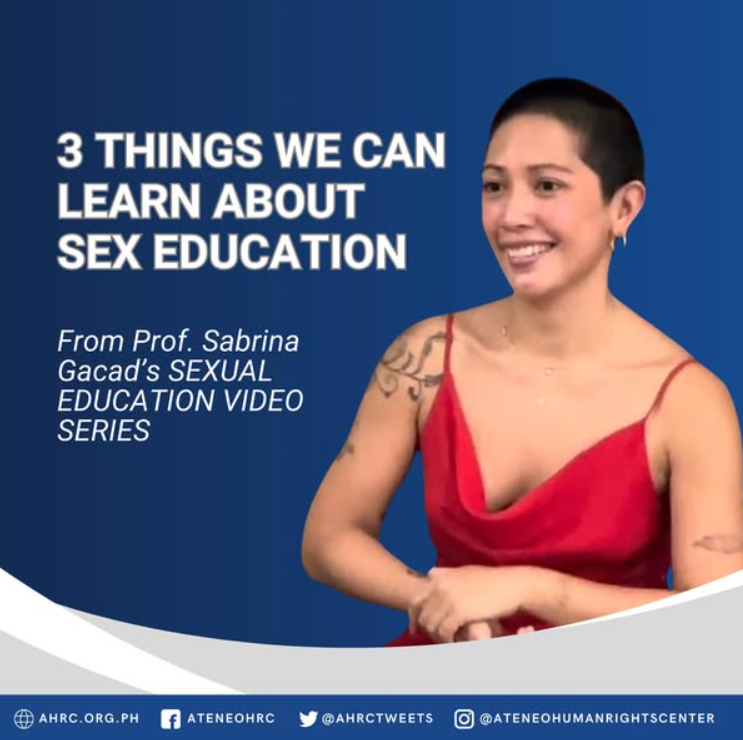
Part 1 - Sex Education for the Youth
Gen Z was asked what topic they would like experts to discuss in mainstream media, of which most of the responses were "Sex Education for the Youth." In response to this, the AHRC presents this learning video series to explore what sex education is and why it is crucial for young people.
Join Professor Sabrina Gacad from the UP Center for Women’s Studies (@upcwgs) and the founder of Lunas Collective (@lunascollective_) as they discuss this crucial topic in Part 1 of this four-part video series! #SexEducation
The video titled "Ano ba ang sex education at bakit ito mahalaga?" ("What is sex education and why is it important?") from the Ateneo Human Rights Center discusses the significance of sex education for the youth. It emphasizes that sex education is not solely about the physical aspects of sex but also encompasses topics such as reproductive health, consent, and personal boundaries. The video highlights that comprehensive sex education equips young individuals with the knowledge and skills to make informed decisions, promotes healthy relationships, and helps prevent issues like unintended pregnancies and sexually transmitted infections. By fostering open discussions, it aims to remove the stigma surrounding these topics and empower the youth to understand and take charge of their sexual health responsibly.
See the Part 1 video by the Ateneo Human Rights Center | Facebook.
Part 2 - Why is Sex Education Important?
Part 2 of the Sexual Education series with Prof. Sabrina Gacad from the UP Center for Women’s Studies. She emphasized the importance of sex education for the youth, explaining that it serves as a guide in building one’s value system—knowing what we like and dislike and how to communicate this in different situations.
See the Part 2 video by the Ateneo Human Rights Center | Facebook.
Part 3 - Laws Covering Sex Education in the Philippines
In the Philippines, several laws cover sex education. One of these is the Reproductive Health Law (RH Law), which addresses the needs of individuals experiencing various sexual concerns.
See the Part 3 video by the Ateneo Human Rights Center | Facebook.
Part 4 - Partner Organizations Advancing Sex Education
The final part of our Sex Education video series! Did you know there are existing organizations in the Philippines that partner in advancing sex education and addressing the issues connected to it? Watch this episode and share it with your network. Together, let’s spread the importance of sexual education, especially this Heart Month!
See the Part 4 video by the Ateneo Human Rights Center | Facebook.
Ateneo's Commitment to Holistic Development: The Blue Eagle Gym and Moro Lorenzo Sports Center
At the core of Ateneo's mission is a commitment to Sustainable Development Goal 3—promoting good health and well-being for all. The University emphasizes the vital link between a healthy body and a sound mind, embodied by the principle "mens sana in corpore sano."
Blue Eagle Gym (BEG)
Ateneo provides its students and the broader community with sports facilities to achieve this goal. Among these, the Blue Eagle Gym stands out as a premier basketball venue that molds our varsity players into champions. The historic gym has not only served as a home court for Ateneans but has also witnessed the struggles that shaped Atenean athletes into champions. UAAP teams like volleyball, judo, table tennis, baseball, fencing, chess, track and field, and the Blue Babble Battalion all hold their practices in various rooms within the Blue Eagle Gym. Non-UAAP varsity teams, such as the Ateneo Rowing Team and the Aikido Club, also conduct training and conditioning sessions here. The countless hours spent within the gym's walls have instilled a work ethic in these athletes that extends far beyond sports.

More than just a practice arena, the Blue Eagle Gym has hosted numerous competitions. It has been the venue for many UAAP indoor sports, including basketball, chess, taekwondo, table tennis, judo, and volleyball. The recently established Premier Volleyball League, featuring current and former Atenean volleyball icons, has also held matches in this historic gym.
While Ateneo students can access the gym free of charge, the public can also enjoy its facilities for a nominal fee. The newly renovated Blue Eagle Gym will feature additional basketball and volleyball courts, allowing more teams to train simultaneously. These courts complement the main FIBA-compliant court, reserved for major games. Enhanced training facilities, including an indoor track, will also be available, ensuring that athletes, students, staff, alumni, and professional teams can continue training, even during the rainy season.
Moro Lorenzo Sports Center
The Moro Lorenzo Sports Center further highlights Ateneo's dedication to holistic well-being, playing a crucial role within the university community and extending its hospitality to notable visitors, such as teams from the Philippine Basketball Association. Through its sports facilities, Ateneo invites athletes, enthusiasts, and visionaries to unite in the pursuit of excellence, blending physical fitness with mental well-being.
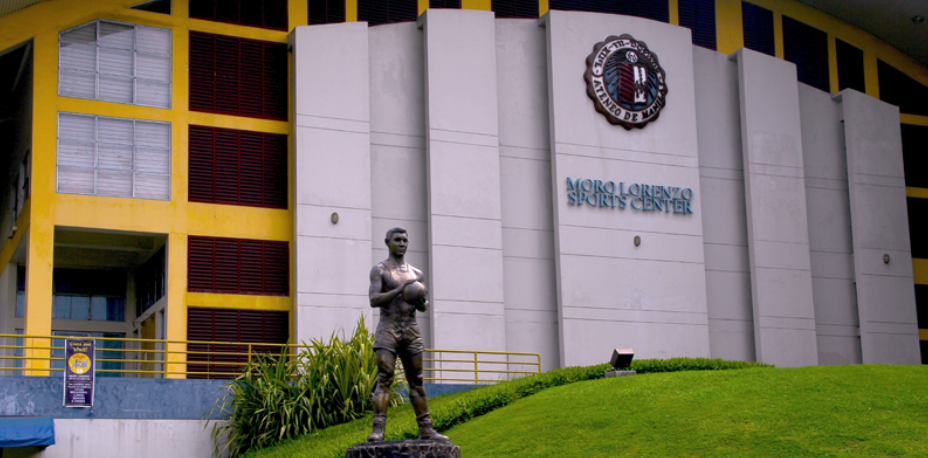
Annual Community Swimming Program Promotes Water Safety for Children
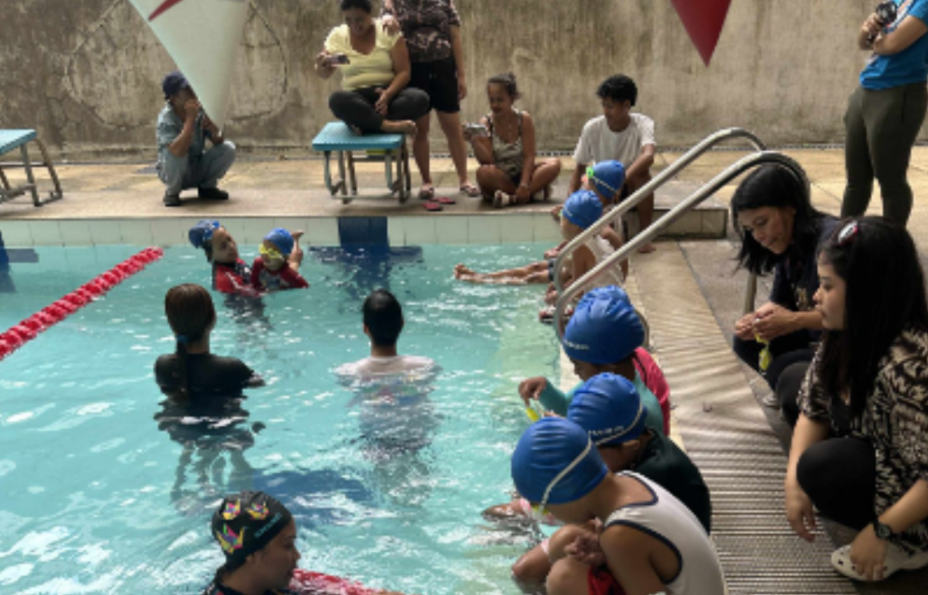
As part of its continuing community engagement program, Ateneo de Manila University, through the Office for Social Concern and Involvement (OSCI), the Office of the Vice President for Mission Integration, and the Bert Lozada Swim School, provides annual free swimming lessons for children from Solidarity with Orphans and Widows (SOW).
Now in its third year, the initiative equips children with foundational water safety and swimming skills through volunteer-led instruction, while fostering sustained relationships between the University, community partners, students, alumni, and volunteer coaches. The program reflects Ateneo's ongoing commitment to promoting children's safety, well-being, and inclusive community development.
Provision of Healthy and Affordable Food Choices for All on Campus
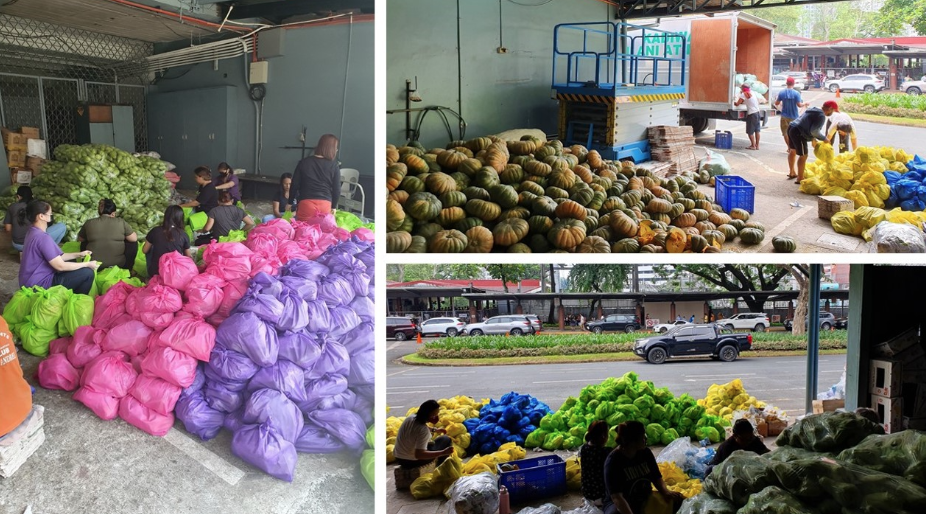
Ateneo de Manila University, through the Office for Food Safety and Quality Assurance (OFSQA), implements the Healthy Cafeteria Initiative to ensure that all members of the university community have access to safe, nutritious, and affordable food options on campus. Anchored in the University’s Lux in Domino 2030 framework, the initiative advances institutional priorities on health, well-being, and sustainability.
Ensuring Availability of Healthy Food Options
The University mandates the provision of healthy menu offerings across all campus cafeterias, guided by national nutrition standards. This includes:
- Required availability of vegetable-based dishes and balanced meal
- Adoption of Pinggang Pinoy-based healthy set meals to ensure proper nutrition
- Regulation of unhealthy food items, including limits on sugar, salt, and portion sizes
- Promotion of fortified and nutrient-rich food products
Promoting Affordability and Inclusive Access
Ateneo ensures that healthy food remains accessible to all sectors of the community, including students, scholars, employees, and visitors. Consultations with stakeholders highlighted affordability as a key concern, leading to:
- Provision of affordable healthy menu options across cafeteria
- Inclusion of value meals and budget-friendly nutritious choices
- Alignment of food offerings with the needs of diverse campus populations
Enabling Informed Food Choices
- Nutrition labels and calorie counts displayed in food stalls
- Allergen declarations to ensure safety and inclusivity
- Point-of-sale infographics and campaigns promoting healthy consumption
Supporting Nutrition Education and Behavior Change
- Nutrition counseling and wellness monitoring (e.g., BMI, anthropometrics)
- Campus-wide campaigns such as Nutrition Month and daily nutrition themes
- Educational activities, seminars, and training sessions
Governance, Monitoring, and Continuous Improvement
Implementation is overseen by the Healthy Cafeteria Committee, a multi-stakeholder body chaired by Office of Food Safety and Quality Assurance.
The Committee:
- Reviews and approves nutrition-related programs and policies
- Conducts regular audits of cafeteria compliance
- Holds bi-monthly meetings and annual policy reviews
A structured implementation roadmap ensures that the initiative remains responsive to community needs and aligned with national standards.

Ateneo de Manila University: Centering Neurodivergence and Mental Health in Inclusive Support
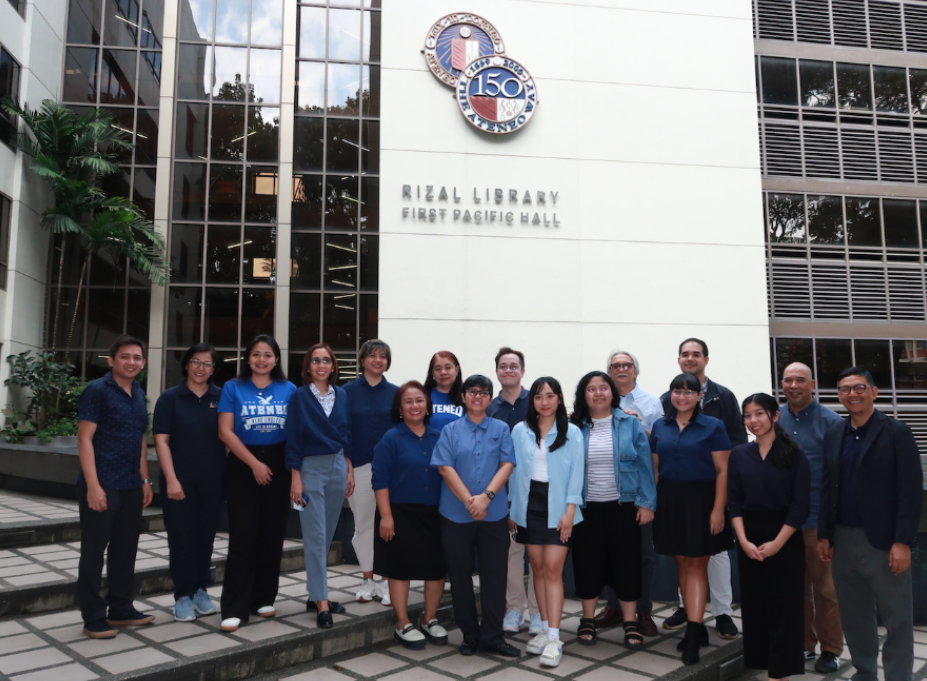
Ateneo de Manila University places neurodivergence at the core of its inclusive education efforts, recognizing diverse ways of thinking and learning. Guided by cura personalis, the University provides a holistic system of support for neurodivergent individuals and persons with disabilities (PWDs) through targeted student support services, scholarships, and research.
I. Targeted Psychosocial and Mentoring Support: Structured Wellness and Inclusion Programs
Through the Office of Guidance and Counseling (OGC), Ateneo delivers a three-tier model of care strengthened by mental health literacy initiatives and Mental Health First Aid (MHFA) training for faculty, staff, and student leaders.
Tier 1 (Primary Care):
Preventive and developmental programs for all students, including holistic wellness initiatives such as Paws & Recharge (animal-assisted stress relief), Blue Snooze (nap room for rest and recovery), CrEAte (expressive arts program), Wellness Fest, and seminars on mental health and emotional literacy.
Tier 2 (Secondary Care):
Targeted interventions for students needing additional support, including one-on-one counseling, psychological assessments, and neuro-affirming programs such as Neurodiverse Narratives, which creates safe spaces for neurodivergent students and allies to build community and deepen understanding.
Tier 3 (Tertiary Care):
Intensive, individualized support through counseling, crisis intervention, and referrals to external specialists, ensuring continuity of care for complex mental health needs.
Mental Health Literacy and Early Identification:
The University equips the community with the knowledge to recognize common mental health challenges such as anxiety, depression, neurodevelopmental conditions, and suicide risk. Training includes understanding warning signs (e.g., panic attacks, behavioral changes), reducing stigma, and applying basic risk assessment (low, moderate, high). This builds a shared capacity for early identification and timely support.
Mental Health First Aid (MHFA):
Ateneo operationalizes MHFA as a structured, evidence-based response framework. Trained personnel learn how to:
- approach and assist students in distress in a calm, non-judgmental manner
- listen actively and validate experiences
- assess risk and ensure immediate safety
- encourage help-seeking and connect students to appropriate services (OGC or external providers)
MHFA emphasizes initial support, not diagnosis or treatment, ensuring that students are guided toward professional care while receiving immediate psychosocial support.
Brief Psychological Services
Ateneo students and employees have access to the Brief Psychological Services (BPS) offered by the Ateneo Bulatao Center. BPS is a free, short-term online counseling service that provides one to two sessions for adult Filipinos experiencing emotional distress. It offers a safe and supportive space where participants can manage stress, develop coping strategies, and receive guidance for their mental health concerns.
II. Financial Access and Scholarship Support
At the graduate level, Ateneo expands access through disability-inclusive scholarships, including the Tuition (20%) Scholarship for Persons with Disabilities and the AUN Disability and Public Policy Network (AUN-DPPnet) Scholarship, alongside other financial aid mechanisms.
III. Research and Knowledge-Based Support Systems
Beyond campus, the Ateneo Center for Research and Innovation (ACRI) advances research on Autism Spectrum Disorder (ASD), while public initiatives such as “Getting to Know Neurodivergence” promote awareness and inclusive education.
Employee Mental Health and Well Being Programs at Ateneo
Ateneo de Manila University supports the mental health and well-being of its employees through a range of wellness programs and accessible support services across its academic and administrative units.
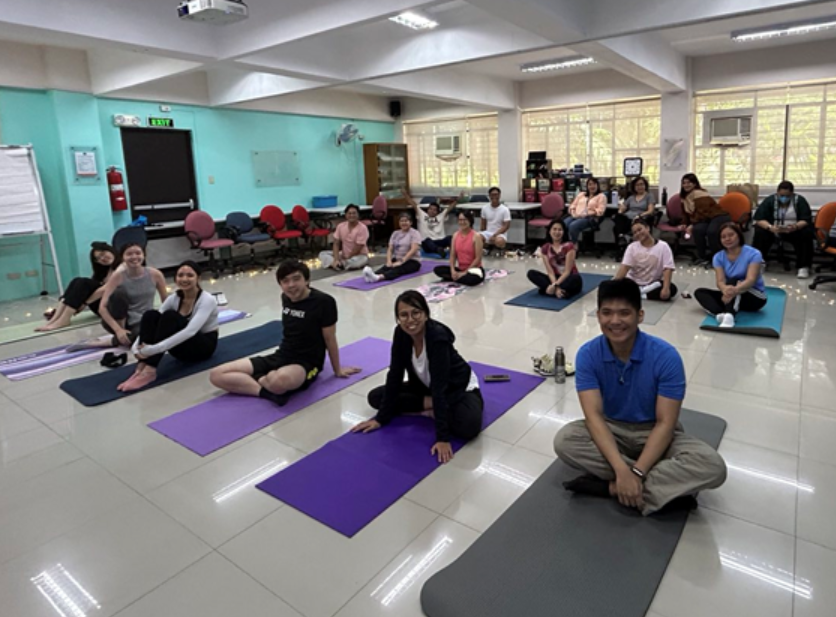
- Ateneo Center for Organization Research and Development (Ateneo CORD) promotes employee well-being through its Unplugged program, which offers activities that enhance physical and mental health, including workplace ergonomics workshops, chair exercises, yoga sessions, painting activities, and walking challenges. Ateneo CORD also subsidizes a limited number of individual counseling sessions for its staff.
- Employees may access free short-term counseling through the Ateneo Bulatao Center's Brief Psychological Services (BPS). Those requiring longer-term support may avail themselves of counseling services at discounted, employee-subsidized rates.
- At the Ateneo School of Medicine and Public Health (ASMPH), employees have access to primary healthcare services, comprehensive health assessments, immunization services, and wellness and health promotion programs that support their overall physical and mental well-being.

Recent News
You may also like these articles

Growing with purpose: How Mekeni Food Corporation turns adversity into shared value
From a small backyard operation in Porac, Pampanga, to an internationally recognized food brand exporting to 25 countries, Mekeni Food Corporation's journey demonstrates how businesses

Three Ateneo-incubated startups secure DOST-PCIEERD’s startup grant fund
Last 9 November, during the opening day of Philippine Startup Week 2026, Soolok Properties Inc, Pili AdheSeal Inc, and Saltric Power (PDG Engineering Services), three
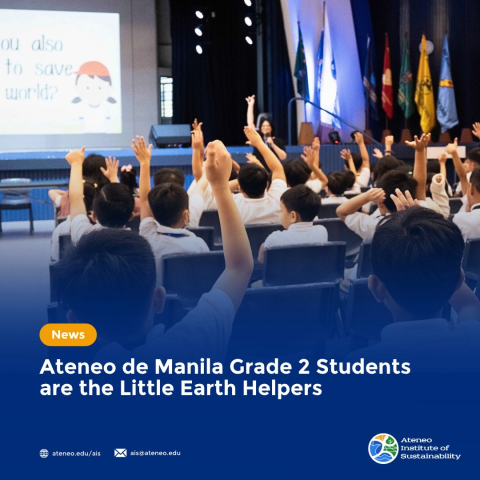
Ateneo de Manila Grade 2 students are the little Earth helpers
It was a great day for saving the world when Ateneo Institute of Sustainability (AIS) came to Ateneo Grade School to give a session on
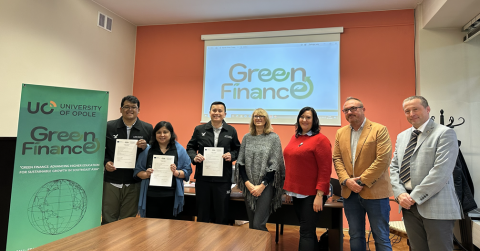
JGSOM representatives complete green finance training in Poland, sets sights on 2027 micro-credential launch
Representatives of Ateneo de Manila University's John Gokongwei School of Management (JGSOM) completed the second phase of their Erasmus+ Green Finance international mobility activities at
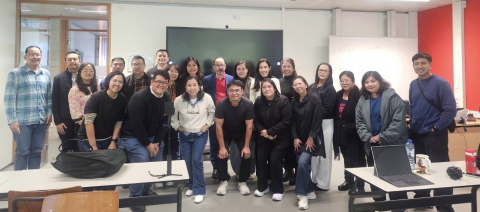
JGSOM Representatives Participate in Green Finance Training at the University of Twente
Enschede, Netherlands | October 15–16, 2026 Representatives of Ateneo de Manila University's John Gokongwei School of Management (JGSOM) participated in a specialized Green Finance training

Professor Emeritus Dr Emma Porio highlights climate resilience and biodiversity at international conferences
Emma E Porio, PhD, Professor Emeritus of Ateneo de Manila University and Principal Investigator of Ateneo's Manila Observatory Center for Climate Resilience and Public Health