6.3.2 Preventing Water System Pollution
01 May 2025


Water Pollution Prevention and Protection of Campus Water Systems
Ateneo de Manila University implements a comprehensive water pollution prevention and control program across all its campuses to ensure that polluted water does not enter natural water systems. As part of its commitment to environmental stewardship, regulatory compliance, and sustainable campus operations, the University adopts an integrated approach that combines wastewater treatment, continuous environmental monitoring, green infrastructure, preventive maintenance, water conservation, and institutional governance to protect surrounding rivers, creeks, groundwater, and the Laguna de Bay watershed. Recognizing that effective water management extends beyond water conservation to include the prevention of contamination at its source, Ateneo has established multiple engineering, ecological, and operational safeguards that prevent pollutants generated from campus activities from entering nearby water bodies. Guided by the Philippine Clean Water Act of 2004 (Republic Act No. 9275), the regulations of the Department of Environment and Natural Resources–Environmental Management Bureau (DENR-EMB), and the Laguna Lake Development Authority (LLDA), as well as the University's Sustainability Policies and Specific Guidelines, Ateneo institutionalizes a proactive water pollution prevention framework that emphasizes prevention, treatment, monitoring, compliance, and continuous improvement. Through these interconnected initiatives, the University safeguards freshwater resources, protects aquatic ecosystems, and advances a resilient and environmentally responsible campus that supports the Sustainable Development Goals (SDGs).
Continuous Water Quality Monitoring and Environmental Compliance
Preventing polluted water from entering the environment requires continuous monitoring, evaluation, and timely corrective action. Ateneo therefore implements a comprehensive environmental monitoring program that regularly assesses water quality throughout campus and at wastewater discharge points.
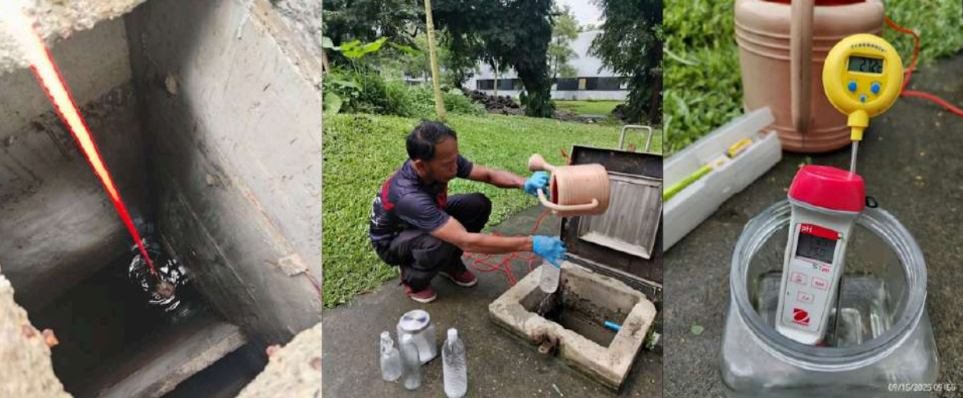
Periodic water sampling is conducted at wastewater discharge locations to monitor the quality of treated effluent before release into surrounding waterways. Monitoring stations include discharge points that ultimately flow toward nearby waterways, allowing the University to assess the impacts of campus operations on adjacent aquatic ecosystems. These sampling activities include routine laboratory analyses, integrity checks, environmental inspections, and performance evaluations that verify compliance with applicable water quality standards.
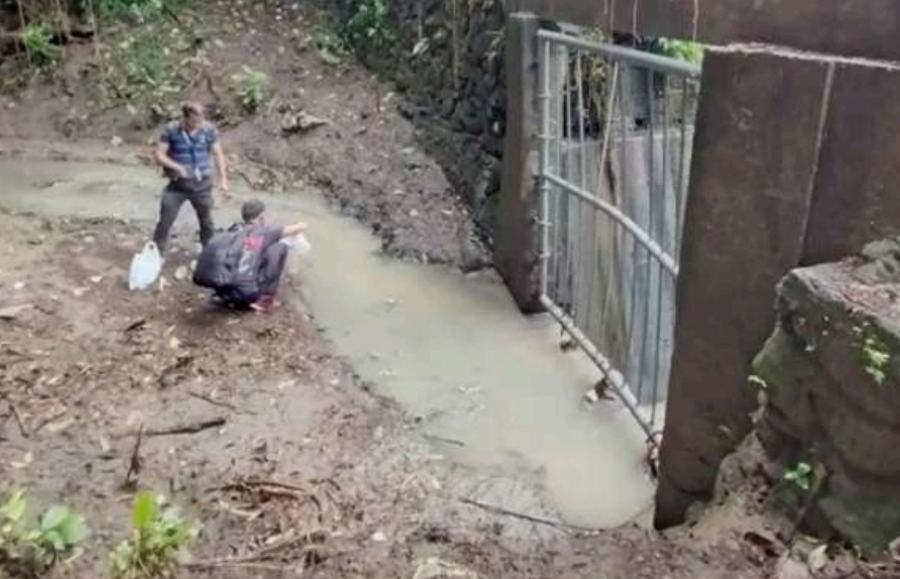
Environmental monitoring activities are coordinated by the Central Facilities Management Office (CFMO) and relevant environmental management units responsible for wastewater treatment operations, pollution prevention, and regulatory compliance. These offices oversee activities related to environmental monitoring, wastewater management, and reporting requirements. Through regular compliance reports submitted to regulatory agencies, the University evaluates wastewater quality, treatment performance, environmental compliance, operational effectiveness, and opportunities for continuous improvement.
In addition to wastewater monitoring, the Central Facilities Management Office (CFMO) continuously monitors campus water systems through regular data collection, infrastructure inspections, and operational assessments. Together with the Office for Food Safety and Quality Assurance (OFSQA), the University also ensures the safety and quality of drinking water systems through routine testing and compliance monitoring, supporting both environmental protection and public health.
Water Pollution Prevention Through Integrated Environmental Management
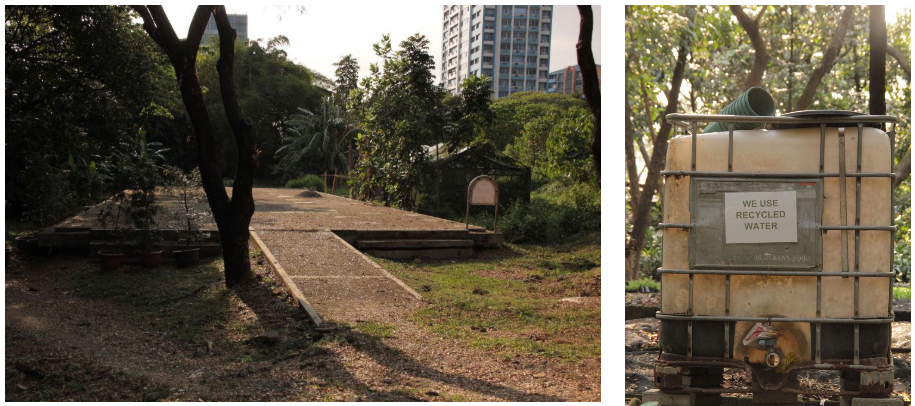
Ateneo de Manila University maintains institution-wide processes specifically designed to prevent polluted water from entering the water system, including pollution arising from routine campus operations, accidental releases, infrastructure failures, and environmental incidents. Rather than relying solely on end-of-pipe treatment, the University adopts a preventive approach that combines pollution source control, wastewater treatment, continuous water quality monitoring, infrastructure maintenance, stormwater management, and nature-based engineering solutions. This comprehensive framework ensures that wastewater generated within the University is properly collected, treated, monitored, and either safely reused or discharged only after meeting national environmental standards. Water pollution prevention is therefore integrated throughout the entire campus water cycle, from potable water consumption and wastewater collection to treatment, reuse, discharge, and environmental monitoring, ensuring that pollutants are intercepted before they can adversely affect surrounding rivers, groundwater, or the Laguna de Bay watershed.
The University's environmental protection framework is anchored on strict compliance with Republic Act No. 9275, otherwise known as the Philippine Clean Water Act of 2004, which establishes a comprehensive national system for protecting freshwater, brackish water, and marine waters from pollution originating from land-based sources. In accordance with this legislation, Ateneo complies with water quality standards, wastewater discharge regulations, permit requirements, and environmental monitoring obligations established by the DENR-EMB and the Laguna Lake Development Authority. Since the University's wastewater ultimately drains into the Laguna de Bay watershed, one of the country's most important freshwater ecosystems, the University recognizes its responsibility to minimize pollution through effective wastewater management and environmental protection measures. To demonstrate compliance, Ateneo secures and maintains wastewater discharge permits issued by the LLDA and regularly renews these permits while continuously improving its environmental management systems. These regulatory requirements are further reinforced through the University's Campus Sustainability Master Plan, Sustainability Policies and Specific Guidelines, and environmental policies governing hazardous materials, wastewater treatment, water conservation, and pollution prevention, ensuring that environmental protection is institutionalized across all campus operations.
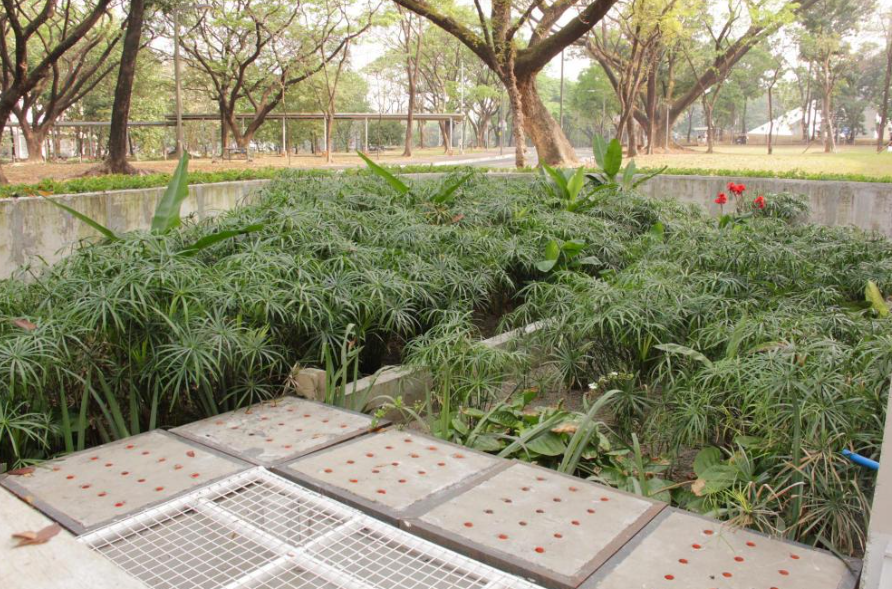
Wastewater Treatment as the Primary Pollution Prevention Mechanism
The University's primary strategy for preventing polluted water from entering the environment is the operation of an integrated wastewater treatment system consisting of Decentralized Wastewater Treatment Systems (DEWATS), Building Wastewater Treatment Systems (BWATS), and centralized Sewage Treatment Plants (STPs). These facilities ensure that wastewater generated from academic buildings, residences, offices, and campus facilities undergoes comprehensive treatment before any discharge or reuse occurs.
The DEWATS and BWATS facilities employ ecological engineering principles that combine physical, biological, and natural treatment processes without requiring chemical additives or energy-intensive operations. Wastewater first enters settling tanks where suspended solids are removed before flowing through underground aerobic and anaerobic reactors that facilitate biological decomposition of organic matter. The partially treated wastewater then passes through constructed reed beds that naturally remove nutrients, pathogens, and contaminants through phytoremediation and microbial activity. Finally, polishing gravel filters, indicator ponds, and additional filtration systems complete the treatment process before the treated effluent is either safely discharged or reused for non-potable purposes. Because these systems mimic natural ecological processes, they provide effective wastewater treatment while minimizing environmental impacts and operational energy requirements.
The University's wastewater infrastructure is strategically distributed across campus. Building Wastewater Treatment Systems (BWATS) serve facilities across the University, while the Decentralized Wastewater Treatment System (DEWATS) supports major academic and administrative buildings. Collectively, these facilities ensure that wastewater generated from multiple campus operations undergoes treatment before entering the environment, preventing untreated sewage from contaminating rivers, creeks, and groundwater.
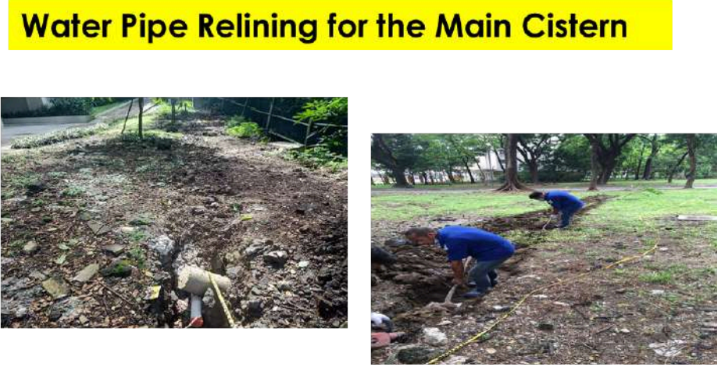
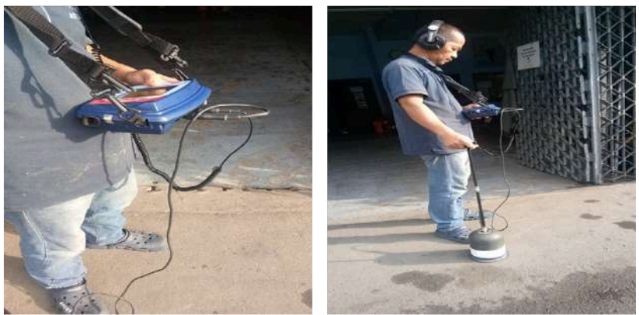
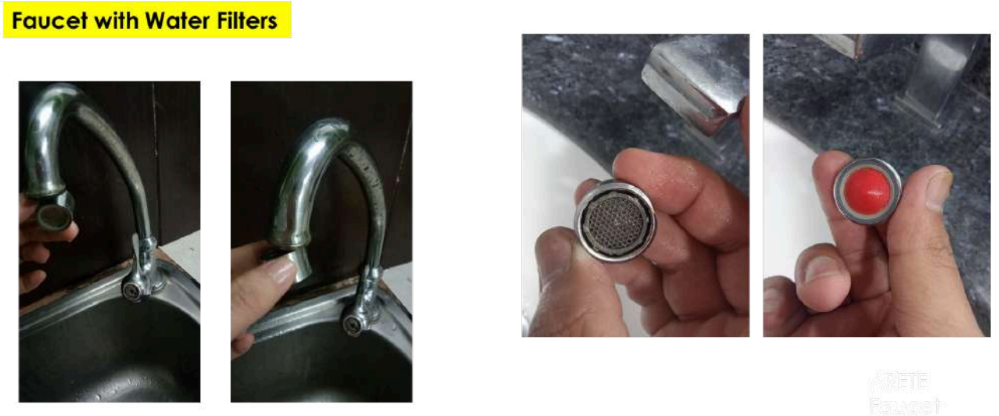
Additional preventive measures include water pipe relining, regular leak detection, installation of sub-meters, efficient plumbing systems, and ongoing maintenance of campus water infrastructure. These engineering interventions reduce water losses, prevent accidental contamination resulting from aging infrastructure, and ensure the integrity of the University's water distribution and wastewater collection systems.

Preventing Pollution Through Sustainable Infrastructure and Campus Operations
Beyond wastewater treatment, Ateneo incorporates sustainable building design and operational practices that reduce opportunities for water pollution while promoting responsible water use throughout campus.
Source:
Recent News
You may also like these articles

Growing with purpose: How Mekeni Food Corporation turns adversity into shared value
From a small backyard operation in Porac, Pampanga, to an internationally recognized food brand exporting to 25 countries, Mekeni Food Corporation's journey demonstrates how businesses

Three Ateneo-incubated startups secure DOST-PCIEERD’s startup grant fund
Last 9 November, during the opening day of Philippine Startup Week 2026, Soolok Properties Inc, Pili AdheSeal Inc, and Saltric Power (PDG Engineering Services), three

Ateneo de Manila Grade 2 students are the little Earth helpers
It was a great day for saving the world when Ateneo Institute of Sustainability (AIS) came to Ateneo Grade School to give a session on
JGSOM representatives complete green finance training in Poland, sets sights on 2027 micro-credential launch
Representatives of Ateneo de Manila University's John Gokongwei School of Management (JGSOM) completed the second phase of their Erasmus+ Green Finance international mobility activities at
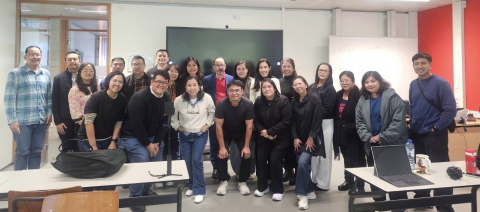
JGSOM Representatives Participate in Green Finance Training at the University of Twente
Enschede, Netherlands | October 15–16, 2026 Representatives of Ateneo de Manila University's John Gokongwei School of Management (JGSOM) participated in a specialized Green Finance training

Professor Emeritus Dr Emma Porio highlights climate resilience and biodiversity at international conferences
Emma E Porio, PhD, Professor Emeritus of Ateneo de Manila University and Principal Investigator of Ateneo's Manila Observatory Center for Climate Resilience and Public Health