14.4.2 Action Plan to Reducing Plastic Waste
01 May 2025


Advancing Sustainable Practices through Ecological Action and Waste Reduction
Ateneo de Manila University demonstrates its commitment to ecological sustainability through institutional policies, responsible consumption, waste reduction, and environmental education. Guided by principles of integral ecology, the University is working to embed sustainable practices into campus operations and the daily lives of its community. From reducing resource consumption and single-use materials to strengthening waste management and environmental formation, these efforts reflect a whole-of-community approach to creating a more sustainable and resilient campus.
Ecological Sustainability and Integral Ecology
Ateneo de Manila University continues to advance ecological sustainability through initiatives that promote responsible consumption, environmental stewardship, and more sustainable lifestyles. These efforts seek to challenge the culture of consumerism while encouraging the University community to make choices that benefit both people and the planet.
The University is pursuing measures such as conserving fuel and utilities, exploring energy-saving work arrangements, phasing out single-use plastics, and shifting from paper-based to digital transactions. These initiatives aim to reduce resource consumption and minimize the environmental footprint of campus operations.
Guided by its Laudato Si’ plan, Ateneo is also developing a University Climate Action Plan and a Campus Biodiversity Action Plan in response to the “Cry of the Earth.” These plans provide a framework for strengthening climate action, protecting biodiversity, and integrating environmental sustainability into University planning and operations.
The University is likewise enhancing its ecological solid waste management programs and developing food systems that promote both human and planetary health. These efforts encourage more sustainable consumption and production while addressing the environmental impacts of food and waste.
In support of ecological economics, Ateneo also seeks to align its purchasing and investment decisions with the principles of sustainability and integral ecology. By incorporating environmental considerations into institutional decision-making, the University demonstrates how higher education institutions can contribute to a more sustainable, inclusive, and resilient future.
Waste Reduction and Sustainable Consumption
Ateneo de Manila University is strengthening its commitment to ecological sustainability through waste reduction, responsible consumption, and environmental education. A key goal is to reduce generated residual waste by 50% while promoting practices that minimize waste at its source.
The University aims to mainstream the use of reusable materials among students, faculty, staff, and other stakeholders, particularly in cafeterias and daily campus operations. By reducing reliance on disposable and single-use products, the initiative encourages more sustainable consumption habits and helps lessen the volume of waste sent for disposal.
To strengthen waste management, the University also seeks to improve the monitoring of waste metrics, including materials processed through the Materials Recovery Facility (MRF), compostable waste, and residual waste. Better data collection can help identify waste-generation patterns, measure progress, and guide more effective sustainability interventions.
Environmental education is another important component of the initiative. Community members will be encouraged to practice sustainable food packaging, food waste reduction, and proper waste segregation. Ecological practices will also be integrated into student and employee formation programs, helping make environmental stewardship part of everyday life rather than a purely operational concern.
Reducing Disposable Plastic and Composite Food Packaging
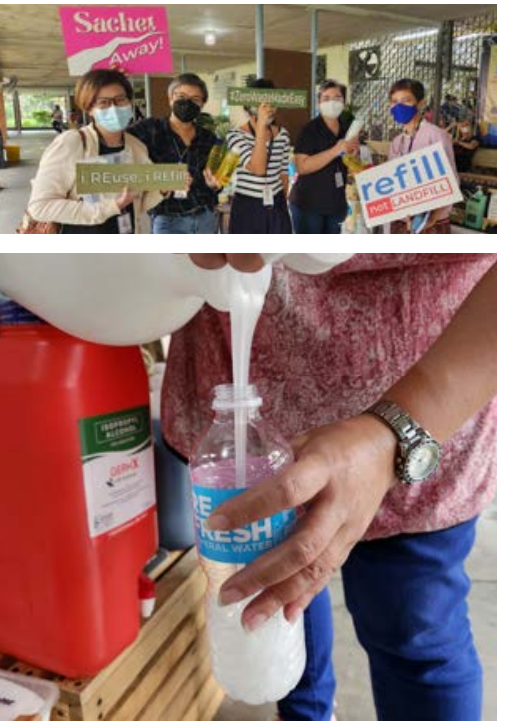
Ateneo de Manila University promotes responsible food packaging practices as part of its broader commitment to reducing waste and encouraging more sustainable consumption. The University prioritizes reusable and environmentally responsible alternatives while limiting packaging materials that are difficult to recycle, recover, or safely reintegrate into waste management systems.
Certain forms of disposable packaging are considered unacceptable, particularly materials that create significant waste and are difficult to process. These include disposable polystyrene products such as Styrofoam food containers, plastic cups, and plastic utensils when they do not meet the University's accepted packaging standards.
The guidelines also prohibit disposable composite packaging made by combining or laminating different materials. Examples include tetra packs, foil packs, laminated plastic or paper cups used for beverages, and laminated paper takeout containers. Because these materials combine different components, they can be difficult to separate and recycle through conventional waste management systems.
When disposable plastic packaging cannot be avoided and no reusable alternative is available, the guidelines give preference to plastics that are more commonly recyclable. These include PET (plastic code 1), HDPE (code 2), and PP (code 3). Choosing these materials can improve the likelihood that packaging will be recovered through appropriate recycling systems. The policy reflects a waste-reduction approach that prioritizes reusable materials first and recyclable alternatives when disposables are necessary (Sustainability Policies and Specific Guidelines, pp. 16-18).
Sources:
1. The University as Living Laboratory for Place-Based Pedagogy (p. 18)
2. Sustainable University Master Plan (p. 58)
3. Sustainability Policies and Specific Guidelines (pp. 16-18)
Recent News
You may also like these articles

Growing with purpose: How Mekeni Food Corporation turns adversity into shared value
From a small backyard operation in Porac, Pampanga, to an internationally recognized food brand exporting to 25 countries, Mekeni Food Corporation's journey demonstrates how businesses

Three Ateneo-incubated startups secure DOST-PCIEERD’s startup grant fund
Last 9 November, during the opening day of Philippine Startup Week 2026, Soolok Properties Inc, Pili AdheSeal Inc, and Saltric Power (PDG Engineering Services), three
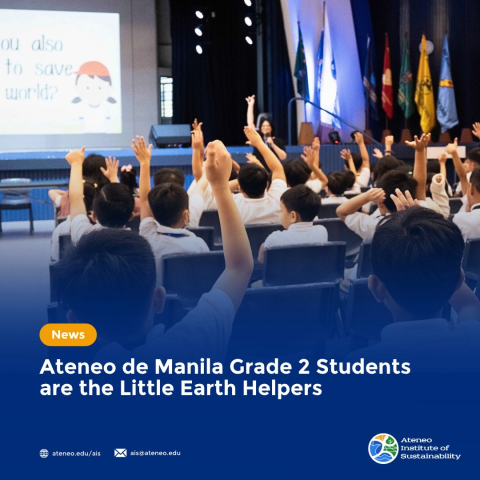
Ateneo de Manila Grade 2 students are the little Earth helpers
It was a great day for saving the world when Ateneo Institute of Sustainability (AIS) came to Ateneo Grade School to give a session on
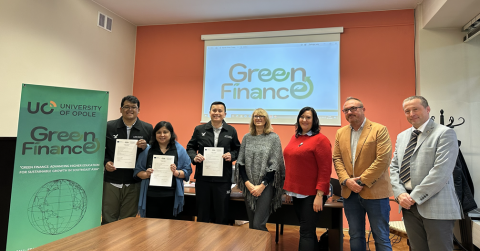
JGSOM representatives complete green finance training in Poland, sets sights on 2027 micro-credential launch
Representatives of Ateneo de Manila University's John Gokongwei School of Management (JGSOM) completed the second phase of their Erasmus+ Green Finance international mobility activities at
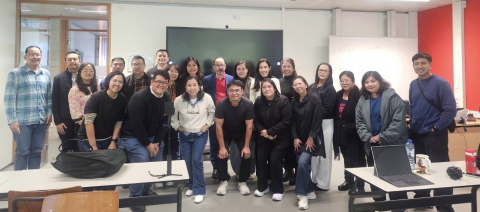
JGSOM Representatives Participate in Green Finance Training at the University of Twente
Enschede, Netherlands | October 15–16, 2026 Representatives of Ateneo de Manila University's John Gokongwei School of Management (JGSOM) participated in a specialized Green Finance training
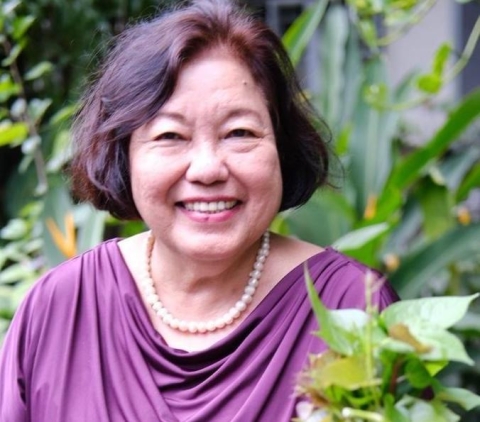
Professor Emeritus Dr Emma Porio highlights climate resilience and biodiversity at international conferences
Emma E Porio, PhD, Professor Emeritus of Ateneo de Manila University and Principal Investigator of Ateneo's Manila Observatory Center for Climate Resilience and Public Health