15.2.4 Educational Programmes on Ecosystems
13 Mar 2025


Environmental Education for Biodiversity and Ecosystems
Ecological stewardship is strengthened when environmental responsibility becomes part of both education and community engagement. From promoting sustainability within schools to raising awareness about endangered wildlife, these efforts encourage people to understand their role in protecting biodiversity and natural habitats.
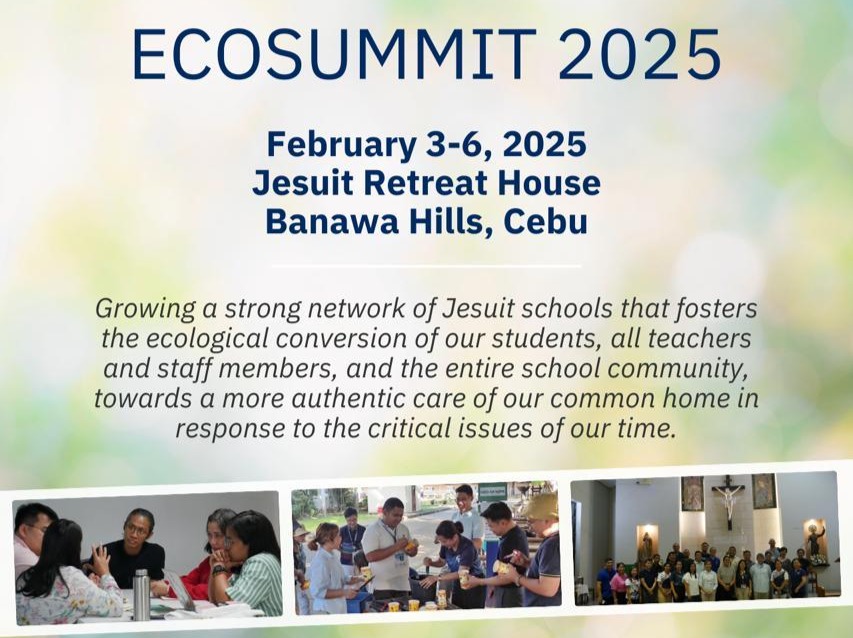
Jesuit Schools Strengthen Ecological Stewardship
The 11 Jesuit schools in the Philippines share a commitment to Jesuit education and the formation of graduates who embody service, social responsibility, and care for creation. While each school has its own identity and context, they continue to work together in advancing ecological sustainability and responding to the call of Laudato Si’.
The Jesuit Schools Eco-Summit provides a platform for schools to exchange best practices, strengthen collaboration, and develop a shared approach to ecological education and action. It also supports the Universal Apostolic Preference of Caring for Our Common Home, with an emphasis on ecological conversion and meaningful engagement with young people and communities.
The 2025 Eco-Summit, held in Cebu from February 3–6, brought together representatives from Jesuit schools, including Ateneo de Manila University’s Junior and Senior High Schools. Participants shared their environmental programs, policies, and sustainability practices while identifying approaches that could be adapted to their respective school contexts.
The summit was further strengthened by the participation of the Jesuit Basic Education Commission (JBEC), whose members joined discussions and activities focused on translating sustainability commitments into concrete institutional action. The gathering culminated in a shared commitment to promote sustainability and integral ecology across Jesuit schools.
TATAKalikasan: Protecting Our Endangered Wildlife
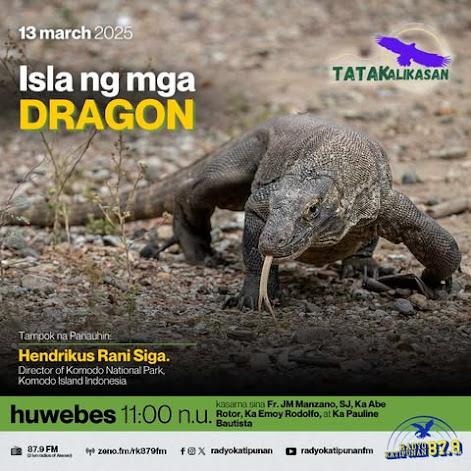
Ateneo de Manila University’s TATAKalikasan featured a special lesson on the importance of protecting endangered wildlife and preserving biodiversity. Aired on 87.9 FM Radyo Katipunan on March 13, 2025, the program highlighted wildlife conservation and the remarkable stories of species that have recovered from the brink of extinction.
The lesson was presented in connection with several environmental observances, including Komodo Dragon Day, International Day of Forests, International Day of Zero Waste, Earth Day, Endangered Species Day, and UN World Wildlife Conservation Day. These occasions provide opportunities to raise awareness about the threats facing wildlife and the importance of collective action to protect ecosystems.
A special feature of the program focused on the Komodo dragon, one of the world's most distinctive and threatened reptiles. The discussion also highlighted examples of wildlife species that have shown remarkable recovery following sustained conservation efforts, demonstrating that coordinated protection, habitat preservation, responsible resource use, and public awareness can make a meaningful difference.
Through TATAKalikasan, Ateneo encourages the community to recognize that protecting endangered species goes beyond saving individual animals. It also means protecting their habitats, maintaining healthy ecosystems, and promoting responsible human activities that allow biodiversity to thrive.
The program reinforces the message that wildlife conservation is a shared responsibility.
Sources:
1. 2025 EcoSummit Toward Achieving Ecological Conversion
2. Tatakalikasan: Protecting Our Endangered Wildlife
Recent News
You may also like these articles

Growing with purpose: How Mekeni Food Corporation turns adversity into shared value
From a small backyard operation in Porac, Pampanga, to an internationally recognized food brand exporting to 25 countries, Mekeni Food Corporation's journey demonstrates how businesses

Three Ateneo-incubated startups secure DOST-PCIEERD’s startup grant fund
Last 9 November, during the opening day of Philippine Startup Week 2026, Soolok Properties Inc, Pili AdheSeal Inc, and Saltric Power (PDG Engineering Services), three
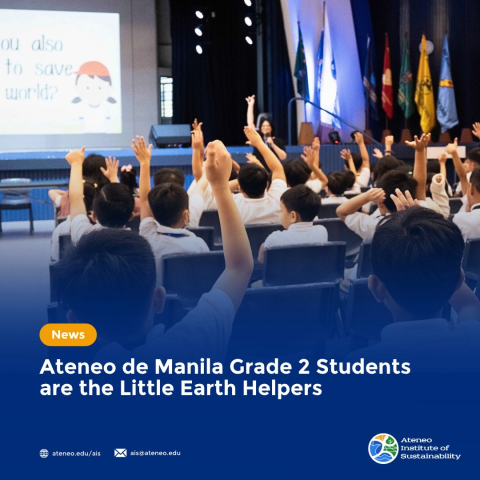
Ateneo de Manila Grade 2 students are the little Earth helpers
It was a great day for saving the world when Ateneo Institute of Sustainability (AIS) came to Ateneo Grade School to give a session on
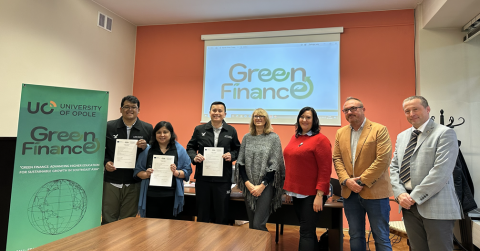
JGSOM representatives complete green finance training in Poland, sets sights on 2027 micro-credential launch
Representatives of Ateneo de Manila University's John Gokongwei School of Management (JGSOM) completed the second phase of their Erasmus+ Green Finance international mobility activities at
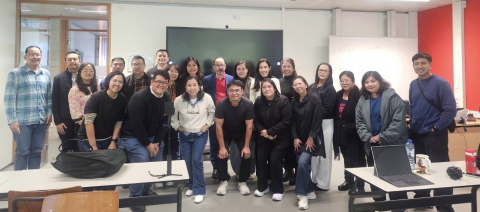
JGSOM Representatives Participate in Green Finance Training at the University of Twente
Enschede, Netherlands | October 15–16, 2026 Representatives of Ateneo de Manila University's John Gokongwei School of Management (JGSOM) participated in a specialized Green Finance training

Professor Emeritus Dr Emma Porio highlights climate resilience and biodiversity at international conferences
Emma E Porio, PhD, Professor Emeritus of Ateneo de Manila University and Principal Investigator of Ateneo's Manila Observatory Center for Climate Resilience and Public Health