7.4.1 Local Community Outreach for Energy Efficiency
01 Feb 2025


Ateneo de Manila Local Community Outreach for Energy Efficiency
Ateneo de Manila University actively provides local communities and government entities with educational programs and technical assistance centered on energy efficiency and clean energy transition. Between February and April 2025, the Ateneo School of Government (ASoG) rolled out a comprehensive executive training series across Luzon, Visayas, and Mindanao designed to build the capacity of Local Government Units (LGUs) and Department of Energy representatives to implement Republic Act 11285 (Energy Efficiency and Conservation Act). Informed by a 2024 Training Needs Analysis, this program featured four core modules covering Energy Leadership and Stakeholder Engagement, Energy Audit and Data Management, Energy Planning and Policy Development, and Energy Financing. Delivered through online and interactive in-person sessions in Cagayan de Oro City, Tacloban City, and the main university campus, these courses equipped local leaders with practical tools to conduct energy audits, draft local conservation frameworks, and secure funding for sustainable energy projects.
In addition to policy-level capacity building, the university directly engages grassroot agricultural communities through the Ateneo Innovation Center (AIC). In partnership with Boston College, AIC conducted outreach, consultations, and technical training for underserved rice farming communities in Salapungan, Candaba, Pampanga. The initiative provided free technical assistance, student training on solar-powered water technologies, and hands-on deployment of clean energy innovations such as 1 kW solar PV systems, solar-powered LED lighting for induced photosynthesis, and solar-powered soil sensors. These outreach efforts directly educate local communities on adopting energy-efficient solutions and renewable energy technologies to lower operational costs, enhance resource efficiency, and build climate resilience.
Powering progress: ASoG supports LGUs in championing clean energy
From February to April 2025, the Ateneo School of Government (ASoG), through its Executive Education Program, rolled out a series of training courses aimed at building the capacity of local government units (LGUs) to advance the country's Just Energy Transition. The program reached representatives from LGUs and the Department of Energy across Luzon, Visayas, and Mindanao, providing them with the tools and knowledge necessary to support a shift toward low-carbon, climate-resilient, and inclusive energy systems.
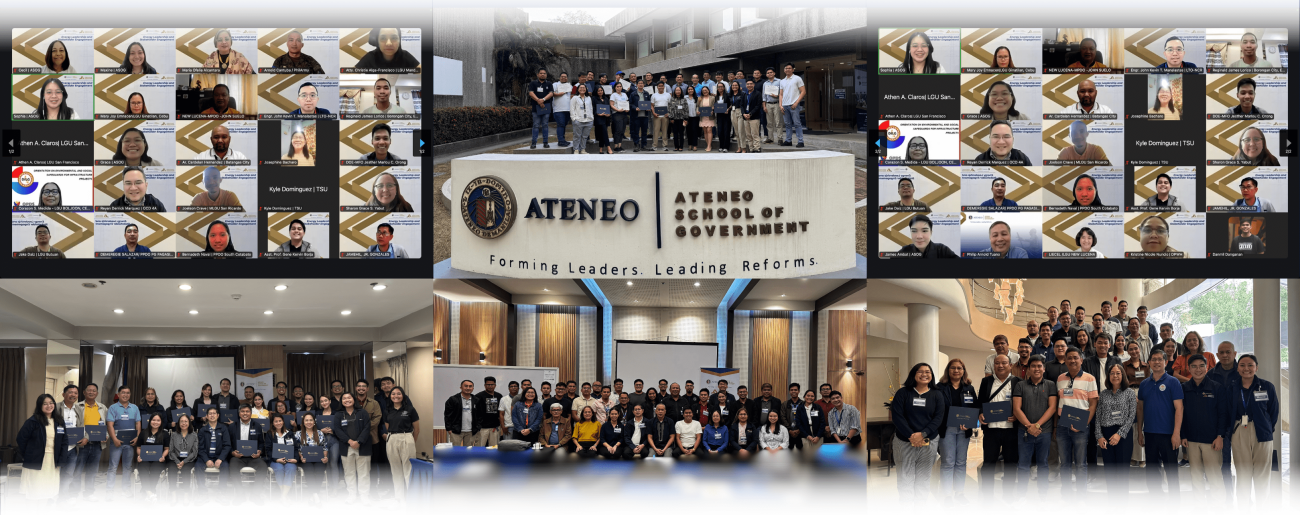
This initiative is part of ASoG’s continued commitment to address the pressing competency gaps within LGUs in line with the Energy Efficiency and Conservation Act (RA 11285). Through practical, evidence-based modules, the training series supported LGU officers in implementing energy transition strategies that are both impactful and sustainable.
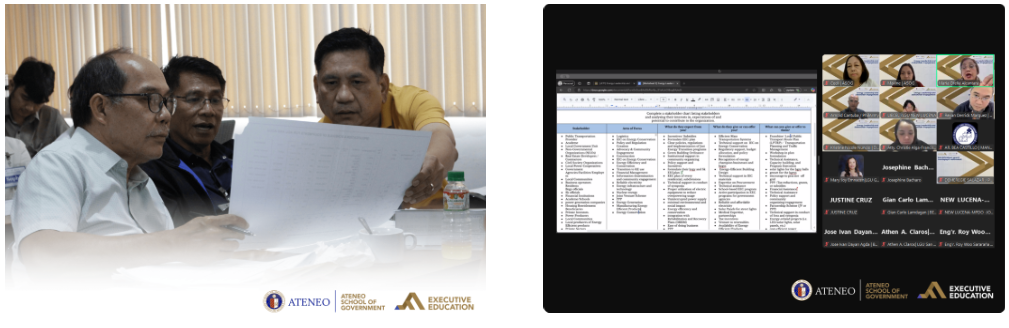
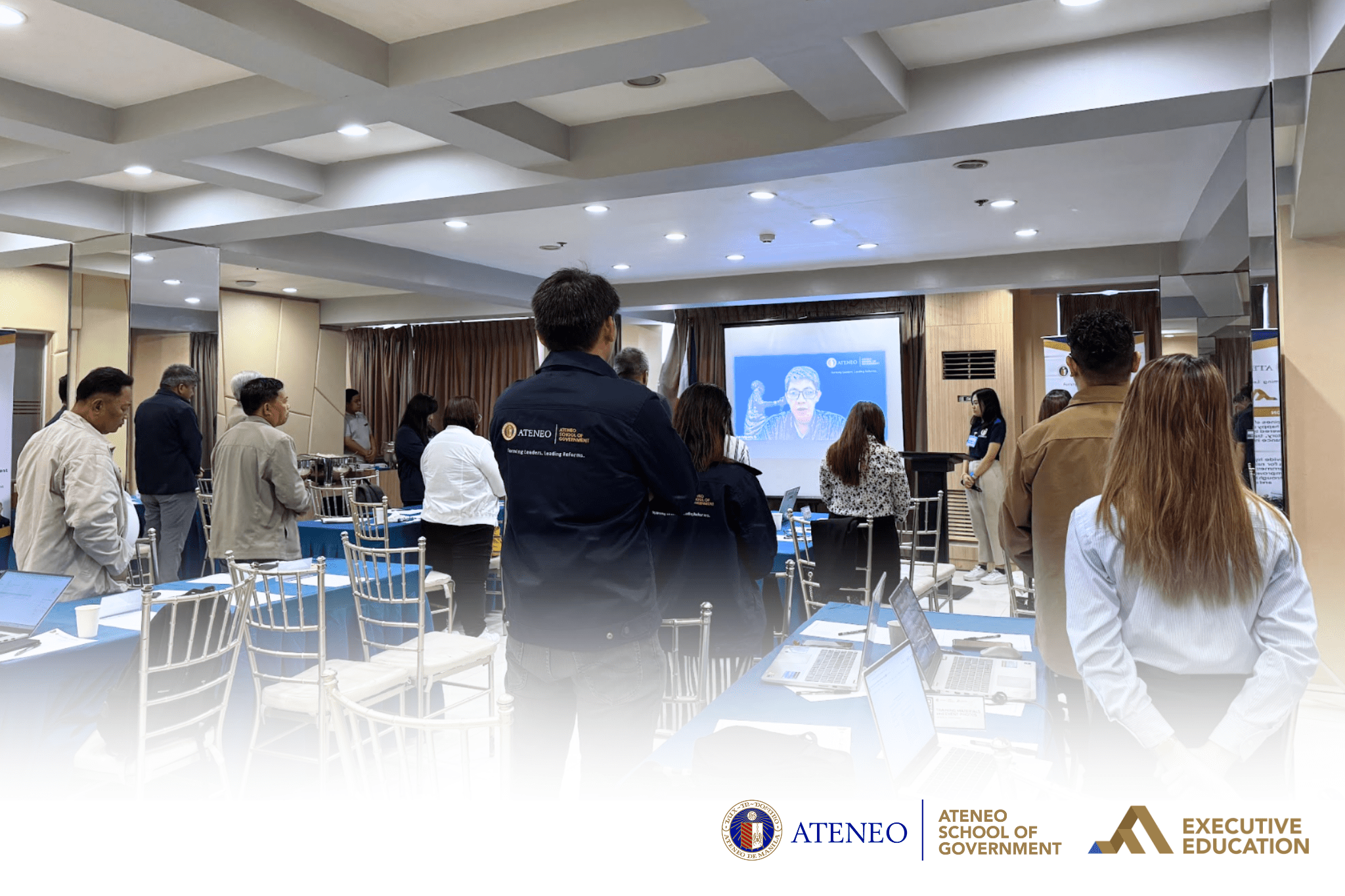 As part of the program preparation, a comprehensive Training Needs Analysis (TNA) was developed in 2024 to assess LGU readiness in implementing the RA 11285. The TNA revealed critical gaps in technical, managerial, and behavioral competencies - particularly in energy auditing, data management, local energy planning, policy development, and stakeholder engagement. Despite strong commitment and positive attitude toward this, weaknesses pointed to applied skills and institutional resources needed for effective implementation. The insights gathered informed the program’s modular design and blended learning format tailored to the unique learning needs and operational contexts of LGUs.
The 2025 Capacity-Building Program was structured around four specialized courses, each with specific objectives aligned with the law’s implementation, was enriched by expertise and real-world insights of a diverse set of resource persons from academe, government, and the development sector:
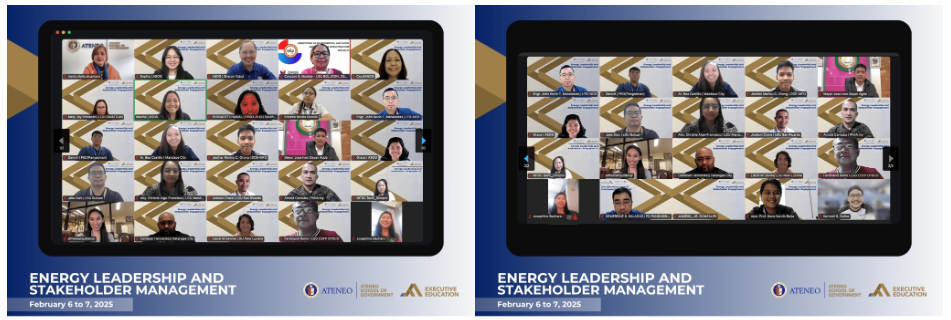
Energy Leadership and Stakeholder Engagement
6-7 February 2025, online
 This interactive 16-hour course focused on leadership strategies and stakeholder engagement approaches essential for implementing low-carbon energy transition programs. Participants strengthened their leadership capabilities to help champion sustainable energy initiatives within their imagecommunities under RA 11285. Dr Maria Ofelia Cinco Ocaña-Alcantara MD ,MPH, former Municipal Mayor of Tolosa, Leyte and current DOH consultant, led the Energy Leadership and Stakeholder Engagement sessions. With over 35 years of experience in public health and local governance, she shared concrete lessons on implementing community-based programs, drawing from her work as mayor and her collaborations with national agencies and international organizations. Having completed all energy courses under the Access to Sustainable Energy Programme–Clean Energy Living Laboratories (ASEP-CELLs) project, and with firsthand experience in initiating a renewable energy project in her municipality, Dr Alcantara’s contributions provided grounded and practical perspectives that enriched the learning experience for LGU participants.
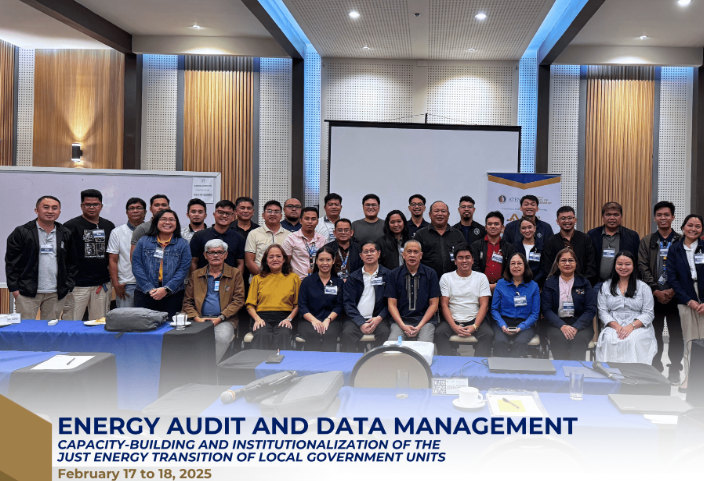
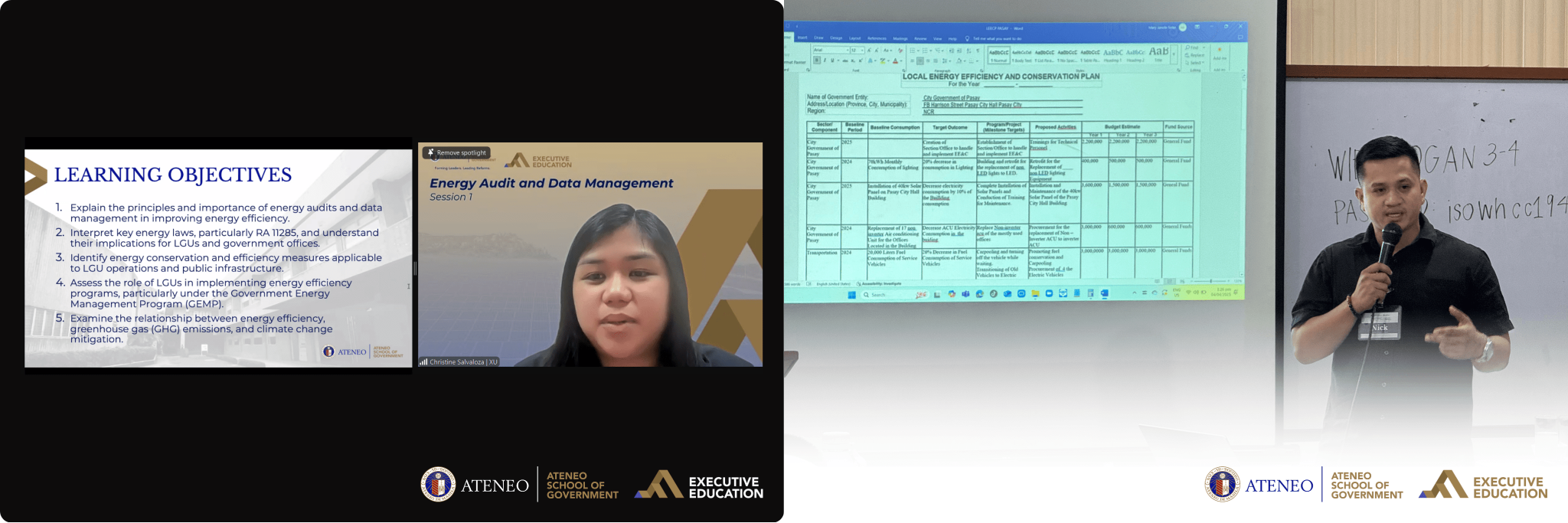
Energy Audit and Data Management
10 February 2025, online;
17-18 February 2025, Cagayan de Oro City
This course strengthened the participants’ skills to conduct effective energy audits and analyze energy data to support the implementation of energy efficiency policies. The session covered essential principles and techniques to identify efficiency improvements and reduce carbon footprints in government operations. The sessions were facilitated by Ms Cristine May Creayla Salvaloza, Department Chair of Electrical Engineering, Gunnar Mark Shane C Cabaraban, Professional Electrical Engineer and Consultant for the Department of Agriculture-Region 10 projects, and Dr Rogelio C Golez Jr, Professional Mechanical Engineer and Assistant Professor of Xavier University – Ateneo de Cagayan.
Energy Planning and Policy Development
12 February 2025, online;
19-20 February 2025, Cagayan de Oro City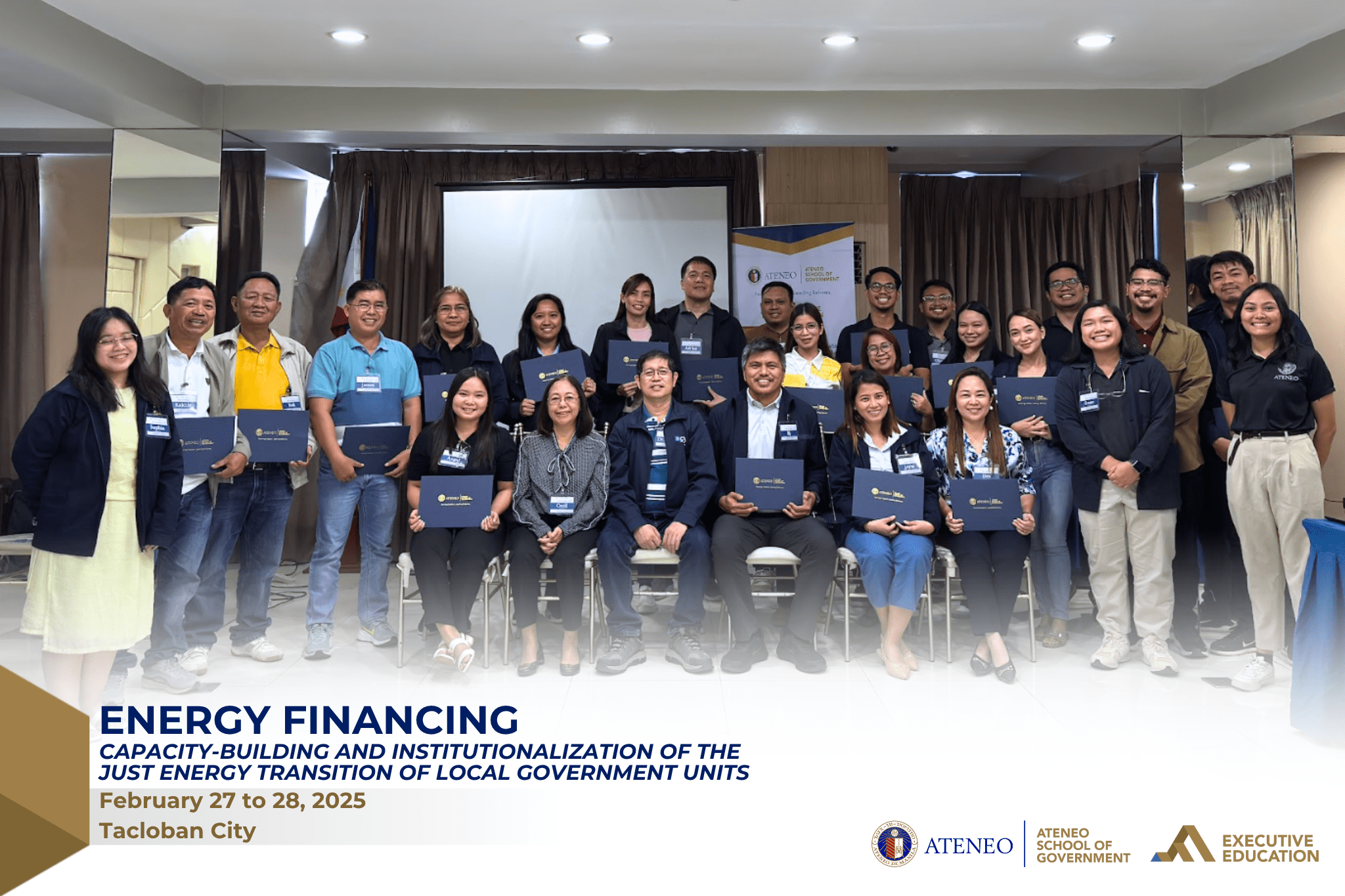
This course helped LGUs enhance their capacity to develop government energy management plans, formulate energy efficiency frameworks, and craft local energy policies in compliance with RA 11285. Participants explored principles of energy policy development, governance, and strategic planning to build more sustainable systems. Dr. Rogelio C. Golez, Jr., alongside Engr. Primo B. Revilla III, Energy Efficiency and Conservation Focal Person of the City Government of Cagayan de Oro, led the sessions on Energy Planning and Policy Development.
Energy Financing
24 February 2025, online;
27-28 February 2025, Tacloban City
This session focused on strengthening LGU capacity to access and manage funding for energy efficiency projects. Participants examined financing mechanisms, public-private partnership models, grant sourcing, and investment planning through practical exercises and peer learning. The first session on the Energy Financing course was facilitated by Mr. Arturo Tahup, Director for Community Resilience at the Institute for Climate and Sustainable Cities, and Engr. Revilla, while the in-person sessions were led by Dr. Golez with support from Engr. Cabaraban and Atty. Janet L. Dacillo from the Development Bank of the Philippines - Tacloban Lending Center.
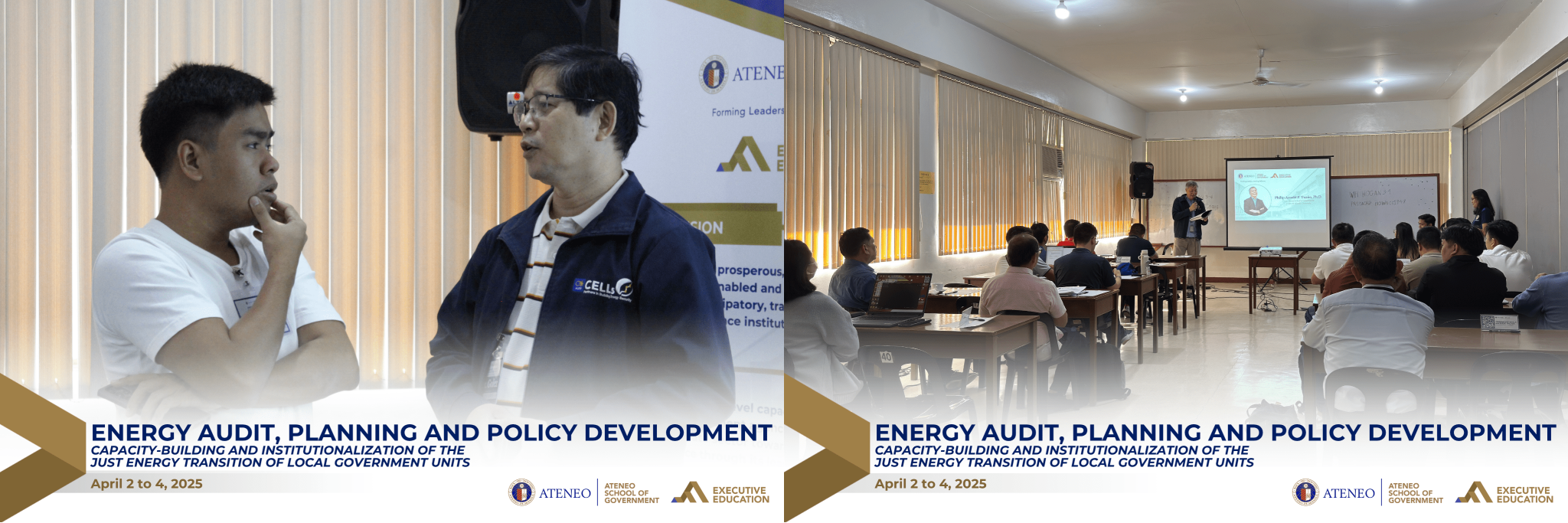
Energy Audit, Planning, and Policy Development
2-4 April 2025, Ateneo de Manila University
This final in-person module offered a comprehensive and integrated workshop covering key components of energy auditing, planning, and policy development for LGUs, reinforcing the skills built throughout the program. The sessions featured Engr. Revilla and Dr. Golez as lead resource person.
By the end of the series, LGU participants reported enhanced capabilities in energy auditing, planning, and financing—critical areas that support the national goal of achieving a fair and effective energy transition. More than just imparting technical knowledge, the program fostered leadership and collaboration among LGUs, strengthening their role in driving inclusive and sustainable energy practices in their communities.
In alignment with the Ateneo de Manila University’s Lux in Domino strategy, ASoG affirms its commitment to ecological conversion, environmental justice, and sustainable development. By empowering LGUs to lead in the just energy transition advocacy, ASoG advances the University’s mission to form leaders who are not only competent and ethical but also deeply responsive to the climate crisis and its impact on marginalized communities. This initiative reflects ADMU’s broader goal of promoting integral ecology through transformative governance and collaborative action at the local level.
Sustainable Water and Renewable Energy Initiatives
AIC prioritized access to clean resources through renewable energy integration and innovative water management.
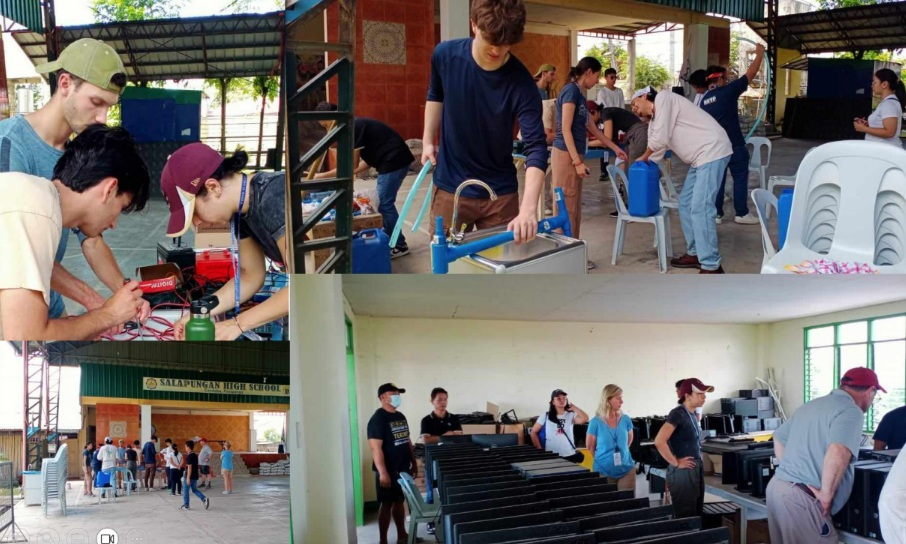
- Clean Water Systems: In partnership with Boston College, a clean water system was installed at Salapungan National High School. AIC also conducted training on solar-powered clean water technologies for Development Studies students.
- Solar Integration: Deployed a 1 kW Solar PV system at the AIC Farm in Pampanga to provide a supplemental energy source and mitigate rising electricity costs.
- Water Resource Management: Installed a 24-meter deep ground water pump with a pressure tank and implemented rainwater harvesting systems using inflatable pools.
- Advanced Sensors: Initiated experiments on DIY Dissolved Oxygen (DO) sensors designed specifically for affordable applications in poor farming communities.
Ateneo de Manila University (ADMU), in partnership with Boston College (BC), provides free community outreach and technical assistance to underserved rice farming communities through the development and deployment of clean energy and agricultural innovations. Led by the Ateneo Innovation Center (AIC), the initiative engaged rice farmers in Salapungan, Candaba, Pampanga during June and July 2024 through consultations, community visits, and the presentation of prototype solutions addressing water scarcity, golden snail infestation, and the lack of effective rice-drying methods during the rainy season. These services were provided at no cost to the partner farming community and incorporated farmers' feedback to refine the technologies for local use.
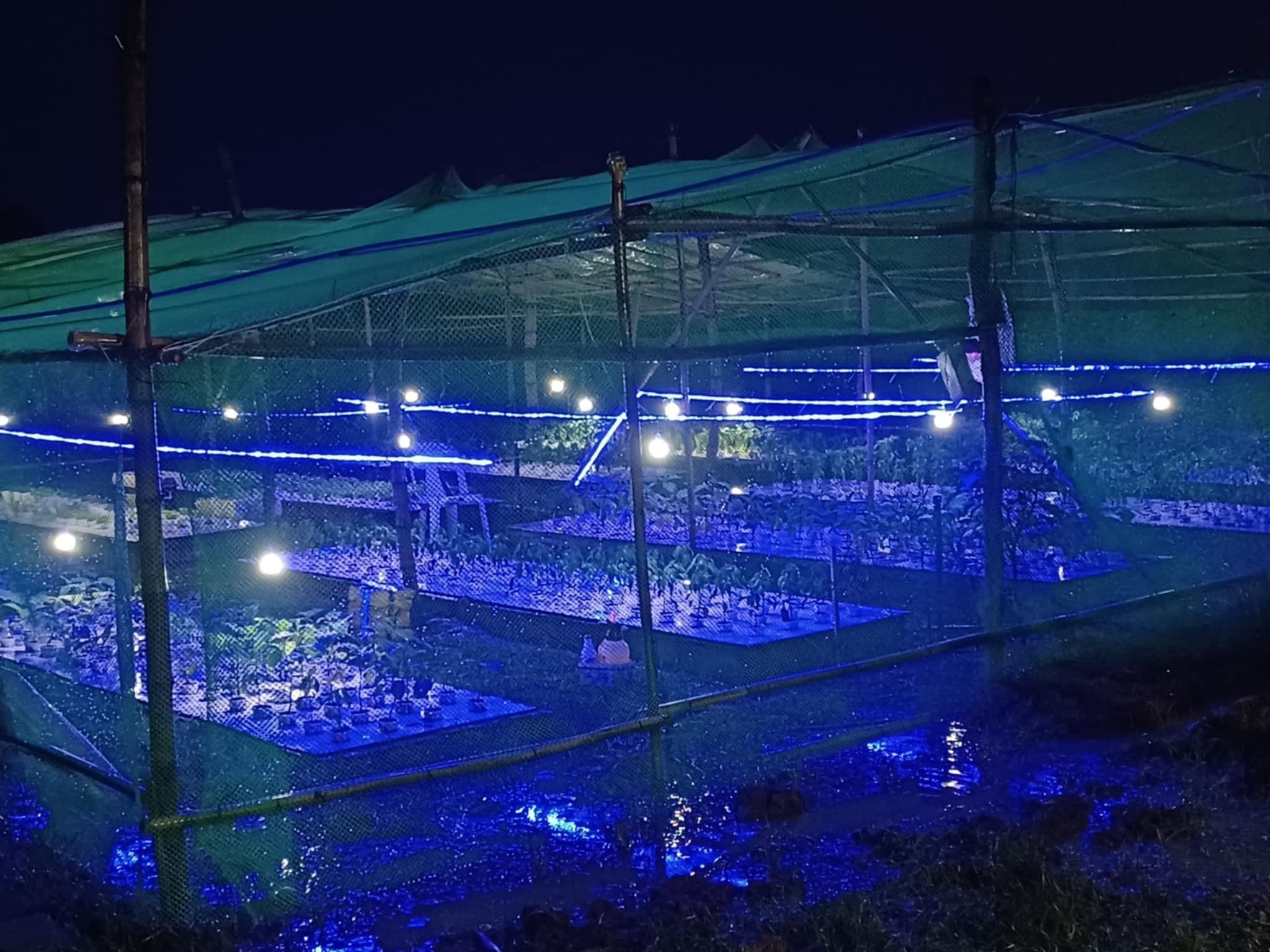
We Used Excess LED Blue Strips from the Phototherapy Light Project as Artificial Lighting for the Plants March 2025
As part of the outreach, the project introduced and installed solar-powered LED lighting systems, LED blue light strips, and solar-powered soil sensors to demonstrate practical clean energy applications in agriculture. The solar-powered technologies provide renewable energy solutions for farm operations, while the soil sensors enable more efficient irrigation and water management, helping farmers make informed decisions that conserve resources and improve productivity. These innovations promote energy efficiency, reduce reliance on conventional electricity sources, and support more sustainable farming practices.
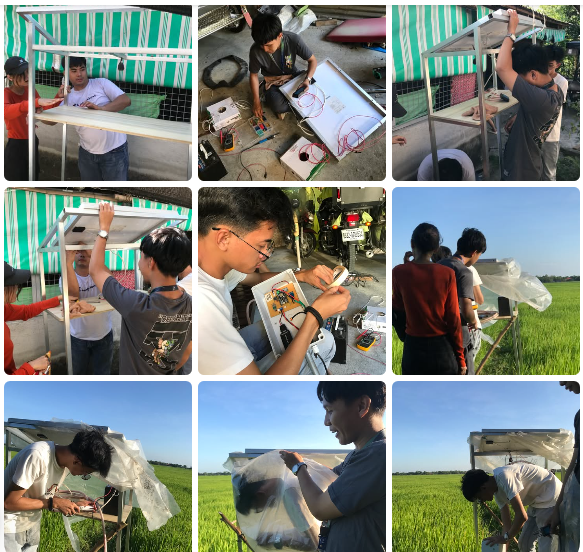
BulSU installed the AIC Solar-powered Soil Sensor in a Rice Farm in Candaba, Pampanga (March 2025)
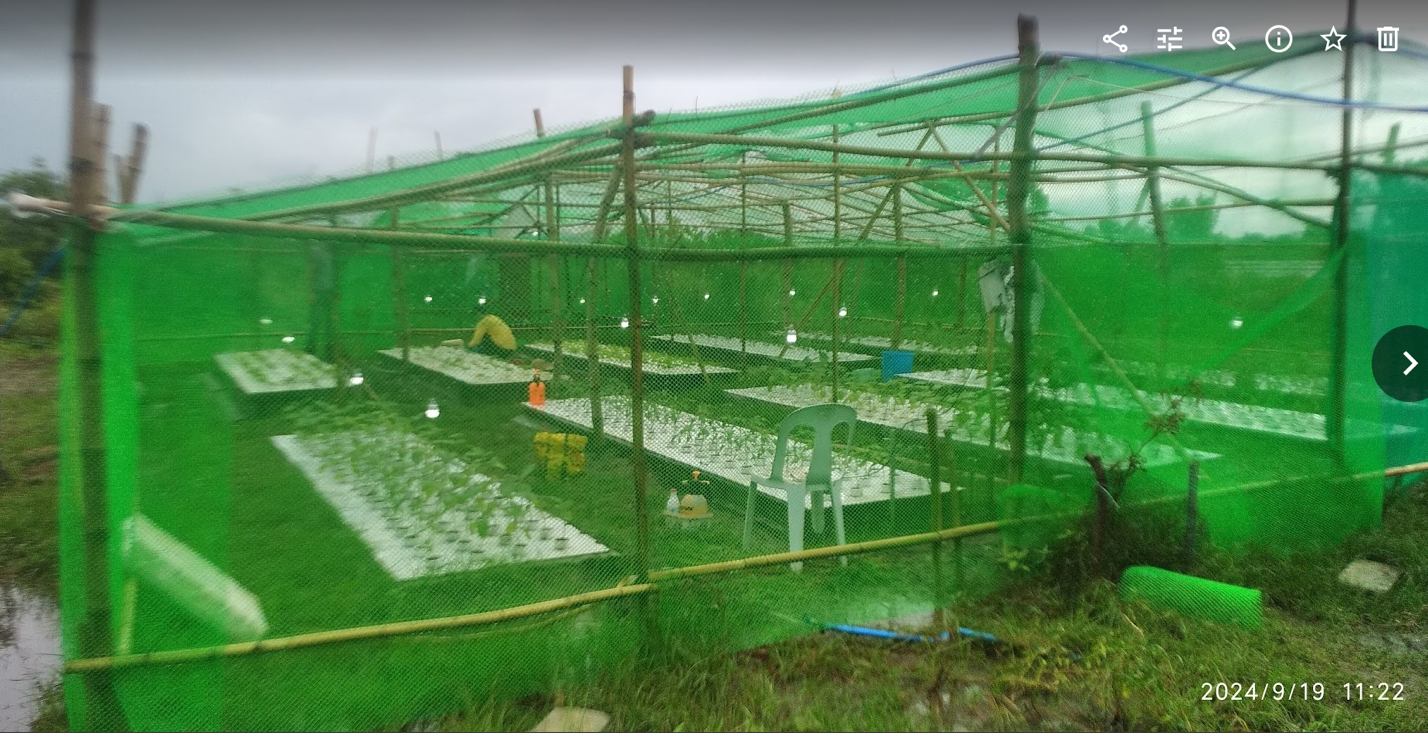
Installing Solar LED Lights as Artificial Lighting for Induced Photosynthesis (August 2024)
Boston College continues its collaboration with Ateneo by sharing additional technical expertise and practical knowledge with underserved rice farming communities in Candaba. Through sustained, community-centered engagement and the continued provision of technical assistance at no cost, the partnership aims to improve agricultural productivity, strengthen farmers' livelihoods, and enhance the long-term resilience of local farming communities.
Source
1. Powering progress: ASoG supports LGUs in championing clean energy
You may also like these articles

Growing with purpose: How Mekeni Food Corporation turns adversity into shared value
From a small backyard operation in Porac, Pampanga, to an internationally recognized food brand exporting to 25 countries, Mekeni Food Corporation's journey demonstrates how businesses

Three Ateneo-incubated startups secure DOST-PCIEERD’s startup grant fund
Last 9 November, during the opening day of Philippine Startup Week 2026, Soolok Properties Inc, Pili AdheSeal Inc, and Saltric Power (PDG Engineering Services), three

Ateneo de Manila Grade 2 students are the little Earth helpers
It was a great day for saving the world when Ateneo Institute of Sustainability (AIS) came to Ateneo Grade School to give a session on

JGSOM representatives complete green finance training in Poland, sets sights on 2027 micro-credential launch
Representatives of Ateneo de Manila University's John Gokongwei School of Management (JGSOM) completed the second phase of their Erasmus+ Green Finance international mobility activities at

JGSOM Representatives Participate in Green Finance Training at the University of Twente
Enschede, Netherlands | October 15–16, 2026 Representatives of Ateneo de Manila University's John Gokongwei School of Management (JGSOM) participated in a specialized Green Finance training

Professor Emeritus Dr Emma Porio highlights climate resilience and biodiversity at international conferences
Emma E Porio, PhD, Professor Emeritus of Ateneo de Manila University and Principal Investigator of Ateneo's Manila Observatory Center for Climate Resilience and Public Health