17.2.5 Collaboration with NGOs for SDGs
05 Nov 2024


Partnerships that Drive Sustainable Change
The University creates opportunities to share knowledge, build capacity, and develop solutions to complex challenges. These collaborations bring together diverse expertise and perspectives, while creating meaningful opportunities for students, educators, researchers, and communities to turn ideas into action. At the heart of these efforts is a shared recognition that lasting change requires strong leadership, collective responsibility, and partnerships that contribute to more resilient, inclusive, and sustainable communities.
Partnering for Stronger Local Health Systems
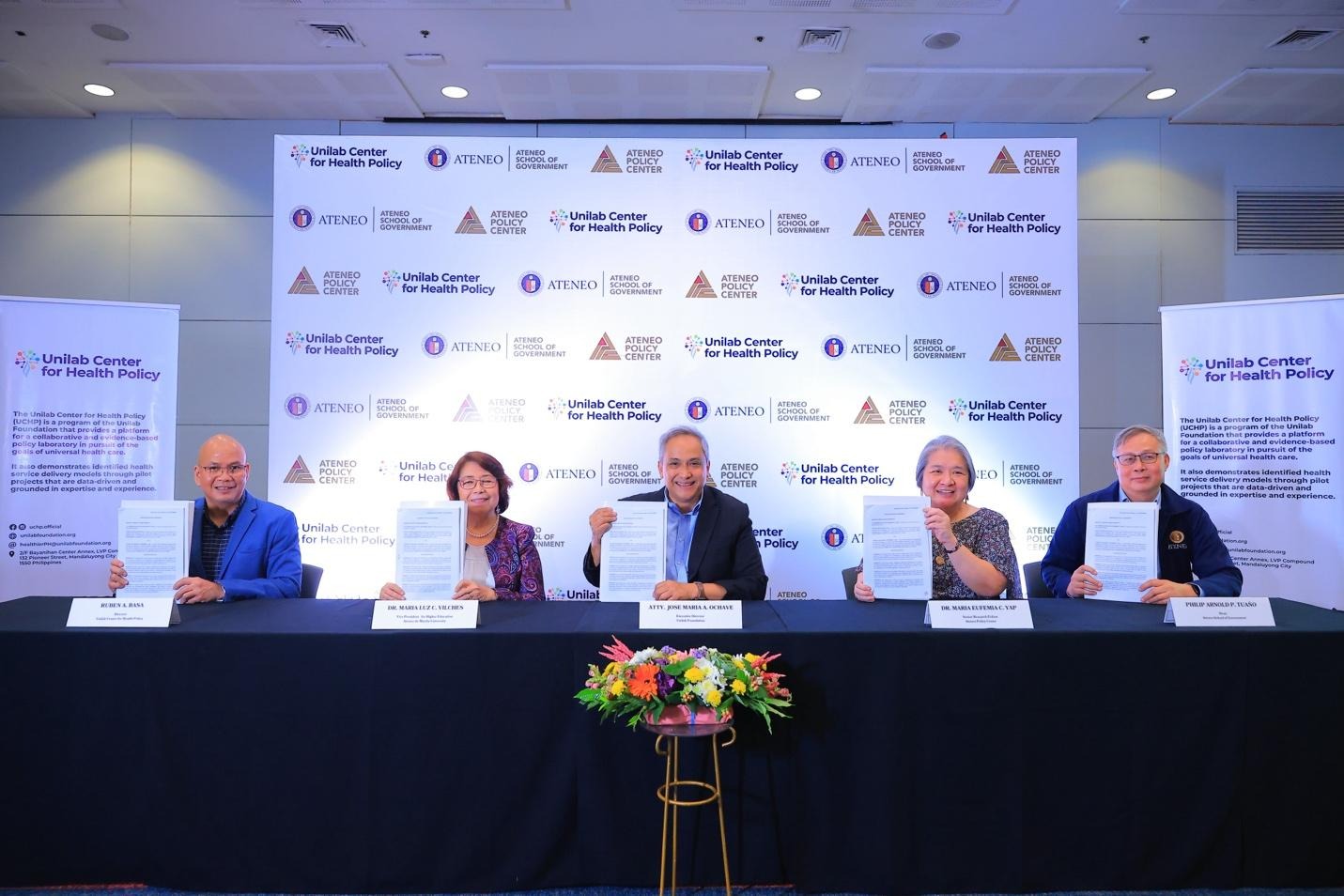
On 7 May 2025, Ateneo de Manila University, through the Ateneo School of Government, signed a Memorandum of Agreement with Unilab Foundation Inc., through the Center for Health Policy, to study and improve local government fiscal performance for health budgets. The partnership aims to strengthen local health financing systems and contribute to the shared goal of achieving universal health care.
The collaboration emphasizes the importance of building local capacity, supporting homegrown solutions, and connecting research with practical implementation. Both institutions highlighted the need to better understand local government realities and develop context-sensitive, sustainable approaches to health financing. Ateneo and Unilab Foundation’s partnership represents a commitment to bringing research closer to implementation and policy closer to communities, helping strengthen local health governance and advance a healthier and more equitable Philippines.
Making Classrooms Safer Through Chemical Safety Education
On June 11, 2024, the Ateneo School of Medicine and Public Health (ASMPH) Centre for Research and Innovation (ACRI), the EcoWaste Coalition, and the Teachers’ Dignity Coalition partnered to conduct a seminar on chemical safety at Caloocan High School. The activity brought together approximately 100 elementary and high school teachers and school leaders to identify potential chemical hazards in classrooms and develop educational resources to help students understand and avoid exposure to harmful substances.
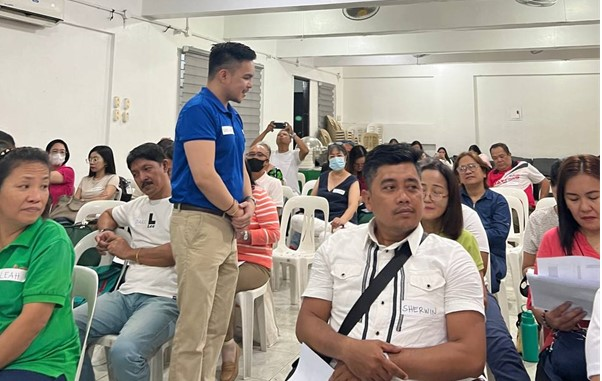
During the plenary lecture, Dr. Geminn Louis C. Apostol, ACRI’s Environmental Health Flagship Program Head, discussed common environmental toxicants that students may encounter in classrooms. He explained their potential health effects, how teachers can recognize these hazards, and practical measures to reduce exposure. Manny Calonzo, convener of the EcoWaste Coalition, also discussed the safety of tarpaulins, registered crayons, and colored markers, highlighting concerns about toxic heavy metals, including cadmium, in certain plastic materials and unregulated school supplies.
Following the lectures, teachers worked in facilitated breakout groups to share concerns about their own classrooms and systematically identify possible chemical hazards in school environments. ACRI facilitators included project manager Ms. Anna Enriquez, Dr. Percival Lao, Dr. Sary Valenzuela, Ms. Noelle Cubacub, and research fellow Ms. Maduretno Asvinigita, who participated through the Southeast Asian One Health Network (SEAOHUN).
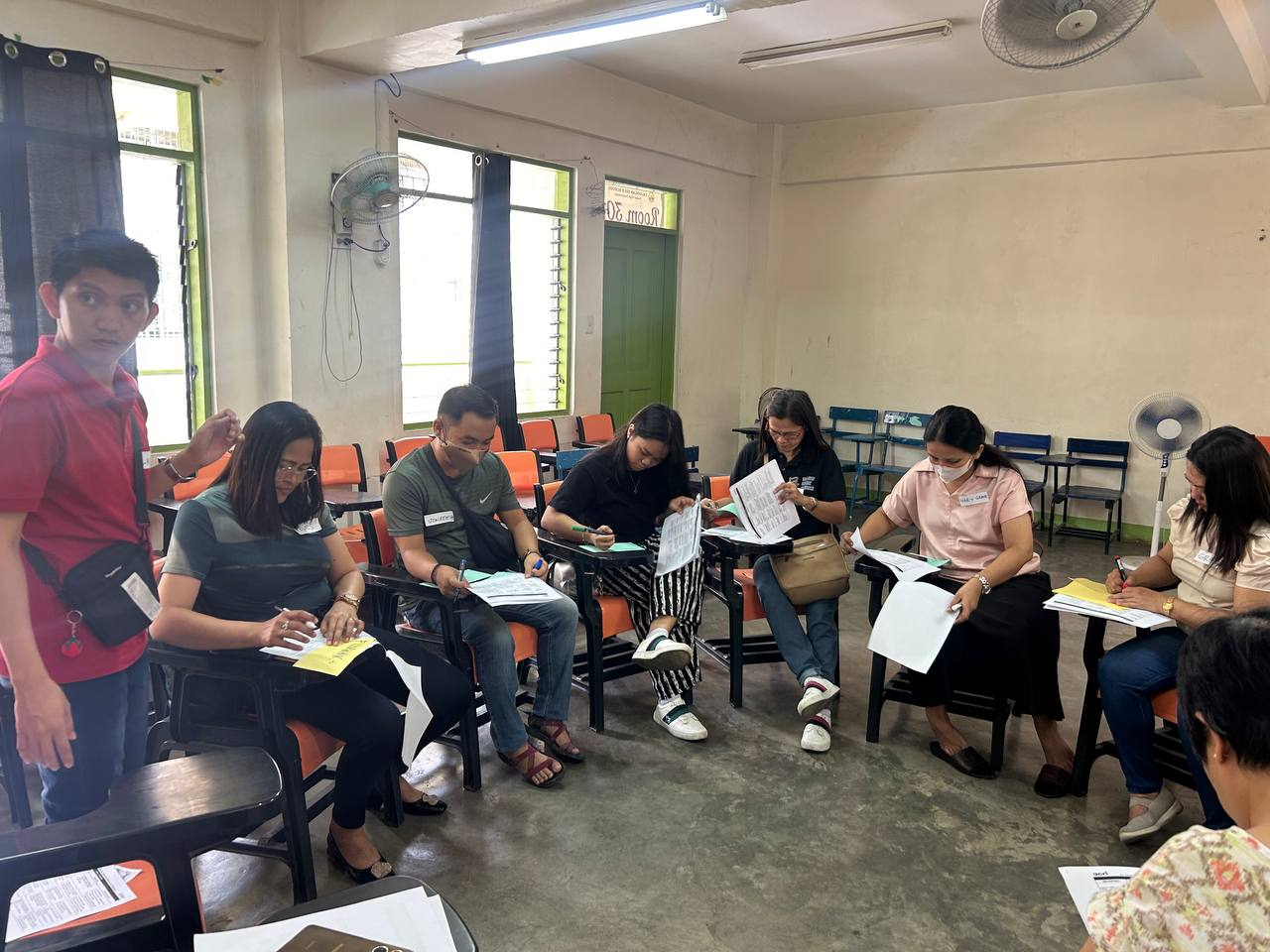
The teachers then developed creative learning materials to raise chemical safety awareness among their students. Their outputs included songs and posters, while discussions also introduced the expanded 6Rs—Rethink, Refuse, Reduce, Reuse, Recycle, and Repair—as a way to encourage safer and more responsible choices.
A key outcome of the seminar was the development of an educator’s guide to help teachers create learning materials on identifying chemical hazards in the classroom. Through this continuing partnership, ACRI and the EcoWaste Coalition are equipping educators with practical resources to recognize risks in everyday school supplies and maintenance products, promote safer classroom practices, and help protect children’s health.
Working Together for Pawikan Conservation
Sea turtles are an important part of marine ecosystems, yet they continue to face threats from habitat loss, pollution, human activities, and other pressures on coastal environments. Protecting these species requires not only conservation efforts on the ground, but also greater public understanding and participation. Recognizing the value of collaboration, the Ateneo Environmental Science Society (AESS) partnered in February 2025 with the Pawikan Conservation Center (PCC) through Pawikan Do It Together!—an initiative that brings students and conservation practitioners together to strengthen sea turtle conservation.
The project focuses on addressing some of the challenges faced by conservation organizations, particularly in expanding public engagement, strengthening monitoring, and making conservation knowledge more accessible. AESS and PCC are working together to develop educational materials, citizen science opportunities, and monitoring protocols that can support the Center’s ongoing conservation efforts while encouraging more people to take an active role in protecting sea turtles.
At the heart of the initiative is the belief that conservation becomes more effective when people understand their role in it. Through interactive exhibits, educational talks, and hands-on activities, Pawikan Do It Together! creates opportunities for students and members of the Ateneo community to learn about sea turtles, the threats they face, and the importance of protecting their habitats. Rather than limiting conservation to a discussion in the classroom, the project encourages participants to engage directly with conservation activities and contribute to broader efforts. The collaboration also provides students with an opportunity to apply their knowledge and skills to a real-world environmental challenge.
Ultimately, Pawikan Do It Together! demonstrates the value of NGO-student partnerships in advancing environmental conservation. By combining the expertise and experience of PCC with the energy, creativity, and learning of AESS students, the initiative seeks to strengthen conservation efforts while inspiring a wider community of environmental stewards.
Sources:
1. Partnering for Stronger Local Health Systems
2. Working Together for Pawikan Conservation
3. Making Classrooms Safer through Chemical Safety Education
Recent News
You may also like these articles

Growing with purpose: How Mekeni Food Corporation turns adversity into shared value
From a small backyard operation in Porac, Pampanga, to an internationally recognized food brand exporting to 25 countries, Mekeni Food Corporation's journey demonstrates how businesses

Three Ateneo-incubated startups secure DOST-PCIEERD’s startup grant fund
Last 9 November, during the opening day of Philippine Startup Week 2026, Soolok Properties Inc, Pili AdheSeal Inc, and Saltric Power (PDG Engineering Services), three

Ateneo de Manila Grade 2 students are the little Earth helpers
It was a great day for saving the world when Ateneo Institute of Sustainability (AIS) came to Ateneo Grade School to give a session on

JGSOM representatives complete green finance training in Poland, sets sights on 2027 micro-credential launch
Representatives of Ateneo de Manila University's John Gokongwei School of Management (JGSOM) completed the second phase of their Erasmus+ Green Finance international mobility activities at

JGSOM Representatives Participate in Green Finance Training at the University of Twente
Enschede, Netherlands | October 15–16, 2026 Representatives of Ateneo de Manila University's John Gokongwei School of Management (JGSOM) participated in a specialized Green Finance training

Professor Emeritus Dr Emma Porio highlights climate resilience and biodiversity at international conferences
Emma E Porio, PhD, Professor Emeritus of Ateneo de Manila University and Principal Investigator of Ateneo's Manila Observatory Center for Climate Resilience and Public Health