3.3.1 Current Collaborations with Health Institutions
28 Jun 2024


Advancing Health Systems Through Innovation and Partnerships
Ateneo de Manila University advances equitable and resilient health systems through research, innovation, professional development, and strategic partnerships that strengthen healthcare delivery at the local, national, and global levels. Across its schools, research centers, and partner institutions, the University develops future health leaders, supports evidence-based policymaking, promotes digital health innovation, expands community-based mental health services, and collaborates with government agencies, communities, healthcare institutions, and international organizations to improve health outcomes. The following sections highlight selected initiatives that demonstrate Ateneo's contributions to strengthening health systems through local community engagement, national capacity-building and policy partnerships, and global academic and research collaborations, advancing the implementation of the Universal Health Care (UHC) Act and the Sustainable Development Goals (SDGs).
Strengthening Local Health Systems through Community Partnerships
Ateneo de Manila University works closely with local governments, healthcare providers, and communities to strengthen health systems and improve access to quality healthcare. Through community-based training, applied research, and digital innovation, the University develops solutions that address local health needs while supporting the implementation of Universal Health Care.
One example is the Design Thinking Workshop conducted by the Ateneo Policy Center from 31 March to 2 April 2025 in Odiongan, Romblon, as part of the Maximizing Local Government Fiscal Performance of Health Budget Project, funded in collaboration with the Unilab Center for Health Policy. The workshop aimed to strengthen local health budgeting and public financial management by equipping stakeholders with human-centered, evidence-based approaches to identifying and addressing health financing challenges.
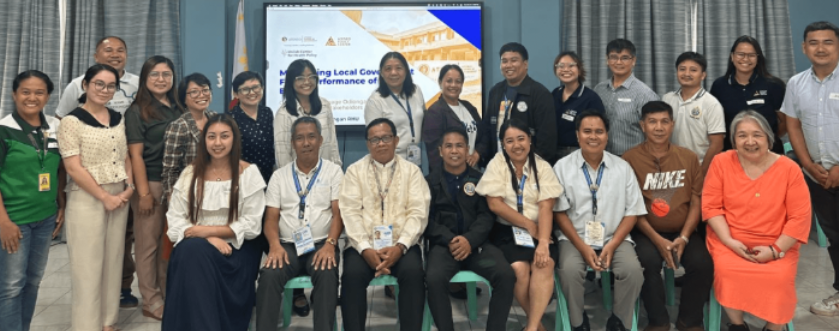
It brought together representatives from the Odiongan Local Government Unit, Rural Health Unit, Romblon State University, the Provincial Department of Health Office, and PhilHealth Romblon to map existing budget processes, analyze stakeholder roles, and co-create practical solutions for improving local health spending. By fostering cross-sector collaboration and innovation, the workshop enhanced the capacity of local institutions to allocate health resources more effectively, supporting the implementation of the Universal Health Care Law and contributing to more responsive, equitable, and sustainable healthcare financing at the local level.
In 2024, the Dr. Rosita G. Leong Primary Healthcare Hub (RGL PH Hub) expanded the DaMDamin Program to two cohorts involving 30 medical students and young physicians from the Ateneo de Manila School of Medicine and Public Health (ASMPH) and partner medical schools.
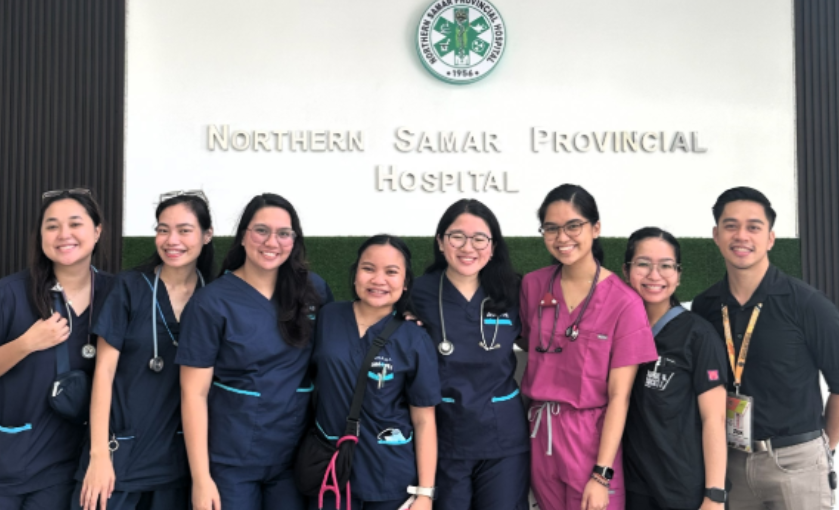
Through a ten-day community immersion in Northern Samar, participants worked alongside Rural Health Units, partner hospitals, and local communities to gain firsthand experience in primary healthcare delivery, community engagement, and the implementation of the Universal Health Care (UHC) Law. The program was designed to deepen participants' understanding of the social determinants of health, cultivate empathy and community-oriented leadership, and strengthen competencies in delivering responsive, people-centered care. By exposing future healthcare professionals to the realities of underserved communities and fostering collaboration with local health systems, the initiative contributes to developing a more socially accountable health workforce committed to advancing equitable and accessible healthcare in the Philippines.
Ateneo further contributes to local health innovation through the eTriage for Social Inclusion: Navigating Out of Vulnerability Situations (eTSI NOVuS) project, implemented in partnership with the British Embassy Manila and the Pasig City Government. The initiative aims to develop and evaluate interoperable digital health tools that improve patient identification, referral, care coordination, and follow-up, particularly for vulnerable and underserved populations. By integrating data across healthcare providers and local government systems, the project seeks to enhance the efficiency, continuity, and inclusiveness of primary healthcare delivery while supporting evidence-based decision-making. Through this collaboration, Ateneo advances digital health innovation that strengthens local health governance, improves access to essential health services, and contributes to more responsive, equitable, and resilient community healthcare systems.
Advancing National Health Systems Through Research, Leadership, and Multi-Sector Partnerships
Beyond local communities, Ateneo contributes to strengthening the Philippine health system through professional education, policy development, mental health innovation, and partnerships with national government agencies and development organizations.
The Ateneo School of Government, in partnership with the Department of Health, concluded the Master in Public Management–Health Governance (MPM-HG) Cohort 2023C through a Health Hackathon and Mentoring Program Capstone held from 18–22 February and 25 February–1 March 2025.
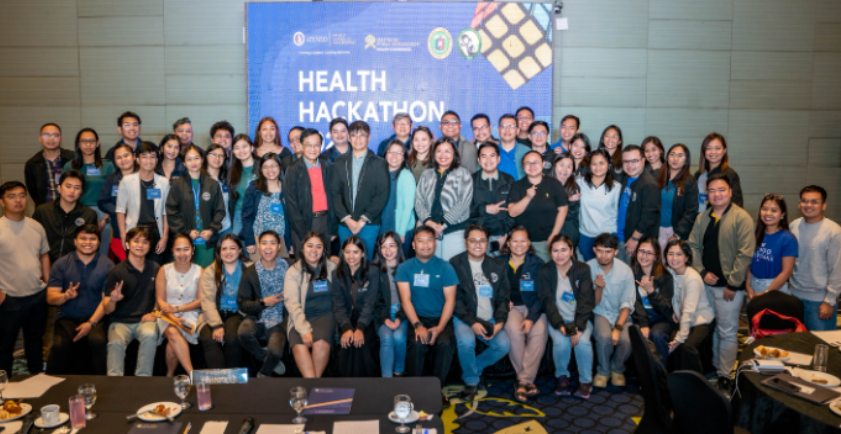
The culminating activity brought together 106 participants, including Doctors to the Barrios Batch 39, with 22 interdisciplinary teams developing innovative, evidence-based solutions to pressing public health challenges in underserved communities. Guided by mentors from government, academia, and the health sector, participants applied human-centered design, systems thinking, and policy analysis to transform local health issues into actionable interventions. The program strengthened participants' leadership, strategic management, and health governance competencies while fostering collaboration and innovation to support more responsive, equitable, and sustainable local health systems in line with the goals of Universal Health Care.
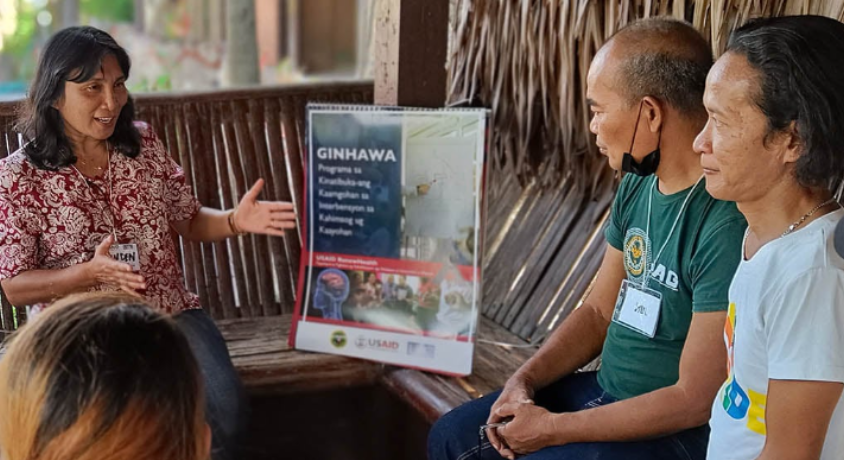
Ateneo also played a key role in the USAID RenewHealth Project, a five-year initiative implemented from 2019 to 2024 in partnership with the Department of Health, Dangerous Drugs Board, Department of the Interior and Local Government, Department of Social Welfare and Development, Bureau of Jail Management and Penology, and local government units. The project aimed to strengthen community-based drug rehabilitation by integrating evidence-based prevention, treatment, recovery, and mental health services into local health systems. Through technical assistance, capacity building, and multisectoral collaboration, RenewHealth reached more than 787,000 individuals, trained over 3,100 service providers, enrolled more than 46,000 clients in community-based treatment programs, and developed innovations such as the Lusog-Isip mental health platform and the SBIRT (Screening, Brief Intervention, and Referral to Treatment) toolkit. By improving local service delivery and institutional capacity, the project advanced more accessible, person-centered, and sustainable rehabilitation services across the Philippines. Its innovative systems-strengthening approach was internationally recognized as a winner of the 2023 USAID Health Systems Strengthening Case Competition, highlighting its significant contribution to public health and local governance.
As part of the USAID RenewHealth Project, Ateneo researchers developed Katatagan Plus, an evidence-based psychosocial intervention designed to strengthen resilience, emotional regulation, problem-solving, and help-seeking behaviors among individuals experiencing psychological distress. Delivered by trained non-specialist facilitators, the program expands access to quality mental health support in communities where mental health professionals are limited, making it a scalable and sustainable approach to community-based care. Pilot implementation among college students demonstrated improvements in overall wellbeing and resilience, along with reduced symptoms of depression, supporting its effectiveness as an early mental health intervention. Ateneo's contributions to advancing community mental health and strengthening community-based drug rehabilitation were further recognized during the Our Shared Journey event on 28 June 2024, which celebrated the achievements and lasting impact of the RenewHealth Project in promoting recovery-oriented, person-centered, and evidence-informed health services across the Philippines.
Expanding Global and Regional Health Partnerships
Ateneo complements its local and national initiatives by strengthening regional and international collaborations that advance health promotion, medical education, research, and family wellbeing.
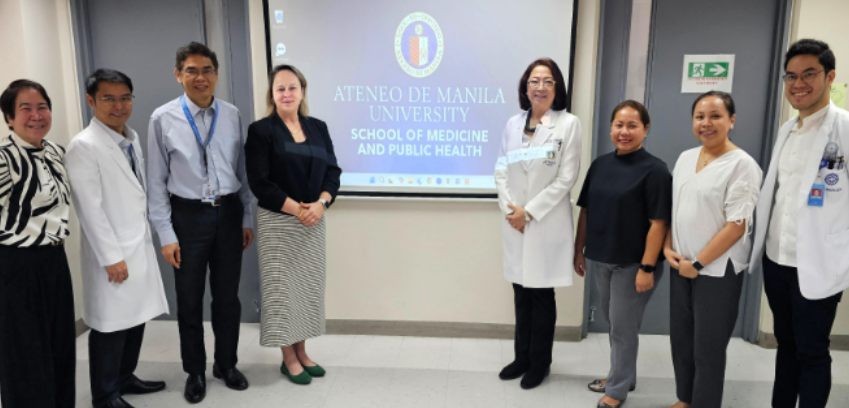
The Ateneo School of Medicine and Public Health (ASMPH) on December 10, 2024, hosted representatives from the University of Toronto to explore opportunities for strategic collaboration in medical education, research, and community health. The discussions focused on establishing partnerships in joint research, faculty and student exchanges, and collaborative initiatives in community health innovation, occupational health, rehabilitation medicine, and the implementation of Universal Health Care (UHC). By identifying shared research priorities and opportunities for academic exchange, the engagement laid the groundwork for long-term international collaboration that will strengthen research capacity, promote knowledge sharing and innovation, and enhance the training of future healthcare professionals. These partnerships support the development of evidence-based solutions to emerging health challenges while advancing equitable, high-quality healthcare in both local and global contexts.
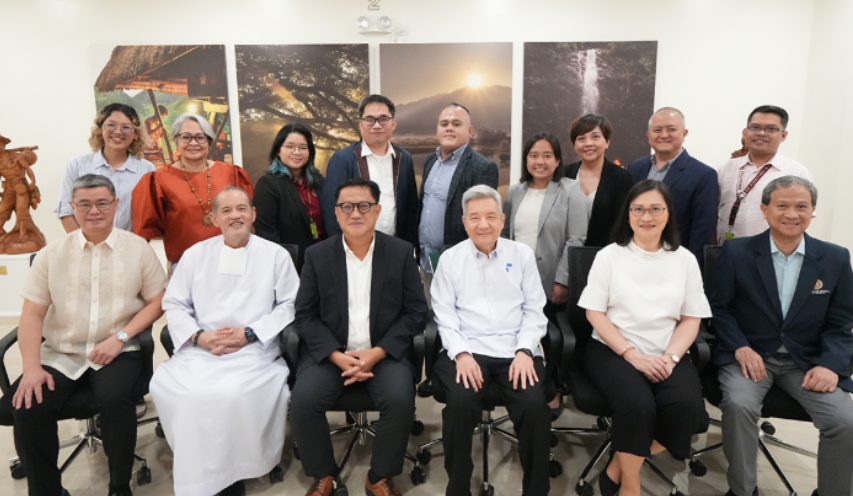
Ateneo, in partnership with De La Salle University and the University of the Philippines, co-hosted the 4th ASEAN University Network–Health Promotion Network (AUN-HPN) International Health Promotion Conference on October 21, 2025, bringing together universities, policymakers, researchers, healthcare professionals, and development partners from across Southeast Asia. Centered on advancing health promotion in higher education and communities, the conference provided a platform for sharing research, best practices, and innovative strategies that address emerging public health challenges and support the Sustainable Development Goals. By fostering regional collaboration and interdisciplinary dialogue, the event strengthened partnerships among ASEAN institutions, promoted evidence-based policies and health promotion initiatives, and reinforced the role of universities as catalysts for equitable, resilient, and sustainable health systems across the region.
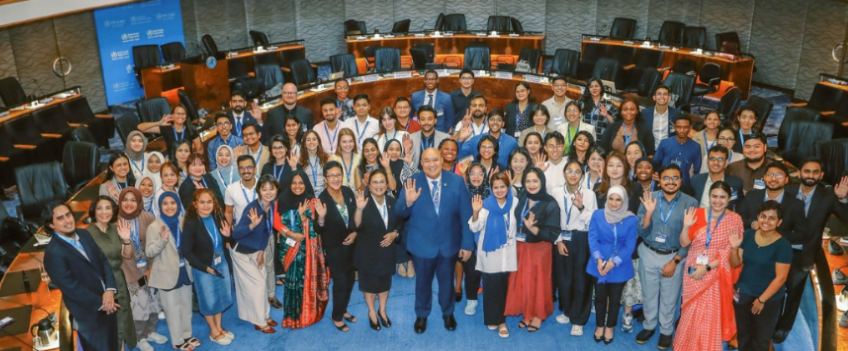
Ateneo de Manila University further strengthens its contribution to global public health through the participation of the Ateneo School of Government's (ASOG) Tobacco Control and Governance team in international leadership and policy development initiatives. From July 29 to August 2, 2024, Alen Josef A. Santiago, Program Manager, and Samantha Joan Ackary, Research and Project Assistant, represented ASOG's Ateneo Policy Center in the Ascend: Leadership Development for the Future of Tobacco Control program, organized by the Institute for Global Tobacco Control at the Johns Hopkins Bloomberg School of Public Health. Designed to cultivate emerging tobacco control leaders from low- and middle-income countries (LMICs), the program brought together more than 60 participants from countries including Bangladesh, Indonesia, China, Argentina, Pakistan, Jordan, Vietnam, Brazil, Nigeria, Mexico, India, and the Philippines to strengthen leadership capacity and foster international collaboration in addressing the global burden of tobacco-related disease.
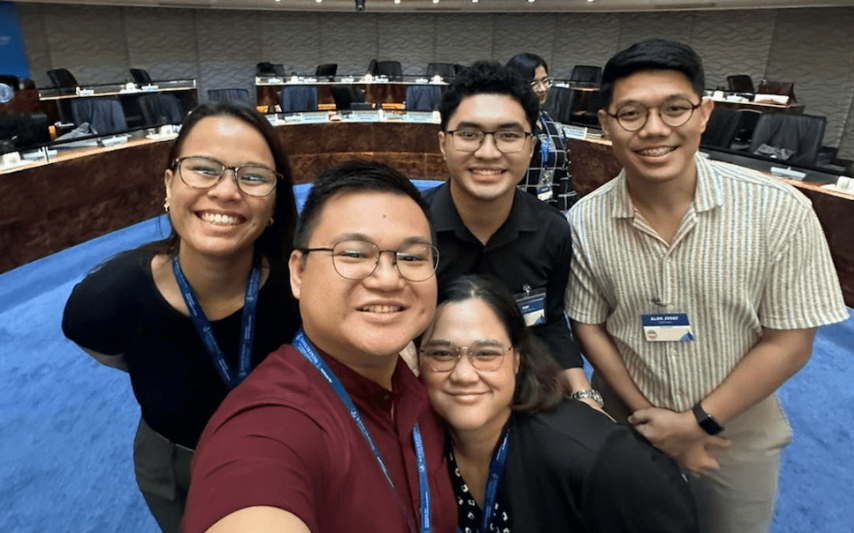
The program emphasized leadership development, collaborative problem-solving, and evidence-informed policymaking. Participants developed strategic visions for tobacco control, examined policy constraints affecting their respective countries, and explored regional action plans during a learning visit to the World Health Organization – Western Pacific Regional Office (WHO-WPRO) in Manila. ASOG's Alen Josef A. Santiago also contributed as a resource speaker alongside Dr. Susan Mercado of WHO-WPRO, sharing insights on translating research and evidence into effective public policy.
Sources:
1. Ateneo Policy Center Holds Design Thinking Workshop to Strengthen Local Health Budgeting in Romblon
2. DaMDamin Expands Rural Health Immersion for Future Healthcare Leaders
3. Ateneo Advances Digital Innovation for Inclusive Health Services in Pasig
4. Ateneo School of Government Concludes MPM-Health Governance Program with Health Hackathon
5. USAID RenewHealth Expands Community-Based Drug Rehabilitation Across the Philippines
6. Katatagan Plus Strengthens Community-Based Mental Health Support
7. Ateneo Recognized for Partnership in Community-Based Mental Health
8. ASMPH Explores Academic Partnership with the University of Toronto
9. Ateneo, DLSU, and UP to Host ASEAN Health Promotion Conference
Recent News
You may also like these articles

Growing with purpose: How Mekeni Food Corporation turns adversity into shared value
From a small backyard operation in Porac, Pampanga, to an internationally recognized food brand exporting to 25 countries, Mekeni Food Corporation's journey demonstrates how businesses

Three Ateneo-incubated startups secure DOST-PCIEERD’s startup grant fund
Last 9 November, during the opening day of Philippine Startup Week 2026, Soolok Properties Inc, Pili AdheSeal Inc, and Saltric Power (PDG Engineering Services), three

Ateneo de Manila Grade 2 students are the little Earth helpers
It was a great day for saving the world when Ateneo Institute of Sustainability (AIS) came to Ateneo Grade School to give a session on
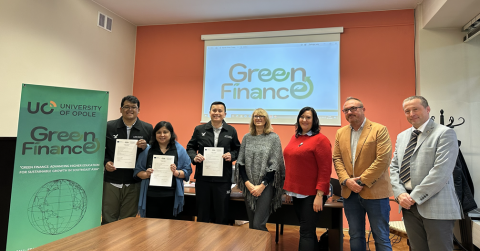
JGSOM representatives complete green finance training in Poland, sets sights on 2027 micro-credential launch
Representatives of Ateneo de Manila University's John Gokongwei School of Management (JGSOM) completed the second phase of their Erasmus+ Green Finance international mobility activities at
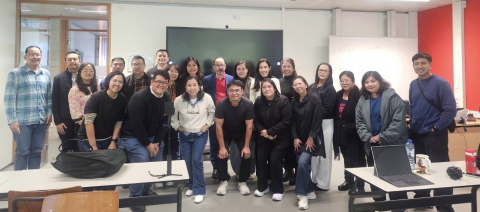
JGSOM Representatives Participate in Green Finance Training at the University of Twente
Enschede, Netherlands | October 15–16, 2026 Representatives of Ateneo de Manila University's John Gokongwei School of Management (JGSOM) participated in a specialized Green Finance training

Professor Emeritus Dr Emma Porio highlights climate resilience and biodiversity at international conferences
Emma E Porio, PhD, Professor Emeritus of Ateneo de Manila University and Principal Investigator of Ateneo's Manila Observatory Center for Climate Resilience and Public Health