1.4.3 Programmes for Services Access
01 Jun 2024


Ateneo Comprehensive University Initiatives for Universal Basic Services Access in Health, Housing, and Technology
Ateneo de Manila University, through its multi-sectoral research centers, outreach programs, and policy partnerships, actively organizes and executes comprehensive programs designed to improve community access to basic services. Guided by a commitment to social justice, sustainable development, and multi-stakeholder collaboration, the university deploys direct interventions and indirect support frameworks across key multidimensional poverty domains. These initiatives address health and nutrition, low-cost housing, clean energy, drinking water, and technological resilience.
Community Housing, Sanitation, and Infrastructure Development
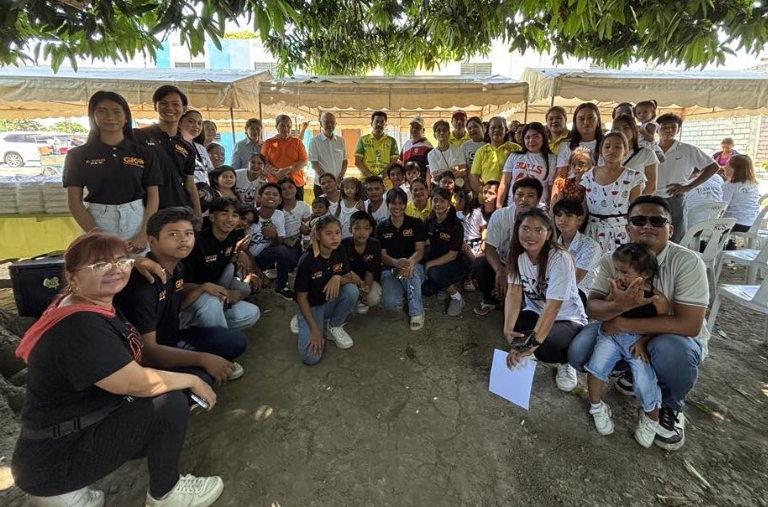
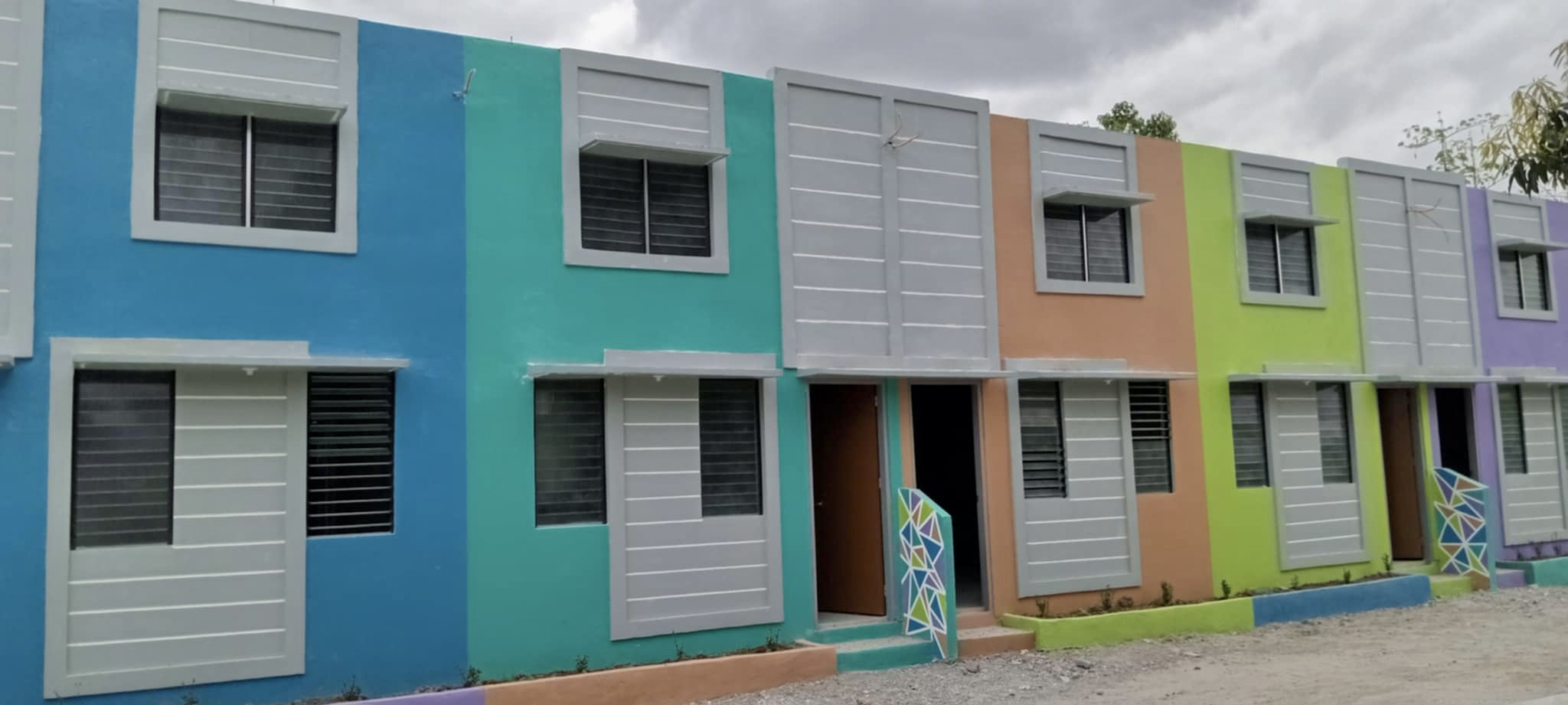
Ateneo de Manila University directly organizes and delivers community-level infrastructure programs to improve basic living standards, housing, and sanitation for underprivileged populations. Through a long-standing partnership with Gawad Kalinga (GK), the university supported the transition from vision to reality with the ceremonial turnover of 10 new disaster-resilient homes on April 12, 2025, in German Village, GK Kalikasan, Cabiao, Nueva Ecija. Executed as a direct, fully grant-funded, and open-access community development initiative, the program provided vulnerable families with secure shelter, improved sanitation facilities, and basic utility connections without cost-recovery obligations on beneficiaries. By integrating sustainable land-use design and community-based disaster risk reduction strategies, this outreach directly addresses severe housing deficits, reduces environmental vulnerability, and secures long-term residential stability for rural families.
Agricultural Resilience, Health, and Nutrition Security

Addressing critical health, nutrition, and child mortality dimensions, the university leads high-impact interdisciplinary programs aimed at securing sustainable food systems and rural health. Under the national research framework "Farms, food, and the Filipino future: Building nutrition from the ground up" published and launched on October 16, 2023—Ateneo academic teams collaborate directly with local government units, agricultural cooperatives, and non-profit organizations to deploy capacity-building modules for smallholder farmers and municipal health officers. Executed through a hybrid model combining directly delivered university workshops and indirect technical support for local government policy formulation, the initiative provides open-access training on climate-resilient farming, biofortified crop production, and community-level nutritional intervention design. These grant-backed, fee-free programs enhance local agricultural productivity, elevate rural household incomes, and lower child malnutrition rates by establishing stable, nutrient-dense food supply chains across partner rural municipalities.
Clean Energy, Safe Water, and Off-Grid Infrastructure
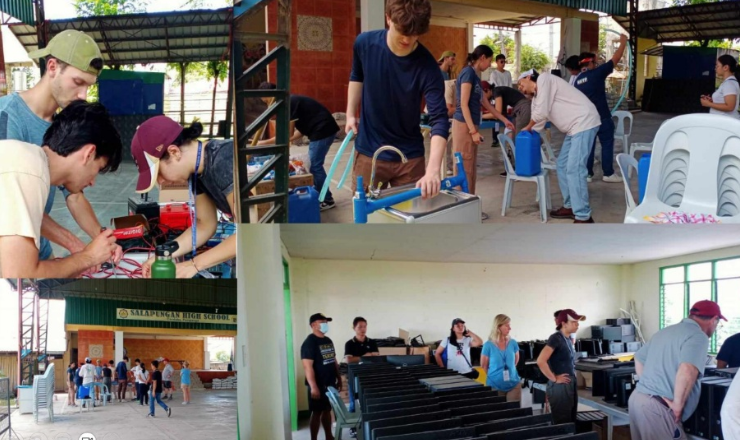
During Academic Year 2024–2025 (June 2024–May 2025), the Ateneo Innovation Center (AIC) executed community-focused technological initiatives to deliver clean energy, potable water, and off-grid infrastructure to underserved communities. Operating a hybrid service model featuring direct field hardware deployments and indirect technical training, AIC collaborated with global partners like Boston College to install solar-powered clean water filtration systems at Salapungan National High School and implement rainwater harvesting systems using groundwater pumps and pressure tanks. Simultaneously, the center deployed a 1 kW solar PV system at its Candaba farm to support low-cost smart agriculture (SHIELDS Program) and integrated IoT aeroponics/aquaponics systems at Tagulod High School to turn local spaces into food production hubs. All hardware, technical designs, and capacity-building workshops were delivered under grant-funded, non-commercial parameters, providing rural residents, students, and municipal operators with fee-free access to safe drinking water, clean electricity, and climate-smart agricultural tools.
Sources:
1. Farms, food, and the Filipino future: Building nutrition from the ground up
2. From vision to reality: 10 new homes turned over in German Village, GK Kalikasan, Cabiao, Nueva Ecija
3. Ateneo Innovation Center | Welcome
You may also like these articles

Growing with purpose: How Mekeni Food Corporation turns adversity into shared value
From a small backyard operation in Porac, Pampanga, to an internationally recognized food brand exporting to 25 countries, Mekeni Food Corporation's journey demonstrates how businesses

Three Ateneo-incubated startups secure DOST-PCIEERD’s startup grant fund
Last 9 November, during the opening day of Philippine Startup Week 2026, Soolok Properties Inc, Pili AdheSeal Inc, and Saltric Power (PDG Engineering Services), three
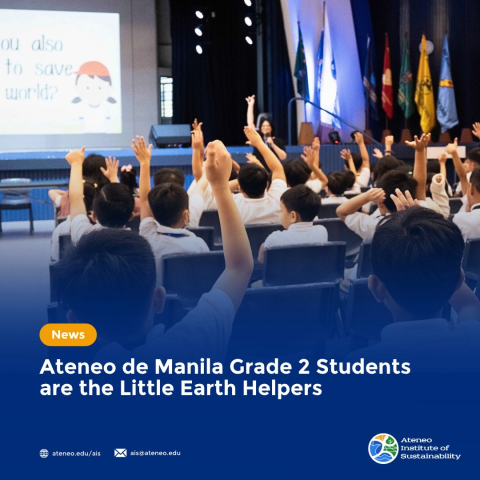
Ateneo de Manila Grade 2 students are the little Earth helpers
It was a great day for saving the world when Ateneo Institute of Sustainability (AIS) came to Ateneo Grade School to give a session on
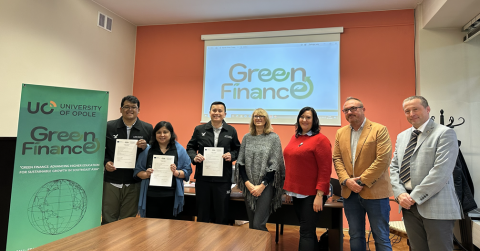
JGSOM representatives complete green finance training in Poland, sets sights on 2027 micro-credential launch
Representatives of Ateneo de Manila University's John Gokongwei School of Management (JGSOM) completed the second phase of their Erasmus+ Green Finance international mobility activities at
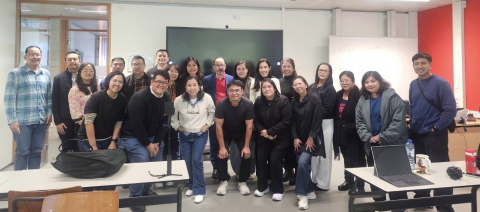
JGSOM Representatives Participate in Green Finance Training at the University of Twente
Enschede, Netherlands | October 15–16, 2026 Representatives of Ateneo de Manila University's John Gokongwei School of Management (JGSOM) participated in a specialized Green Finance training

Professor Emeritus Dr Emma Porio highlights climate resilience and biodiversity at international conferences
Emma E Porio, PhD, Professor Emeritus of Ateneo de Manila University and Principal Investigator of Ateneo's Manila Observatory Center for Climate Resilience and Public Health