7.2.3 Carbon Reduction and Emission Reduction Process
24 May 2024


Ateneo de Manila’s Carbon Management Framework and Emission Reduction Processes
Ateneo de Manila University maintains a structured institutional process for carbon management and greenhouse gas (GHG) emission reduction, overseen by a dedicated Greenhouse Gas (GHG) Officer who accounts for and monitors all campus emission sources. Guided by the Laudato Si encyclical, the University aligns its mitigation strategies with the global framework of the Institute of Environmental Management and Assessment (IEMA).
This core IEMA hierarchy structures carbon reduction across four distinct tiers: (1) Eliminate, (2) Reduce, (3) Substitute, and (4) Compensate.
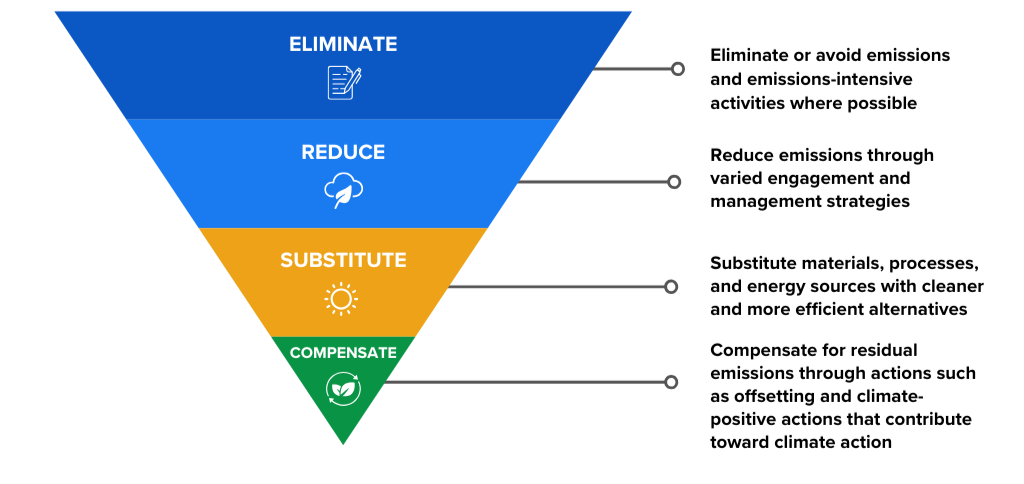
Based on the hierarchy, the following initiatives are implemented by the University to lower its emissions:
1. ELIMINATE/AVOID
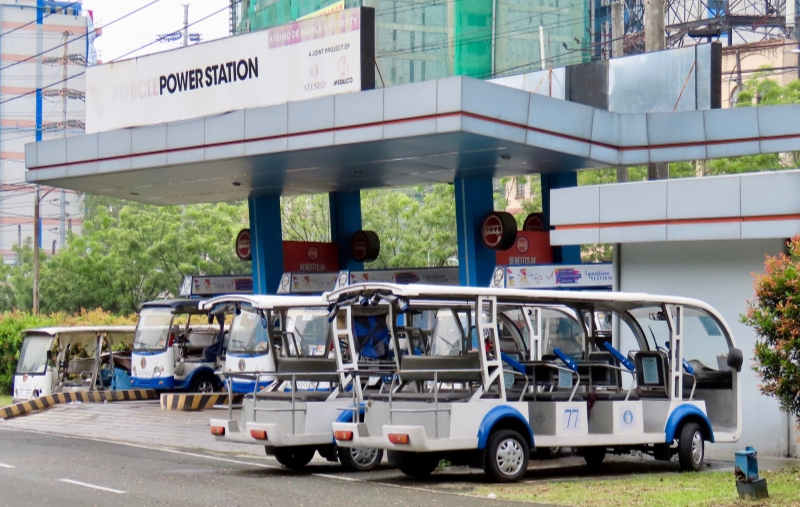 a) E-jeepney shuttle around campus - In 2014, the University launched e-jeepneys shuttle system within its Loyola Heights campus. According to the Electric Vehicle Association of the Philippines (EVAP), ADMU is the first educational institution to introduce an e-jeepney transport system. It avoids 21.58 MT CO2e annually (as compared to ferrying ICE vehicles around the campus)
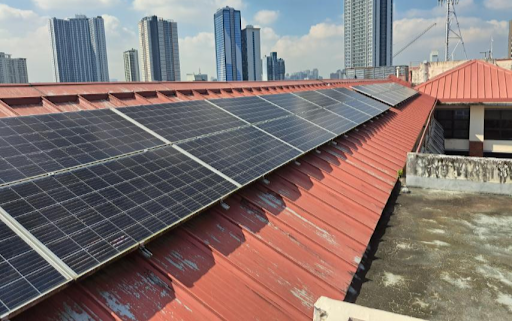
b) Installation of Solar Panels - The ADMU Solar Power Project started the installation of the first grid-tied solar panels in the University in 2020, and is being implemented in phases. As of 2025, it has installed solar panels on 5 buildings across the Loyola Heights campus, producing close to 6% of its operational requirements. The University avoided a total of 1,940 metric tons CO2e since the system was installed.
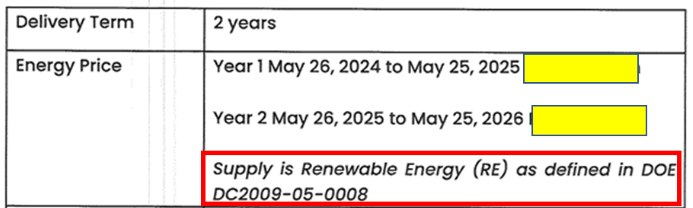
c) Shift to Renewable Energy Supplier - On May 24, 2024, Ateneo de Manila University signed a supply agreement with SolX Technologies Inc. and Shell Energy Philippines to begin its transition to 100% renewable energy. The shift to renewable energy will initially cover Ateneo’s Loyola Heights campus in Quezon City, six years ahead of the university’s target. The transition officially began on Sunday, May 26, 2024. This initially covers the three main grids of Loyola Heights campus: Katipunan, Barangka, and Balara. The University avoided 16,400 metric tons of CO2e since the purchase agreement.
Ateneo de Manila University has taken a historic step toward achieving its sustainable development goals with the signing of a Memorandum of Agreement (MOA) with Jin Navitas Electric Corporation (JNEC) to supply renewable energy to its Pasig Campus, Salcedo Campus, and the Blue Eagle Gym (BEG). This latest agreement, combined with contracts earlier signed with other energy providers, has enabled the University to achieve its target of using only renewable energy in all of its campuses, five years ahead of its 2030 commitment.
The MOA signing was held on 28 November 2025 at the Joy-Nostalg Hotel in Ortigas, home of JNEC and its parent organization, the Joy-Nostalg Group.
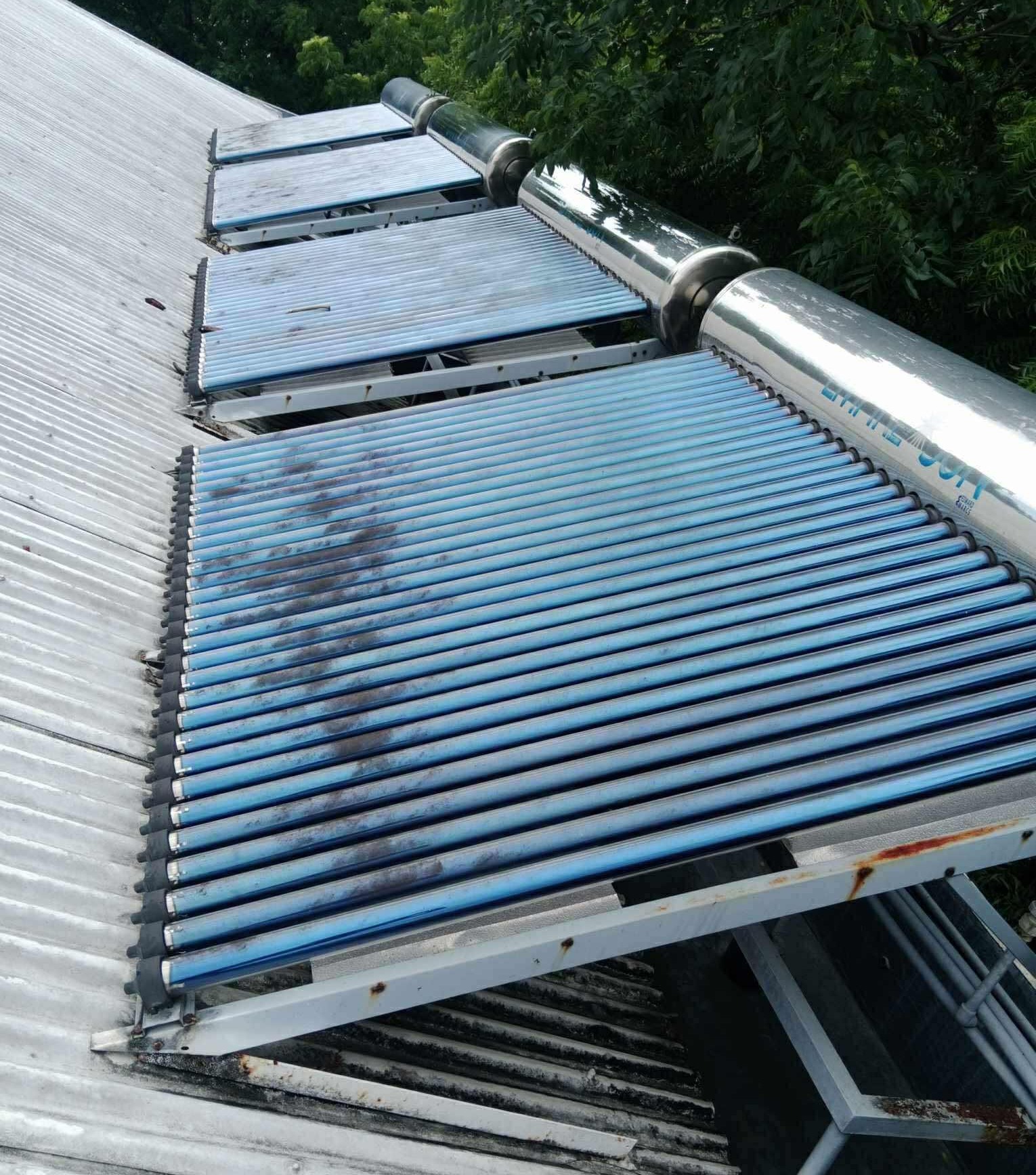
d) Use of Solar Water Heaters - Ateneo has installed solar water heaters in its Eliazo and Cervini dormitories in 2016.
e) Imposing Rules on Maintenance of ACUs - To avoid unnecessary and unwanted release of refrigerant in the atmosphere during maintenance activities on air conditioning units (ACUs), the University has included in terms of reference (TOR) the imposing of responsibility on contractors to be responsible in handling ACUs, especially on replacement and capture of refrigerants.
2. REDUCE
a) Integration of power submeters into a Supervisory Control and Data Acquisition System (SCADA)
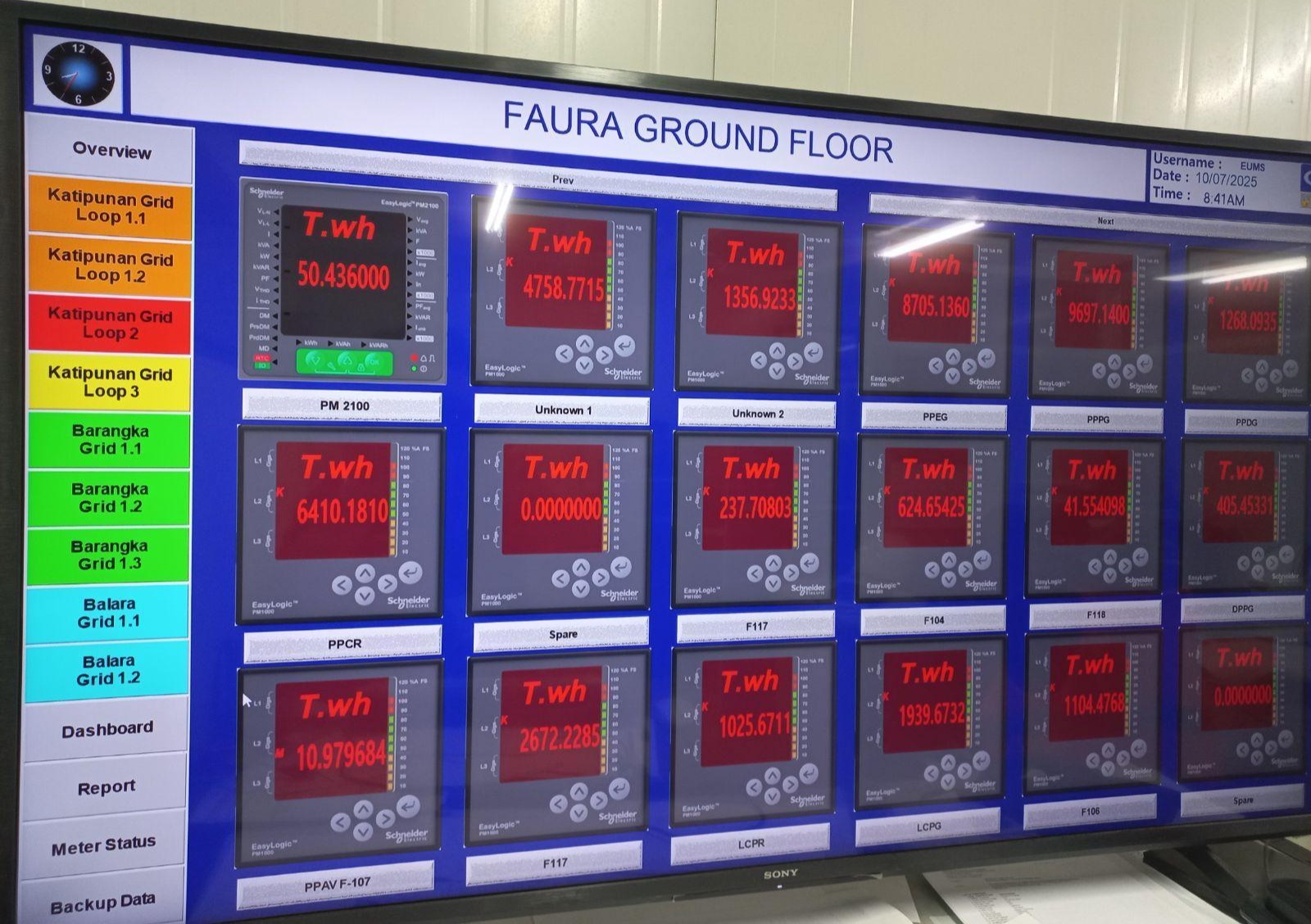
University offices and school units have submeters for power, and integrate it into a SCADA (Supervisory Control and Data Acquisition) system, which allows for a high-level supervision of equipment and energy use. Previous work by university stakeholders, such as the report prepared by the Carbon Neutrality Project Team led by Fr Jose Ramon T Villarin SJ lists recommendations for opportunities to increase our collective efficiency as a University. Among them are robust monitoring systems, and increasing capacity for data collection, processing, and reporting. The SCADA system is a step towards more robust monitoring for energy efficiency and conservation, as it promotes a sense of ownership among stakeholders.
b) Using “Green Nudge” stickers for reminders on electricity use
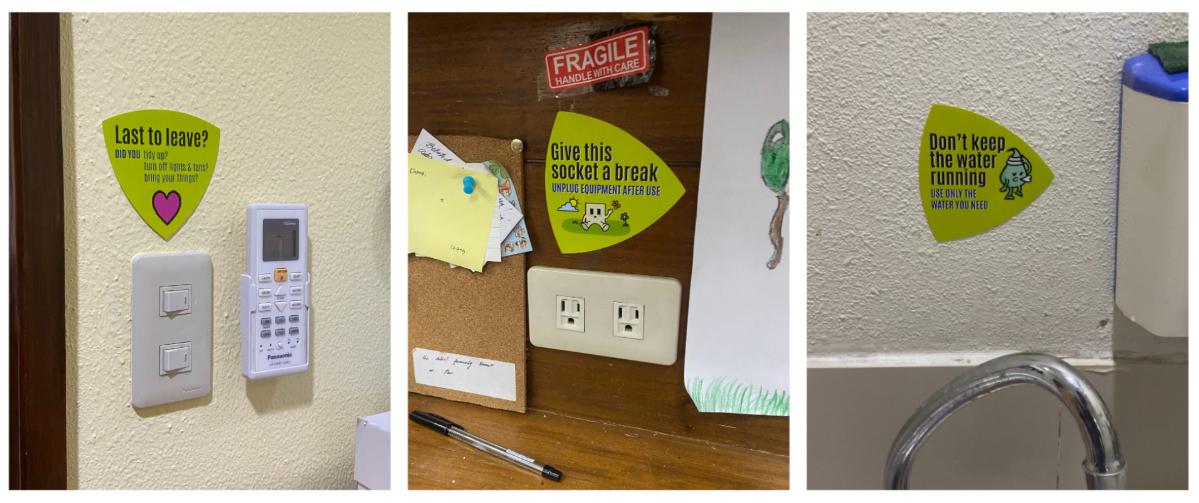
The Green Nudge campaign is a behavioral shift campaign that was developed in collaboration between different offices in the University, and with student groups. The cynosure of the campaign is the bright chartreuse shape, a Reuleaux triangle, which contains a message about resource management. These are a series of printable vinyl stickers with messages on energy conservation, water conservation, waste management, and office citizenship, all designed to inspire sustainable behaviors. The unique shape and color of the stickers are strategically crafted to gently persuade individuals toward sustainable habits. Although there are official plans to expand the deployment of the Green Nudges, the stickers are also publicly available through the University’s website, ensuring that various groups have free access to print their own Green Nudges.
3. SUBSTITUTE
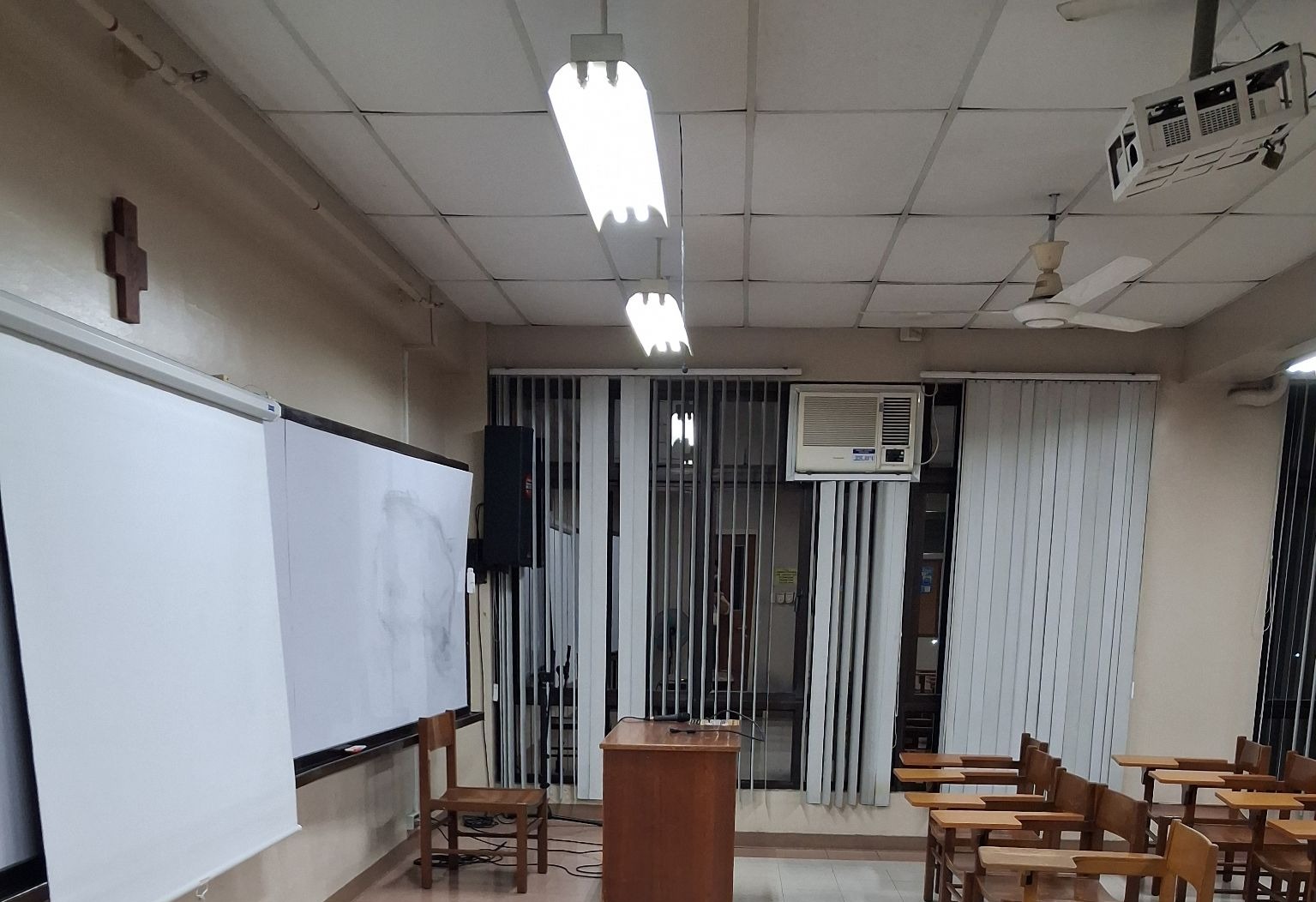
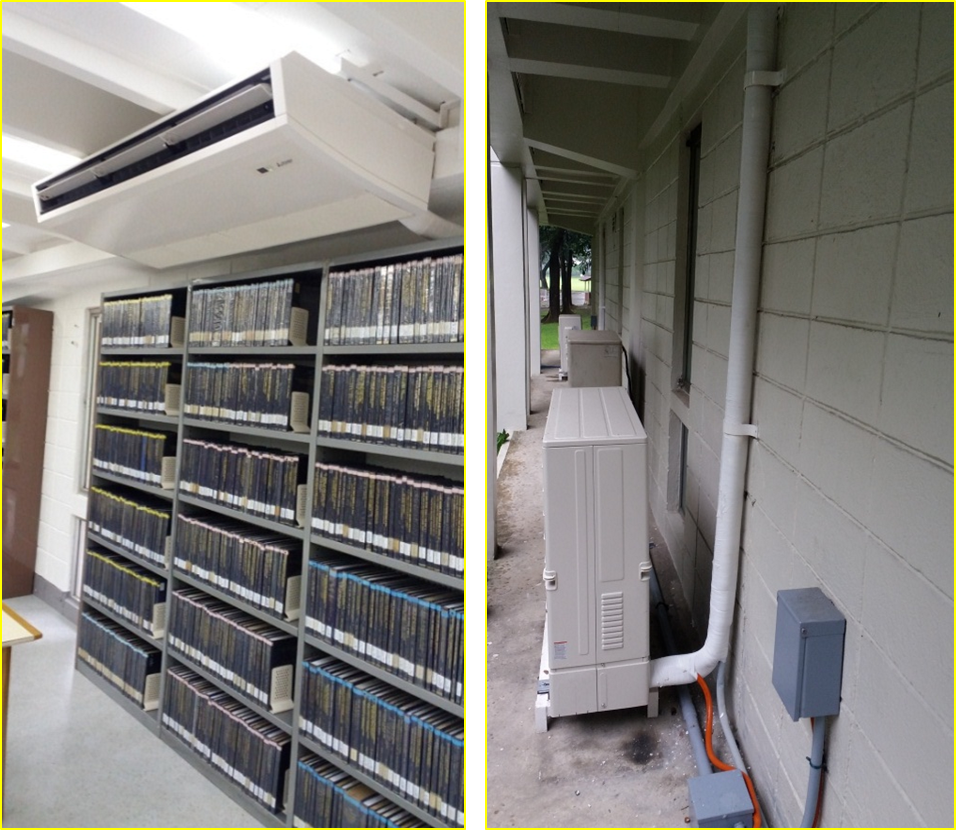
a) Phased replacement of fluorescent lights and non-inverter air-conditioning units (ACU) with LED Lights and inverter ACUs.
|
|
|
4. COMPENSATE
a) Carbon sequestration through the forested areas at the Loyola Heights Campus - According to the feasibility report on carbon neutrality written by the team led by former University president Fr. Jose Ramon Villarin SJ, the Loyola Heights campus is around 89 hectares with less than half of the total area classified as built-up space. Unbuilt areas are composed of open fields (used as sports facilities), open areas, forested areas, buildable forested areas, and other land use types. Forested areas on campus may be used as carbon sinks for some of the university’s emissions.
The table below calculates how much carbon is absorbed per year using the carbon removal rate of 17.3 (t CO2 ha−1 year−1) for Oceania and Asia (Bernal et al, 2018).
University carbon sequestration through campus forest cover
|
Land Use Type |
Area |
Removal rate |
|---|---|---|
| Forested, no build | 14.4 | 249.12 |
| Forested, buildable | 1.7 | 29.41 |
| Total | 16.1 | 278.53 |
On the University’s Policies and Guidelines
page 5 no.6
6. On the Use and Conservation of Materials and Energy. The University is committed to the sustainable use of materials and energy from the acquisition of resources to the management of waste. It aims to:
- Reduce its energy consumption and undertake energy efficiency and conservation programs, and effectively reduce its carbon footprint
- Promote sustainable purchasing procedures
- Reduce material waste
To achieve these goals, the University will put in place the necessary programs to promote and implement energy conservation and efficiency, efficient use of materials, and waste reduction, by engaging all of its stakeholders.
page 11 item C
C. ON THE DESIGN AND CONSTRUCTION OF BUILDINGS AND OTHER INFRASTRUCTURE
C1. Campus Built Environment
1. The design of new buildings and structures should incorporate green tropical built environment principles and innovative, clean, and/or renewable technology to improve efficiency of energy, water, and material use, and to ensure that there is minimal impact on campus green spaces and biodiversity. These include:
a. Water conservation and wastewater treatment
- Rainwater harvesting and storage
- Septic tank effluent to have or be connected to sustainable wastewater treatment systems, such as the Decentralized Wastewater Treatment System (DEWATS) or a Building Wastewater Treatment System (BWATS)
- Water-saving devices are installed (ex. aerators for water taps, dual flush toilets, low flow showerheads)
b. Efficient energy management
- Better window and building design for improved natural lighting and ventilation
- Efficient control and design of lighting, incl. switches/bulb placement
- Alternative, renewable energy systems (ex. photovoltaic systems, picohydroelectric, as applicable)
- Roof orientation, roof design, and structural load to accommodate photovoltaic systems
- Double envelope systems for improved insulation
c. Integration of safety designs for urban biodiversity
- Glass windows that are fritted, glazed, or designed (ex. use of decals like opaque white dots or squares) to break up reflections of trees and sky to minimize the occurrence of bird window strikes
- Use of downward facing LED outdoor lights to ensure safety at night while minimizing light pollution
page 17 item D3
D3. Adoption of New Technologies
1. Units are encouraged to adopt new technologies, some of which are mentioned above, to improve their ecological and carbon footprints, increase savings from utilities, and/or to educate stakeholders on sustainable technologies.
2. The adoption of new technologies should balance the cost of the technology with the benefits to the community and the environment. If a new technology has clear environmental advantages, such as lowering the carbon footprint, this should be balanced with the cost of technology, especially in view of the rate with which this technology is changing costs.
3. To assess whether the adoption of the new technology is reasonable, the following should be considered:
- The old technology has been used beyond its payback period or ROI.
- The payback period of the new technology should be shorter than its replacement period (Please refer to the sample computations in Annex 1).
- The calculation of the payback period should include incidental costs like installation of the new technology and waste disposal of the old technology.
- If there are significant effects on the environment, this should be factored into the calculation of the payback period.
page 19 item E2
E2. Food Sustainability
1. Stakeholders are encouraged to develop age-appropriate IEC programs that focus on the impact on natural cycles and users’ ecological and carbon footprint of 1) food production and transport; 2) food packaging; and 3) food consumption practices.
2. Programs are promoted in different units to reduce food wastage.
- Cafeteria management regularly monitors and reports food waste data to the respective units.
- Consumers are reminded to get portions that they can finish to avoid leftovers
- For meetings or events where food and drinks will be served, advance planning is required to determine the appropriate amount of refreshments per attendee. For example, provide attendees the option to choose whether they will avail of food or not through the meeting invitation.
3. Wastes are segregated, put in garbage bags, tied up, and disposed of in proper dumping stations. When possible, kitchen and food wastes are mixed with yard waste for composting.
4. Climate-friendlier food choices should be included in cafeteria menus. This includes but is not limited to the following adjustment in menus:
- Prioritizing serving seasonal fruits and vegetables
- Substituting legumes and beans as sources of protein
- Offering more chicken, fish, and plant-based viands rather than pork and beef
Source:
Recent News
You may also like these articles

Growing with purpose: How Mekeni Food Corporation turns adversity into shared value
From a small backyard operation in Porac, Pampanga, to an internationally recognized food brand exporting to 25 countries, Mekeni Food Corporation's journey demonstrates how businesses

Three Ateneo-incubated startups secure DOST-PCIEERD’s startup grant fund
Last 9 November, during the opening day of Philippine Startup Week 2026, Soolok Properties Inc, Pili AdheSeal Inc, and Saltric Power (PDG Engineering Services), three
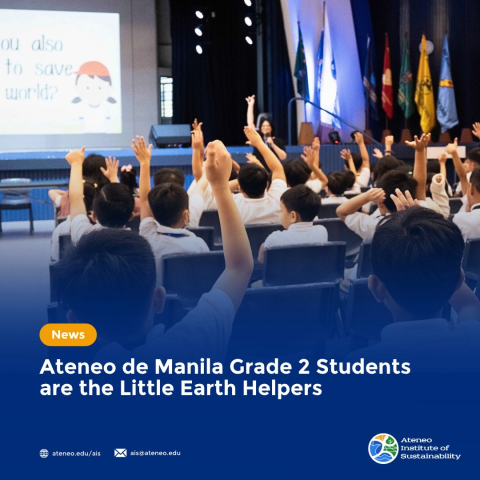
Ateneo de Manila Grade 2 students are the little Earth helpers
It was a great day for saving the world when Ateneo Institute of Sustainability (AIS) came to Ateneo Grade School to give a session on
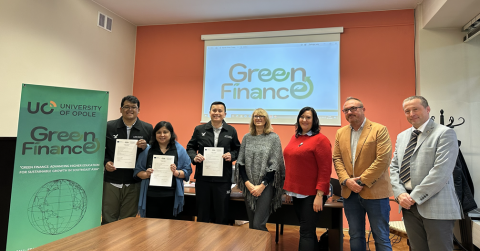
JGSOM representatives complete green finance training in Poland, sets sights on 2027 micro-credential launch
Representatives of Ateneo de Manila University's John Gokongwei School of Management (JGSOM) completed the second phase of their Erasmus+ Green Finance international mobility activities at
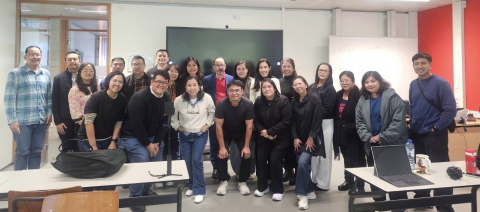
JGSOM Representatives Participate in Green Finance Training at the University of Twente
Enschede, Netherlands | October 15–16, 2026 Representatives of Ateneo de Manila University's John Gokongwei School of Management (JGSOM) participated in a specialized Green Finance training

Professor Emeritus Dr Emma Porio highlights climate resilience and biodiversity at international conferences
Emma E Porio, PhD, Professor Emeritus of Ateneo de Manila University and Principal Investigator of Ateneo's Manila Observatory Center for Climate Resilience and Public Health