PAGSIBOL: A Theological Reflection on the Laudato Si’ Retreat
03 Nov 2026 | By: Teresa Taveros Pangilinan First Year – Doctor of Ministry (DMIN)






“Come away by yourselves to a deserted place and rest a while” (Mark 6:31)
Introduction
The Pagsibol: Laudato Si’ Retreat became a sacred moment of grace in which God invited me to step away from the noise, busyness, and demands of daily life to rediscover His presence. Through silence, prayer, reflection, and encounters with creation, I came to recognize that the retreat was not simply about environmental awareness but about a deeper conversion of heart. It was an invitation to encounter the God who creates, sustains, and lovingly accompanies His people.
The experience challenged me to see creation not merely as an environmental concern but as a revelation of God's love, a gift entrusted to our care, and a pathway through which we encounter the Creator Himself. Guided by the See-Discern-Act method, I reflect upon the fruits of this retreat and God's call to ecological conversion and faithful stewardship.
I. SEE: Encountering God's Presence in Creation and in My Own Story
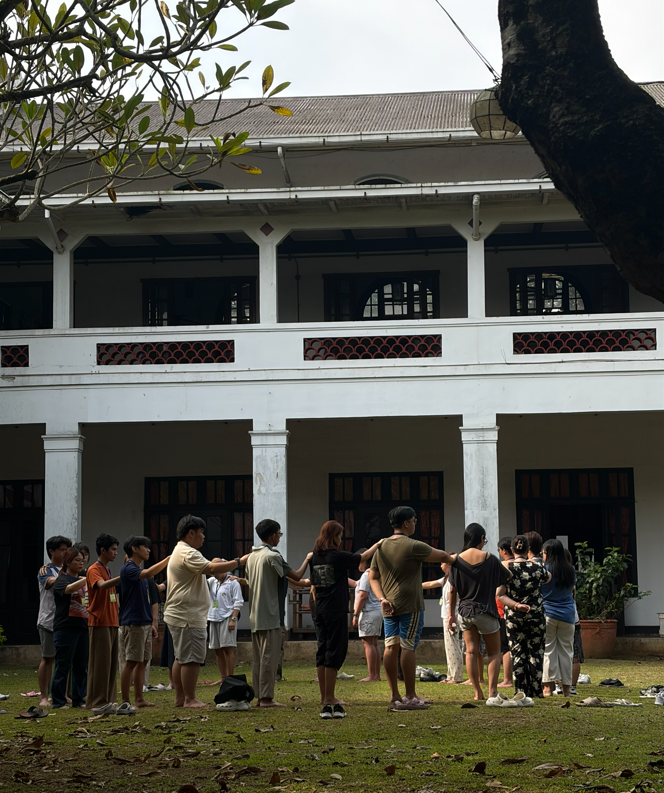
The retreat began with Jesus' invitation: “Come away to a deserted place and rest for a while.” Entering silence, I carried with me many desires, concerns, questions, and hopes. Initially, I focused on personal and future aspirations, but as the silence deepened, I became aware of a more profound longing: the desire to know God more intimately and to experience His peace amid life's uncertainties.
Through the Pilgrim Walk Prayer, I encountered God in the beauty and simplicity of creation. The earth beneath my feet, the songs of birds, the warmth of sunlight, and the gentle movement of the wind became reminders that God is constantly present and active in the world. Creation was no longer merely a backdrop to life but a living expression of God's creativity and goodness.
At the same time, the documentaries on climate change, environmental destruction, and flooding opened my eyes to the ecological realities confronting our world. I realized that environmental degradation is not only an ecological crisis but also a human and moral crisis. The poor and vulnerable suffer most from the consequences of environmental neglect. Truly, as Laudato Si' teaches, “the cry of the earth and the cry of the poor” are inseparable.
In prayer, I also recognized God's enduring presence throughout my own life journey. Looking back, I saw how God remained faithful through moments of joy, disappointment, doubt, success, and failure. Even when I questioned His presence, His love never abandoned me.
The retreat enabled me to see two interconnected realities: God's goodness revealed in creation and God's faithfulness revealed in my personal history.
II. DISCERN/REFLECT: Hearing God's Call Through Creation and Grace
"The more I become aware of how deeply I am loved by God, the more capable I become of extending that love to others and to creation itself."
Reflecting on Genesis 1, I was struck by the repeated affirmation that creation is "good." This goodness does not arise from creation's usefulness but from God's loving gaze. Every creature bears the imprint of the Creator and possesses inherent dignity because it is loved by God.
This realization challenged my tendency to value people, experiences, and even myself according to usefulness, productivity, or achievement. God loves unconditionally. He does not love because we are worthy; we are worthy because He loves us.
The retreat led me to recognize three profound truths:
1. Everything Is Gift
God is the Giver of all things. My life, talents, relationships, opportunities, and even my capacity to love originate from Him. Nothing I possess is entirely my own achievement.
This awareness moved me from self-reliance to gratitude. I realized that I am not self-made. Rather, I am continually sustained by God's grace. Every blessing reflects His generosity, and every moment of life becomes an invitation to thanksgiving.
2. We Are Stewards, Not Owners
Genesis reveals that human beings are entrusted with creation, not as masters who dominate but as stewards who care for God's gifts.
I discerned that ecological conversion begins when I recognize that the world does not belong to me. Creation is entrusted to humanity so that it may be protected, nurtured, and shared responsibly. To harm creation is to disregard a gift that ultimately belongs to God.
Stewardship therefore becomes a spiritual responsibility rooted in gratitude and reverence.
3. God's Unconditional Love Makes Conversion Possible
The most transformative grace of the retreat was the realization that God continues to love me despite my limitations, weaknesses, and doubts.
The question that resonated deeply within me was: How can I love unconditionally when I am limited?
The answer emerged through prayer. I cannot love perfectly by my own strength. Authentic love begins when I first receive God's unconditional love. The more I become aware of how deeply I am loved by God, the more capable I become of extending that love to others and to creation itself.
My doubts became occasions of grace. My questions became doorways to deeper trust. I realized that faith is not having all the answers but entrusting oneself to the God who walks faithfully beside us.
Like the disciples on the journey to Emmaus, I discovered that Christ had been accompanying me all along, even when I did not recognize Him.
III. ACT: Becoming a Steward of Hope and Care for Our Common Home
"I realized that God is not asking me to offer what I do not have. He simply invites me to place at His disposal the gifts He has already entrusted to me."
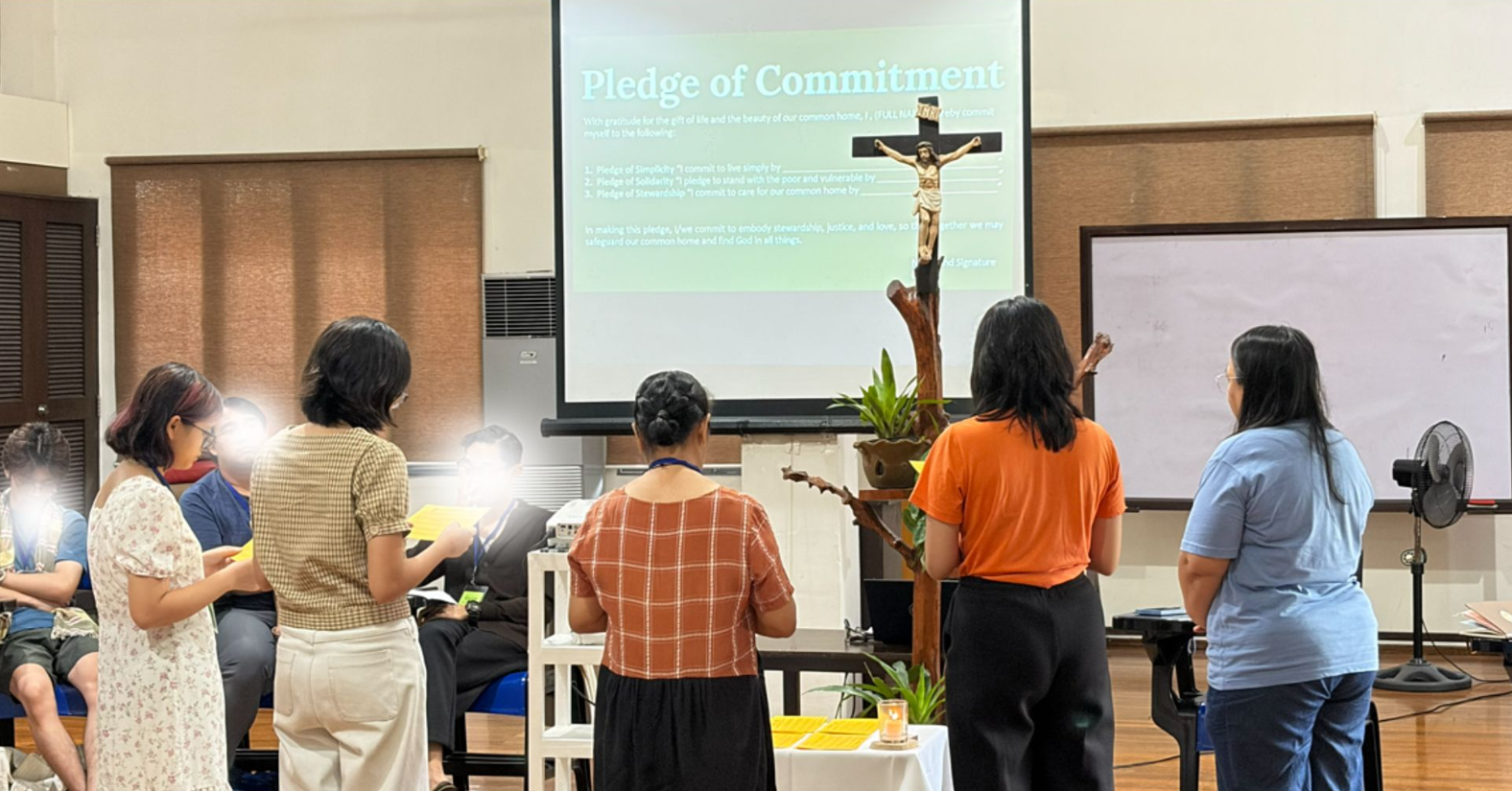
The retreat reminded me that contemplation must lead to action. To encounter God is to be transformed and sent forth. During the reflection on the multiplication of the loaves and fishes, I was invited to reflect on the question:
“What are the loaves and fishes already in your hands?”
I realized that God is not asking me to offer what I do not have. He simply invites me to place at His disposal the gifts He has already entrusted to me.
As a Christian Living Education teacher, my loaves and fishes are the knowledge, faith, values, and experiences that I can share with my students. I am called to form young people who recognize creation as God's gift and who understand that caring for the environment is an expression of Christian discipleship.
As a CLE Coordinator, I am called to share the spirit of Laudato Si' with fellow educators and collaborators. Through conversations, programs, reflections, and personal witness, I can encourage others to become stewards of creation and agents of hope.
As a Christian disciple, I am called to respond through concrete daily actions: practicing responsible consumption, reducing waste, conserving resources, caring for nature, and promoting ecological awareness. Small actions may seem insignificant, yet they become meaningful when rooted in love.
Inspired by Pope Francis and the witness of St. Francis of Assisi, I commit myself to living more simply, gratefully, and responsibly. Ecological conversion is not merely about changing habits; it is about transforming the heart and recognizing that every act of care becomes an act of love for God, neighbor, and creation.
Conclusion: The Seed of Pagsibol
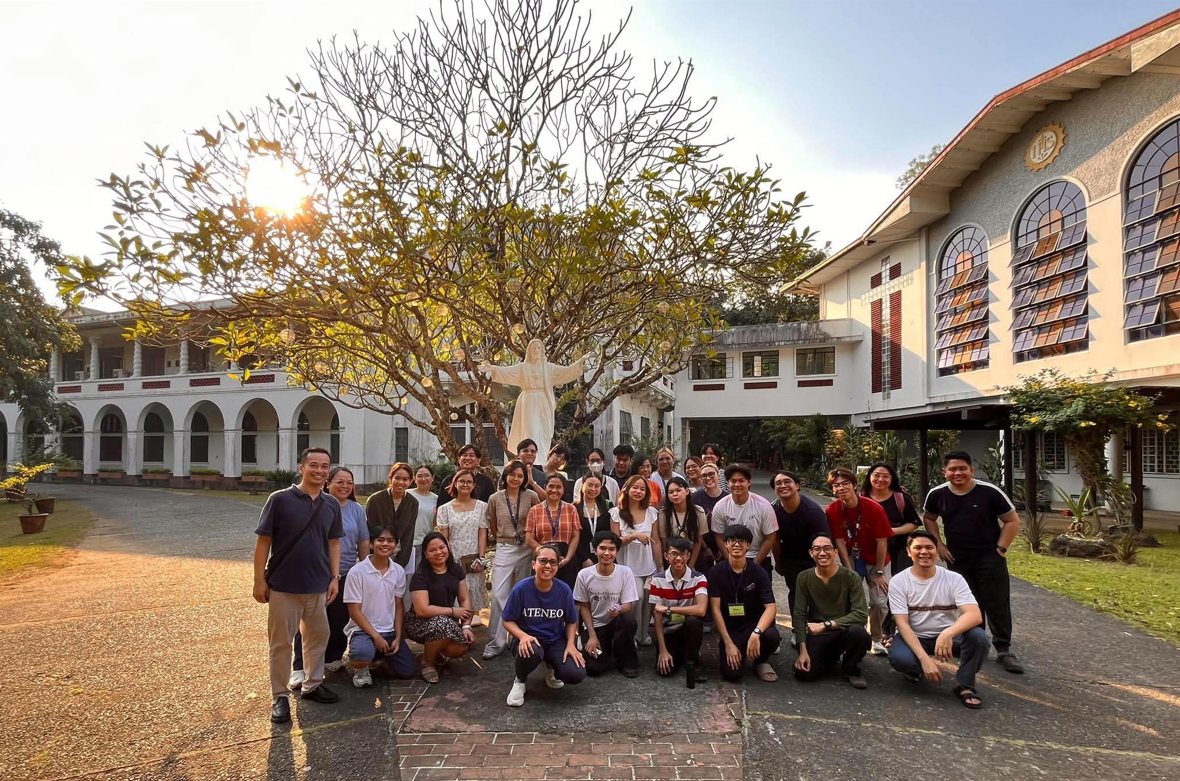
"The retreat did not provide all the answers to my questions, nor did it remove every uncertainty in my life. Instead, it planted a seed. It awakened within me a deeper awareness of God's presence, a renewed trust in His providence, and a greater appreciation for creation as His gift."
The word pagsibol speaks of a seed beginning to emerge and grow. This beautifully captures the grace I received during the retreat.
The retreat did not provide all the answers to my questions, nor did it remove every uncertainty in my life. Instead, it planted a seed. It awakened within me a deeper awareness of God's presence, a renewed trust in His providence, and a greater appreciation for creation as His gift.
I leave the retreat carrying a clearer desire: to know Jesus more intimately, trust Him more completely, and recognize Him more faithfully in all things. I also carry a renewed commitment to care for our common home through simple yet meaningful acts of stewardship.
Ultimately, the greatest fruit of this retreat is the realization that everything is connected: God, humanity, and creation. To love God is to care for His creation. To care for creation is to care for our brothers and sisters, especially the poor and vulnerable. And to care for both is to participate in God's ongoing work of love.
May the seed planted during this Pagsibol: Laudato Si’ Retreat continue to grow within me, bearing the fruits of gratitude, stewardship, compassion, and hope, so that in all things I may truly learn to find God in all things and all things in God. Amen.
Recent News
You may also like these articles

The courage to commit: PReVEx 2026 brings the question of vocation into the classroom
Young people are often told to keep their options open, yet some of life’s most meaningful choices require the opposite: the courage to commit. What
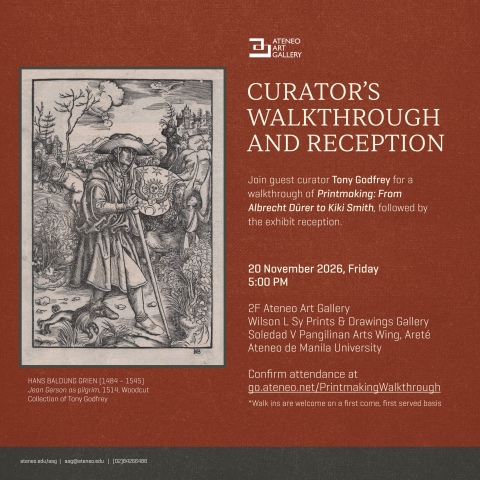
Join Ateneo Art Gallery for the Curator's Walkthrough and Exhibition Reception of "Printmaking: From Albrecht Dürer to Kiki Smith"
Ateneo Art Gallery presents a Curator’s Walkthrough of Printmaking: From Albrecht Dürer to Kiki Smith with guest curator Tony Godfrey on 20 November 2026 (Friday)
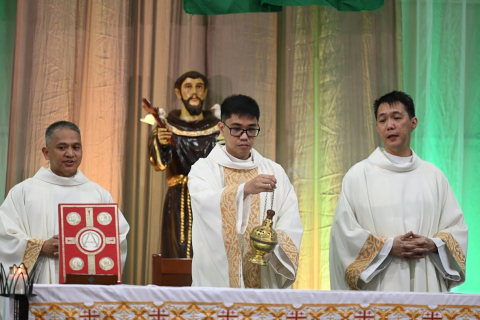
AJHS October 2026 Community Mass: "Come to Me, Take My Yoke, Learn from Me"
On 21 October 2026, the Ateneo Junior High School (AJHS) community gathered for its monthly Community Mass, which was celebrated in honor of St Francis
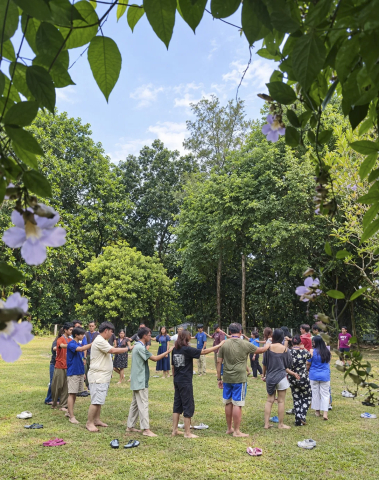
PAGSIBOL: Finding God in the silence
At the Pagsibol Retreat, the simplest things became meaningful again: the beauty of nature, the comfort of good food, the quiet moments of prayer, and
Executive Education Center strengthens faith-based organizations’ capacity for strategic religious engagement
The Ateneo School of Government (ASOG) Executive Education Center conducted the training component of the Ateneo Policy Center’s Strategic Religious Engagement (SRE) initiative through the
Itatawid, Ihahatid: ASHS commemorates Duffy-Delaney Day
The Ateneo de Manila Senior High School (ASHS) community commemorated its annual Duffy-Delaney Day (D3) on Friday, 2 October 2026, with the theme, “Tahanan,” at