Freedom in faith: Finding sanctuary behind bars of maximum security
09 Nov 2026 | Richard Martin Respeto



It is one of the quiet ironies of human existence that we can walk freely down open streets, make our own choices, and go anywhere we wish, yet remain deeply imprisoned by our own complaints and anxieties. Meanwhile, would you believe that behind concrete walls and heavy iron bars, some of the most physically constrained souls have found an unshakable, quiet peace?
That paradox moved out of theory and into concrete reality during the Ateneo Student Catholic Action (AtSCA) and Ateneo Student Judicial Court (ASJC) TALAB trip, Lux in Tenebris: Meeting on Shared Ground with the Women of Correctional, at the Correctional Institution for Women (CIW) in Mandaluyong City.
As a volunteer accustomed to community immersion, I did not enter CIW expecting a passive tour; I came prepared to witness the harsh realities of overcrowding in a penal system where thousands are housed in spaces built for far fewer. Stepping into a maximum-security facility carries an expectation of cold iron bars, heavy silence, and the stark weight of life sentences. Yet, entering the prison that afternoon, the environment felt less like a penal institution and more like a tight-knit community. Out of nearly two thousand inmates in the facility, only forty were able to join the program. Still, the overwhelming maternal warmth in the room immediately dismantled whatever preconceived judgments we had carried through the gates. They welcomed us with open arms, eager to converse, seeing reflections of their own children in our faces.
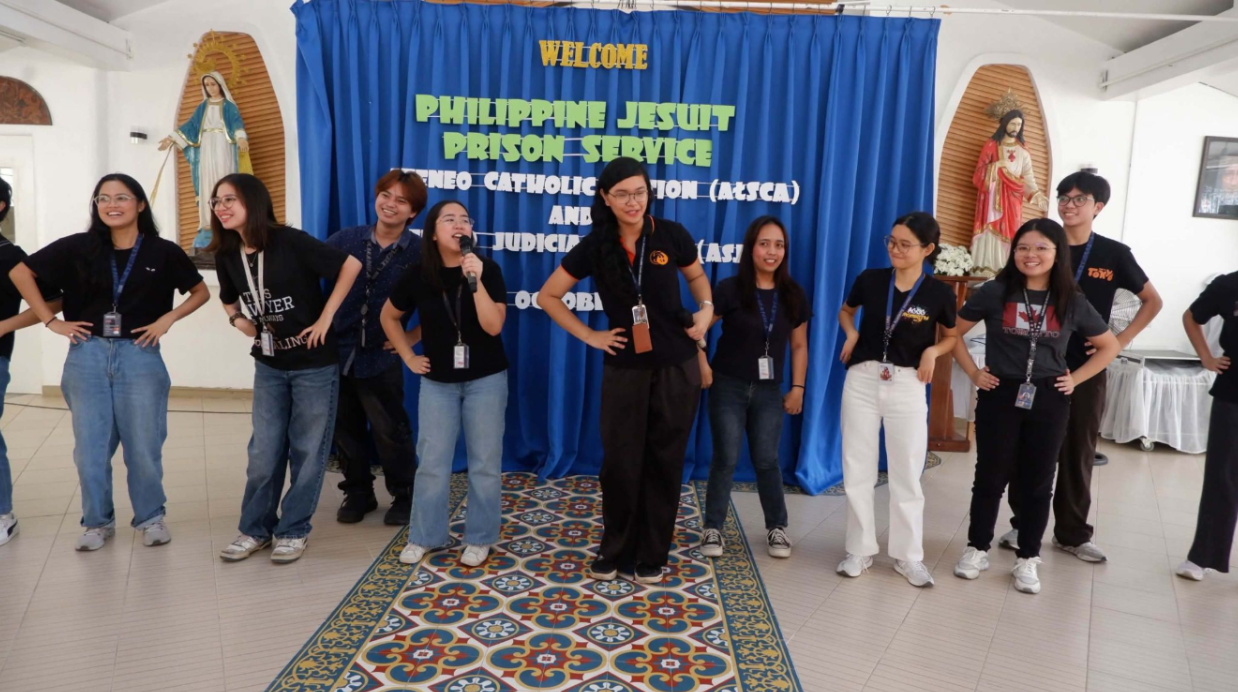
They had even prepared event backdrops made from recycled materials, such as Krispy Kreme boxes neatly covered in colored paper. The quality, creativity, and precise consistency of the cutout fonts were truly remarkable. Each banner displayed the names of our groups to welcome us, paired with radiant smiles and offers of cold bottled water, a gesture that struck a deeply emotional chord knowing these were gifts paid for out of their own modest means inside.
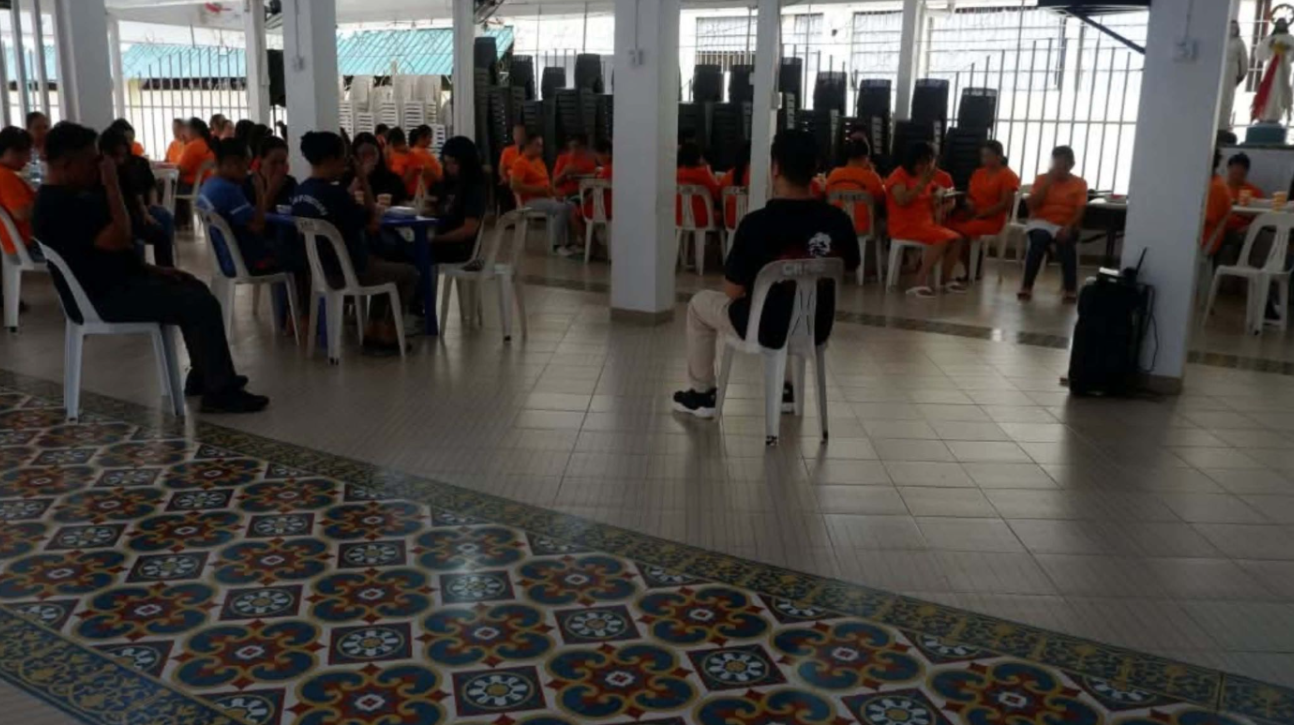
As we started the program with icebreakers, all I could remember was that I was smiling, and so was everyone else. The inmates expressed a burst of genuine excitement to participate. As we engaged in the activities, everyone was having so much fun, losing track of time while gaining a deep connection with each other.
During our breakout group, I sat down with three women serving reclusion perpetua, sentences spanning forty years to life. Beyond their legal records lay stories anchored not in bitterness, but in quiet endurance, deep love, and a faith that reached far beyond concrete walls.
Stories Behind the Sentence
We often study justice as something neat, abstract, and contained within law books or courtrooms. But real justice, and the fragile human lives caught in its machinery, is far messier, quieter, and deeply humbling than any lecture can ever convey.
In our conversations, they spoke candidly about the system they live in. While acknowledging that some inside truly deserved their sentences, they offered a sobering critique of Lady Justice. To them, the blindfold over her eyes did not signify unyielding fairness or impartiality; it meant justice was literally blind to the truth, to the poor, and to genuine rehabilitation. They pointed out how parole often hinges on political connections rather than reform, and how wealth continues to dictate comfort even behind bars. It was a baffling reality for me to digest: why would money even matter inside a prison? Yet they gently explained that even behind walls, money buys basic survival, such as hot water, coffee, personal hygiene items, and extra necessities whenever institutional supplies fall short.
Ate Jenny (not her real name), had endured difficult relationships before being falsely implicated in a crime by a neighbor who made a habit of filing legal charges. Despite serving time for a crime she did not commit, she harbored no visible resentment. Instead, she spoke with quiet gratitude for her children, who continue to visit her religiously. Her story was a striking reminder that while human legal systems can fail, a mother’s capacity to love remains unyielding. As she offered me gentle words of advice, I realized I had opened up and shared stories about my own life, my heart completely unlocked by her warmth.
Ate Anna (not her real name), the most energetic and cheerful person present that afternoon, treated me with immediate, nurturing care. Noticing my plate during lunch, she insisted on giving me extra rice and shared her piece of McDonald's chicken, a rare commodity inside the facility. She warmly claimed, "I only eat the skin anyway, even back home with my kids, it's my favorite part," an excuse I knew was meant solely to make me accept the food without guilt. It brought tears to my eyes, evoking the comfort of parental affection I had been deeply longing for. Her gesture showed that true generosity does not stem from material abundance, but from a heart willing to give even from its scarcity.
Ate Tyra (not her real name), separated from her eldest child for twenty years due to the prohibitive cost of travel, was drawn into a drug charge through peer pressure and indecision. As she neared her expected release date next year, she reflected on her two decades inside with remarkable clarity. She shared that while she knew she didn't deserve to be imprisoned, the experience forced her to build inner confidence, learn how to make independent decisions, and discern right from wrong. In a place designed for confinement, she ultimately found her sense of self. Sitting together and exchanging stories of our lives, I felt that same maternal presence once more. We completely lost track of time, leaving me with the humbling realization that these women carry so much love in their hearts, giving so abundantly to a world that has taken so much from them.
The Fire of Truth, Justice, and Service

Listening to their perspectives left a central question lingering long after we left Mandaluyong: Why is the faith of those who lack physical freedom often the strongest?
In the outside world, we enjoy the unrestricted liberty to move, choose, and navigate our daily lives. Yet, we so often allow ourselves to be imprisoned by personal grievances, small complaints, and self-absorbed anxieties. Inside maximum security, where privacy, comfort, and physical mobility are stripped away, faith becomes the one tangible anchor that no prison door can take away.
This encounter through Lux in Tenebris was far more than another community immersion; it was a profound personal awakening. Sitting across from these women powerfully reminded me of the true value of my education as an Atenean. It reconnected me directly with the core principles I was fighting for even before I ever stepped into the university: the conviction that every human story possesses inherent dignity, that legal systems must be tempered with true rehabilitation, and that privilege is meaningless if it is not placed at the service of others.
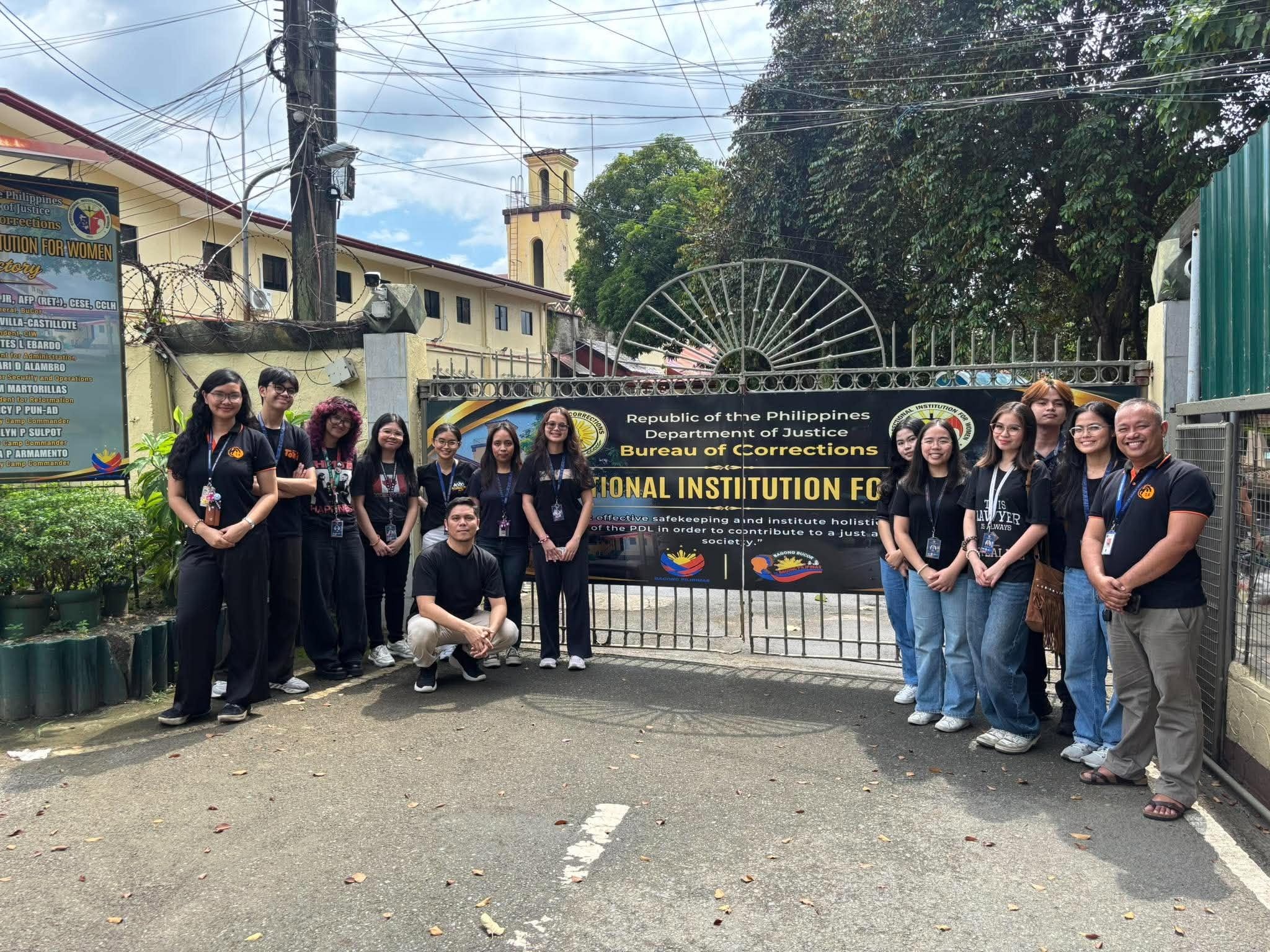
Yet, as I walked out through the heavy iron gates and stepped back into the open streets, a quiet ache lingered. I realized then why writing this, or anything I put on paper, will always feel like it is still not enough.
There is a sobering disparity in leaving: stepping back into the liberty of my daily life while Ate Anna, Ate Jenny, Ate Tyra, and all the other inmates there remain behind bars. No amount of careful writing can bridge that physical and systemic gap or undo their confinement. There is an emotional surplus that no word count can contain, compressed from hours of real eye contact, shared tears, quiet pauses, and unexpected laughter, leaving the printed page feeling far smaller than the memory itself. And there is the raw vulnerability of having laid my own heart open, carrying the quiet worry of whether my words could ever truly do justice to their lives, their warmth, and our shared truth.
Perhaps that feeling of "not enough" is precisely what must remain. It is a constant reminder that justice cannot stay confined to a written draft or an academic discussion. True freedom is not defined merely by the absence of physical restraint. Real freedom in faith is an inner posture: the capacity to forgive, the strength to find purpose amidst severe hardship, and an unshakeable trust that even in the most restricted places, human life retains its dignity. Stepping back into the outside world that afternoon, I carried their love with me, fueled by a deeper and more resolute faith in truth, in justice, and in a life committed to genuine service.
You may also like these articles
Ateneo Law reaches semifinals, earns top oralist honors at MyBar SAMCO 2026
Ateneo Law School made a strong debut at the Malaysian Bar Sports Arbitration Mooting Competition (MyBar SAMCO) 2026, with one of its teams advancing to

Three Ateneo-incubated startups secure DOST-PCIEERD’s startup grant fund
Last 9 November, during the opening day of Philippine Startup Week 2026, Soolok Properties Inc, Pili AdheSeal Inc, and Saltric Power (PDG Engineering Services), three
Ateneo de Manila University joins IP CIRCLE League 2026
Ateneo de Manila University, through the Ateneo Intellectual Property Office (AIPO), participated in the IP CIRCLE (Create, Interact, Refine, Compete, Learn, and Experience) League 2026
Dekada: Remembering and Commemorating the Tenth Year of the War on Drugs
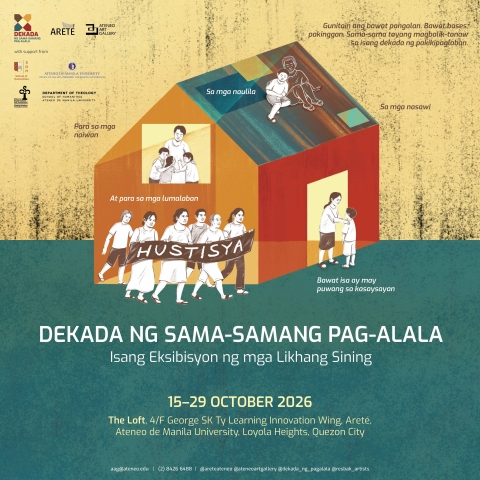
Dekada ng Sama-samang Pag-alala: Isang Eksibisyon ng mga Likhang Sining holds its second iteration at The Loft, 4/F George S.K. Ty Innovation Wing, Areté, Ateneo
Challenges, perspectives highlighted in recent Bernas Forum on international commercial dispute resolution
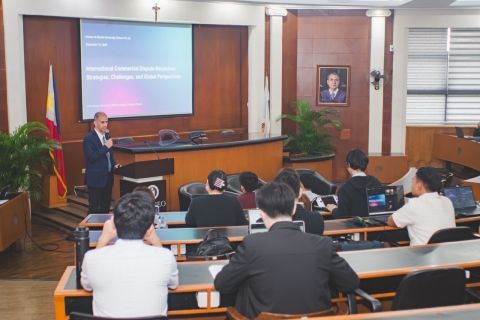
On 16 September, the Fr Joaquin G Bernas SJ Institute for Continuing Legal Education of the Ateneo Law School hosted the Bernas Forum, “International Commercial
AIPO strengthens freedom-to-operate search capabilities through three-day training workshop
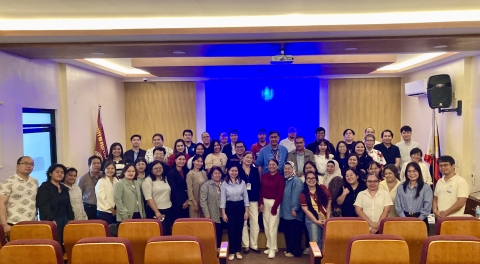
The Ateneo Intellectual Property Office (AIPO) strengthened its knowledge and capabilities in freedom-to-operate (FTO) searches through a three-day training workshop organized by the Intellectual Property