Challenges, perspectives highlighted in recent Bernas Forum on international commercial dispute resolution
25 Sep 2026



On 16 September, the Fr Joaquin G Bernas SJ Institute for Continuing Legal Education of the Ateneo Law School hosted the Bernas Forum, “International Commercial Dispute Resolution: Strategies, Challenges, And Global Perspectives,” at the Ateneo Law School in Rockwell, Makati. The event highlighted various perspectives on the evolving landscape of global arbitration.
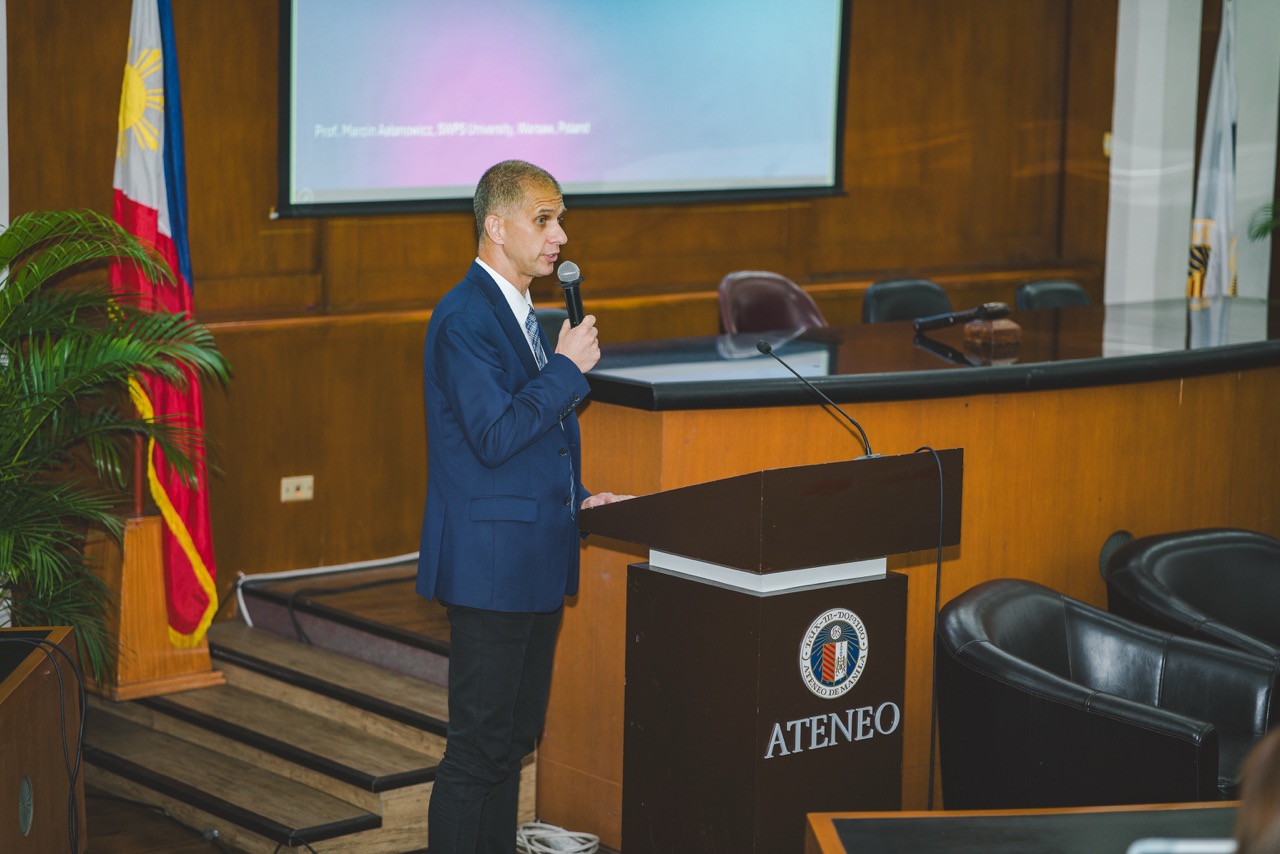
The keynote speaker, Professor Marcin Asłanowicz, Dean of the Faculty of Law in Warsaw and Head of the Department of Civil Procedure at SWPS University, and President of the Arbitration Court of the Polish Confederation Lewiatan, detailed these perspectives.
Prof. Aslanowicz opened his talk by discussing the global rise of arbitration. Drawing on his experience as the president of the "Government Court of Arbitration in Poland,” he noted the increasing preference for ad-hoc arbitration in Europe, attributing its rise to its core attractions: finality, confidentiality, equality, autonomy and neutrality. He also underscored the critical importance of choosing the right "seat of arbitration,” emphasizing that it must be a strategic legal decision based on local enforcement mechanisms, judicial efficiency, and asset location, rather than simply choosing a seat because it sounds neutral.
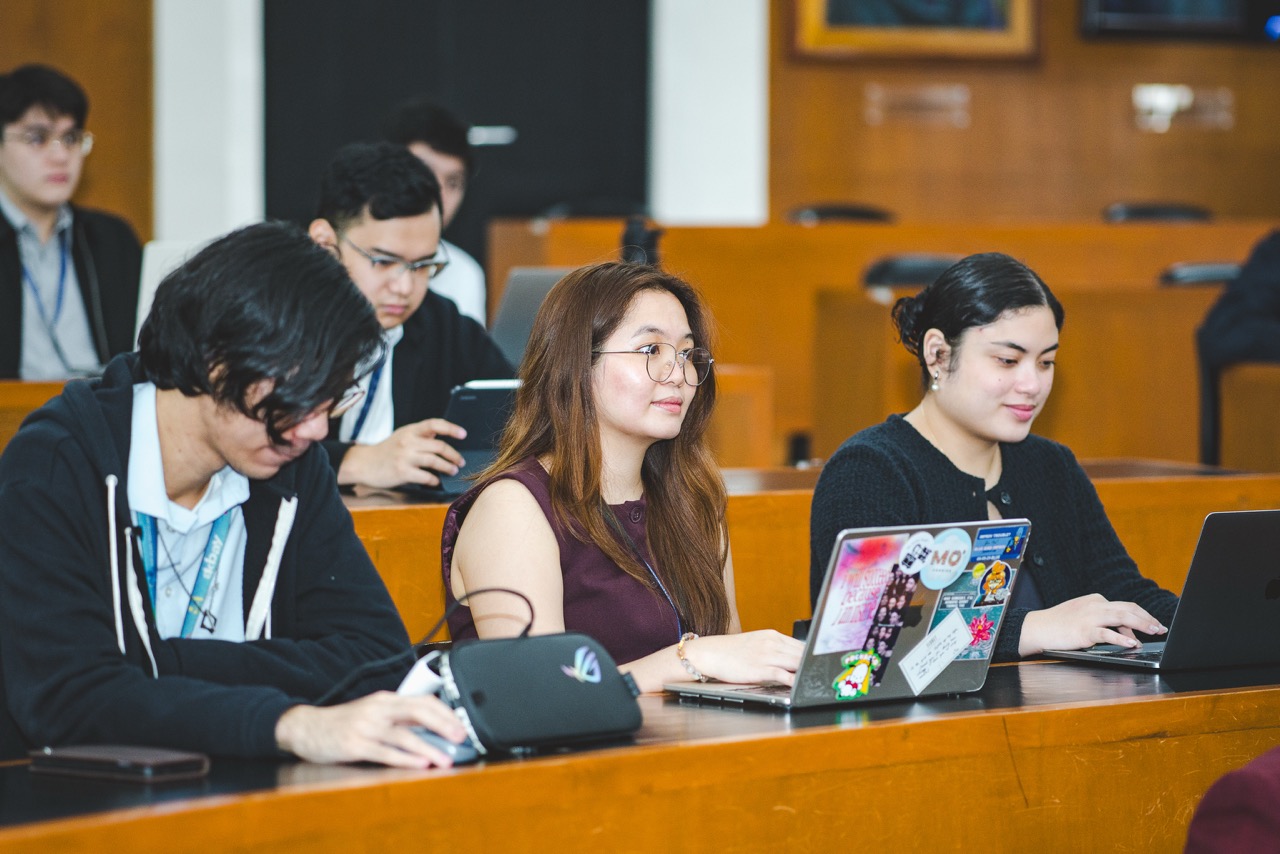
He, however, pointed out problems within the field of arbitration. He noted the small community, estimating only about 50 practitioners in Poland, which makes it difficult to appoint arbitrators without encountering conflicts of interest. He also referenced the Equal Representation Arbitration Pledge, noting the practical difficulties of implementing gender diversity given this limited talent pool.
Prof. Aslanowicz highlighted procedural challenges, such as the tension between civil and common laws regarding documentary disclosure and cross-examination practice, as well as the difficulty tribunals face in finding qualified, tribunal-appointed expert witnesses. He strongly cautioned against drafting customized, subjective arbitration clauses, which frequently lead to jurisdictional problems. Furthermore, while he acknowledged artificial intelligence in assisting with legal analysis, he firmly argued against allowing AI in issuing arbitral decisions.
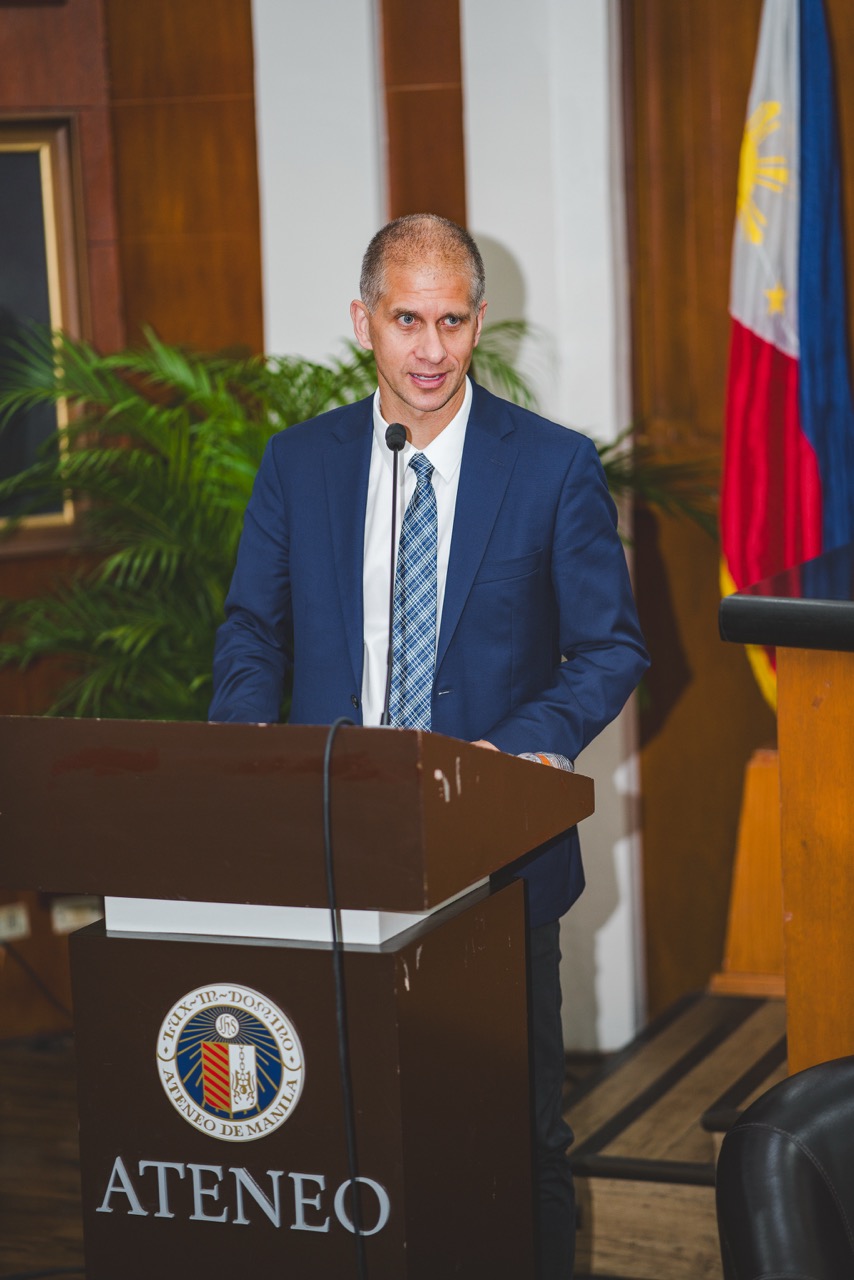
"International arbitration under institutional rules remains the most viable mechanism for cross-border international disputes,” Prof. Aslanowicz affirmed.
Concluding his talk, he highlighted an irony — while international arbitration was designed to escape the barricades of domestic courts, it has developed its own problems such as repeat nominations, high fees, and its own "parochialism."
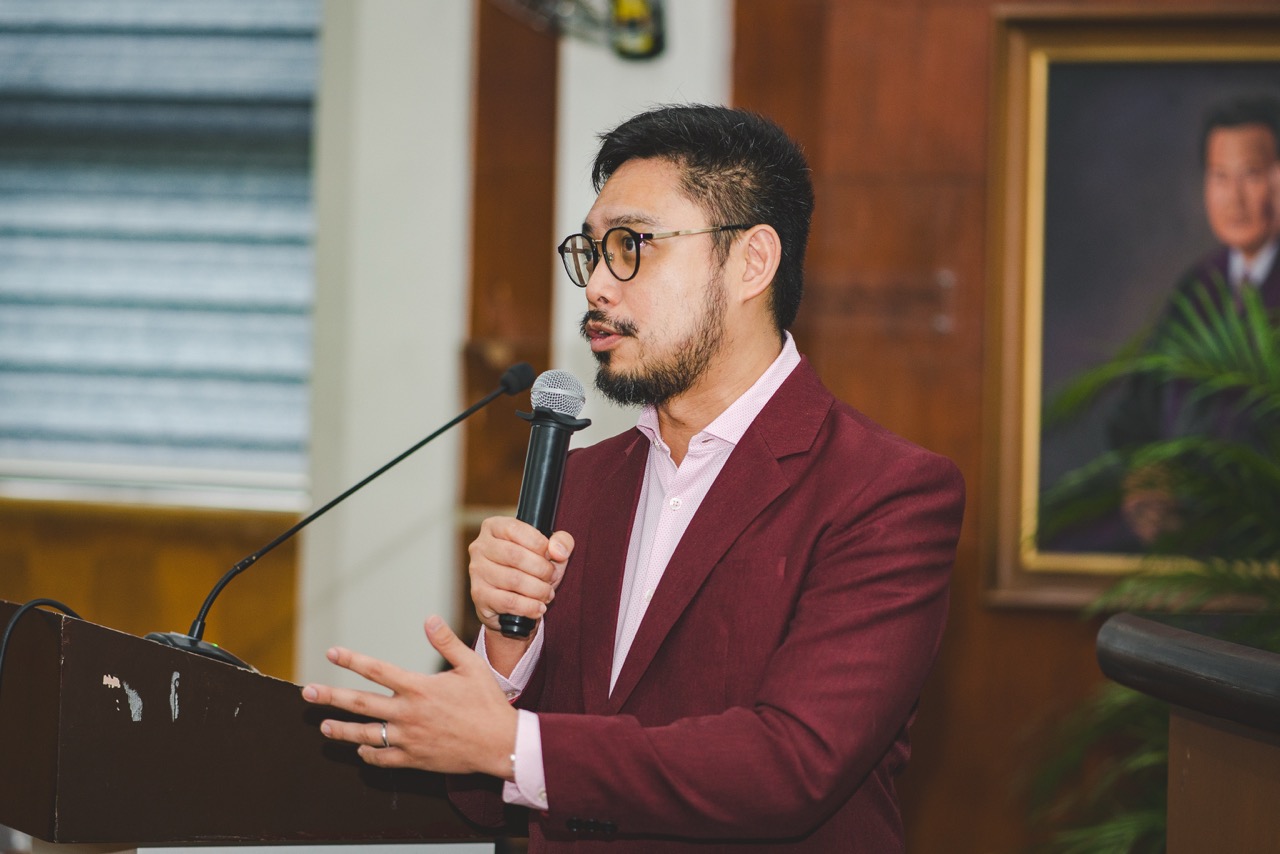
The lecture was followed by a reaction from Atty. Glenn Tuazon who discussed the intersection of AI and lawyer liability. He stressed that AI should not be used to think on behalf of law practitioners. It can be used for due diligence, but should still be fully disclosed by practitioners should they use such. “[A]ny lawyer that misleads the tribunal, misleads the court, should face responsibility for that," Atty. Tuazon said.
Atty. Tuazon also noted how the Philippine Supreme Court has maintained a pro-arbitration stance for the past 30 years, viewing it "the wave of the future.” He advocated for greater accessibility in consumer arbitration, suggesting that in an ideal world, arbitration would be the default mode of dispute resolution. Furthermore, given the Philippine courts' strong adherence to the competence-competence principle, he stressed the importance of ensuring that arbitration clauses are not defective or "pathological."
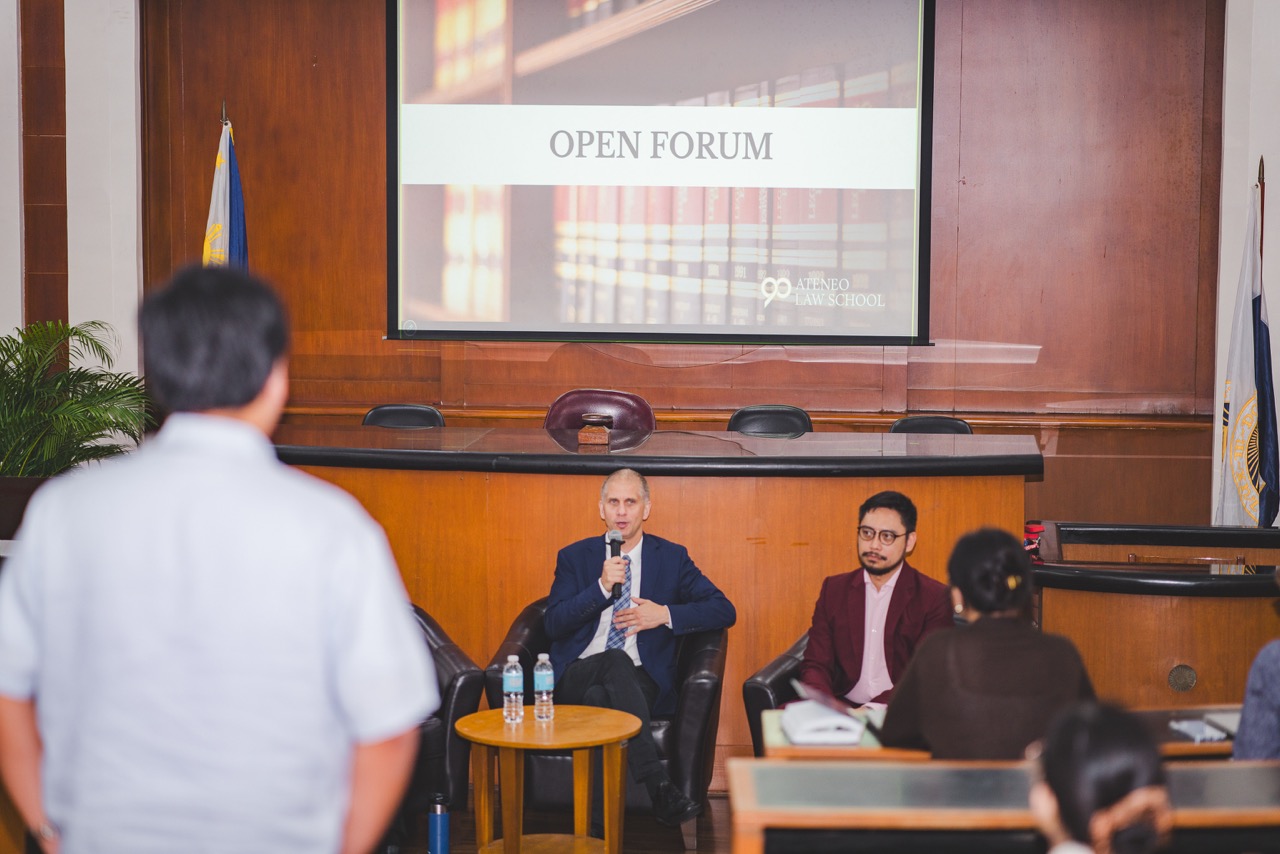
An open forum followed which engaged both speakers on a wide range of issues. Topics included the potential revision of the New York Convention, the prospects of the Philippines developing its own international arbitration center, public arbitration for indigent parties, and the nuances of updating model arbitration clauses.
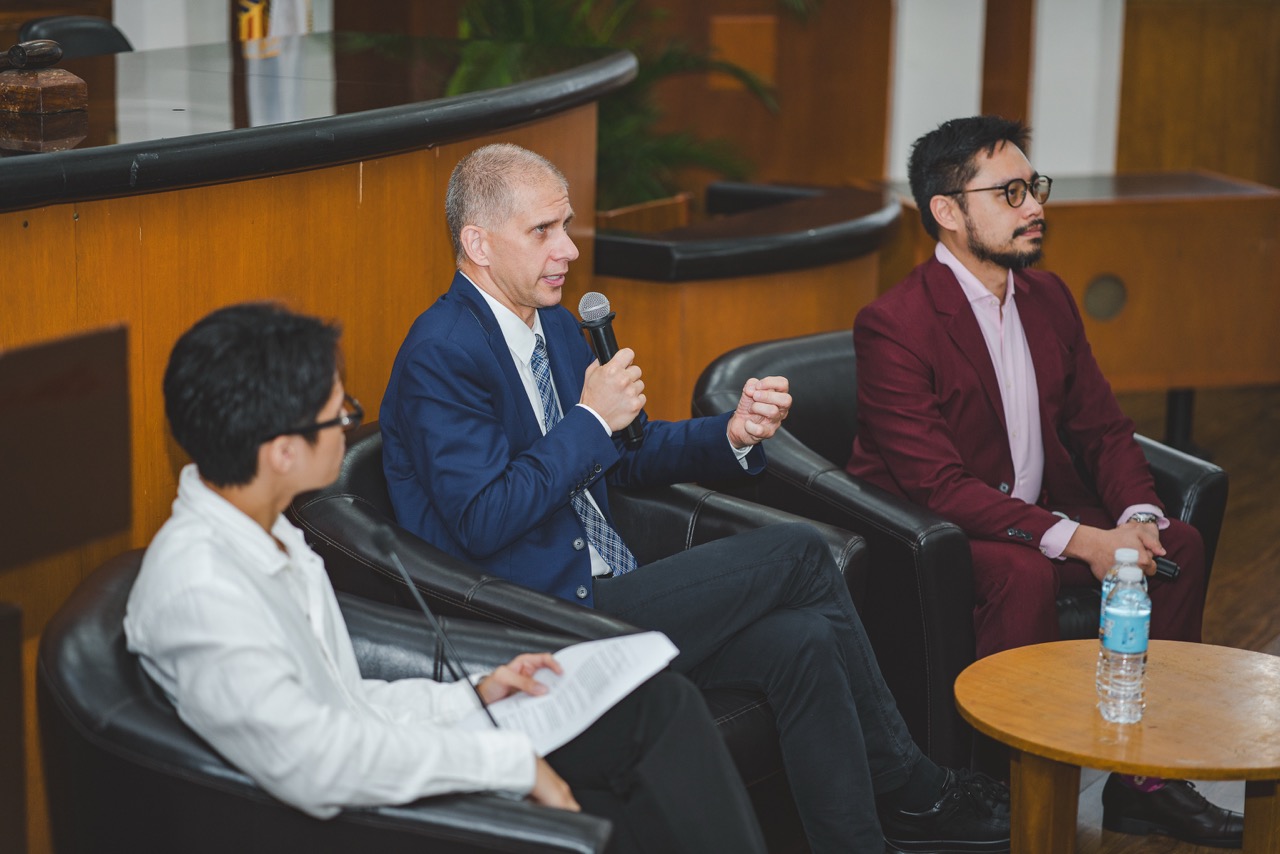
During the discussion, Aslanowicz raised an open question regarding how different jurisdictions can consistently interpret "public policy" under the New York Convention. Both speakers also agreed that the Philippines, with its large population and growing economy, has the potential to host a reputable arbitration institution on par with those in Hong Kong and Singapore. Addressing the financial barriers to arbitration, both affirmed that serving as an arbitrator should be viewed as a mission rather than a means to generate income.
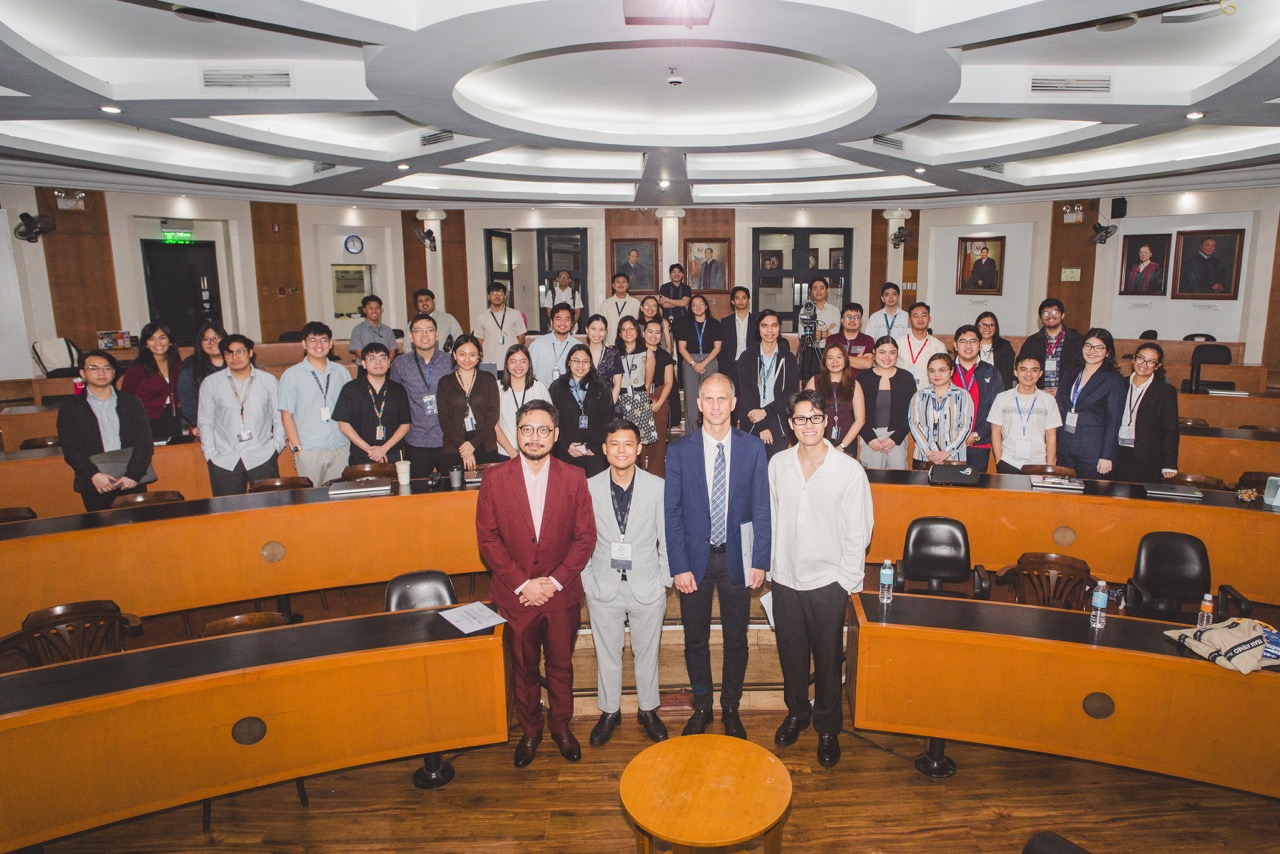
The forum concluded with a reminder of the evolving landscape of international commercial dispute resolution. It underscored that understanding available mechanisms and the role of the law in facilitating fairness, certainty, and cooperation remains a critical challenge for today’s law practitioners.
Recent News
You may also like these articles
Ateneo Law reaches semifinals, earns top oralist honors at MyBar SAMCO 2026
Ateneo Law School made a strong debut at the Malaysian Bar Sports Arbitration Mooting Competition (MyBar SAMCO) 2026, with one of its teams advancing to

Three Ateneo-incubated startups secure DOST-PCIEERD’s startup grant fund
Last 9 November, during the opening day of Philippine Startup Week 2026, Soolok Properties Inc, Pili AdheSeal Inc, and Saltric Power (PDG Engineering Services), three

Freedom in faith: Finding sanctuary behind bars of maximum security
It is one of the quiet ironies of human existence that we can walk freely down open streets, make our own choices, and go anywhere
Ateneo de Manila University joins IP CIRCLE League 2026
Ateneo de Manila University, through the Ateneo Intellectual Property Office (AIPO), participated in the IP CIRCLE (Create, Interact, Refine, Compete, Learn, and Experience) League 2026

Dekada: Remembering and Commemorating the Tenth Year of the War on Drugs
Dekada ng Sama-samang Pag-alala: Isang Eksibisyon ng mga Likhang Sining holds its second iteration at The Loft, 4/F George S.K. Ty Innovation Wing, Areté, Ateneo
AIPO strengthens freedom-to-operate search capabilities through three-day training workshop
The Ateneo Intellectual Property Office (AIPO) strengthened its knowledge and capabilities in freedom-to-operate (FTO) searches through a three-day training workshop organized by the Intellectual Property