Communities for conservation: The 2025 Ateneo Development Field School in Samar
17 Apr 2026 | Mavic Punay with contributions from ADFS 2025 Faculty and Students












Hiking, crossing rivers, spelunking, boat rides. These were the day-to-day activities that comprised the 2025 Ateneo Development Field School (ADFS) in Barangay Tenani, Municipality of Paranas, Province of Samar.
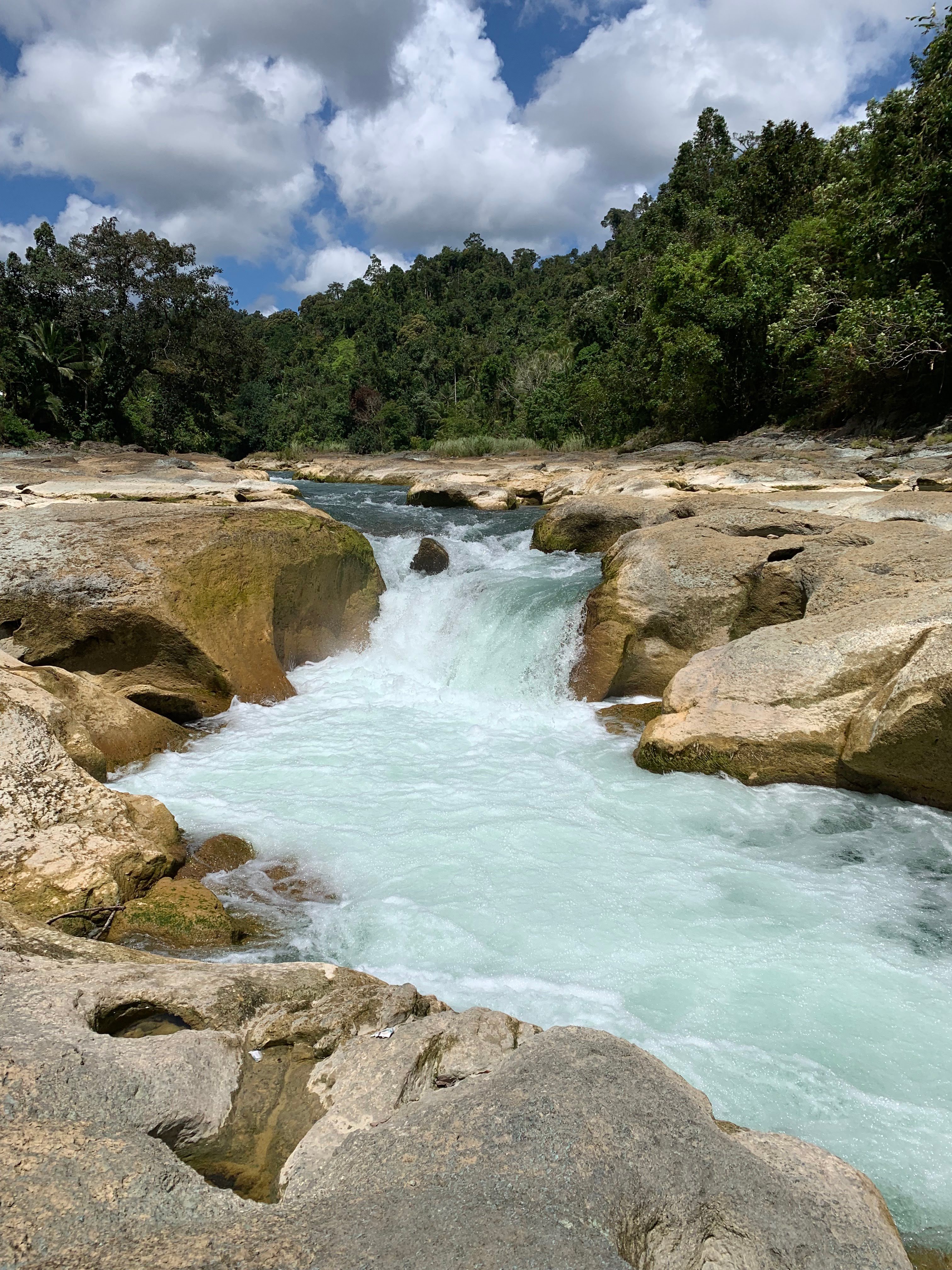
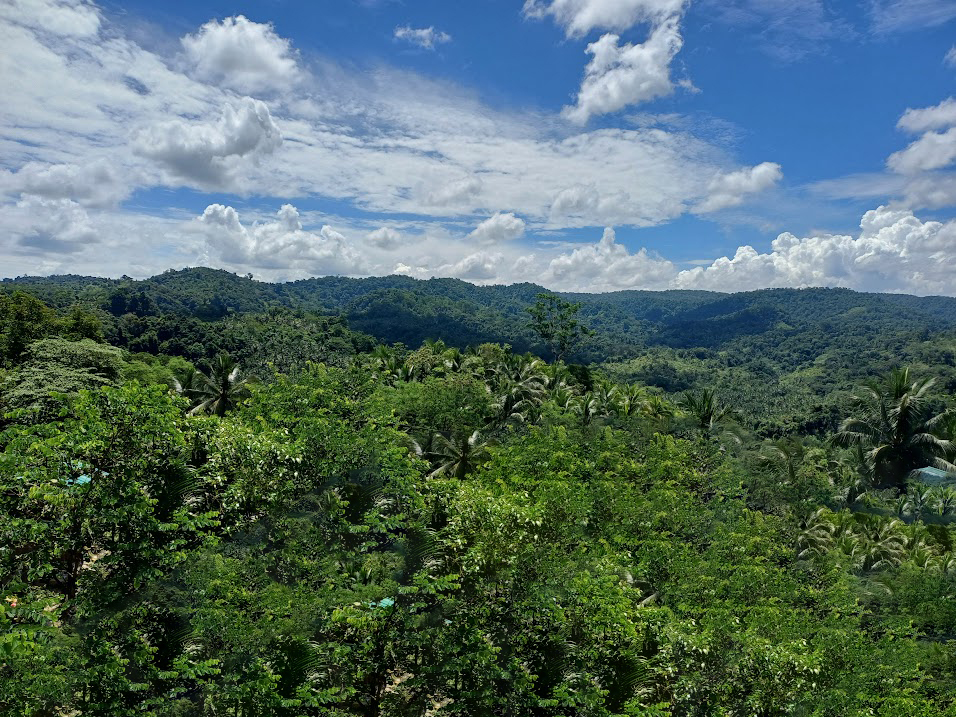
The Province of Samar is located in Eastern Visayas. It is one of the gateways to the majestic Samar Island Natural Park (SINP). The Park is home to more than 335,000 hectares of contiguous old-growth lowland forest and extensive karst landscape.
The field school was situated in Barangay Tenani, a village within SINP and is located on the banks of Ulot River, the longest river system in the province. From a dominantly agricultural settlement, Barangay Tenani has transformed into an ecotourism site, owing to the development of the Ulot River Torpedo Boat Extreme ride. This sustainable livelihood was intended to underscore the need for conserving the pristine waters of the river while at the same time, providing income-generating activities for the community-stewards.
Samar Island Natural Park and Its UNESCO World Heritage Nomination
Since 2018, various stakeholders have worked with the Province of Samar to nominate the site to the prestigious UNESCO World Heritage List. Filing for a UNESCO World Heritage inscription means proving SINP’s potential Outstanding Universal Value (OUV) and asserting its natural and cultural significance not only to the country but the world and humanity. Once a site is proven to meet at least one of UNESCO's ten criteria, it can then receive international prestige, conservation support, and potential economic, environmental, and social benefits. The promised influx of support from the international acclaim would help bolster eco-tourism within the region and provide a new economic niche for Samar given the expanse of the Natural Park. SINP is not only a Philippine treasure but a vital part of the world's ecological and cultural heritage. It is worth the recognition, protection, and sustainable stewardship for future generations.
The Role of Communities in Conservation
From June 16 to 29, 2025, the ADFS students worked with four people’s organizations: (1) the Tenani Boat Operators for River Protection and Environmental Development Organization (TORPEDO), a PO focused on ecotourism along the Ulot River; (2) the Tenani Association for Women and Development (TAWAD), a PO focused on ecotourism along the ecotrail in SINP; (3) the Reliable Youth Association of Tenani (RYAT), which serves as the youth arm of TAWAD; and (4) the Senior Citizens Organization of Barangay Tenani (SCO), a government-recognized, sector-based association. The students were divided into four teams that worked with each people’s organization, respectively.
The goal of ADFS 2025 was to work with the community organizations of Barangay Tenani in co-developing a Biocultural Community Protocol. In this process, the student teams consulted with the organizations regarding the nomination of SINP as a UNESCO World Heritage Site. They examined whether the values of the community are congruent with the possible World Heritage designation, investigated how the community will be affected by the designation, and developed a rights-based protocol that specifies a system of consultation should there be partnerships with external stakeholders.
ADFS 2025 employed the Ethnographic and Participatory Action Research (PAR) designs with corresponding Rapid Ethnographic Assessment Procedures (REAP) to facilitate the just recognition of local voices, stories, and practices amid a decision that may have a profound impact on their lives.
Ateneo Development Field School 2025
The ADFS program spanned four weeks, from June 9 until July 15, 2025. The first three days of the program consisted of in-classroom lectures wherein the students were given an overview of the community, the UNESCO World Heritage nomination, and the research methods to be used during the program. The students then flew to Samar on June 12 and remained there until the end of the fieldwork proper on June 29, which lasted more than two weeks.
The students initially stayed in the SINP headquarters dorm, wherein they attended additional lectures, giving them more in-depth knowledge about the community and SINP. Mr. John Rhey Dayang and Mr. Joefel Bercasio, provided a comprehensive overview of the history and conservation efforts involving SINP and the Ulot Watershed.
Students also paid courtesy calls and met with key government officials, Samar Governor Sharee Ann Tan, Paranas Vice Mayor Yolanda Tan, Tenani Barangay Captain Felicisimo Obingayan, and Ms. Yen Uy of Calbiga.
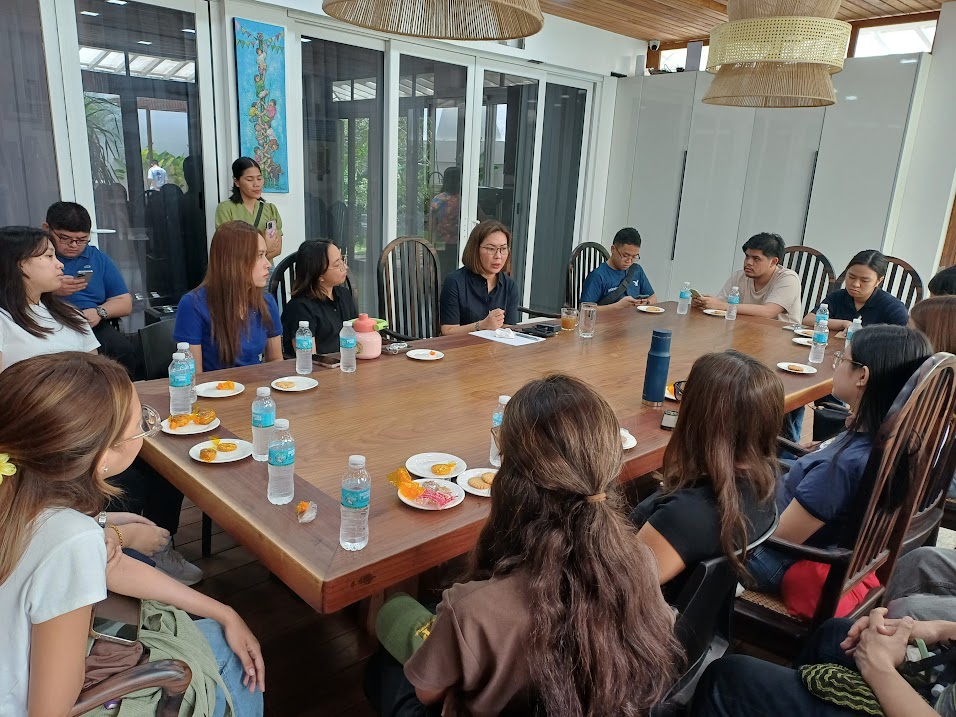
On June 15, 2025, the community immersion program commenced, during which twenty-three (23) students resided with twelve (12) host families in Barangay Tenani Proper and Sitio Campo Uno. The community immersion marked the beginning of the data collection process. Living among the residents of Tenani enabled the students to conduct ethnographic and participatory research design under REAP methods—transect walks, interviews, and workshops within community spaces.
Validation Process with the Community
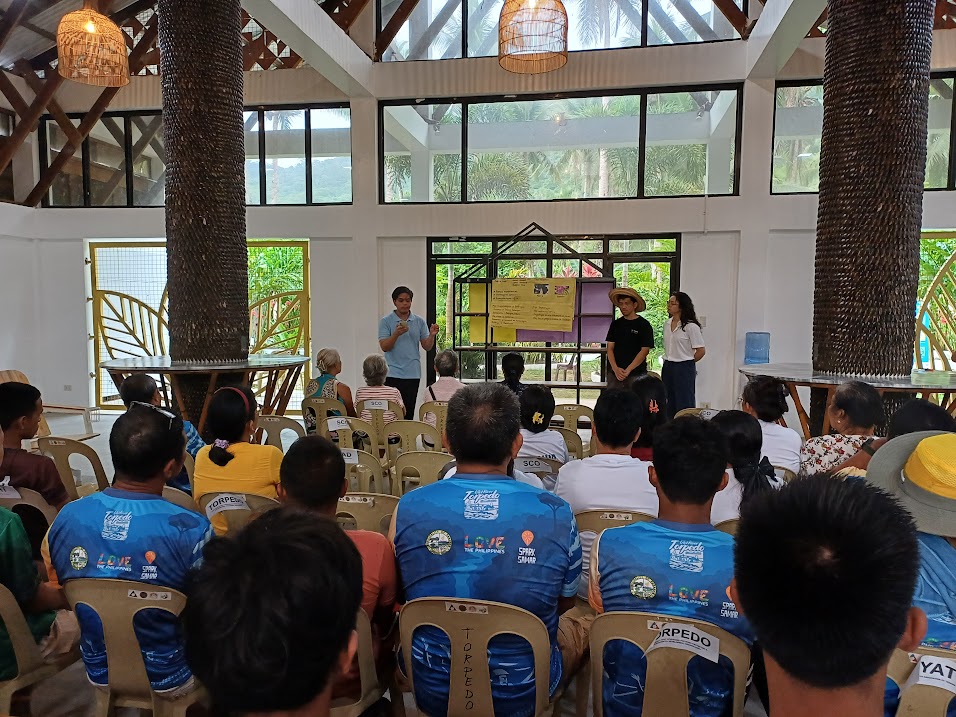
After the data collection, the students presented their findings to the various POs through an integrated presentation at the TORPEDO office on June 27, 2025. This integrated presentation showcased the students’ findings and proposed protocols for each People’s Organization and the Community as a whole. Feedback sessions between segments ensured that the integrated BCP would be accurate, with no gaps in the collected data. This presentation served as the culmination of the student’s research efforts to capture the authentic voices within the community.
Sites Visits to the Ulot River, Sohoton Caves, and Natural Bridge
To further enrich their learning journey, the students experienced firsthand the upstream and downstream boat ride along the Ulot River. Tour guides and boat operators from TORPEDO led the ride up to the iconic Deni’s Point - an area designated to be a jump-off point to the river.
Another site visit for the students was hosted by the Province of Samar, highlighting the Sohoton Caves and Natural Bridge Park in Basey, south of Paranas. Students were able to appreciate both the historical and natural significance of caves, featuring its impressive mineral formations. After a visit to the cave, students kayaked towards the Natural Bridge (rock formation) and enjoyed a dip in the river. Additionally, this site is also managed by a people’s organization, further exposing the students to the potential and sustainability of community-based ecotourism initiatives.

Community Solidarity Night
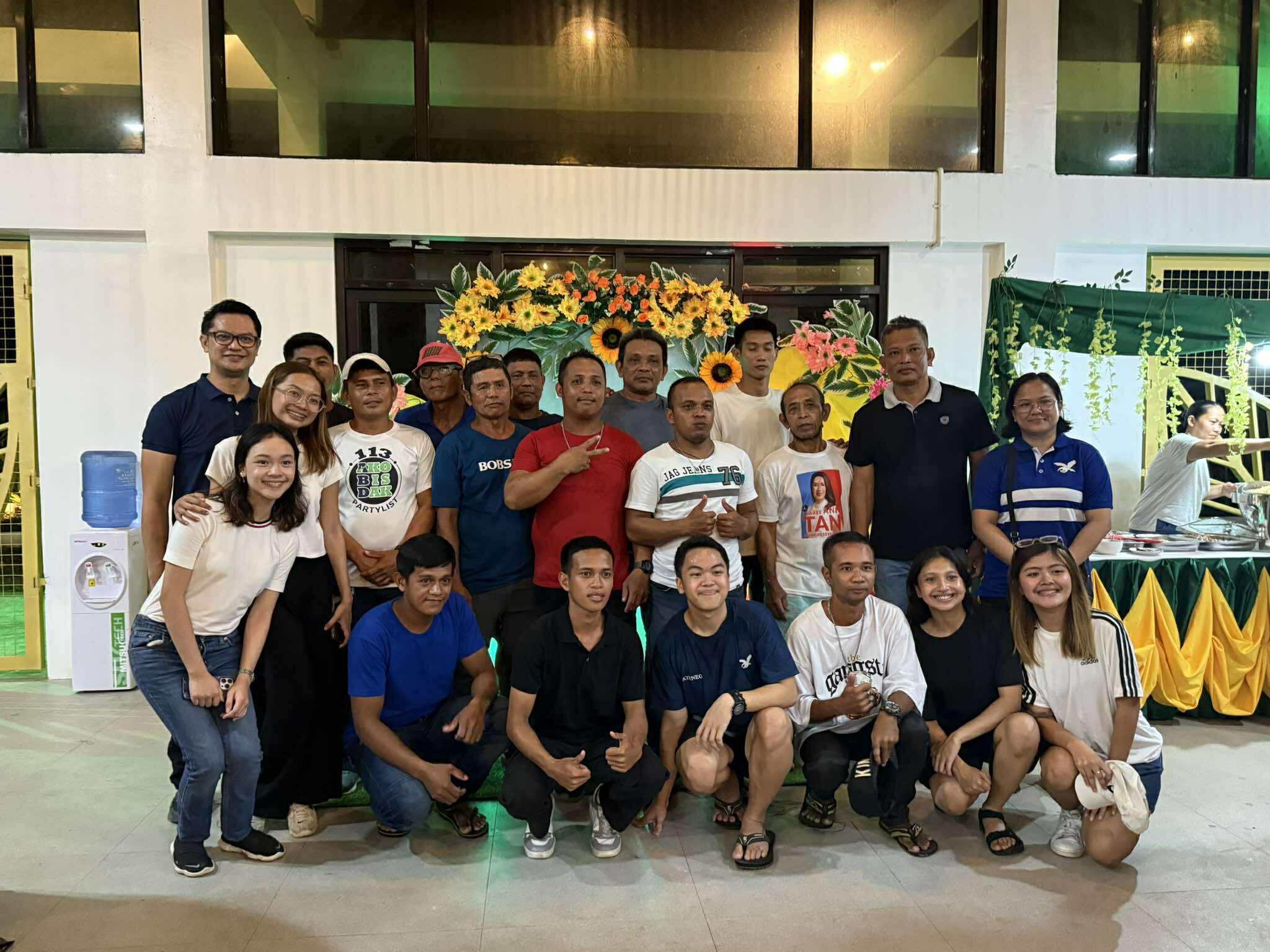
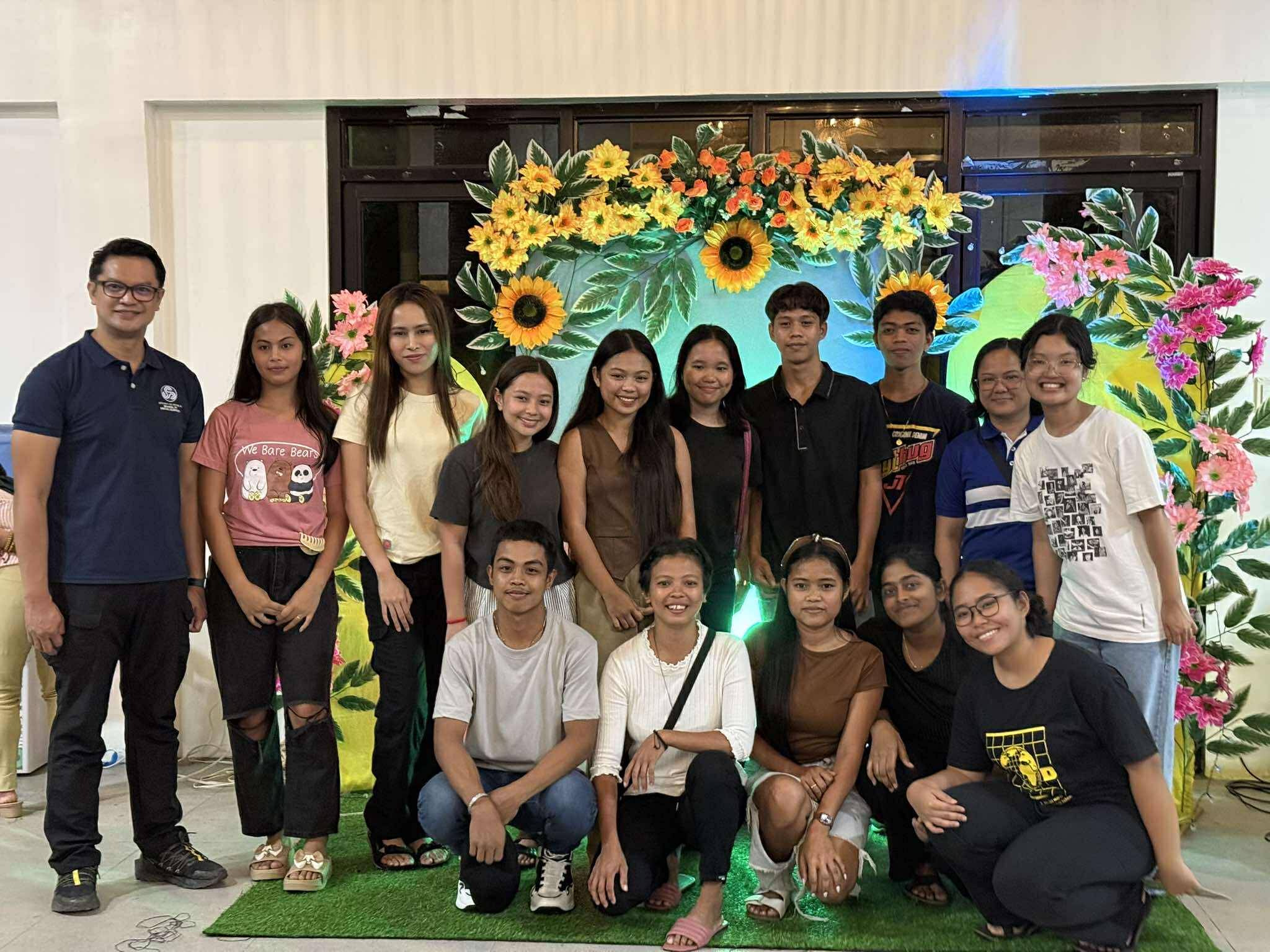
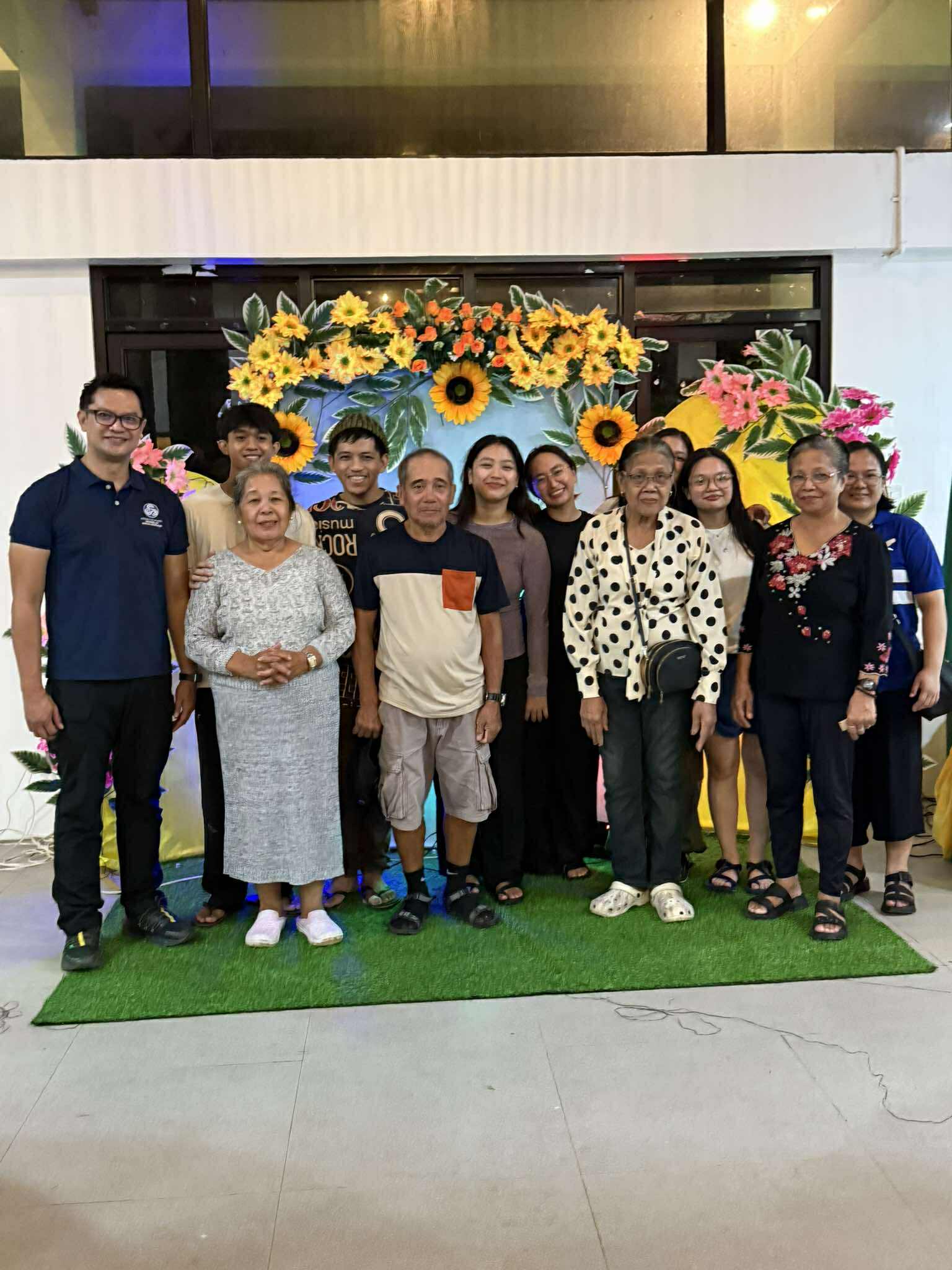
To cap-off the productive two-week immersion at Barangay Tenani, the students and faculty organized a Solidarity Night with the community on June 28, 2025. This brought together officers and members of each people’s organizations, homestay families, and residents of Barangay Tenani. The night was a revelry, where community members, students, and faculty displayed their talents, highlighting the exchange of cultural expressions.
Of note was the practice of the Kuratsa, a folk dance tradition of Samar Province. Community members called on students and faculty to learn and practice the tradition of this courtship dance. The night ended with students and community members exchanging insights from the immersions and expressing their gratitude for the opportunity to learn from one another through ADFS 2025.
After the solidarity night, the students returned to the university to finalize the Bio-cultural Community Protocol and prepare for the final presentation to the stakeholders.
Recent News
You may also like these articles

Vision for a brighter future: ACED, Physicians for Peace Philippines provide free eyeglasses to learners in Bacnotan, La Union
For 256 grade school and high school students in Bacnotan, La Union, unaddressed vision issues have been silently impairing their reading ability and academic growth

Join Us for Dekada Solidarity Night on 29 October
As Dekada ng Sama-samang Pag-alala: Isang Eksibisyon ng mga Likhang Sining draws to a close, the public is invited to gather for an evening of
Join Us for Dekada Solidarity Night on 29 October
As Dekada ng Sama-samang Pag-alala: Isang Eksibisyon ng mga Likhang Sining draws to a close, the public is invited to gather for an evening of

Cultures of care: Mental health and pathways to well-being in Southeast Asia
The Ateneo Initiative for Southeast Asian Studies (AISEAS) and the Department of Psychology, both under the Dr Rosita G Leong School of Social Sciences (RGLSOSS)

You Were Not Even There: Student Films with Selections from DekadaTV Open Call on October 27
Join the Ateneo Art Gallery for You Were Not Even There: Student Films with Selections from DekadaTV Open Call, happening on Tuesday, 27 October 2026

PSA to run Ateneo-built National ID verification for local governments and NGOs
Built for areas with limited or no connectivity, including geographically isolated and disadvantaged areas. The same software is available to banks and other institutions.