PSA to run Ateneo-built National ID verification for local governments and NGOs
13 Oct 2026








Ateneo de Manila University has developed a National ID verification platform that the Philippine Statistics Authority (PSA) will host and operate for local government units and non-government organizations, allowing them to use the service without building and running their own systems.
The Ateneo Business Insights Laboratory for Development (BUILD) at the John Gokongwei School of Management (JGSOM) and its Technical Resource Lab (TRL) developed the eKYC Extension Platform, which Co-Develop funds as part of its work on digital public infrastructure. Ateneo makes the software available to any organization to use, modify, and redistribute, provided it credits Ateneo. The PSA will host and operate its own instance, with Ateneo providing the software, training and technical support. Ateneo accepted the PSA’s January 2026 proposal to use the platform for its own systems. The two institutions met on 5 October 2026 to discuss transferring day-to-day management, which they aim to complete by the end of 2026.
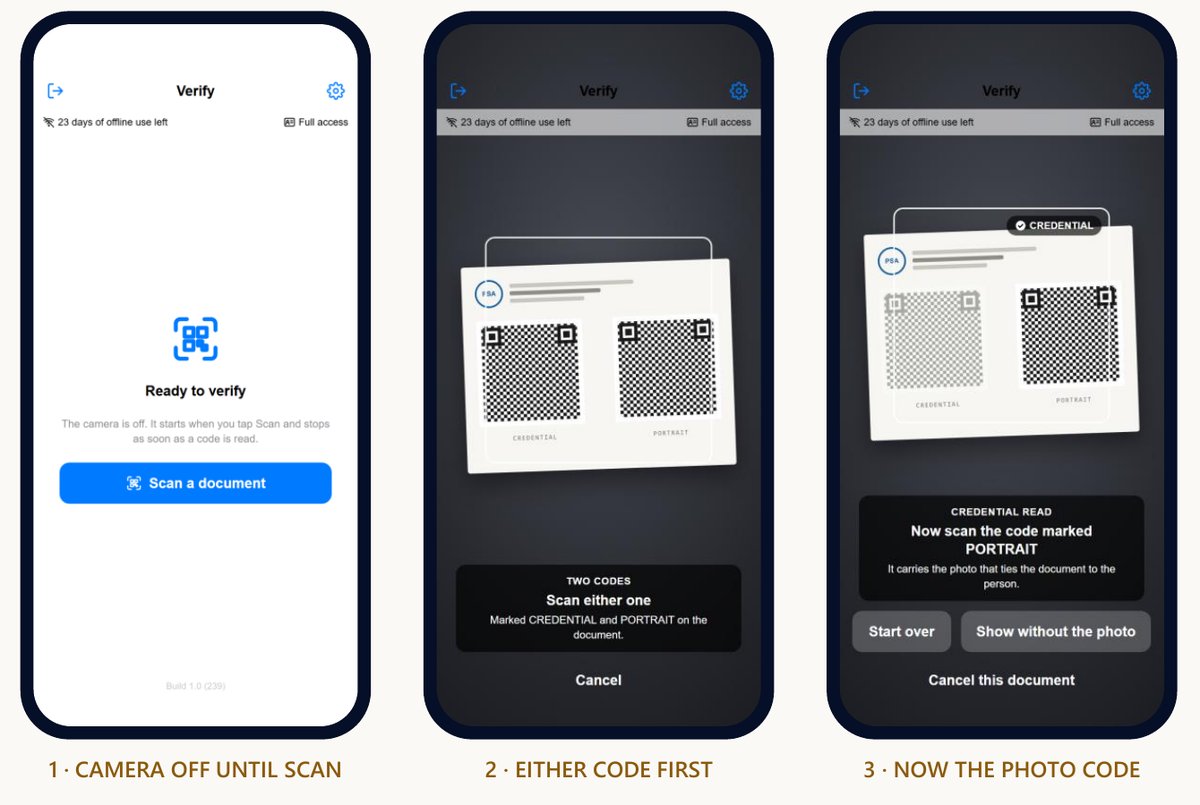
The platform is built for areas with limited or no connectivity, including geographically isolated and disadvantaged areas, or GIDA. A person obtains a verification code where a connection is available, such as a PSA office or a barangay hall, and presents it later at the office delivering the service, even where that office has no signal at the time. Without it, the office either releases assistance without verifying the recipient or delays it while waiting for a connection.
The PSA issues the encrypted, time-limited code only after its National ID authentication service confirms the person’s identity. It is separate from the digital National ID held in the eGovPH app and does not replace the PhilID card. It supports service delivery where connectivity is unreliable, while card issuance and network coverage continue to expand.

Director Richard Lozada of the Ateneo Technical Resource Lab described the platform as a bridging measure while the National ID rollout proceeds.
“The requirement for stable internet connectivity should not be a blocker,” Lozada said. “We are addressing geographically isolated and disadvantaged areas and locations with limited network and electricity. This is a mitigation strategy until National ID cards can be widely issued or an area has better network coverage.”
Participants in the recent social protection workshop for local governments and NGOs were not required to have a stable internet connection.
Approved organizations as of 25 September 2026
As of 25 September 2026, 150 organizations were approved to use the PSA’s eVerify service. These organizations, known as relying parties, included 28 of the country’s 1,634 local government units.
Among private institutions, the PSA approved 18 of the 67 electronic money issuers licensed by the Bangko Sentral ng Pilipinas and 4 of 38 non-bank issuers. Several large remittance and bills payment networks are not yet listed.
Ateneo’s own approval process began with registration in April 2025. It connected to the PSA’s National ID authentication service on 5 November 2025 and executed its subscription agreement with the PSA on 1 April 2026. The process took 364 days and involved 13 separate requirements. Software integration took days; the remaining time went to documentary requirements, a third-party security assessment and a notarized contract.
Organizations using the PSA-hosted platform do not need to repeat this process.
“A municipal government or a small NGO should not have to spend a year on documentary requirements in order to verify a person’s identity,” Lozada said. “Ateneo built the platform. The PSA will run it for them.”
Ateneo provides the software, a working installation, and operator training as a University contribution.
For banks and other institutions
Using Ateneo's software stack, the PSA can host relying party verification and authentication functions for organizations without their own systems. Banks, electronic money issuers, lending and financing companies, and insurers already run their own systems and can use the same software or work with Ateneo on their own implementation.
These institutions can also use offline verification at branch counters and payout centers with weak connectivity.
Ateneo BUILD and TRL help government agencies, banks, financial institutions, and non-government organizations implement National ID verification and provide training. TRL has completed and documented the full approval process. Each engagement is agreed separately under a service agreement with the University. Interested institutions may write to the contact below.
Background
Undersecretary Claire Dennis S Mapa, National Statistician and Civil Registrar General, and Assistant Secretary Rosalinda P. Bautista, Deputy National Statistician for the PhilSys Registry Office, met the Ateneo BUILD and TRL teams on 6 October 2026 to review the platform and set the next steps in support of the nationwide National ID rollout.
The announcement also follows the National ID Forum: Utilizing the National ID for Social Protection Services, held on 28 September 2026 in Quezon City. The PSA organized the forum with Ateneo BUILD and TRL.
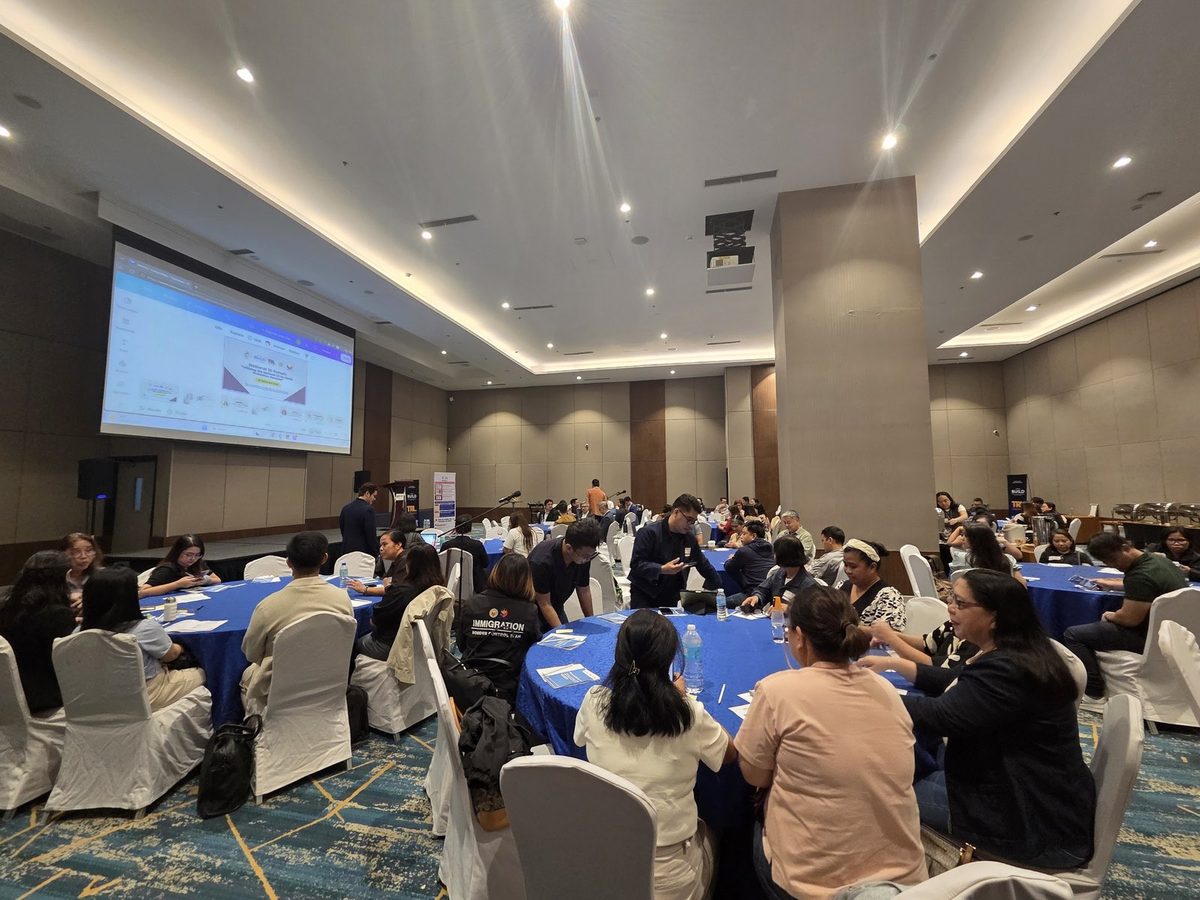
Officer-in-Charge Assistant National Statistician Atty Henedine P Palabras of the Use Case Development and Management Service gave the keynote message for Assistant Secretary Rosalinda P Bautista, Deputy National Statistician of the PhilSys Registry Office. The sessions covered how National ID authentication works and how to connect to it, social protection uses, verifying the National ID without an internet connection, and AI-assisted verification.
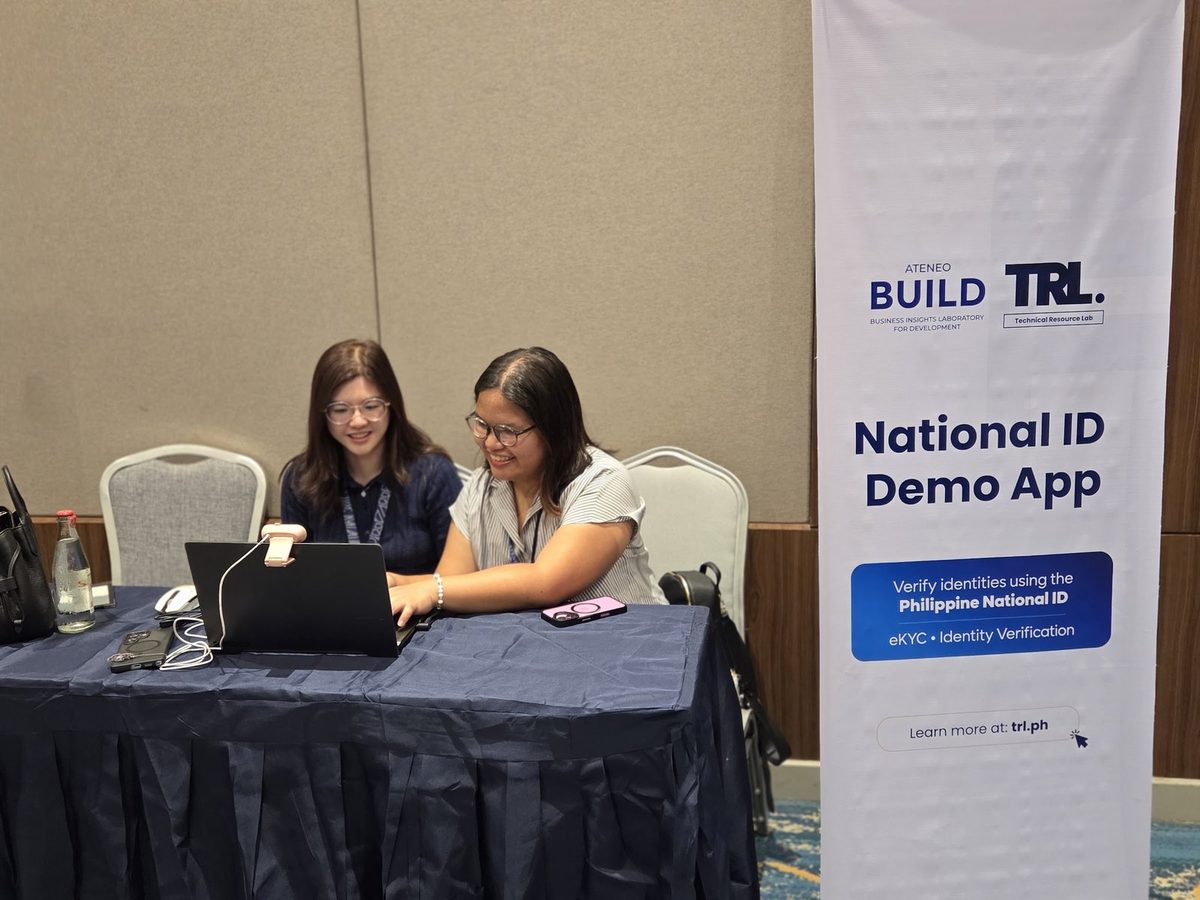
Ateneo BUILD and TRL also maintain a weekly record of the PSA’s relying party registry, the public list of organizations approved to use eVerify. They believe it to be the only continuous record of its kind outside the PSA.
Co-Develop funds the Technical Resource Lab. Ateneo BUILD and Co-Develop launched the TRL Experience Center at the John Gokongwei School of Management on 12 April 2025. At the lab, students, technologists, policymakers and entrepreneurs can use digital public infrastructure services, including the PhilSys National ID system. The program developed the eKYC Extension Platform and the weekly registry record.
About Ateneo BUILD.
The Ateneo Business Insights Laboratory for Development is a research and practice unit of the John Gokongwei School of Management at the Ateneo de Manila University. It works on data, technology and digital public infrastructure for development.
About Ateneo TRL. The Technical Resource Lab builds and runs working systems for research, teaching and collaboration with government agencies. TRL is approved to use the Philippine Identification System eVerify service. Its work on digital public infrastructure is funded by Co-Develop.
About Co-Develop.
Co-Develop is a global nonprofit fund that accelerates the adoption of safe, inclusive, and scalable Digital Public Infrastructure (DPI). Co-Develop aims to help governments and local partners in at least 50 countries build and govern core digital systems that serve the public interest in the next five years. The organization provides strategic support to overcome adoption bottlenecks and contributes to the global evidence base on DPI's impact on development.
Media contact. build.jgsom@ateneo.edu
Institutional inquiries. build.jgsom@ateneo.edu
ateneo.edu/jgsom/build
trl.ph
Recent News
You may also like these articles

Growing with purpose: How Mekeni Food Corporation turns adversity into shared value
From a small backyard operation in Porac, Pampanga, to an internationally recognized food brand exporting to 25 countries, Mekeni Food Corporation's journey demonstrates how businesses

Three Ateneo-incubated startups secure DOST-PCIEERD’s startup grant fund
Last 9 November, during the opening day of Philippine Startup Week 2026, Soolok Properties Inc, Pili AdheSeal Inc, and Saltric Power (PDG Engineering Services), three
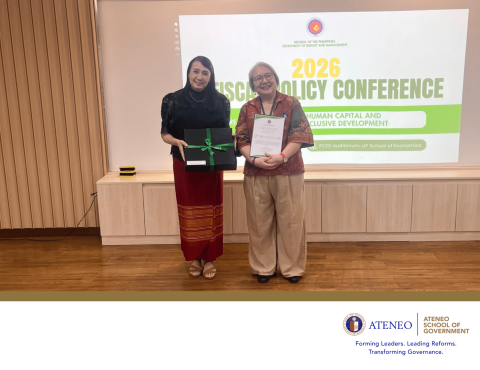
Ateneo Policy Center presents study on local health spending at DBM Fiscal Policy Conference 2026
On 19 October 2026, the Ateneo School of Government, through its research and policy unit, the Ateneo Policy Center (APC), presented findings from a study
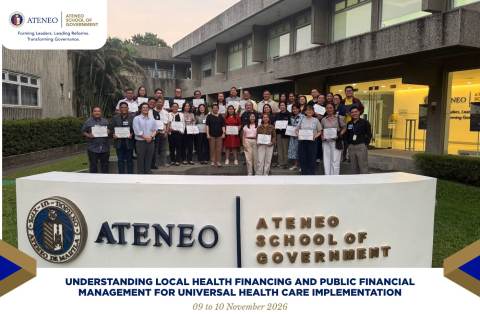
Turning health resources into services: ASOG conducts executive education course on health financing and public financial management
The Ateneo School of Government (ASOG) conducted Understanding Local Health Financing and Public Financial Management for Universal Health Care Implementation, a two-day executive education course
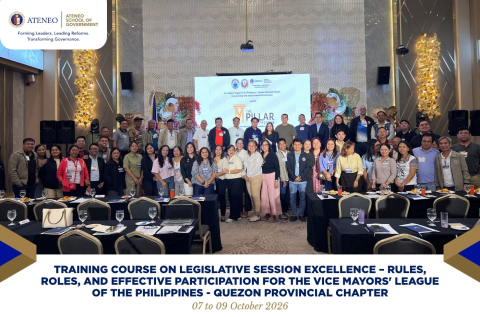
ASOG and VMLP Quezon Chapter Strengthen Legislative Leadership Through PILLAR Program Module on Session Management
The Ateneo School of Government (ASOG) through its Executive Education Center, in partnership with the Vice Mayors’ League of the Philippines (VMLP) – Quezon Provincial
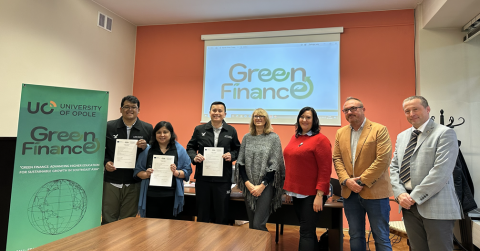
JGSOM representatives complete green finance training in Poland, sets sights on 2027 micro-credential launch
Representatives of Ateneo de Manila University's John Gokongwei School of Management (JGSOM) completed the second phase of their Erasmus+ Green Finance international mobility activities at