Bridging culture and innovation: CI-Ateneo launches the China Greater Bay Area Study Camp
24 Jun 2026




The Confucius Institute at Ateneo de Manila University (CI-Ateneo), in collaboration with its partner institution Sun Yat-sen University (SYSU), successfully launched the China Greater Bay Area Study Camp 2026. The program brought together 14 Chinese language and culture students and members of the Ateneo community for an educational journey across one of China’s most dynamic and innovative regions.
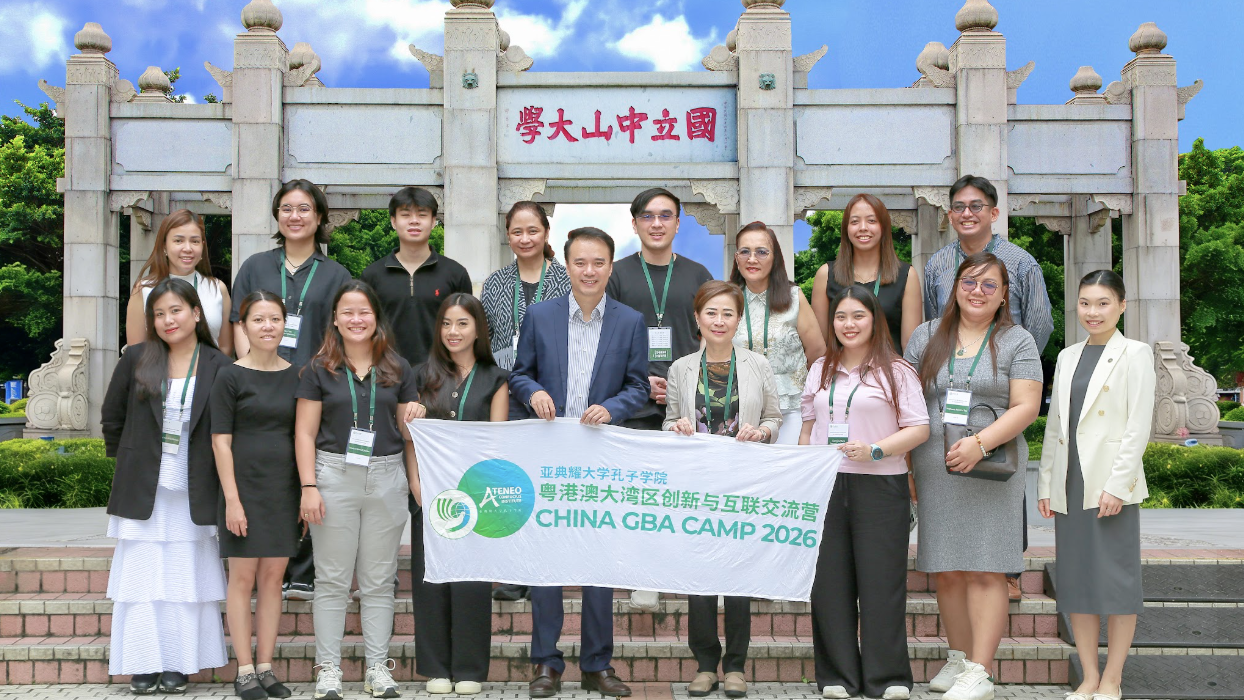
The Guangdong-Hong Kong-Macao Greater Bay Area (GBA) is one of China’s key national development initiatives, bringing together Hong Kong, Macao, and nine cities in Guangdong Province into an integrated hub for innovation, advanced manufacturing, finance, and cultural exchange. Anchored on the theme “Where Culture Meets Technology and Innovation,” the GBA study camp combined language practice, cultural exchange, and visits to academic institutions, museums, technology companies, and innovation hubs across Guangzhou and Shenzhen. Participants gained firsthand insights into the Greater Bay Area’s rich cultural heritage, rapid development, academic excellence, and dynamic innovation ecosystem.
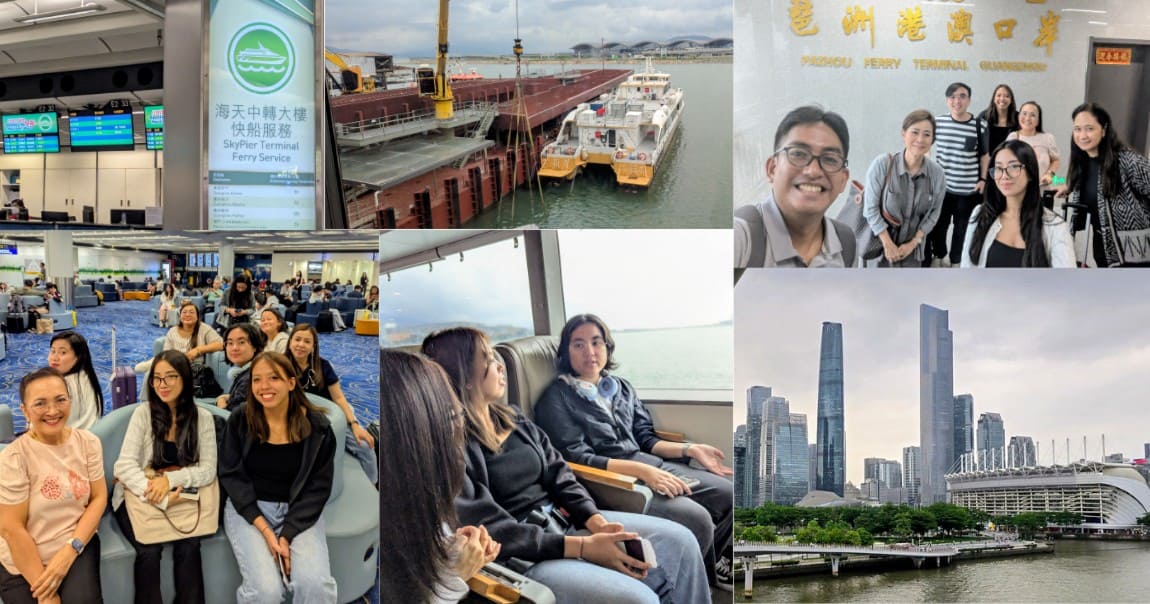
Rather than taking a direct flight to Guangzhou, the delegation intentionally began its journey in Hong Kong and traveled via the Pazhou Ferry to experience the Greater Bay Area’s seamless regional connectivity firsthand. Docked beside the Pazhou Complex, home of the China Import and Export Fair (Canton Fair), participants traversed the historic Pearl River, gaining a unique perspective on how one of China’s oldest trade routes continues to connect culture, commerce, and innovation.
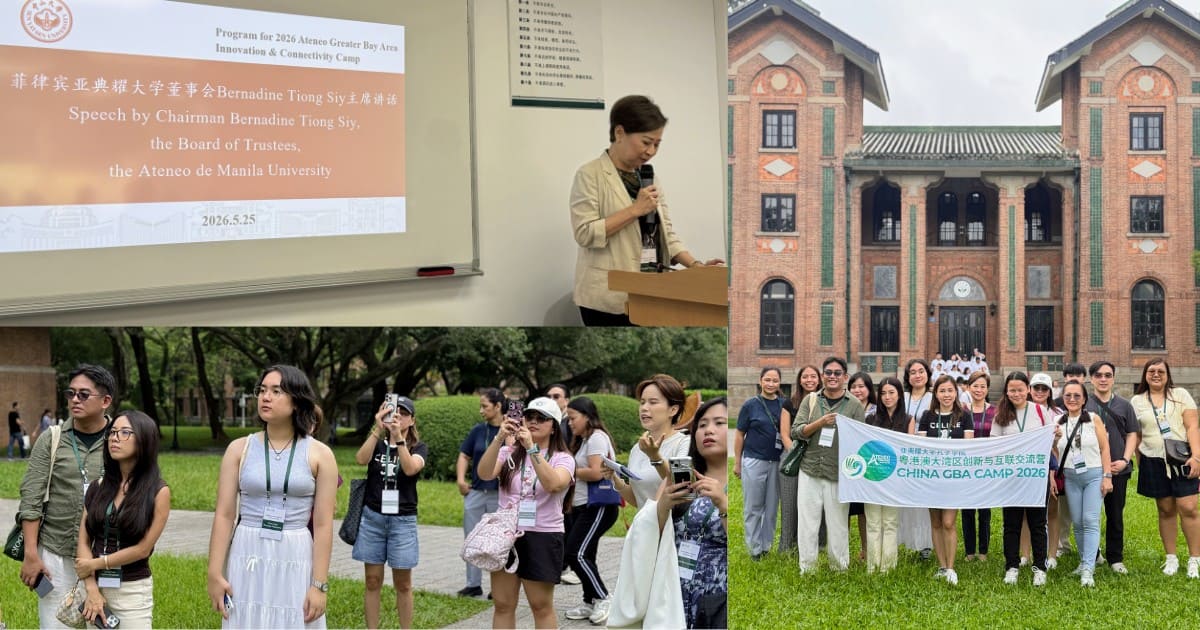
The study camp officially opened at SYSU, where the delegation was welcomed by Mr. Yu Bojun, Deputy Director of the Office of International Cooperation and Exchange, who highlighted the enduring 20-year partnership between the two universities through the Confucius Institute and its role in promoting language learning and cultural exchange. On behalf of the participants, Ms. Bernardine Siy, Chairperson of the Board of Trustees of Ateneo de Manila University, delivered the response message. Joining the study camp in her personal capacity after not visiting China for many years, expressed her appreciation for the opportunity to witness China’s development and technological innovation firsthand.
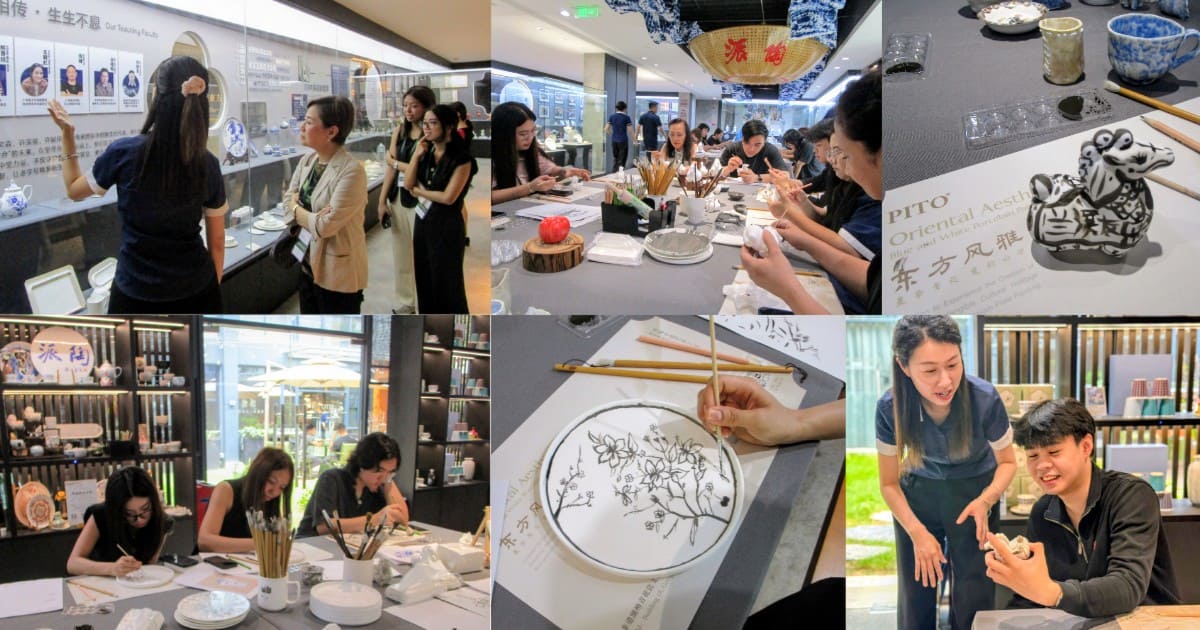
Over the course of the eight-day program, participants explored key institutions and innovation hubs across Guangzhou and Shenzhen, gaining a deeper understanding of the Greater Bay Area’s integrated approach to culture, education, technology, healthcare, and sustainable urban development.
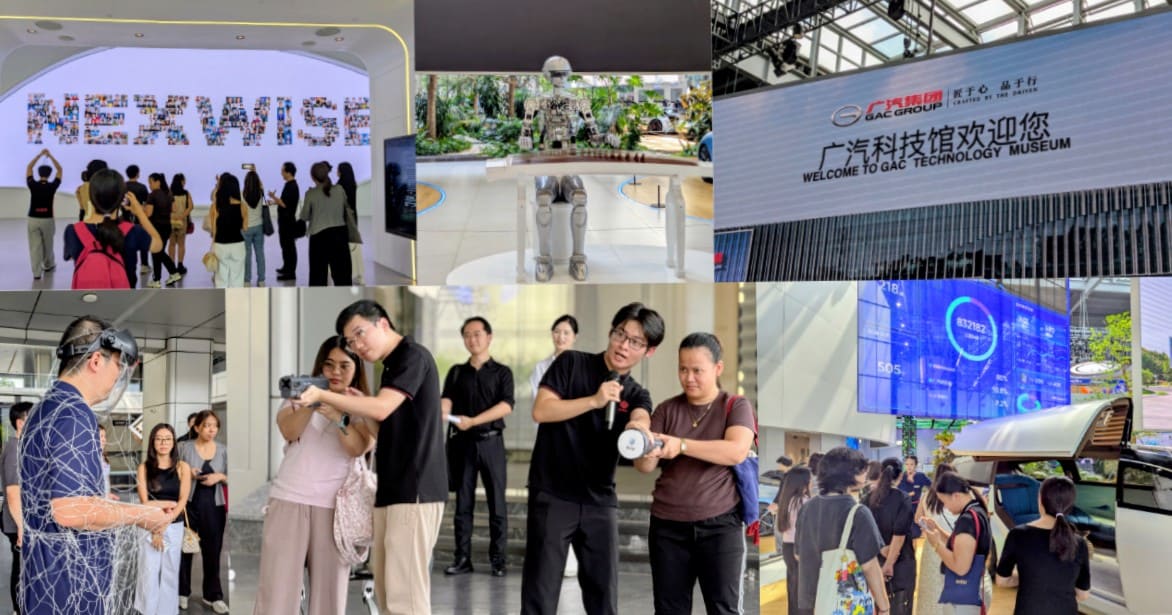
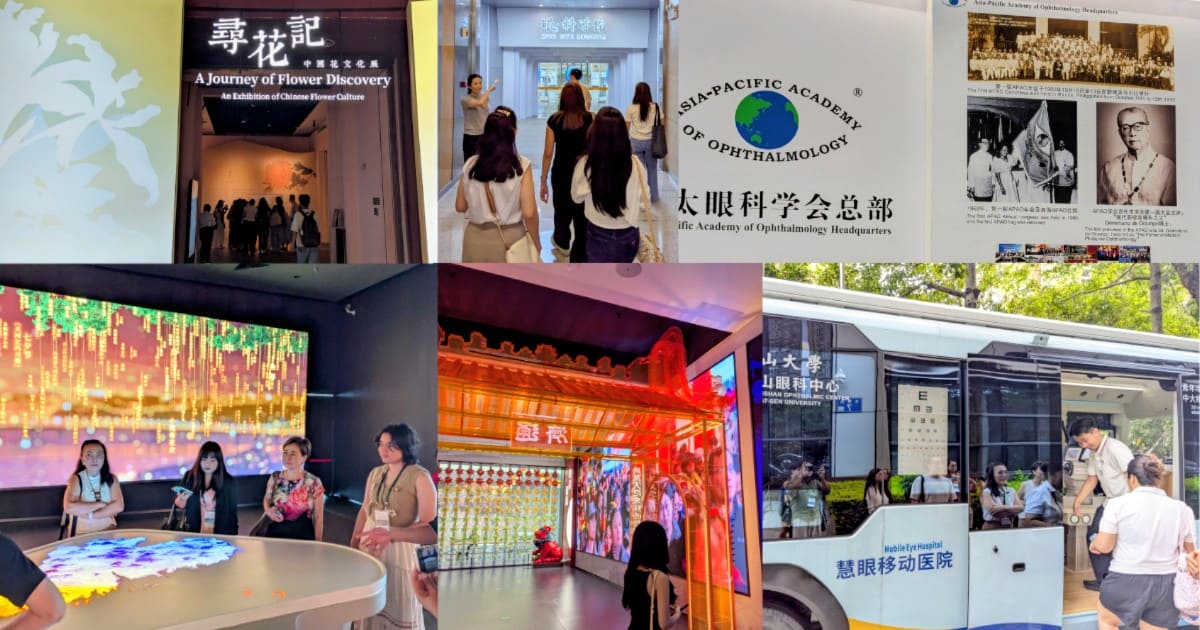
In Guangzhou, the delegation visited the main campus of SYSU, as well as the Guangdong Museum and the Baietan GBA Art Center, where participants experienced the region’s rich cultural heritage and vibrant artistic landscape. Visits to Guangdong PITO Ceramics. showcased the preservation of traditional craftsmanship through innovation, while the Zhongshan Ophthalmic Center, Nexwise Intelligence China, and the GAC Science and Technology Museum highlighted advances in healthcare, artificial intelligence, public security, smart manufacturing, and green mobility.
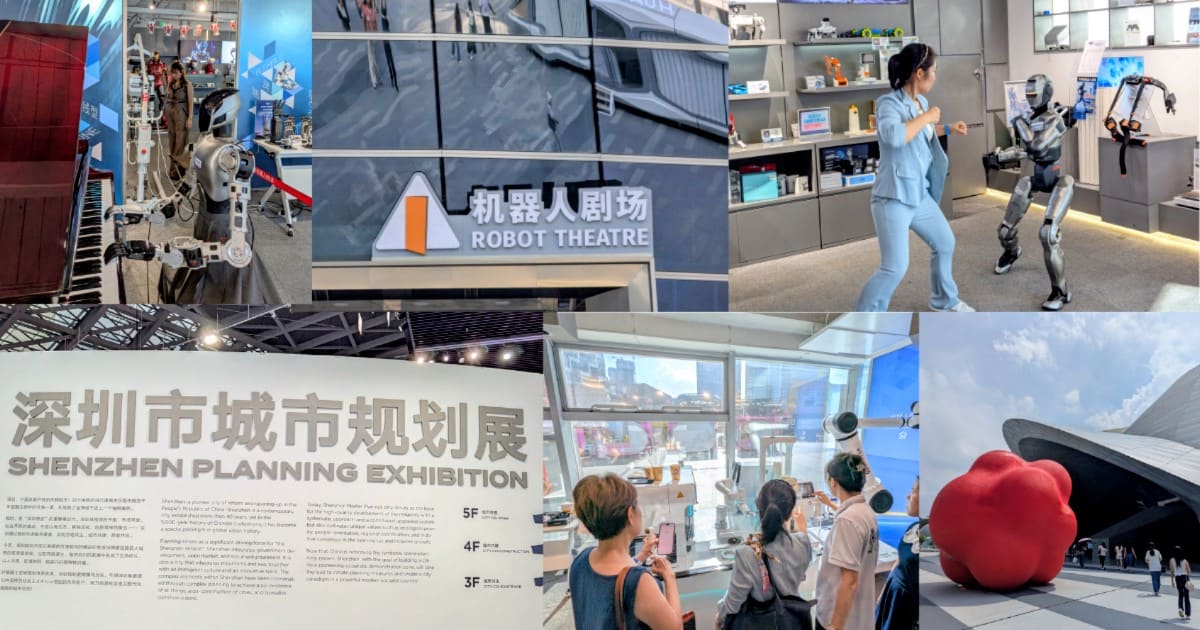
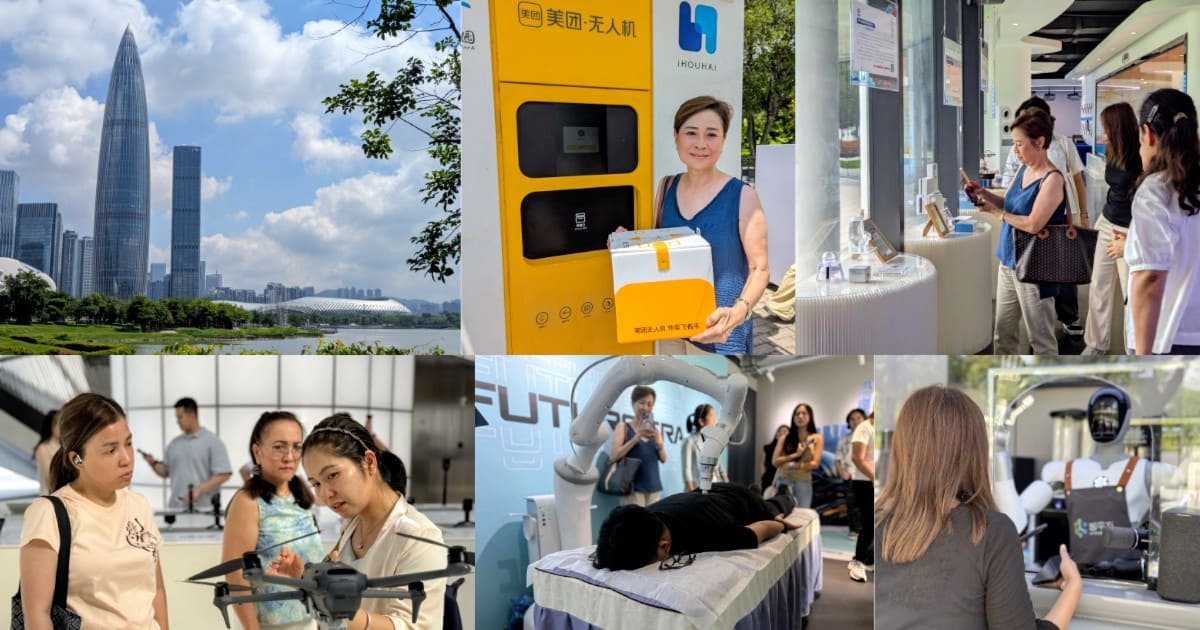
In Shenzhen, participants explored the city’s transformation into a global center of innovation through visits to Shenzhen Talent Park and the Shenzhen Reform and Opening-up Exhibition Hall, which underscored the city’s development driven by reform and talent cultivation. The group also experienced emerging technologies at the Huaqiangbei Electronics Center, Shenzhen Robot Theater, DJI Innovation, and Xiaomi Automobile, gaining firsthand insights into robotics, drone technology, and intelligent electric vehicle manufacturing.
Together, these visits illustrated the Greater Bay Area’s people-centered approach to innovation and sustainable development, where academia, government, industry, and communities collaborate to build future-ready cities.
A key takeaway for many participants was discovering that innovation in China is not confined to laboratories, universities, or research institutions, it is deeply embedded in everyday life. Throughout the study camp, participants witnessed how research and technology are translated into digital services, intelligent infrastructure, and practical solutions that make cities more efficient, accessible, and convenient.
Whether making cashless payments through QR codes, navigating metro systems, using translation tools to communicate with locals, or even riding a driverless taxi, participants found themselves immersed in a highly digital environment. These everyday interactions also became valuable opportunities to practice Mandarin in real-life
situations.
Beyond technology, the study camp offered rich opportunities for cultural immersion. Participants sampled authentic Chinese cuisine, explored neighborhood cafés and local markets, practiced Mandarin while ordering meals and asking for directions, and navigated the bustling streets of Guangzhou and Shenzhen together. The warm and humid summer climate, long days of walking, and occasional language barriers became part of the adventure.
Recent News
You may also like these articles
Updating of Medical Records Second Semester SY 2026-2027
14 November 2026 TO: Undergraduate and Graduate Students FROM: Higher Education Office of Health Services-College SUBJECT: Updating of Medical Records Second Semester SY 2026-2027 Please

Promotion of Faculty in the Senior High School (Memo U2627-050)
(Memo # U2627-050) I am pleased to announce that upon the recommendation of the Senior High School Committee on Faculty Rank and Permanent Appointment and the endorsement of the Vice President for Basic Education, I am approving the promotion of the following faculty members in the Senior High School:

Demise of Mr Silvestre P Villarin(Memo U2627-049)
(Memo U2627-049) We extend our condolences to Fr Jose Ramon “Jett” T Villarin SJ and his family on the passing of his father, Mr Silvestre Villarin, on 18 November 2026 at the age of 96. Fr Villarin is the former University President, a faculty member of the Department of Physics, and the Executive Director of the Manila Observatory.

Growing with purpose: How Mekeni Food Corporation turns adversity into shared value
From a small backyard operation in Porac, Pampanga, to an internationally recognized food brand exporting to 25 countries, Mekeni Food Corporation's journey demonstrates how businesses

[AGS] National Book Week
Open a Book, Stories Unfold, Wonders Flow Let us come together as one AGS community to celebrate the 92nd National Book Week with the theme

Three Ateneo-incubated startups secure DOST-PCIEERD’s startup grant fund
Last 9 November, during the opening day of Philippine Startup Week 2026, Soolok Properties Inc, Pili AdheSeal Inc, and Saltric Power (PDG Engineering Services), three