2.2.1 Campus Food Waste Tracking
19 Oct 2026


Ateneo de Manila Campus Food Waste Tracking
Ateneo de Manila University enforces systematic waste monitoring and tracking frameworks across all campus units, driven by the Ateneo Sustainability Policies and Guidelines. Governance and data collection are coordinated through the Office for Food Safety and Quality Assurance (OFSQA), the University Business Affairs Office (UBAO), the Ateneo Institute of Sustainability (AIS), and unit-level Facilities Management and Safety Offices (FMSO).
To maintain full regulatory transparency, the University's accredited Pollution Control Officer (PCO) compiles campus-wide environmental metrics into Quarterly Self-Monitoring Reports (SMRs) submitted directly to the Department of Environment and Natural Resources – Environmental Management Bureau (DENR-EMB).
Sustainability Metrics Dashboard
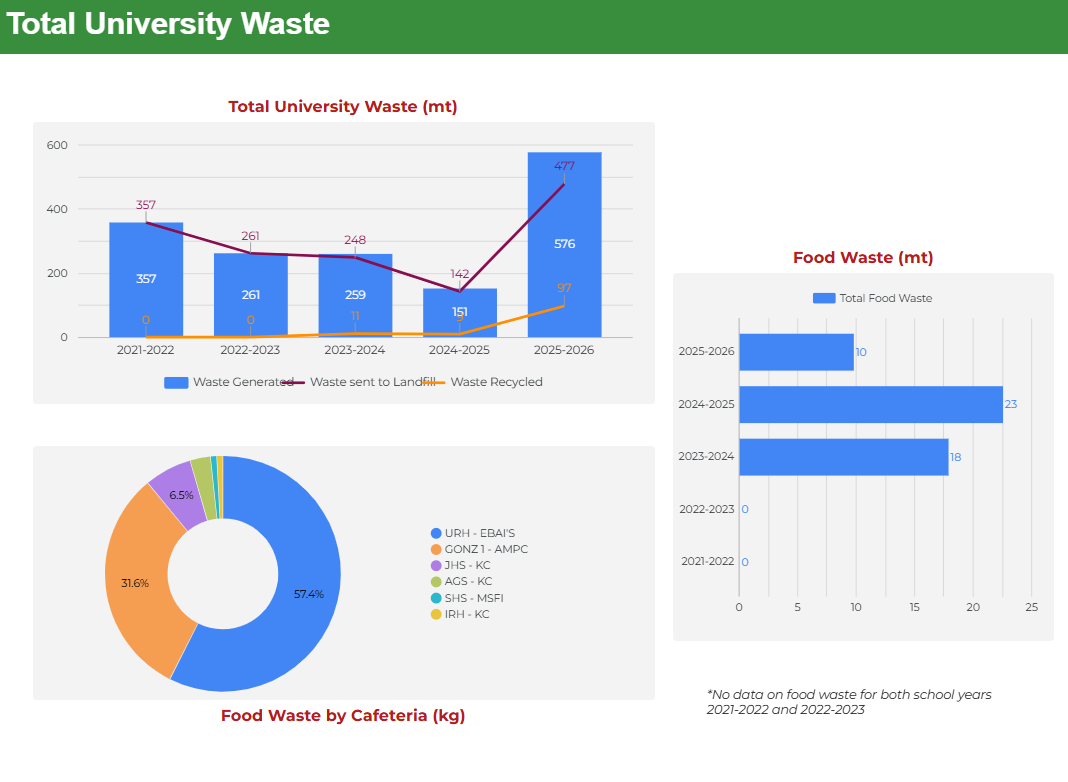
Ateneo de Manila University actively measures and tracks the total amount of food waste generated across its campus dining and cafeteria facilities. Comprehensive food waste tracking was formally established in the 2023–2024 academic year following a period in 2021–2022 and 2022–2023 where no food waste data was recorded and showed recorded volumes of 18 metric tons in 2023–2024, peaking at 23 metric tons in 2024–2025. Tracking is further disaggregated by individual dining venue to monitor specific facility output; URH - EBAI'S generates the largest proportion of food waste at 57.4%, followed by GONZ 1 - AMPC at 31.6%, JHS - KC at 6.5%, and the remaining campus dining facilities (AGS - KC, SHS - MSFI, and IRH - KC) accounting for the remaining balance.
University-Wide Oversight Committee
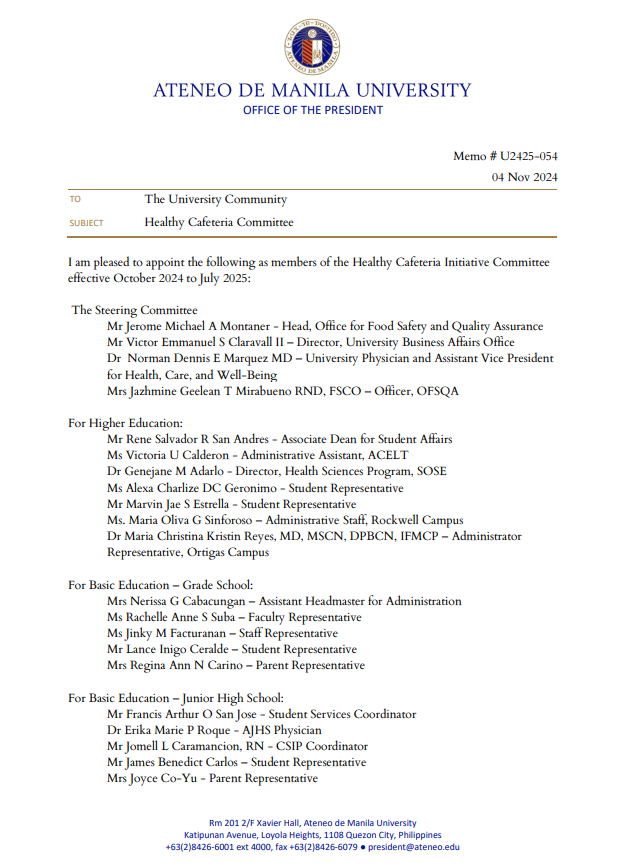
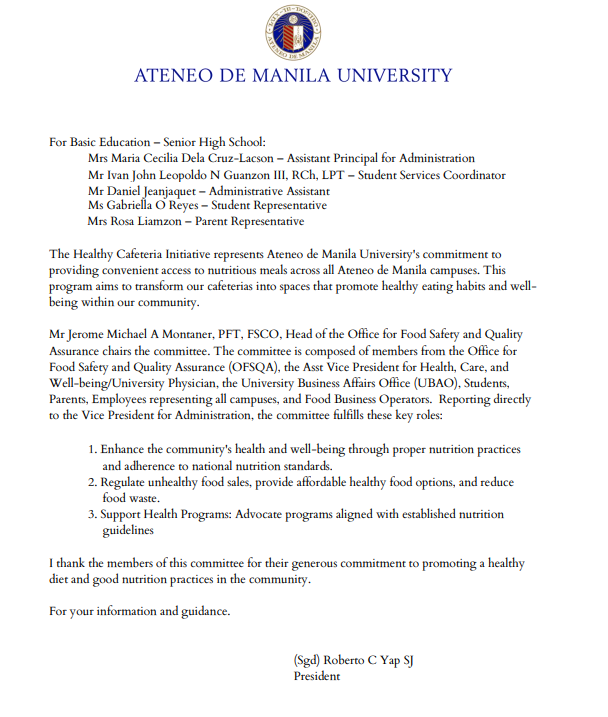
Re-appointed under President’s Memorandum U2425-054 (effective October 2024 to July 2025), the Healthy Cafeteria Committee—headed by the OFSQA Head, UBAO Director, and Assistant Vice President for Health, Care, and Well-Being—oversees vendor compliance and food sustainability policies across all campuses.
Healthy Cafeteria Committee (Memo U2425-054)
 |
 |
Campus Food Waste Monitoring & Auditing Procedures
Under the University’s Healthy Cafeteria Initiative, food waste tracking is strictly enforced across all Food Business Operators (FBOs), including contracted vendors and institutional canteens:
Mandatory Daily & Monthly Waste Logs: All FBOs are required to complete standardized Daily and Monthly Food Waste Monitoring Logs. These records capture kitchen pre-consumer waste (scraps, trimmings, peelings) and post-consumer plate waste, reasons for disposal, and supervising personnel.
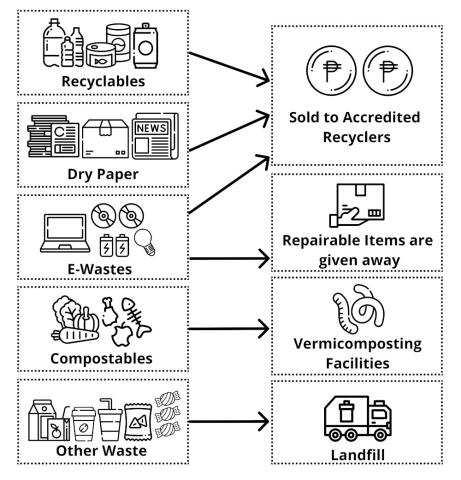
Monthly Audit Submissions: Completed logs are submitted to UBAO and OFSQA and audited during monthly Food Safety and Sustainability Audits to identify waste generation trends and refine vendor mitigation strategies.
Empirical Tracking Data: Systematic monitoring across major dining establishments (e.g., AMPC, Ebai's, Kraver's, and High School cafeterias) logged 10,477 kg of food waste within a single 12-month operational cycle (June 2023–May 2024), providing data used to calculate carbon footprints and operational financial impacts.
 |
 |
Consolidated Waste Overview Table
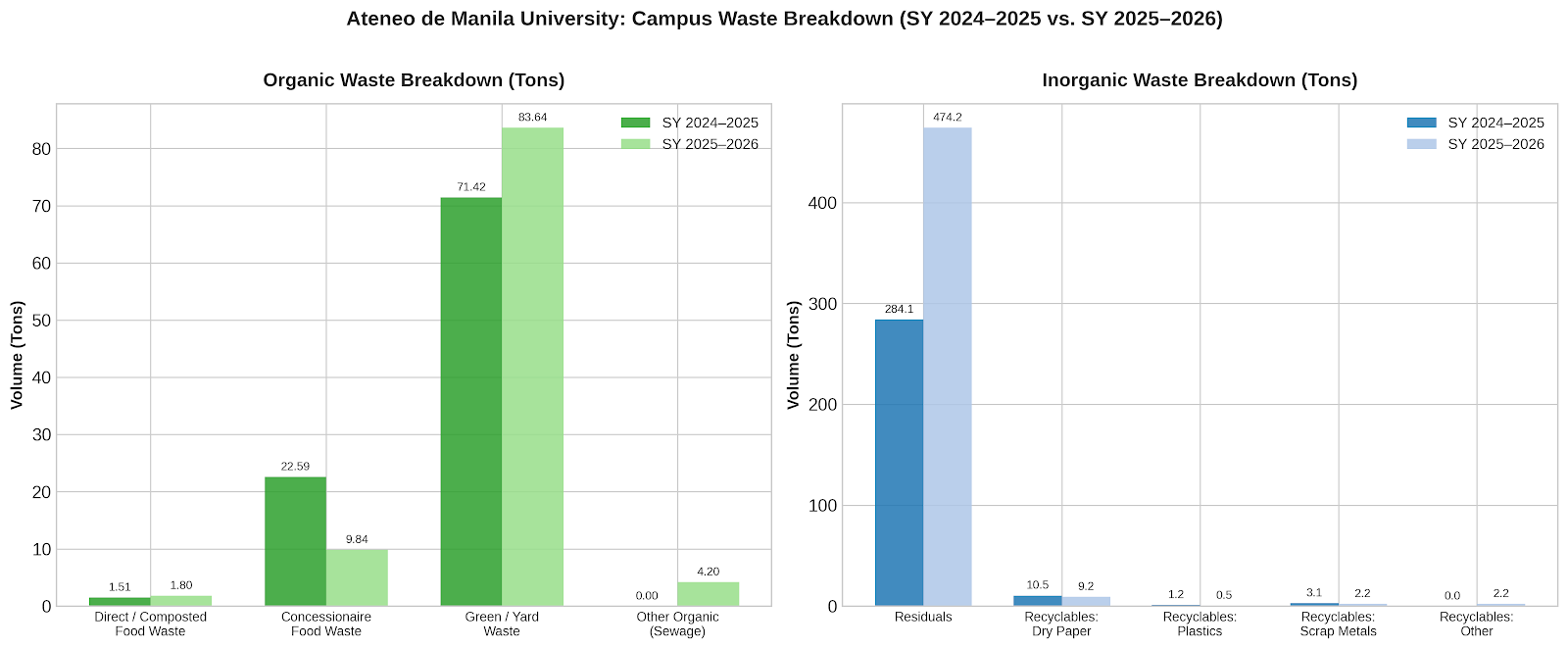
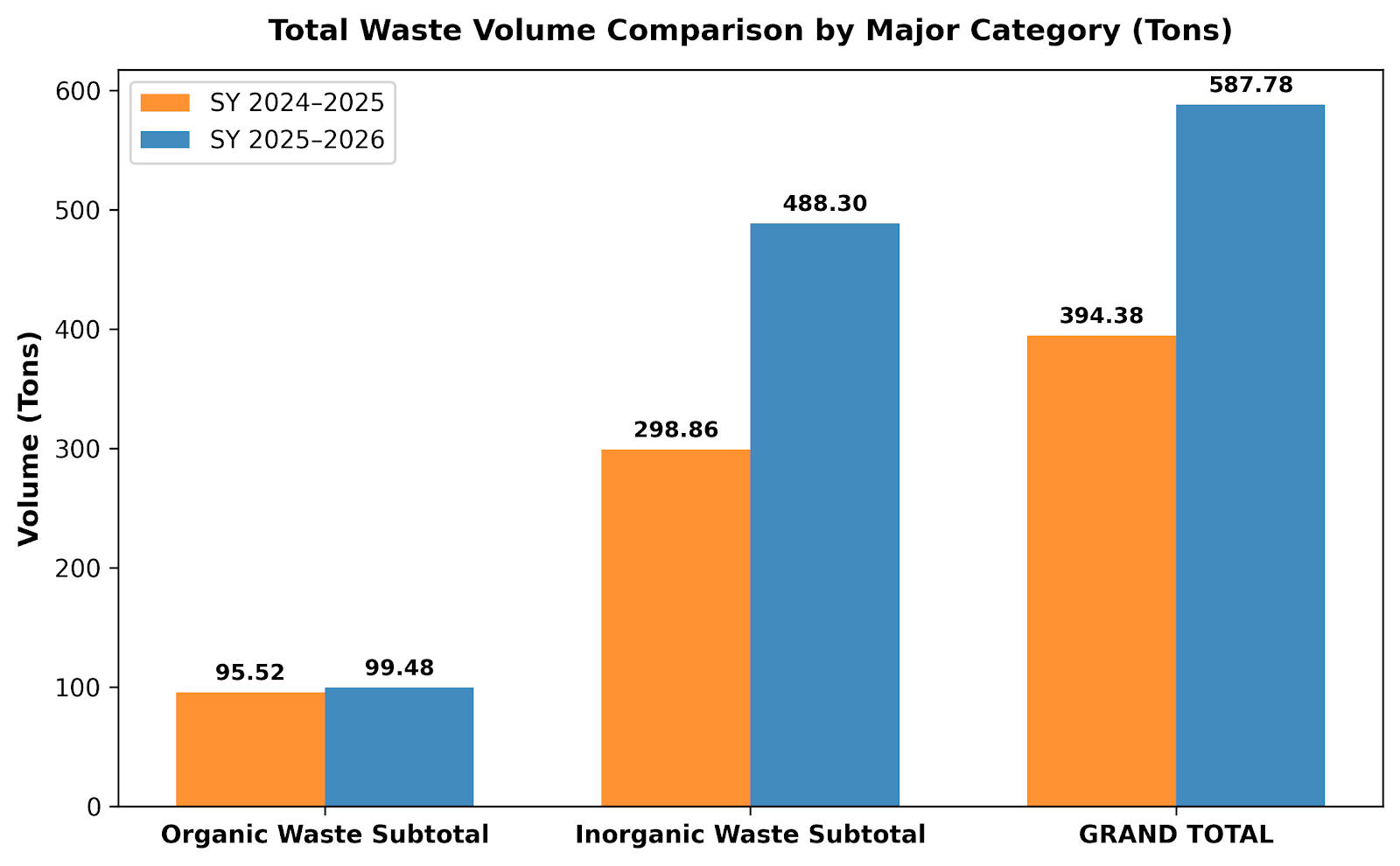
Green/Yard waste remains the largest component of organic waste, increasing from 71.42 tons in SY 2024–2025 to 83.64 tons in SY 2025–2026. Conversely, concessionaire food waste decreased significantly from 22.59 tons down to 9.84 tons.
Inorganic Waste Trends: Residual waste saw a substantial rise from 284.15 tons to 474.17 tons, driving the overall increase in inorganic waste volume.
Overall Campus Totals: Total campus waste grew from 394.38 tons in SY 2024–2025 to 587.78 tons in SY 2025–2026.
Sources:
1. Healthy Cafeteria Committee (Memo U2425-054) | Memorandum
2. Solid Waste Management | Programs | Ateneo Institute of Sustainability
Recent News
You may also like these articles

Growing with purpose: How Mekeni Food Corporation turns adversity into shared value
From a small backyard operation in Porac, Pampanga, to an internationally recognized food brand exporting to 25 countries, Mekeni Food Corporation's journey demonstrates how businesses

Three Ateneo-incubated startups secure DOST-PCIEERD’s startup grant fund
Last 9 November, during the opening day of Philippine Startup Week 2026, Soolok Properties Inc, Pili AdheSeal Inc, and Saltric Power (PDG Engineering Services), three

Ateneo de Manila Grade 2 students are the little Earth helpers
It was a great day for saving the world when Ateneo Institute of Sustainability (AIS) came to Ateneo Grade School to give a session on
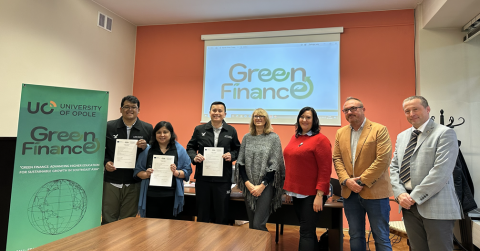
JGSOM representatives complete green finance training in Poland, sets sights on 2027 micro-credential launch
Representatives of Ateneo de Manila University's John Gokongwei School of Management (JGSOM) completed the second phase of their Erasmus+ Green Finance international mobility activities at
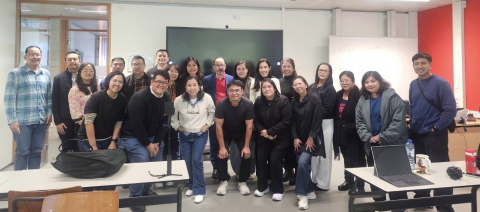
JGSOM Representatives Participate in Green Finance Training at the University of Twente
Enschede, Netherlands | October 15–16, 2026 Representatives of Ateneo de Manila University's John Gokongwei School of Management (JGSOM) participated in a specialized Green Finance training

Professor Emeritus Dr Emma Porio highlights climate resilience and biodiversity at international conferences
Emma E Porio, PhD, Professor Emeritus of Ateneo de Manila University and Principal Investigator of Ateneo's Manila Observatory Center for Climate Resilience and Public Health