11.2.1 Public Access to Buildings
16 May 2025


Public Access to Buildings
Ateneo de Manila University recognizes that a university campus can serve a purpose beyond teaching and research. Its physical spaces can become places where people encounter culture, connect with nature, reflect, learn, and participate in shared community life. In making selected spaces and activities accessible to the wider public, the University extends the benefits of its campus environment beyond its immediate academic community.
Welcoming visitors into spaces of cultural, spiritual, educational, and environmental value creates opportunities for meaningful interaction between the University and the communities around it. These spaces also provide settings for reflection, recreation, cultural appreciation, knowledge exchange, and informal learning.
The Church of the Gesù: A Living Cultural and Spiritual Landmark
Standing at the heart of the Loyola Heights campus, the Church of the Gesù is one of the most iconic structures of Ateneo de Manila University. Beyond its architectural significance, the church serves as the University's spiritual center and an enduring symbol of Jesuit education, Ignatian spirituality, and service to the wider community. Unlike heritage buildings that function primarily as monuments or historical attractions, the Church of the Gesù remains a living institution, a place continuously used for worship, education, reflection, and community gatherings.
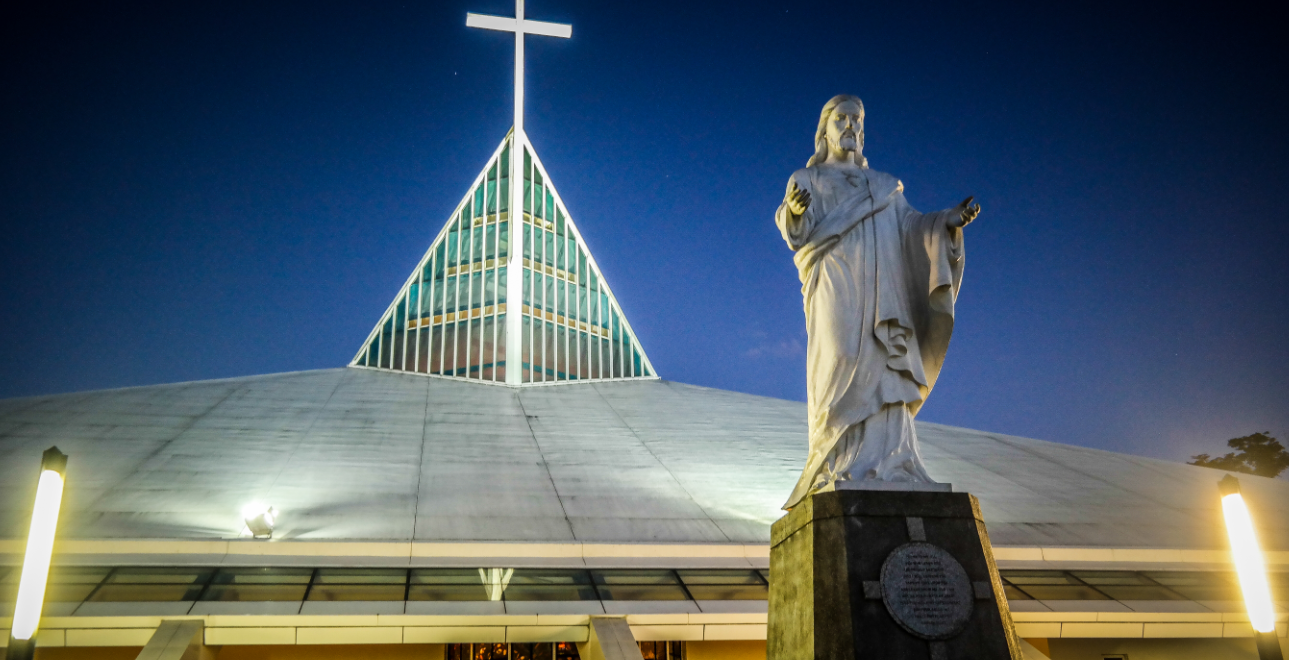
The University's policy of maintaining free public access ensures that the church remains open not only to members of the Ateneo community but also to external visitors seeking a place for prayer, contemplation, or participation in religious services. This openness reflects Ateneo's belief that spaces of cultural and spiritual importance should be shared with the broader public rather than confined within institutional boundaries. As a result, the Church of the Gesù has become an accessible destination for individuals from various sectors of society, including neighboring communities, alumni, prospective students, families, tourists, and researchers interested in the University's architectural and religious heritage.
Sustainability Walks and Access to Green Spaces
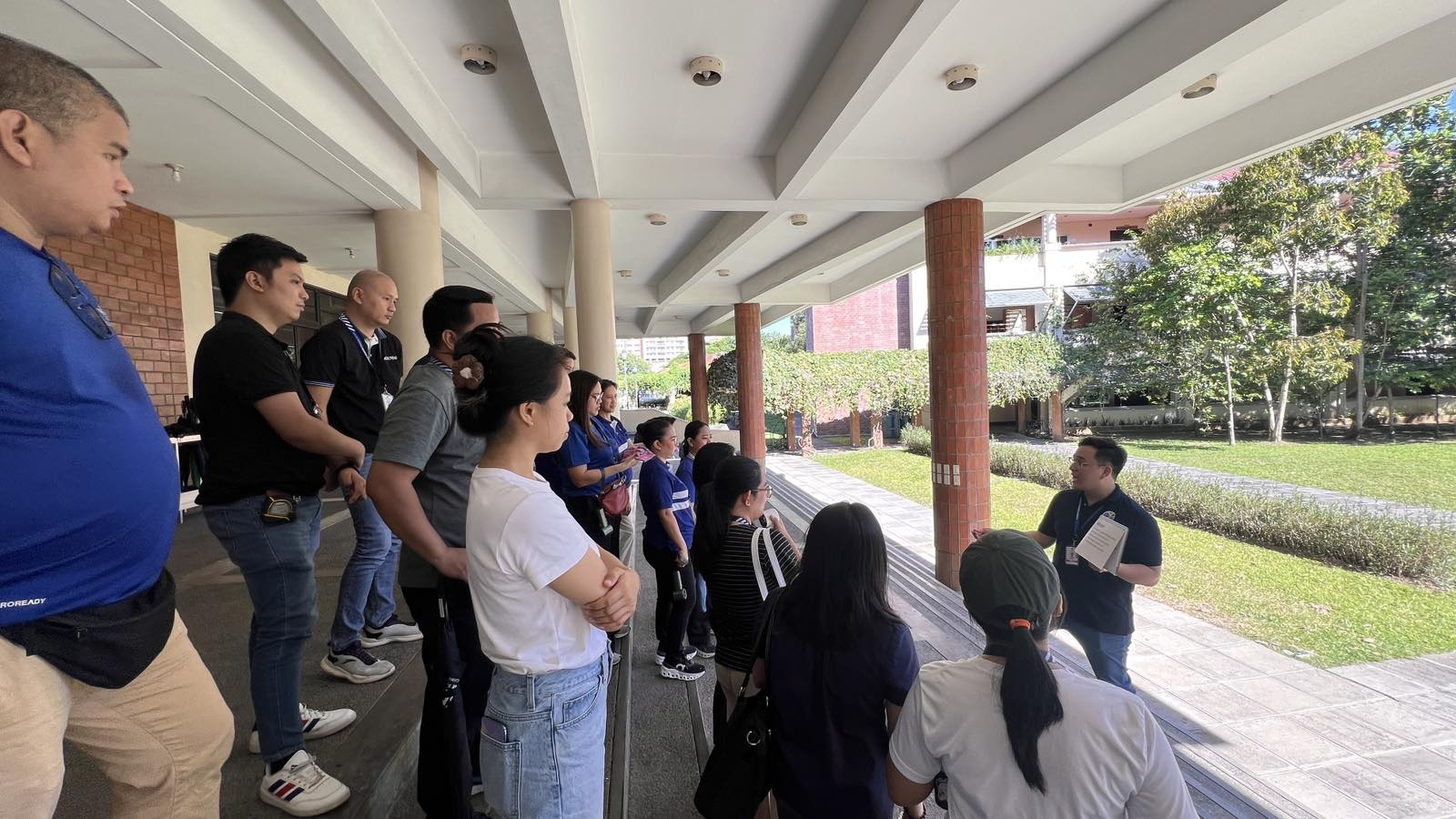
Ateneo de Manila University recognizes the value of accessible green spaces in promoting environmental awareness, well-being, and a stronger connection between the University community and the natural environment. With its extensive landscaped areas, mature trees, gardens, and open spaces, the campus provides opportunities for students, faculty, personnel, and visitors to experience nature as part of their everyday university life.
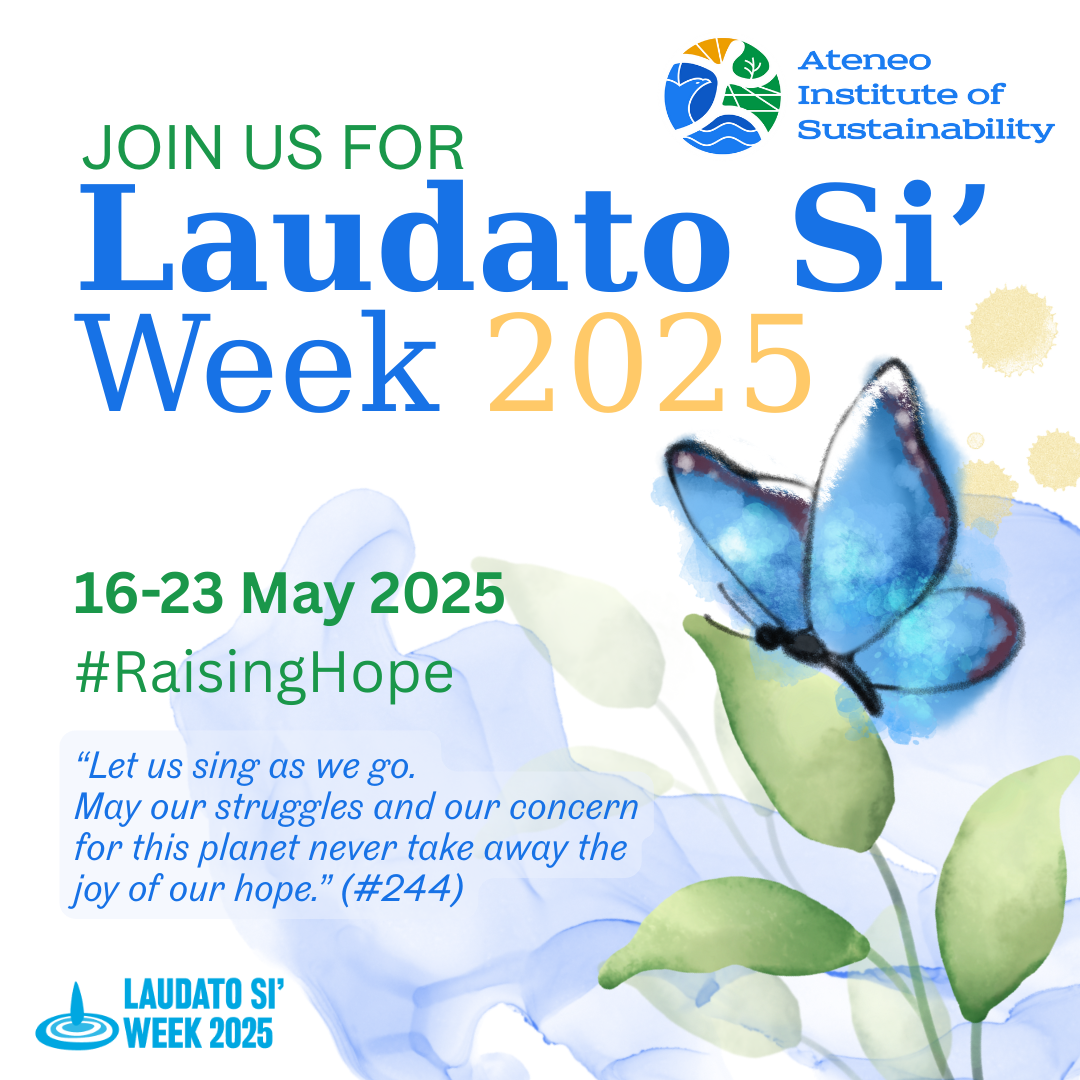
The University's sustainability walks provide an opportunity to explore these spaces while learning about the ecological features and sustainability practices found across campus. These walks can highlight the role of trees and vegetation in providing shade, supporting biodiversity, improving the campus microclimate, and contributing to a more comfortable and environmentally responsive learning environment. They also encourage participants to observe how natural spaces are integrated into the University's built environment.
Access to green spaces offers benefits beyond environmental education. Campus landscapes provide places for walking, reflection, informal learning, recreation, and community interaction. By maintaining spaces where people can safely engage with nature, the University supports a campus environment that contributes to physical and mental well-being while fostering greater appreciation for environmental stewardship.
Ateneo Art + Innovation Space as a Community Venue
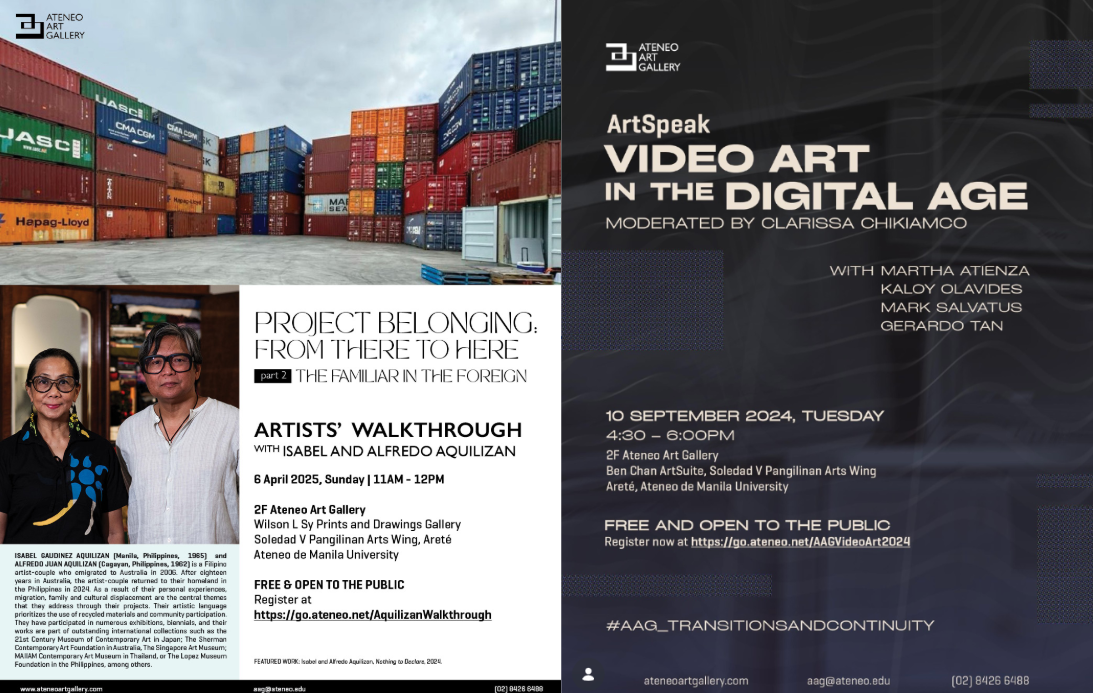
The Ateneo Art + Innovation Space (Areté) serves not only as a hub for creativity, learning, and innovation within the University but also as a venue where members of the public can participate in selected events and activities. By opening its spaces to broader audiences, Areté provides opportunities for students, educators, artists, researchers, professionals, and community members to come together and exchange ideas.
Public-facing events held at Areté include lectures, exhibitions, performances, workshops, forums, and other cultural and educational activities. These engagements extend the University's academic and creative environment beyond its immediate community, making knowledge, artistic expression, and dialogue more accessible to the public.
Areté's role as an accessible venue also supports the University's broader commitment to community engagement and knowledge sharing.
Source:
1. Raising Hope for Our Common Home: AIS Honors, Celebrates Laudato Si’ Week 2025
2. Arete Venues and Spaces
Recent News
You may also like these articles

Growing with purpose: How Mekeni Food Corporation turns adversity into shared value
From a small backyard operation in Porac, Pampanga, to an internationally recognized food brand exporting to 25 countries, Mekeni Food Corporation's journey demonstrates how businesses

Three Ateneo-incubated startups secure DOST-PCIEERD’s startup grant fund
Last 9 November, during the opening day of Philippine Startup Week 2026, Soolok Properties Inc, Pili AdheSeal Inc, and Saltric Power (PDG Engineering Services), three
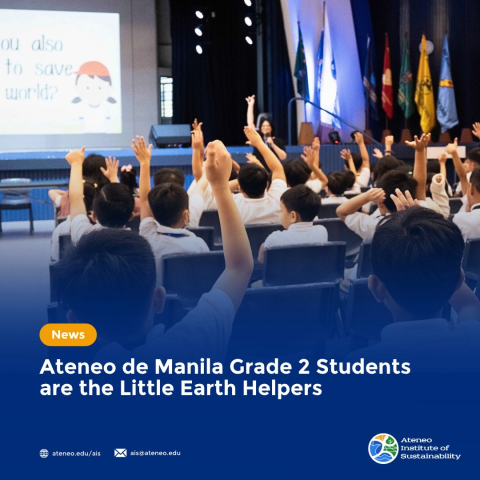
Ateneo de Manila Grade 2 students are the little Earth helpers
It was a great day for saving the world when Ateneo Institute of Sustainability (AIS) came to Ateneo Grade School to give a session on
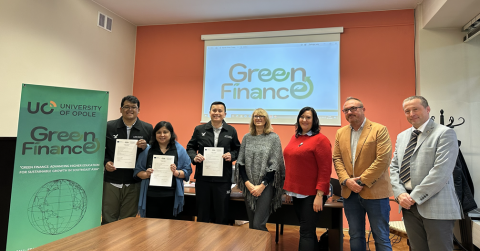
JGSOM representatives complete green finance training in Poland, sets sights on 2027 micro-credential launch
Representatives of Ateneo de Manila University's John Gokongwei School of Management (JGSOM) completed the second phase of their Erasmus+ Green Finance international mobility activities at
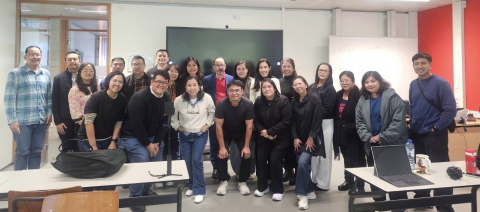
JGSOM Representatives Participate in Green Finance Training at the University of Twente
Enschede, Netherlands | October 15–16, 2026 Representatives of Ateneo de Manila University's John Gokongwei School of Management (JGSOM) participated in a specialized Green Finance training

Professor Emeritus Dr Emma Porio highlights climate resilience and biodiversity at international conferences
Emma E Porio, PhD, Professor Emeritus of Ateneo de Manila University and Principal Investigator of Ateneo's Manila Observatory Center for Climate Resilience and Public Health