11.2.6 Record and Preserve Cultural Heritage
14 Feb 2025


Record and Preserve Cultural Heritage
Cultural heritage is more than the preservation of old objects, traditions, and historical records. It is the living connection between people, their communities, and the stories that shape their identity. In the Philippines, where cultural traditions vary across regions and communities, preserving heritage means protecting both tangible and intangible forms of knowledge, from traditional games, crafts, oral traditions, and local practices to historical documents, personal memories, and national collections. These forms of heritage continue to evolve as they are passed from one generation to another, shared across communities, and introduced to new audiences.
Ateneo de Manila University contributes to this broader work of cultural preservation by creating spaces where heritage can be documented, practiced, studied, and shared. Its initiatives engage with local and regional communities, particularly culture bearers and practitioners whose knowledge is rooted in particular places and traditions. At the same time, Ateneo's libraries, archives, museums, and educational programs help preserve materials that contribute to a wider understanding of national Filipino identity and history. These efforts also provide space for the experiences and memories of communities whose cultural practices, histories, and identities have been affected by migration, displacement, conflict, or social change.
What makes these efforts significant is that preservation is not treated simply as keeping materials in archives or displaying them for visitors. It also involves allowing people to actively participate in cultural practices, documenting knowledge alongside the communities that hold it, and making historical and cultural resources accessible to future generations. Through research, community collaboration, digital archives, cultural education, and international exchange, Ateneo creates opportunities for heritage to remain a living part of contemporary society.
These initiatives show that cultural preservation can take many forms. It can happen through the practice of traditional games and crafts, the recording of oral traditions, the preservation of community memories, and the careful collection of historical materials. Ateneo's work demonstrates how education and cultural preservation can help sustain Filipino identity while encouraging greater understanding among communities and across cultures.
Local Cultural Heritage
Preserving Oral Traditions through the Multimedia Collection of Philippine Epics and Ballads
Among Ateneo's most significant contributions to Philippine cultural preservation is the Multimedia Collection of Philippine Epics and Ballads, one of the country's premier institutional archives dedicated to safeguarding oral traditions and indigenous verbal arts.
This landmark collection is the result of a multi-decade collaboration involving Ateneo de Manila University, the Centre national de la recherche scientifique (CNRS), UNESCO-related cultural initiatives, and renowned researcher Nicole Revel. The project documents the living oral traditions of sixteen national cultural communities across the Philippines, preserving narratives that have been transmitted orally across generations.
The archive represents one of the most comprehensive repositories of Philippine oral heritage, containing 34 printed volumes, 8,594 pages of transcriptions and translations, 2,159 photographs, 240 audio recordings, and 54 video recordings. Together, these materials capture an extraordinary diversity of oral literature, ritual performances, traditional songs, chants, myths, epics, and cultural expressions that embody the historical memory and identity of numerous indigenous and regional communities.
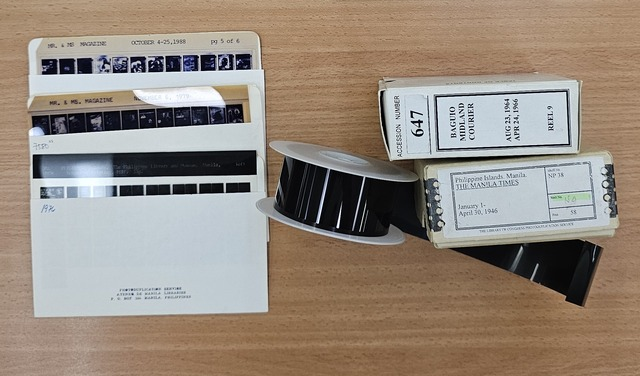
The physical collection is housed within the Pardo de Tavera Library and Special Collections of the Rizal Library, while its digital counterpart is maintained through an Ateneo-managed online platform that was upgraded in 2023 to strengthen long-term preservation and improve accessibility for researchers, educators, students, and the public.
The collection plays a critical role in preserving endangered languages, indigenous knowledge systems, traditional storytelling practices, historical narratives, and community identities. By digitizing fragile cultural materials and making them available through modern archival systems, Ateneo ensures that these irreplaceable cultural expressions remain accessible for research, education, and future generations while reducing the risk of permanent loss.
Preserving Traditional Craftsmanship through Cultural Education
Ateneo likewise recognizes that safeguarding intangible cultural heritage requires more than documentation; it also requires the continued practice and transmission of traditional knowledge. This commitment is reflected in initiatives such as The Art of Banig Weaving Workshop, which promotes one of the Philippines' enduring traditions of sustainable craftsmanship.
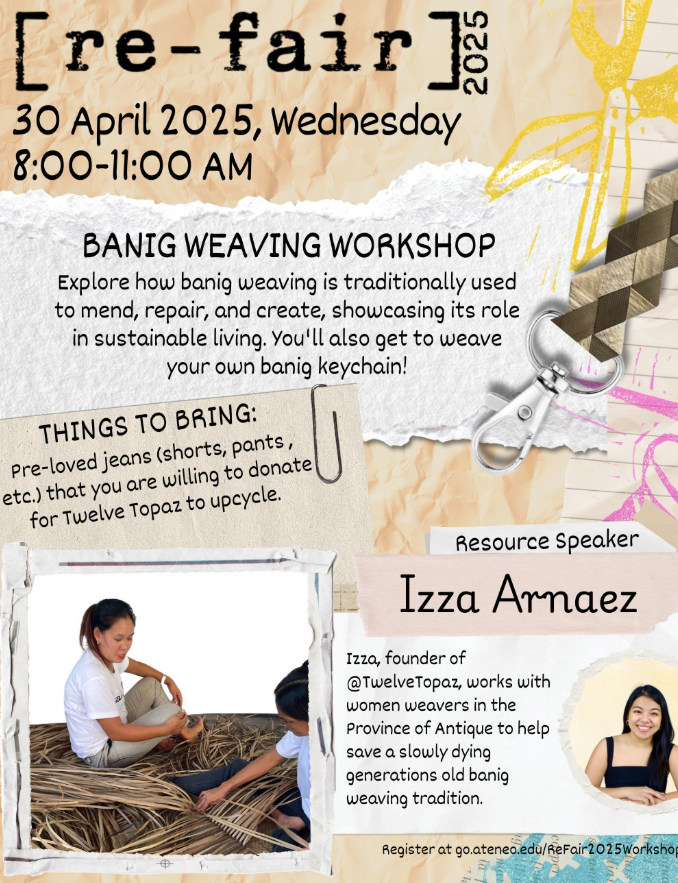
The workshop introduces participants to the cultural significance of banig weaving, particularly traditions associated with communities in Antique and other regions known for their weaving heritage. Participants receive hands-on instruction in traditional weaving techniques while learning about the historical, social, and cultural meanings embedded in handmade crafts.
The workshop highlights sustainable production practices, indigenous creativity, and the cultural values associated with locally produced handcrafted materials. By encouraging participants to experience the craft firsthand, Ateneo contributes to sustaining traditional knowledge across generations while raising appreciation for Philippine artisanal heritage. Such initiatives demonstrate that living traditions are best preserved when individuals continue to practice, teach, and adapt them within contemporary society.
Community-Based Cultural Heritage Documentation and Research
A cornerstone of Ateneo's heritage preservation efforts is the Cultural Heritage Studies Field School (CHESS), an immersive field-based academic program implemented by the Department of Sociology and Anthropology. CHESS equips students with the theoretical knowledge and practical skills necessary to document, analyze, and promote both tangible and intangible cultural heritage through direct engagement with local communities.
Unlike conventional classroom instruction, CHESS immerses students in communities where they work closely with culture bearers, traditional artisans, local producers, heritage practitioners, community leaders, and cultural experts. Through supervised fieldwork, participants learn ethnographic research methods, oral history documentation, cultural mapping, participant observation, interviewing techniques, and heritage interpretation while actively collaborating with community members to record and understand their cultural traditions.
Central to CHESS is a participatory framework built upon the principles of co-production, co-ownership, and co-benefit. Rather than treating communities merely as research subjects, the program positions them as equal partners in the creation of knowledge. Communities actively participate in documenting their own traditions, retain ownership over their cultural knowledge, and benefit directly from the research outputs through educational resources, heritage promotion, and strengthened cultural identity.
The field school has documented a wide range of living cultural traditions, including traditional weaving practices, indigenous craftsmanship, local foodways and culinary heritage, traditional livelihoods, community histories, regional industries, and indigenous knowledge systems. These projects not only contribute to scholarly research but also help communities preserve cultural practices that may otherwise be threatened by modernization, urbanization, and changing socio-economic conditions.
By combining rigorous academic research with respectful community engagement, CHESS illustrates Ateneo's belief that safeguarding cultural heritage is most effective when communities themselves remain at the center of preservation efforts.
National Cultural Heritage
Keeping Filipino Traditional Games Alive through International Cultural Exchange
Ateneo further strengthens the preservation of Philippine intangible cultural heritage by creating opportunities for international students to actively experience and participate in traditional Filipino cultural practices. One notable example is the first-ever International Exchange Students (IXS) Palaro, held on 14 February 2025, which transformed classic Filipino street games into an immersive cultural learning experience that celebrated heritage, friendship, and intercultural understanding.
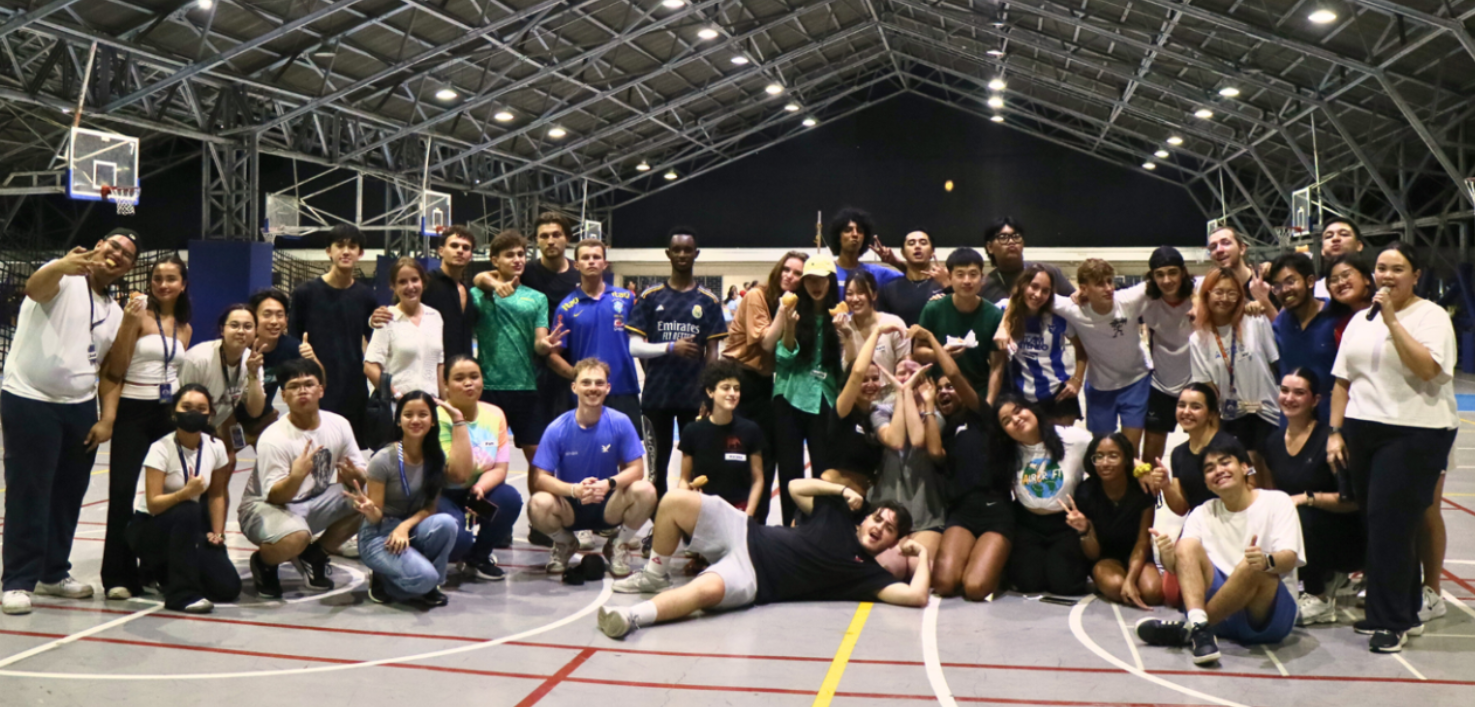
Organized as a cultural pocket event for 29 international exchange students, the IXS Palaro introduced participants to traditional Filipino games that have long formed part of the country's intangible cultural heritage. Rather than simply learning about these traditions through lectures or demonstrations, the students experienced them firsthand by playing Pinoy Henyo, Piko, Patintero, and Panyo ni San Pedro, games that have been passed down across generations and continue to embody Filipino values of creativity, teamwork, resilience, strategic thinking, and community participation.
The event demonstrated how traditional games serve as important cultural expressions that preserve local customs and shared social experiences. These games are more than recreational activities; they represent living traditions that foster interpersonal relationships, encourage cooperation, and reflect the communal spirit that characterizes Filipino culture. By engaging international students in these activities, Ateneo enabled participants to appreciate not only the mechanics of the games but also the cultural values and historical significance they embody.
Beyond promoting cultural appreciation, the IXS Palaro created meaningful opportunities for interaction between international and local students, allowing cultural exchange to occur through shared experiences rather than passive observation. The event concluded with participants enjoying Filipino snacks together while reflecting on the evening's activities, reinforcing how food, play, and community interaction collectively contribute to a richer understanding of Philippine cultural identity.
More than Books: the Historical Treasures of the Ateneo Rizal Library
The Ateneo de Manila University’s Rizal Library and University Archives are home to many important historical and cultural treasures in the Philippines. Ateneo de Manila has been part of Philippine education since 1859, making it one of the country’s oldest educational institutions. From its beginnings in Intramuros to its present location along Katipunan Avenue, Ateneo has continued to preserve knowledge and history through its library and archives.
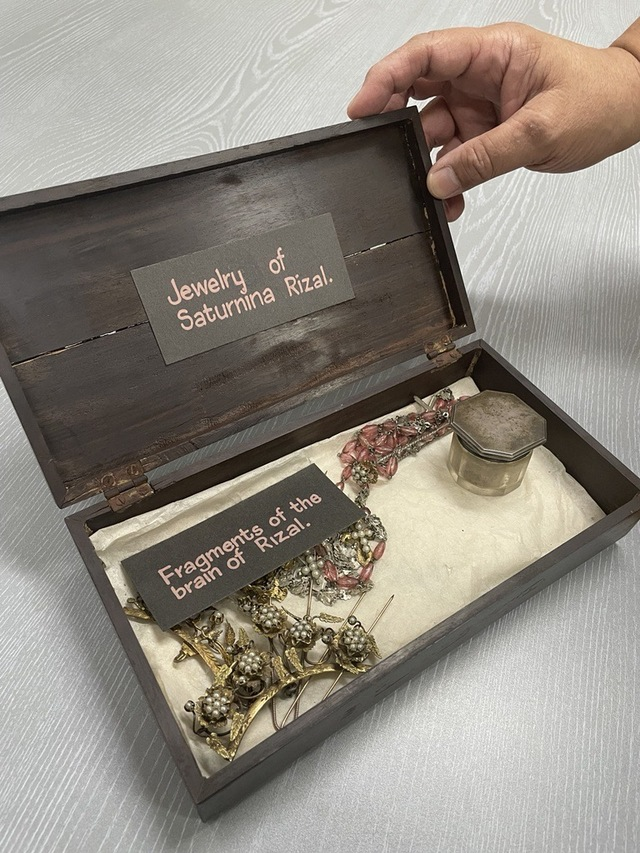
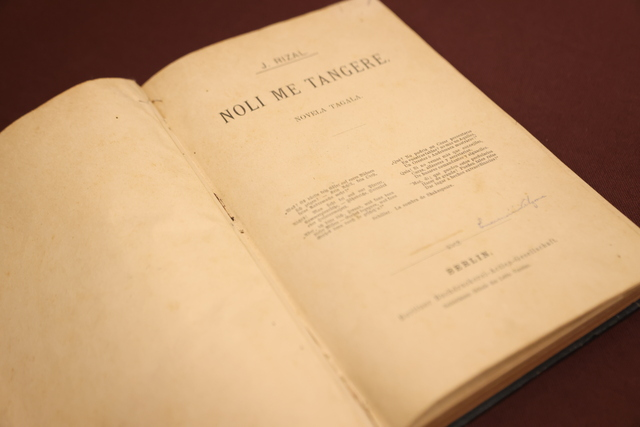
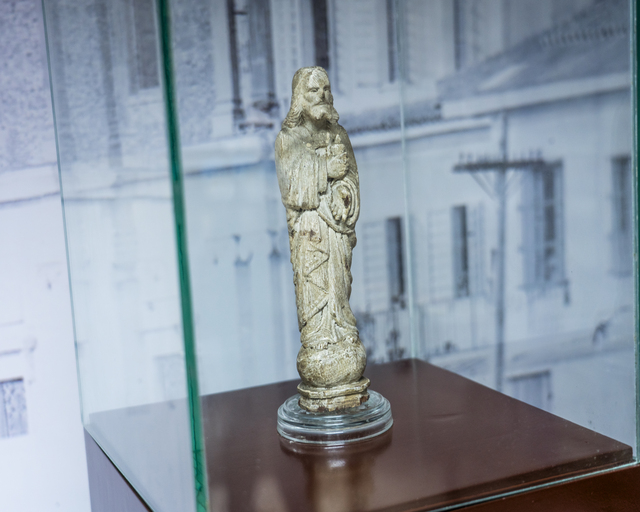
The Rizal Library contains several rare and valuable items connected to Jose Rizal, the university’s famous alumnus. Among these is a small fragment of Rizal’s brain, which was donated by the family of his sister Saturnina. The library also preserves some of Rizal’s letters, first editions of important works such as Noli Me Tangere and El Filibusterismo, the statue of the Sacred Heart of Jesus that he carved as a student, and the rattan table where he wrote Mi Ultimo Adios. These objects provide a personal connection to the life and work of the national hero.
 |
 |
 |
Another important collection is the Ateneo Library of Women’s Writings, which preserves the works and personal papers of Filipino women writers, artists, scholars, and other notable figures. Among its treasures are the handwritten journals of Paz Marquez Benitez, author of Dead Stars, considered the first Filipino short story written in English. The collection also includes the papers of Ma. Rosa Henson, who publicly shared her experience as a victim of sexual slavery during World War II, as well as materials belonging to several Filipino National Artists.
The library also preserves documents connected to major events in Philippine history. The Paterno Family Collection, for example, contains materials related to the Pact of Biak-na-Bato, along with early Filipino literary works and drawings by artist Juan Luna. Another significant collection is the American Historical Collection, which contains documents, photographs, and records related to the American experience in the Philippines. These include records from the Santo Tomas Internment Camp, where Americans and other foreign nationals were detained by the Japanese during World War II.
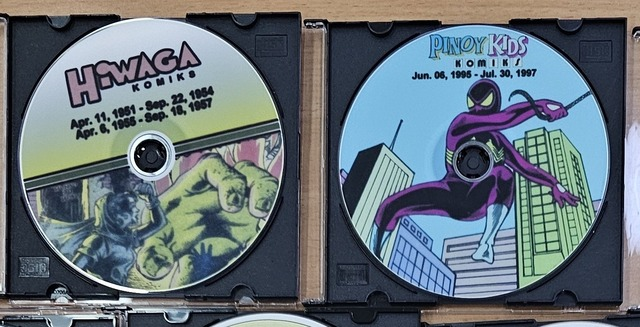
Aside from historical documents, the Rizal Library also preserves Filipino popular culture. It has a large collection of Philippine komiks, including works featuring famous characters such as Darna, Dyesebel, and Captain Barbell. These materials are important because komiks were once one of the most popular forms of entertainment and reading in the Philippines and later influenced movies and television shows.
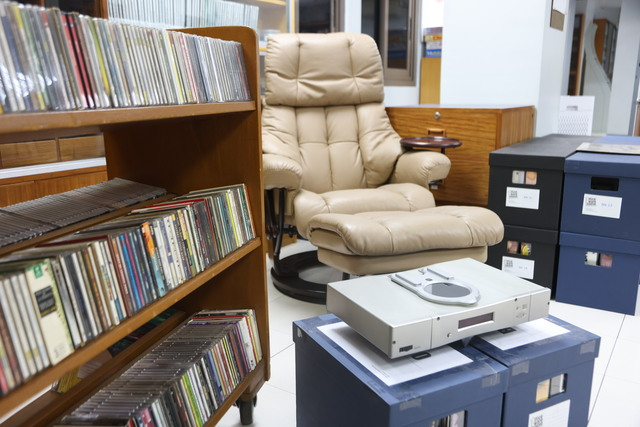
The library also has a more recent collection that reflects modern Philippine history. In 2022, the Aquino family donated the personal music collection of former President Benigno “Noynoy” Aquino III. The collection contains more than 8,600 CDs covering many different genres, along with Aquino’s handwritten notes and personal listening chair.
Overall, the Rizal Library is much more than a place where students read and borrow books. Its collections preserve important pieces of Philippine history, literature, art, politics, and popular culture. These materials allow visitors and researchers to see the past through actual documents and personal belongings, making history more meaningful and easier to understand.
Heritage of Displaced Communities
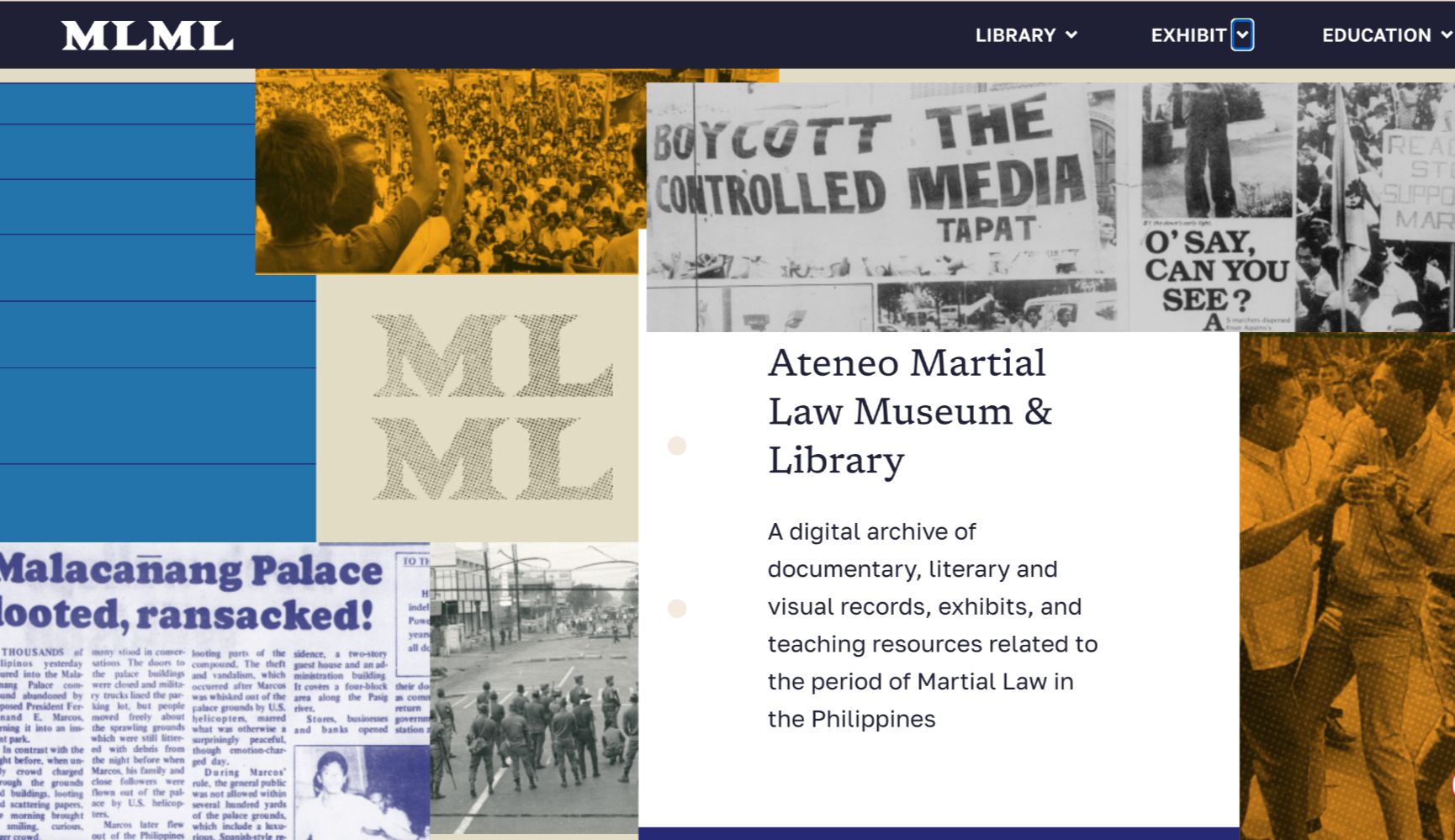
Ateneo Martial Law Museum
The Ateneo Martial Law Museum is a digital museum created to help Filipinos learn more about one of the most important and difficult periods in Philippine history. Located online through Ateneo de Manila University, the museum collects and shares photographs, documents, videos, personal stories, and other materials about Martial Law during the presidency of Ferdinand Marcos Sr.
The museum was launched in 2017 after the project was developed by people who wanted to preserve the stories and experiences of those who lived during Martial Law. Since it is a digital museum, people can access its materials online instead of having to visit a traditional museum building. This makes it easier for students, teachers, researchers, and other Filipinos to learn about the period.
One of the things that makes the museum important is that it shows Martial Law through different kinds of sources. Visitors can find historical documents, photographs, news reports, personal accounts, and other materials that help explain what life was like during that time. The museum covers topics such as human rights violations, censorship, political repression, resistance, and the experiences of ordinary Filipinos. It also discusses the events that eventually led to the 1986 People Power Revolution.
For younger Filipinos, the museum can be especially useful because many of them were not yet born when Martial Law happened. Reading about it in a textbook can sometimes make history feel distant, but seeing photographs, reading personal stories, and looking at actual documents can make the past feel more real. These materials give students a chance to understand that Martial Law was not just a period mentioned in history books. It affected real people, families, schools, and communities.
The museum also focuses on the experiences of the Ateneo community during Martial Law. Students, teachers, administrators, and Jesuits at Ateneo de Manila were also affected by the political situation during that period. Their experiences have been preserved through documents, publications, and personal memories. One example is Down from the Hill: Ateneo de Manila in the First Ten Years Under Martial Law, 1972–1982, which collects stories and documents about life at the university during the first decade of Martial Law.
Over the years, the project has also grown into the Ateneo Martial Law Museum and Library. Its digital library provides access to more historical materials, including memoirs, films, photographs, documents, and other resources. This is important because preserving history is not only about remembering famous events. It is also about keeping the stories and experiences of ordinary people who lived through those events.
Another interesting part of the museum is the way it uses technology to teach history. Instead of simply reading long texts, students can explore digital materials and interactive resources. This makes learning about Martial Law more accessible and engaging, especially for young people who are already familiar with using technology to find information.
People may have different memories and views about what happened during that period, which is why having access to historical documents and firsthand accounts is valuable. The museum gives students and researchers materials that they can examine when trying to understand the past.
Ateneo Martial Law Museum is more than just a collection of old photographs and documents. It is a way of keeping people's memories alive and making sure that important parts of Philippine history remain accessible. The museum reminds us that history is about understanding people's experiences and learning from what happened before.
Sources:
1. Philippine Epics and Ballads
2. Art Banig Weaving Keychain-Making Workshop
3. First-Ever IXS Palaro: A Celebration of Culture and Camaraderie
4. Ateneo Rizal Library is Home to These 10 Cultural Gems
5. Martial Law Museum
Recent News
You may also like these articles

Growing with purpose: How Mekeni Food Corporation turns adversity into shared value
From a small backyard operation in Porac, Pampanga, to an internationally recognized food brand exporting to 25 countries, Mekeni Food Corporation's journey demonstrates how businesses

Three Ateneo-incubated startups secure DOST-PCIEERD’s startup grant fund
Last 9 November, during the opening day of Philippine Startup Week 2026, Soolok Properties Inc, Pili AdheSeal Inc, and Saltric Power (PDG Engineering Services), three
Ateneo de Manila Grade 2 students are the little Earth helpers
It was a great day for saving the world when Ateneo Institute of Sustainability (AIS) came to Ateneo Grade School to give a session on
JGSOM representatives complete green finance training in Poland, sets sights on 2027 micro-credential launch
Representatives of Ateneo de Manila University's John Gokongwei School of Management (JGSOM) completed the second phase of their Erasmus+ Green Finance international mobility activities at
JGSOM Representatives Participate in Green Finance Training at the University of Twente
Enschede, Netherlands | October 15–16, 2026 Representatives of Ateneo de Manila University's John Gokongwei School of Management (JGSOM) participated in a specialized Green Finance training
Professor Emeritus Dr Emma Porio highlights climate resilience and biodiversity at international conferences
Emma E Porio, PhD, Professor Emeritus of Ateneo de Manila University and Principal Investigator of Ateneo's Manila Observatory Center for Climate Resilience and Public Health