4.3.4 Education Outreach Activities Beyond Campus
25 Jun 2024


Community Education and Public Learning Engagement
Ateneo de Manila University advances its mission of service through outreach initiatives that combine sustained, long-term programs with responsive capacity-building engagements that address emerging community needs. The University's long-term outreach programs provide structured and sustained support to specific sectors through multi-year leadership development, mentoring, and educational interventions. One example is the Ateneo Center for Educational Development's Mentoring Future Leaders for Nation-Building Program, a three-year leadership development initiative that equips public school principals to become transformative school leaders. Another is the Ateneo-Pathways to Higher Education Program, which supports academically talented but economically disadvantaged students through mentoring, academic enrichment, and leadership formation as they prepare for and transition into college.
Complementing these sustained programs are responsive outreach initiatives designed to address timely and sector-specific needs. These include the Ateneo Intellectual Property Office's (AIPO) Design Thinking Workshops, which build the innovation and problem-solving capacities of procurement professionals from government agencies, local government units (LGUs), and state universities and colleges (SUCs). Likewise, the Empowered Worldview Workshop organized by the Department of Development Studies strengthened the leadership and peacebuilding capacities of local faith sectors and community peacebuilders across the country.
Long-Term Outreach Programs
The Ateneo Center for Educational Development Develops Transformative School Leaders
The Ateneo Center for Educational Development (ACED) strengthens educational leadership through long-term capacity-building programs that prepare school leaders to improve learning outcomes and transform their institutions. Working closely with public schools and private sector partners, ACED equips educators with practical leadership, management, and coaching skills that enable them to respond effectively to the evolving needs of their schools and communities.
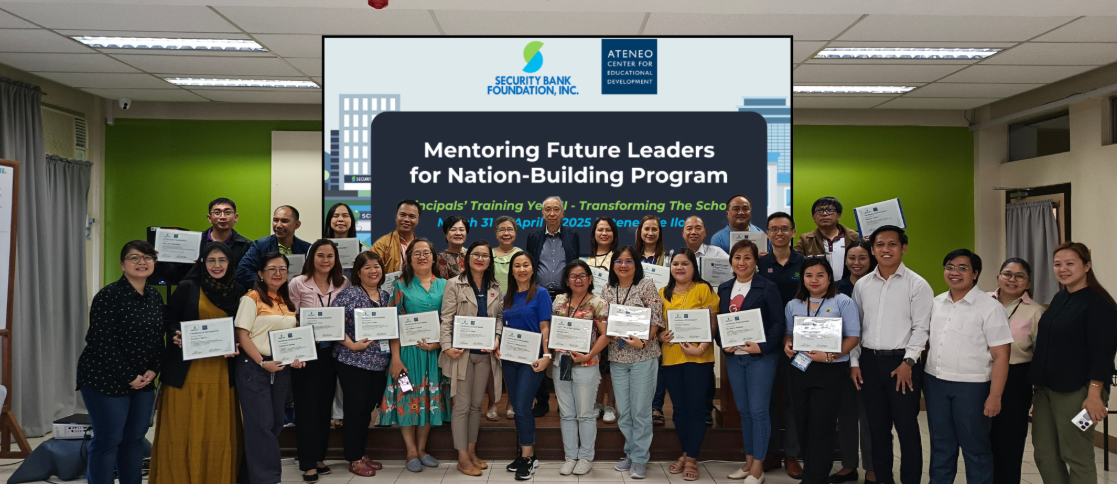
One of ACED's flagship initiatives is the Mentoring Future Leaders for Nation-Building Program, implemented in partnership with Security Bank Foundation, Inc. (SBFI). This three-year leadership development program prepares public school principals to become transformative leaders capable of driving sustainable school improvement.
During the program's second-year training, conducted in 2024 and continued in 2025, participating principals underwent intensive workshops on self-leadership, self-awareness, growth mindset, coaching, organizational transformation, and strategic problem-solving where principals worked collaboratively to develop solutions to common challenges faced by schools. Facilitated by leadership experts from Bagosphere, the principals developed several solutions, including a dedicated coaching, mentoring, and resource-sharing platform for teachers, as well as a collaborative space designed to foster meaningful and impactful collaboration among educators.
The principals were likewise introduced to a range of tools for analyzing the root causes of problems and identifying potential solutions. One such tool was MECE (Mutually Exclusive, Collectively Exhaustive), which helps break down complex issues into distinct, non-overlapping categories. They also used AI tools to develop "why maps" for analyzing problems and "how maps" for exploring possible solutions. These tools enabled principals to identify and evaluate potential interventions using established criteria. As part of the program, principals also presented solutions to challenges related to negative school culture through an elevator-pitch-style activity called Impact Lab. Their proposals were presented to a panel composed of Zhihan Lee, Louie De Real, Executive Director of SBFI, and Asec. Carmela Oracion, Head of the Department of Education's National Educators' Academy of the Philippines.
Building Young Leaders for Learning through Partnership with DSWD
The DSWD Youth Development Worker Training is a key component of the Tara Basa! Tutoring Program, a joint initiative of the Department of Social Welfare and Development (DSWD) and the Department of Education (DepEd) that seeks to improve the reading skills of struggling and non-reader Grade 1 learners in public schools while creating meaningful opportunities for college students from low-income families. Through the program, college students are trained as tutors and mentors, equipping them with skills in conducting tutorial sessions, administering reading assessments, and facilitating "Nanay-Tatay" learning sessions for parents. In return, participants receive cash incentives that help support their education while fostering a sense of responsibility, service, and nation-building.
Ateneo de Manila University contributes to this national education and social development effort through the Ateneo Center for Educational Development (ACED), which works with DSWD and DepEd in the delivery of the training. Ateneo brings its expertise in education and learning development to strengthen the capacity of youth tutors and mentors to effectively support young learners and their families. The collaboration reflects Ateneo's commitment to advancing inclusive education, youth empowerment, and community development, while contributing to efforts that address educational inequities among children and provide pathways of support for economically disadvantaged college students.
Responsive Outreach Initiatives
AHRC and DILG Launch Enhanced Katarungang Pambarangay Training Manual to Strengthen Local Justice
After over a year of development, the Ateneo Human Rights Center (AHRC), in partnership with the Department of the Interior and Local Government (DILG), formally launched its Enhanced Katarungang Pambarangay Training Manual, at the handover event held last 1 August 2024 at Luxent Hotel in Quezon City.
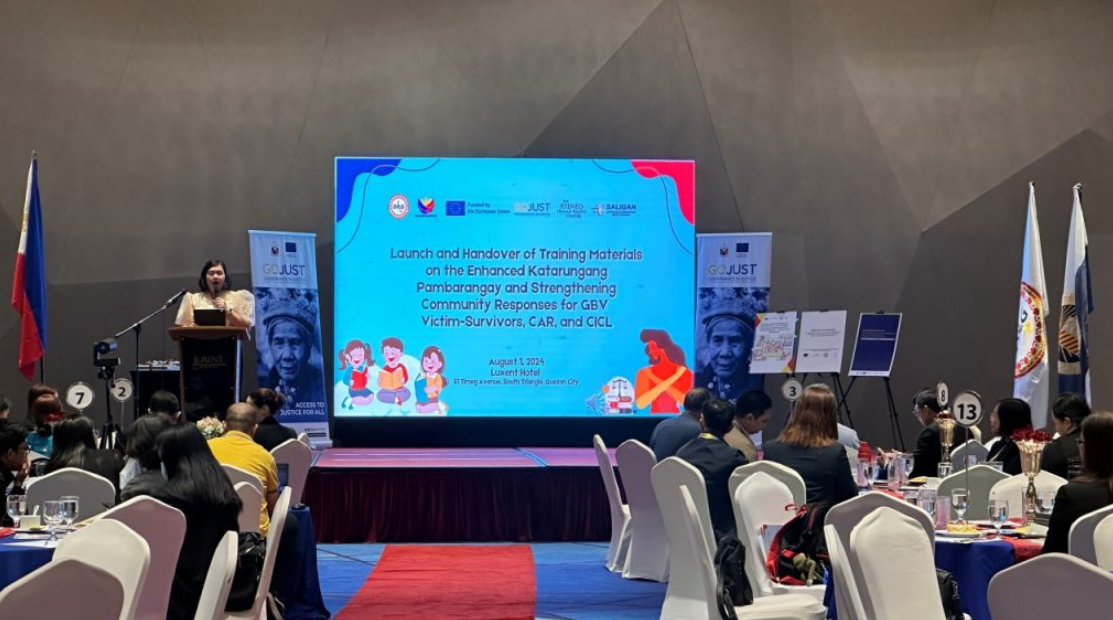
The launching of the training materials dubbed as the "Launch and Handover of Training Materials on the Enhanced Katarungang Pambarangay and Strengthening Community Responses for GBV Victims-Survivors & CAR-CICL" is the culminating event for the major final outputs of AHRC and the Sentro ng Alternatibong Lingap Panlegal (SALIGAN) from the three (3) partnered grants of the GOJUST Program with the DILG-National Barangay Operations Office (NBOO). The training materials referred to are the Enhancing the Child-friendly, Gender-sensitive, Indigenous Peoples-relevant Katarungang Pambarangay Manual developed by AHRC, Module on the Formulation of Comprehensive Local Juvenile Intervention Programs (CLJIP) and Child Rights-based Local Ordinances, and the Training of Trainers: Strengthening the Capacities of Local Government Units in Handling Violence Against Women (VAW) and Gender-Based Violence (GBV) Cases developed by SALIGAN. Complementary information and education materials such as primers and videos were also developed by the project proponents.
Ateneo Human Rights Center Trains Cagayan Youth on Indigenous Peoples' Rights
Nearly 100 students from St. Anthony's College of Sta. Ana, Inc. in Cagayan Province participated in a two-day seminar-workshop titled "Indigenous Peoples' Rights and Youth Empowerment" on June 25–26, 2024. Organized by the Ateneo Human Rights Center (AHRC) at the college's multipurpose gymnasium, the training aimed to expand the youth's understanding of justice, peace, and human rights, with a special emphasis on the local Agta indigenous community.
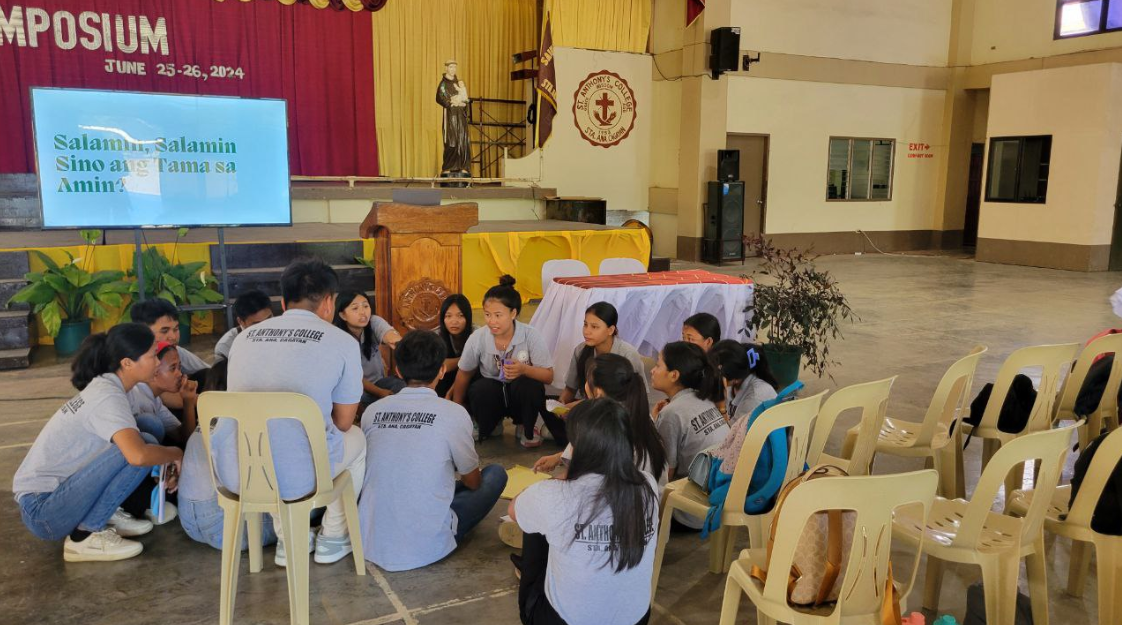
The first day introduced participants to the historical struggles and legal rights of indigenous groups, featuring a session on the Indigenous Peoples Rights Act (IPRA) led by AHRC supervising lawyer Atty. Katrina Isabela Blanco. AHRC interns facilitated interactive modules on peace, justice, and non-conventional advocacy—encouraging participants to promote indigenous rights through open letters, traditional crafts, and culinary experiences—while also addressing how environmental challenges uniquely impact women and children. The second day pivoted to practical advocacy, featuring sessions on engaged citizenship, strategic goal setting led by AHRC Officer-in-Charge Atty. Nicolene Arcaina, and community organizing principles using a problem-tree analysis. To conclude the program, student participants wrote formal pledges of commitment to actively protect and uphold Indigenous Peoples' rights within their communities.
Procurement Professionals from State Universities and Colleges Tackle User-Centric Challenges through Design Thinking
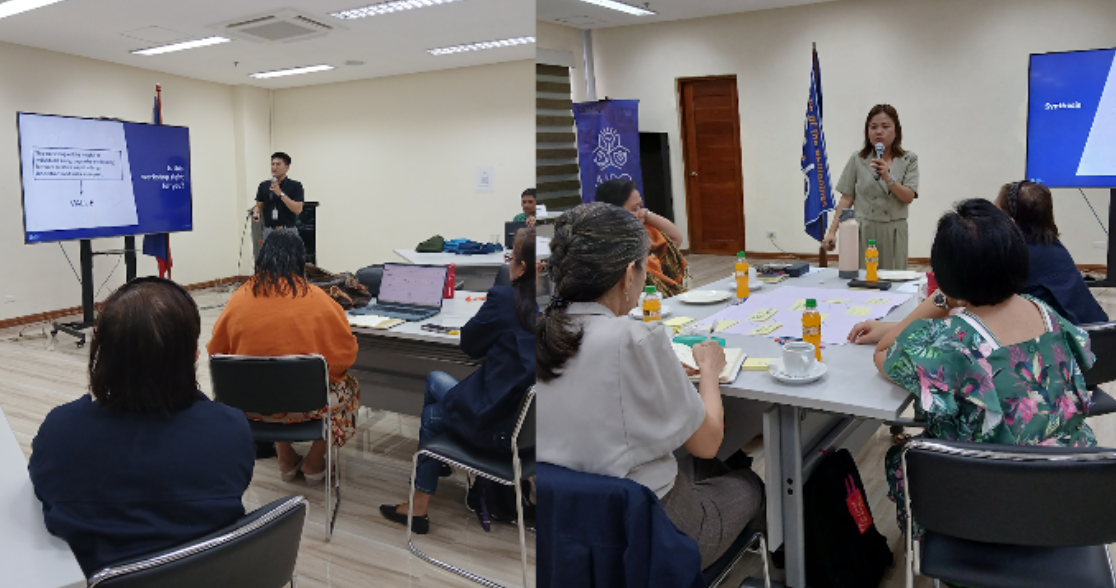
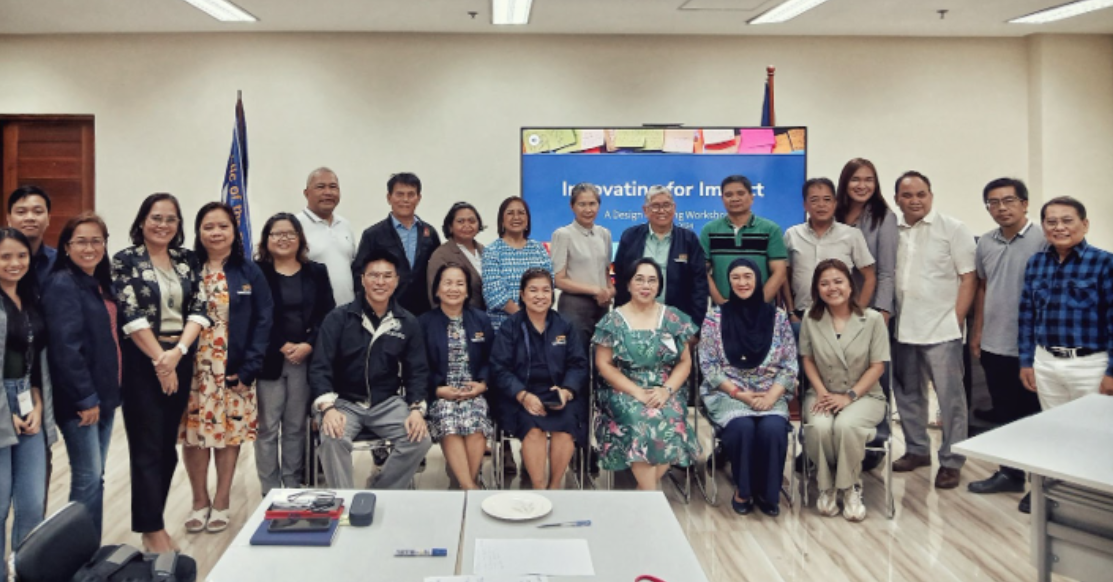
One example of the capacity-building initiative is the Ateneo Intellectual Property Office (AIPO), which partnered with the Government Procurement Policy Board-Technical Support Office (GPPB-TSO) to conduct Design Thinking Workshops last October 16, 2024 for procurement professionals from government agencies, local government units, and state universities and colleges (SUCs). The workshop equipped participants with practical tools to address procurement challenges through a user-centered approach. Around 20 procurement practitioners from various SUCs participated in the interactive learning session.
Facilitated by Mr. Steve Chaves, Head of the AIPO Innovation Support Group (AIPO-ISG), and Ms. Mariela Alcaparas, Program Development Officer of AIPO, the workshop introduced participants to the core principles and early stages of the Design Thinking process—Empathize, Define, and Ideate. Through guided discussions and collaborative exercises, participants learned how to better understand stakeholder needs, frame procurement challenges from a user perspective, and generate innovative, practical solutions.
A key highlight of the workshop was the round-robin ideation activity, where participants worked together to develop creative responses to real procurement issues encountered in their respective institutions. The exercise encouraged knowledge sharing across universities while demonstrating the value of collaborative problem-solving in the public sector. By the end of the workshop, participants had developed actionable ideas tailored to the needs of their stakeholders and gained a deeper appreciation of Design Thinking as an effective framework for improving public procurement processes.
Local Peacebuilders Reconvene to Strengthen Community-Led Peacebuilding Initiatives
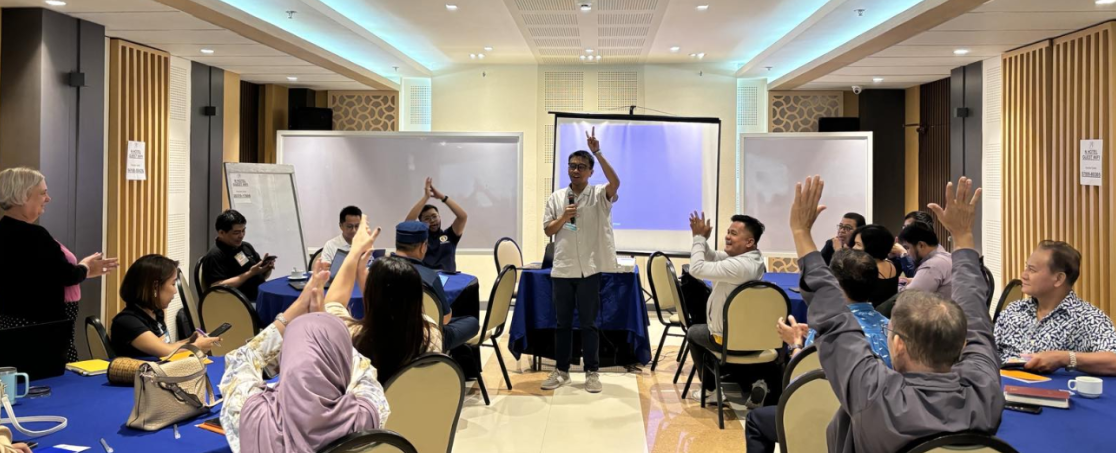
The University likewise contributes to peacebuilding and community leadership through the Department of Developmental Studies, which partnered with World Vision Philippines to conduct the Empowered Worldview Workshop in Cagayan de Oro City. Local peacebuilders from across the Philippines gathered on 17–18 August 2024 to celebrate the progress of their community peacebuilding initiatives and deepen their leadership. The two-day event brought together 20 local faith actors to reflect on their experiences, share best practices, and strengthen conflict-sensitive approaches to peacebuilding.
The gathering marked ten months since participants completed the Do No Harm (DNH) for Faith Groups Workshop. The event provided an opportunity for participants to present how they had applied the DNH framework in their respective communities, demonstrating efforts to minimize unintended harm while promoting dialogue, inclusion, and sustainable peace.
Participants reflected on how the DNH framework had influenced their leadership and community engagement. Myrna Siose of the Birhen sa Kota Development Foundation and the Group of Women Advocates for Peace in the Archipelago (GWAPA) shared that the workshop encouraged her to become a more intentional and mindful communicator when facilitating dialogue, particularly among young people.
Cathlene Tacoloy, convenor and volunteer of Justice for Marawi, Justice for All (JMJA), underscored the importance of understanding local realities in peacebuilding efforts. She added that community initiatives should take into account both faith traditions and local cultural contexts to ensure that services are responsive and holistic.
The workshop also featured video reflections from project counterparts in Sri Lanka and Burundi. Since January 2024, participants have been submitting monthly videos documenting their peacebuilding experiences following the DNH workshop. These reflections are shared across the three participating countries, fostering mutual learning among faith actors engaged in similar peacebuilding efforts.
The initiative forms part of a three-country action research project on faith actors and peacebuilding funded by The British Academy through its Knowledge Frontiers programme. The project brings together Ateneo de Manila University, the University of Leeds (United Kingdom), the University of Peradeniya (Sri Lanka), Rema Burundi, World Vision Lanka, and World Vision Philippines to examine how faith-based organizations contribute to peacebuilding in conflict-affected communities.
Representatives from ILAW Shared Community, Inc., Ako Bakwit, the Group of Women Advocates for Peace in the Archipelago, Arnold Janssen Catholic Mission Foundation Inc., Safe to Serve Christian Fellowship Community Holy Place Inc., Disciples Fellowship Ministries International, and Beyond Borders Christian Community participated in the workshop. Also in attendance were Dr. Emma Tomalin, principal investigator from the University of Leeds, and Dr. Jayeel Cornelio, professor in the Ateneo Department of Development Studies and the project's academic lead for the Philippines.
The workshop reaffirmed the value of collaboration, reflection, and faith-informed leadership in advancing community-led peacebuilding. By equipping local faith actors with practical tools and opportunities for international knowledge exchange, the initiative continues to strengthen grassroots efforts toward more inclusive, conflict-sensitive, and resilient communities.
Sources:
1. Security Bank and Ateneo Train Principals
2. Security Bank and Ateneo Empower Principals with AI, Coaching, Mindfulness Tools
3. DSWD Youth Development Worker Training
4. AIPO Conducts Design Thinking Workshops for Government Procurement Professionals
5. Empowered Worldview Workshop
6. AHRC's Enhanced KP Training Manual
7. AHRC Trains Cagayan Youth on Indigenous People's Rights
Recent News
You may also like these articles

Growing with purpose: How Mekeni Food Corporation turns adversity into shared value
From a small backyard operation in Porac, Pampanga, to an internationally recognized food brand exporting to 25 countries, Mekeni Food Corporation's journey demonstrates how businesses

Three Ateneo-incubated startups secure DOST-PCIEERD’s startup grant fund
Last 9 November, during the opening day of Philippine Startup Week 2026, Soolok Properties Inc, Pili AdheSeal Inc, and Saltric Power (PDG Engineering Services), three
Ateneo de Manila Grade 2 students are the little Earth helpers
It was a great day for saving the world when Ateneo Institute of Sustainability (AIS) came to Ateneo Grade School to give a session on
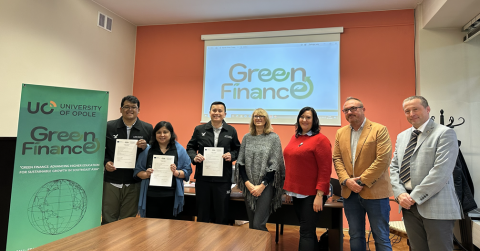
JGSOM representatives complete green finance training in Poland, sets sights on 2027 micro-credential launch
Representatives of Ateneo de Manila University's John Gokongwei School of Management (JGSOM) completed the second phase of their Erasmus+ Green Finance international mobility activities at
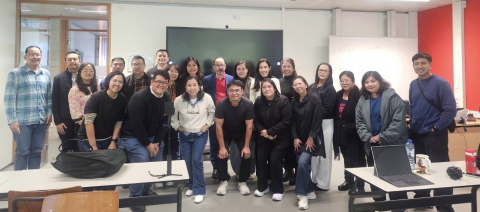
JGSOM Representatives Participate in Green Finance Training at the University of Twente
Enschede, Netherlands | October 15–16, 2026 Representatives of Ateneo de Manila University's John Gokongwei School of Management (JGSOM) participated in a specialized Green Finance training
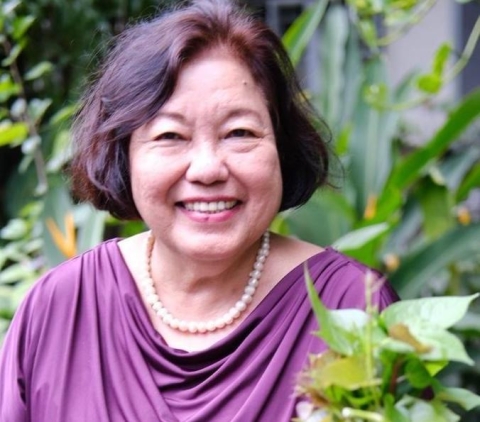
Professor Emeritus Dr Emma Porio highlights climate resilience and biodiversity at international conferences
Emma E Porio, PhD, Professor Emeritus of Ateneo de Manila University and Principal Investigator of Ateneo's Manila Observatory Center for Climate Resilience and Public Health