Gatekeeping for health: RGL Hub and PSPHP explores redesigning patient flow in the Kumilos series
03 Nov 2026 | Chiara Marie Fe Tolentino, Jacob Reyes



Hindi bantay, kundi gabay. Many often connote gatekeeping to exclusivity and inaccessibility. However, in public health, gatekeeping can actually become the bridge patients need towards better and more appropriate pathways to care.
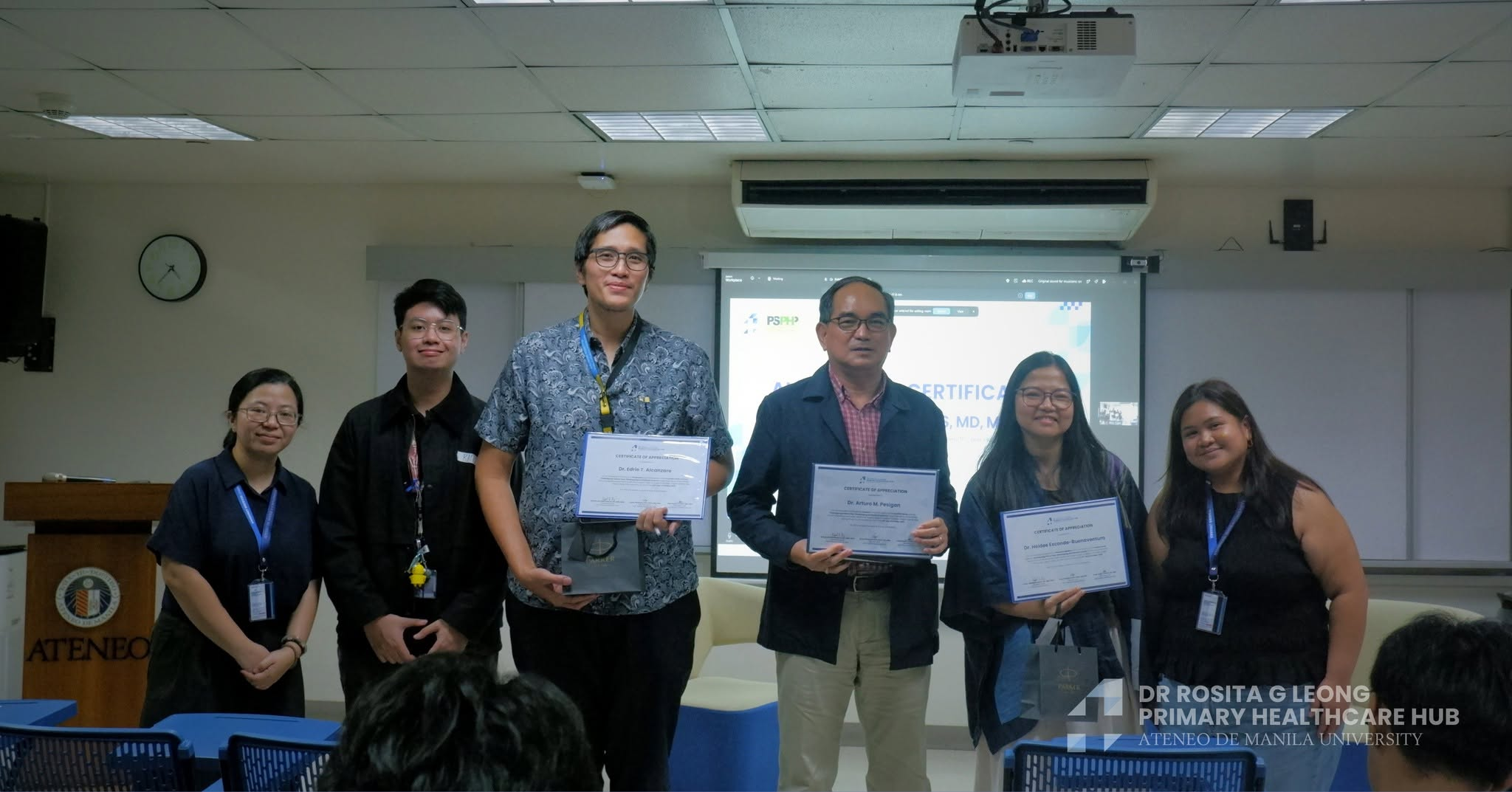
Last 24 October 2026, the Dr Rosita G Leong Primary Care Hub (RGL Hub), in partnership with the Philippine Society of Public Health Physicians (PSPHP), convened the third session of the Kumilos Series, Redesigning Patient Flow: Gatekeeping and Referral Systems. Held in a hybrid format at Ateneo School of Medicine and Public Health Ortigas Campus and via Zoom, the event sparked conversations with more than 400 onsite and online participants on patient flow, referrals and coordination, and continuity of care.
The session featured guest speaker Heidee Exconde-Buenaventura, MD, MPM, a physician and public health practitioner with extensive experience in health systems strengthening, health leadership, and UHC implementation, from frontline rural health service to national and regional health programs. The session was moderated by Dr Edrie Alcanzare of the Philippine Society of Public Health Physicians (PSPHP). The session also welcomed Dr Arturo Pesigan, former World Health Organization (WHO) Country Representative to Yemen, as a guest reactor.
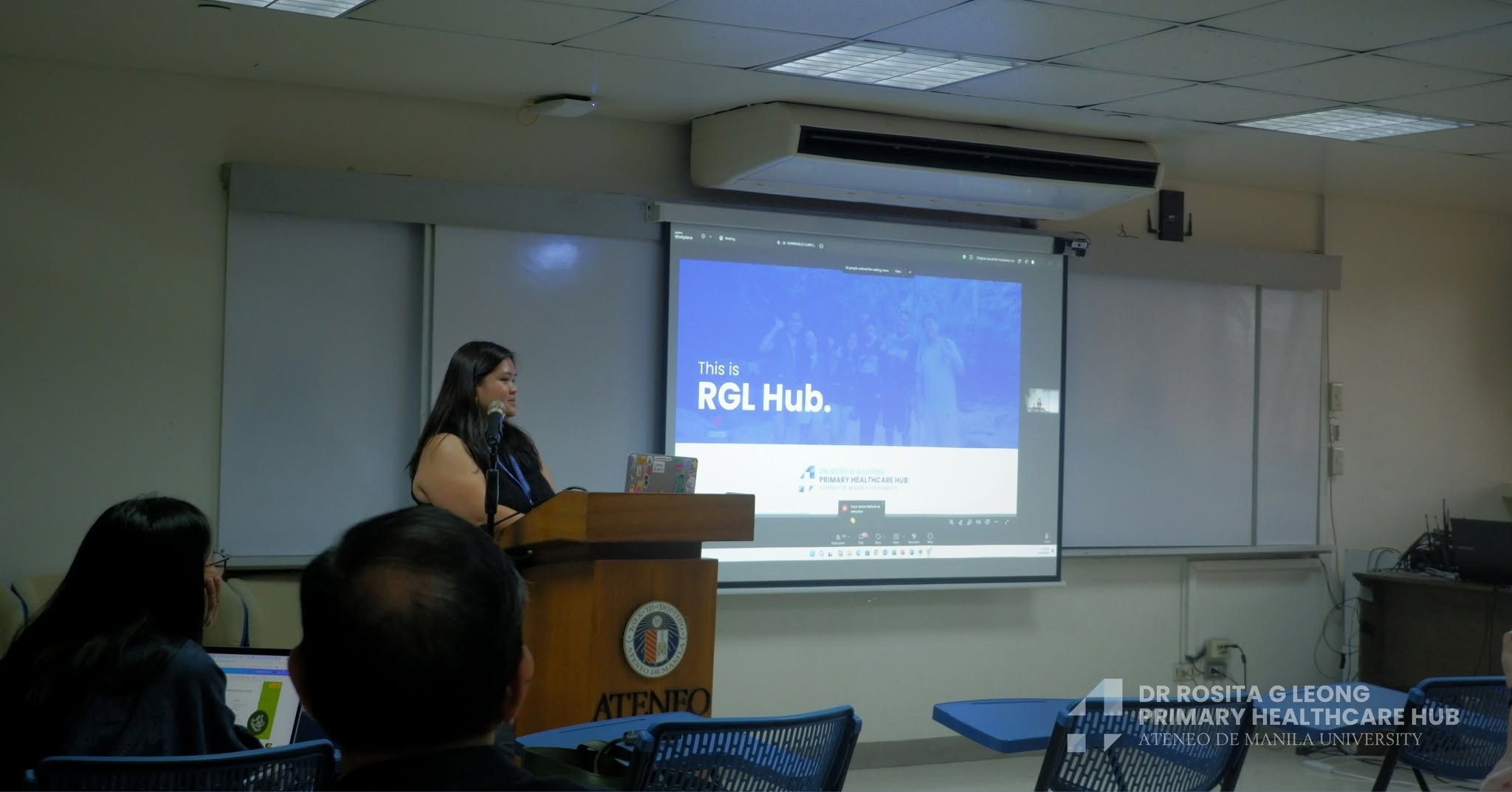
To open the event, Dr Cheska De Jesus, RGL Hub Lead, and Dr Alcanzare introduced RGL Hub and PSPHP, respectively. Opening remarks were delivered by RGL Hub Advisory Board member and ASMPH Dean Dr Cenon “Dodie” R Alfonso. Dr Alfonso provided a grounding introduction to the concepts of patient flow, referrals, and gatekeeping; as well as stressed on the Ignatian principles behind redesigning patient flow and the patient experience - seeing the whole person navigating these systems (cura personalis) and designing them with greater purpose, compassion, and accountability (magis).
Dr Buenaventura’s talk began with the thought-provoking, emotional story of Jackelyn, a patient from a GIDA community in Buruanga, Aklan. In August 2016, Jackelyn suffered complications after giving birth to her seventh child. Amid heavy rains, difficult roads, and limited transportation, her family struggled to bring her to the hospital. Upon arrival, in the wee hours of the morning, they were told that no doctor was available and were advised to seek care elsewhere. By the time they reached the emergency room of the next hospital, it was too late. Her story exposed critical gaps in access to timely care and coordination within the health system, highlighting how failures in the referral system can have fatal consequences.
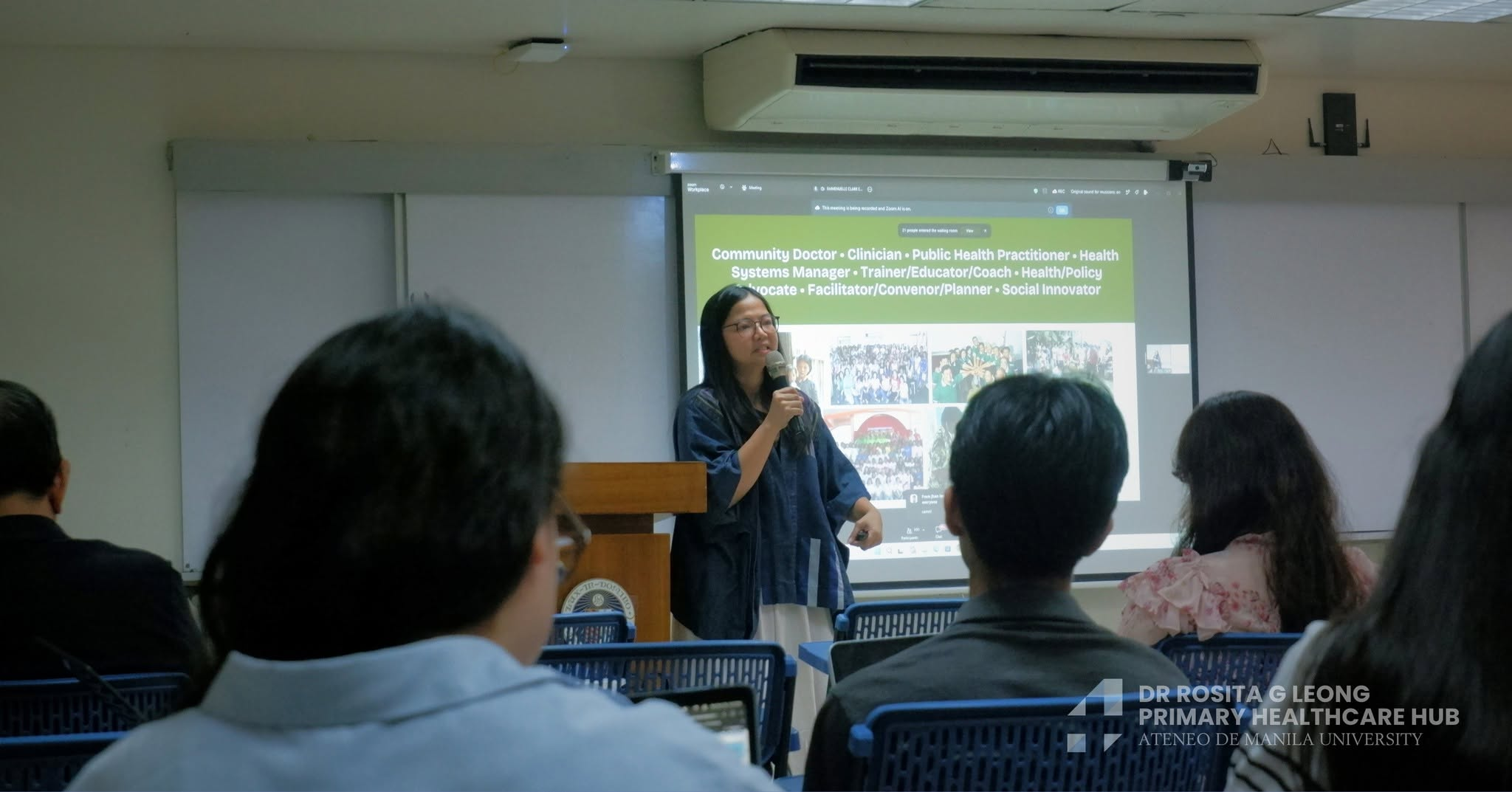
Dr Buenaventura invited the participants to think deeply and share their insights: At what points in the health system could Jackelyn have been saved? Who could have helped her? The shared realization from many participants was that how the same story could have been happening in other parts of the Philippines, among many Jackelyn’s our health system has failed to reach. The case of Jackelyn, as shared by Dr Buenaventura, served as a wake-up call for the governor, highlighting the urgent need for reforms to the referral system.
Referrals must not simply mark the end of one person or provider’s involvement in a patient’s care. Rather, they must ensure continuity of care, with patients guided to the appropriate facility and supported throughout their journey through the health system.
“Gatekeeping is not about restricting access, but rather about guiding patients toward the care they need. It begins with pagsalubong—welcoming patients into the [health system]—and continues through paggabay, or guiding them to where care is best received, and pagkalinga—ensuring continuous care [even after they return home].” - Dr Heidee Exconde-Buenaventura
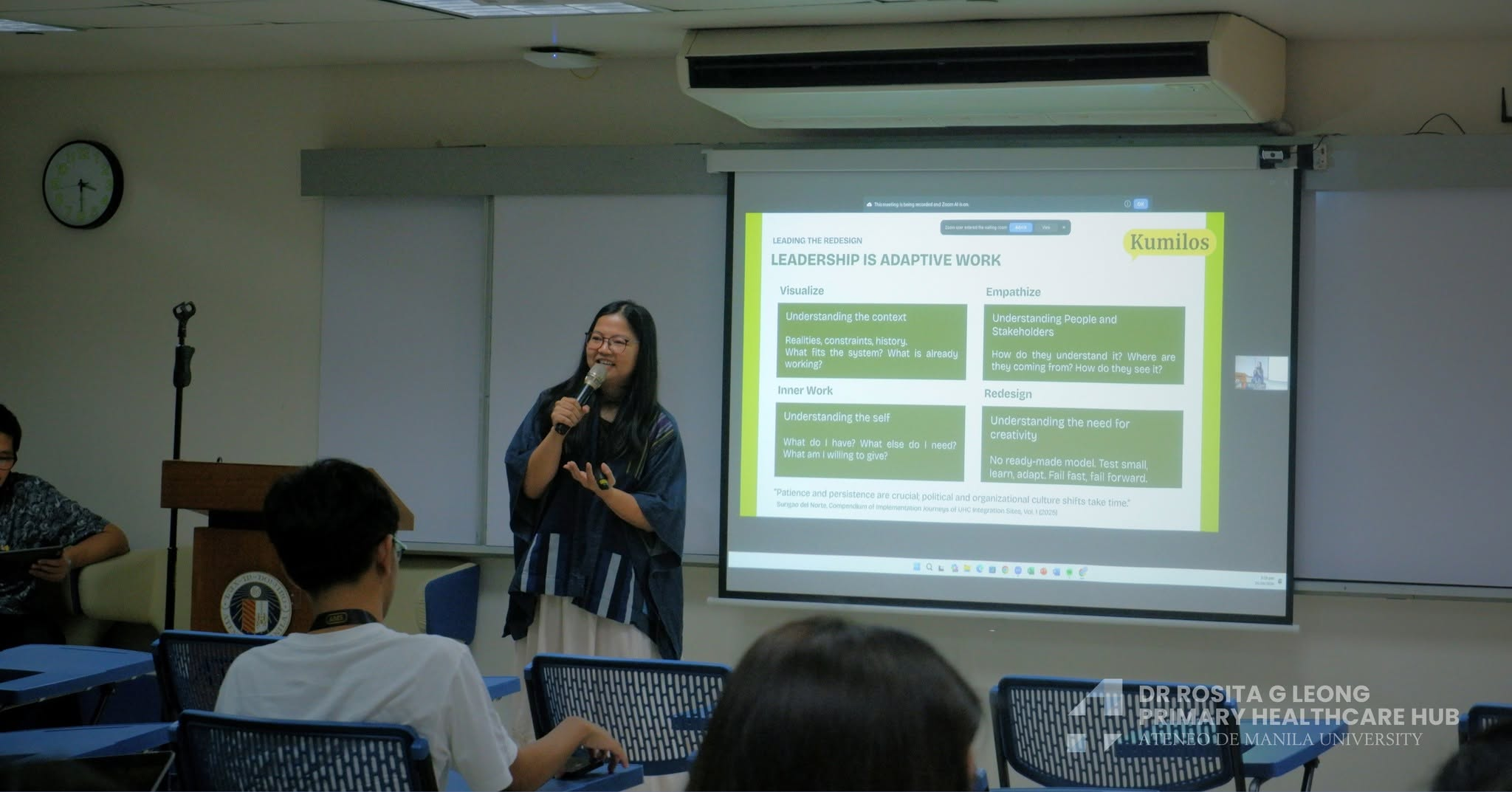
Dr Buenaventura highlighted how effective referral systems require coordination among public and private providers, adequate resources, and approaches tailored to each community’s needs. Drawing from the Compendium of Universal Health Care (UHC) Policies and Operational Guidelines, she shared local examples, including Quezon’s navigation hub and hospital command center, demonstrating how stronger coordination and governance can improve patient flow. To guide redesign, Dr Buenaventura introduced a systems-thinking approach: visualize the system, empathize with the system, and redesign the system. By mapping patient pathways and identifying bottlenecks, stakeholders can develop solutions suited to their local context. To answer the question “Ano ang most effective model?”, Dr Buenaventura shares: “No model is superior. Rather, each network combines these choices to fit its own realities and constraints.”
In his reaction, Dr Pesigan emphasized that patients cannot be blamed for bypassing primary care—such as going directly to specialists—when primary care services are unavailable and unreliable. With this, Dr. Pesigan highlighted five priorities for strengthening the Philippine health system: 1) guiding rather than simply restricting patients, 2) building functional provider networks, 3) engaging hospitals as partners in primary healthcare, 4) institutionalizing counter-referrals, and 5) measuring outcomes such as timeliness, referral completion, and equity.
“Ultimately, a referral must do more than transfer information; it must help ensure that patients actually receive appropriate care.” - Dr Arturo M Pesigan
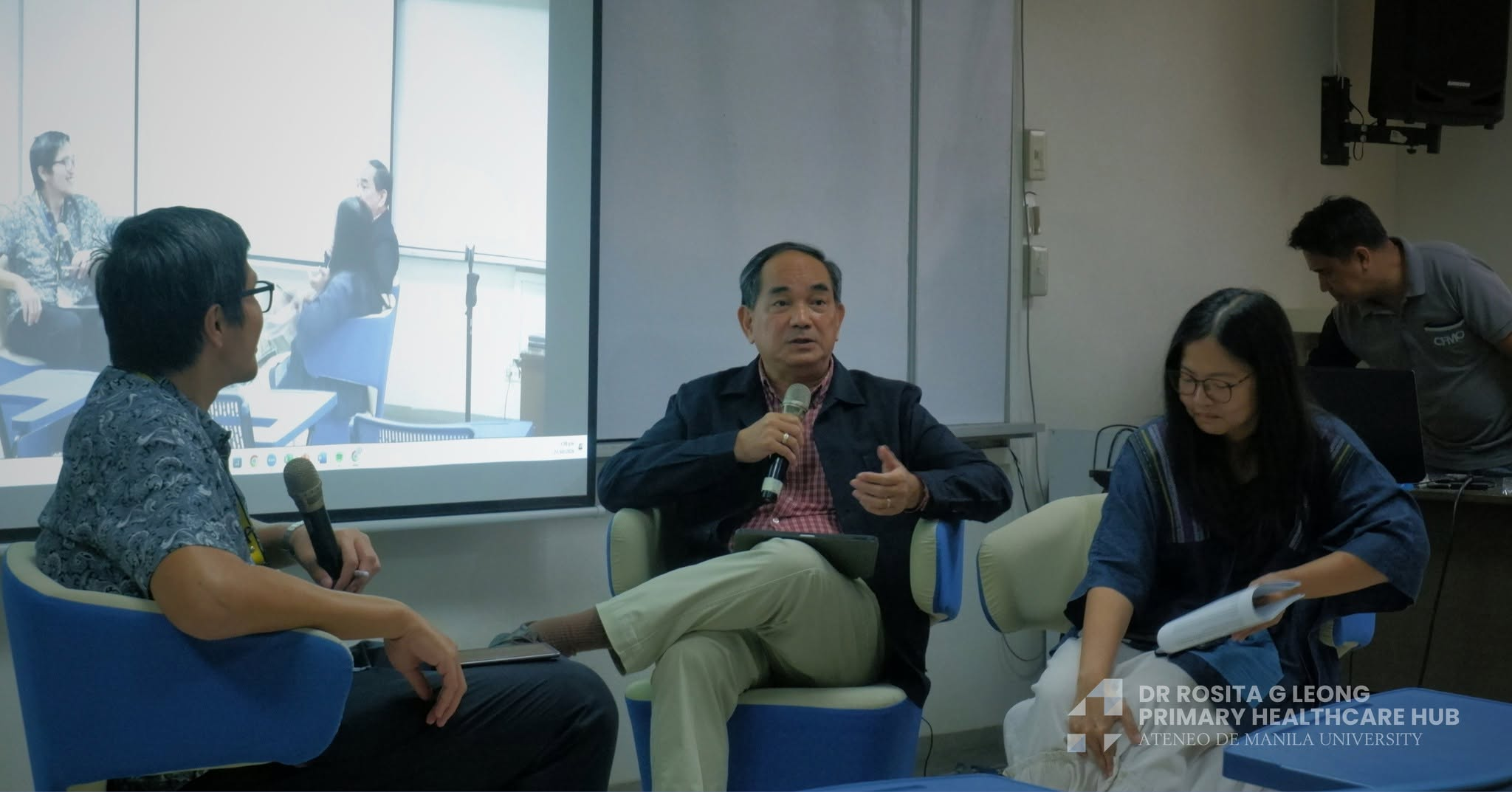
During the open forum, both speakers discussed the challenges of implementing these reforms, including political will, financing, and public-private coordination. They stressed that encouraging patients to seek primary care first must be matched by adequate staffing, supplies, and services, while collaboration with other fields, such as information technology and user experience design, can help build more responsive healthcare networks.
“Ang gatekeeping ay hindi bantay, kundi pag-gabay.”
The insights shared by the speakers and participants returned to the central idea that gatekeeping in primary care should not be a barrier between patients and care, but a means of helping them find their way through it. While referrals may move patients and information from one facility to another, it is a functioning and compassionate network that brings patients closer to healing.
The Dr Rosita G Leong Primary Health Care Hub (RGL Hub) is the lead office in Ateneo de Manila University’s network working on strengthening and supporting primary care in the Philippines. For potential partnerships and collaborations with the RGL Hub, interested parties may reach out to Dr Cheska De Jesus via email at rglhub@ateneo.edu.
Recent News
You may also like these articles
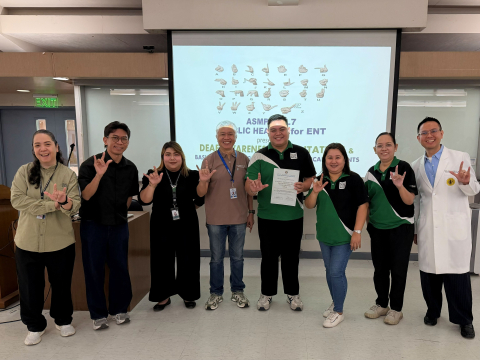
Beyond words: ASMPH equips future physicians to bridge healthcare gaps through deaf awareness and sign language
Great medicine begins with understanding, yet for many deaf and hard-of-hearing patients, a visit to the clinic can feel isolating when communication barriers get in
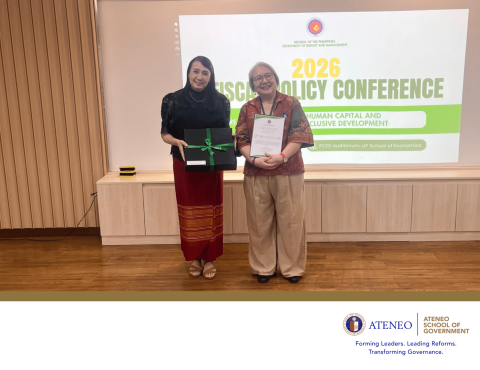
Ateneo Policy Center presents study on local health spending at DBM Fiscal Policy Conference 2026
On 19 October 2026, the Ateneo School of Government, through its research and policy unit, the Ateneo Policy Center (APC), presented findings from a study
Dr Dennis B Batangan joins global panel on commercial determinants of health at PMAC 2027
Dennis B Batangan, MD, Public Health Specialist, Research Program Director, and Research Scientist at the Ateneo de Manila University's Dr Rosita G Leong School of
Ateneo research helps shape Pasig City's landmark health data governance policy
Research developed at Ateneo de Manila University has helped shape a pioneering local government policy that strengthens the secure, ethical, and responsible use of health
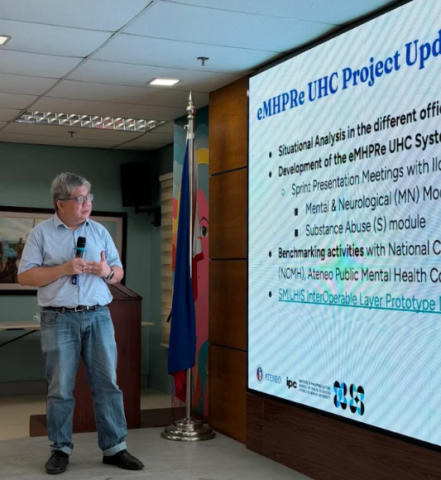
Ateneo advances digital mental health systems through eMHPRe UHC project
Ateneo de Manila University continues to strengthen the use of research and technology in improving public health systems through the Electronic Mental Health Program Registry
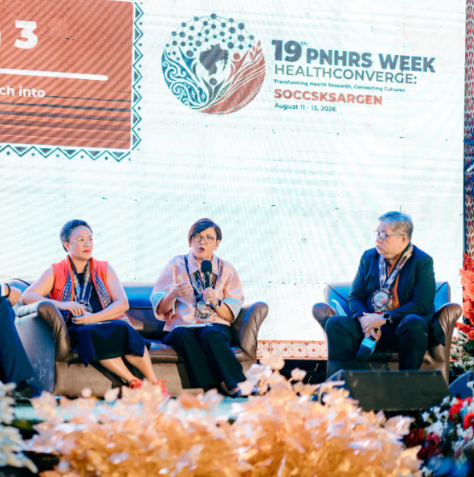
Dr Dennis Batangan highlights research-to-policy Pathways at 19th Philippine National Health Research System Week
Dennis B Batangan, MD, Public Health Specialist, Research Program Director, and Research Scientist at the Dr Rosita G Leong School of Social Sciences (RGLSOSS), Ateneo