Flying between graphs and narratives: MCR-Ateneo pilots climate storylines workshop
11 Aug 2026 | Ivy Geraldine Ferrer and Daniel C Ratilla




The My Climate Risk - Ateneo de Manila University Regional Hub (MCR-Ateneo), under the My Climate Risk Lighthouse Activity of the World Climate Research Programme (WCRP), co-organized the Final Workshop of CARE for SEA Megacities last 28 to 30 July 2026 in Quezon City. This follows a string of collaborations between the Lighthouse Activity and the Coordinated Regional Climate Downscaling Experiment (CORDEX), a Programme of the WCRP. The WCRP Academy, the research training advisory and coordination arm of the WCRP, was also tapped as co-organizers.
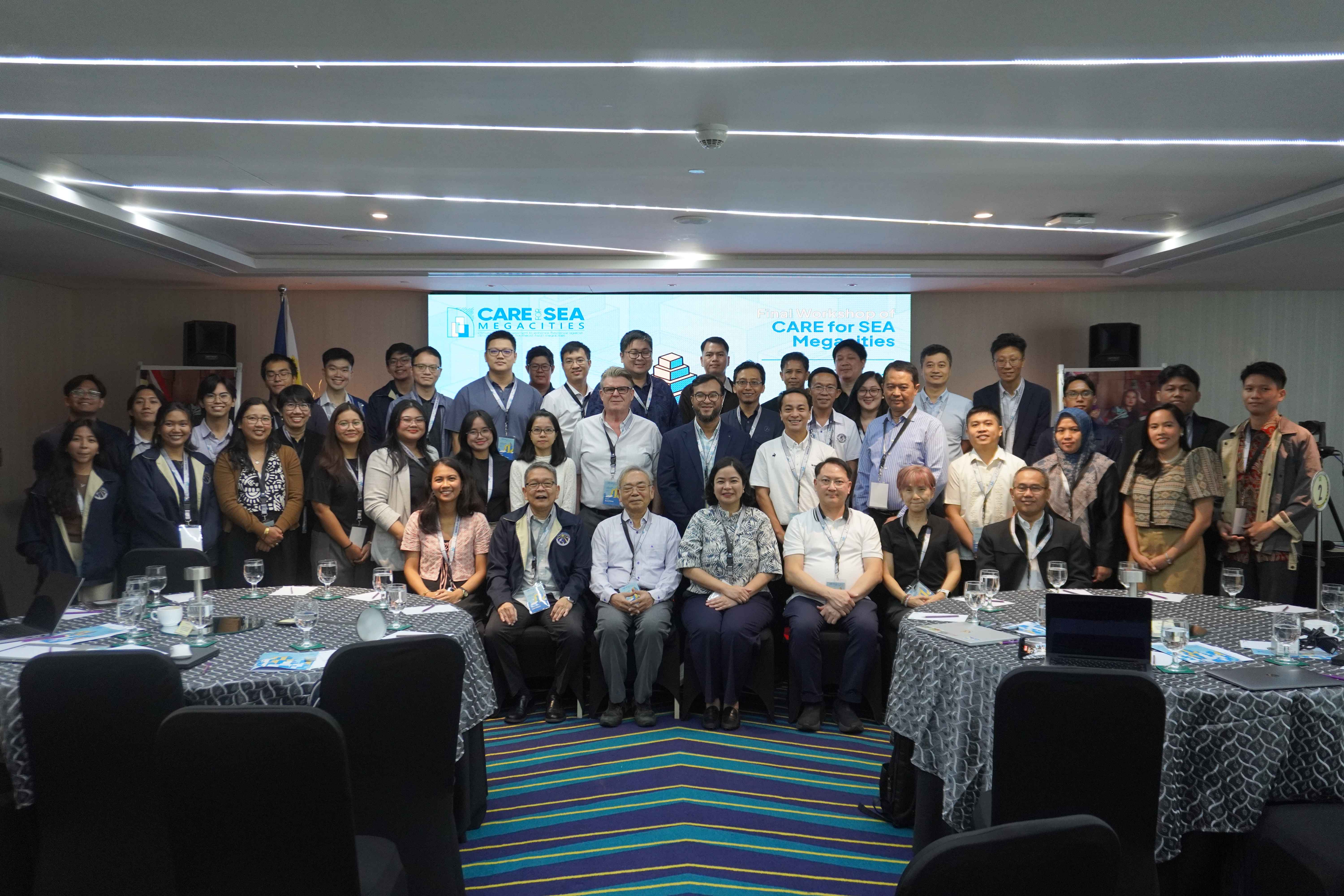
The workshop is part of the "Climate hazard Assessment to enhance Resilience against climate Extremes for Southeast Asian megacities”, or CARE for SEA Megacities project, and was the culmination of a years-long process in downscaling climate information as well as stakeholder engagement to ensure its usability. In this regard, My Climate Risk is a natural partner given its aim to mainstream a bottom-up approach to climate risk. The final workshop gathered collaborators and stakeholders to share updates on research findings on extreme heat, extreme precipitation, and Urban Heat Island (UHI) effect, along with the launch of the climate data portal, an online communication platform to provide climate hazard information and support assessment, planning, and policy-making decisions.
The three-day workshop was chaired by Dr Faye Abigail Cruz, co-chair of CORDEX in Southeast Asia (CORDEX-SEA) and Head of the Regional Climate Systems Laboratory of the Manila Observatory. Delegates from across the Southeast Asian region, including Indonesia, Malaysia, Thailand, Vietnam, and the Philippines, were welcomed by Fr Jose Ramon T Villarin SJ, Executive Director of the Manila Observatory. Both Dr Cruz and Fr Villarin are Collaborators of the MCR-Ateneo Hub.
Mr Daniel C Ratilla, Program Head for Climate and Disaster Resilience at the Ateneo Institute of Sustainability and Focal Point of the MCR-Ateneo Hub, chaired Session 3b: Climate Storylines and Stories on the second day of the workshop. Joining virtually was Dr Theodore Shepherd, Grantham Professor of Climate Science at the University of Reading and co-chair of My Climate Risk, who introduced the climate storylines approach. Dr Shepherd pioneered the storyline approach as an alternative approach to understanding uncertainty in climate risk.
The first activity of the workshop followed a dynamical climate storyline diagram. Each megacity was tasked to follow a sequential process of the diagram, reflecting on historical events and using multiple lines of evidence (ie, climate data portals, lived experiences) in drawing their inputs. Based on these evidences, participants created a self-consistent storyline for their respective megacities, to inform their answers regarding plausible impacts by the middle of the century (2040-2060). Facilitators also guided the participants through each major element, including key physical drivers, determinants of risk, impacts, and responses, through a series of guide questions.
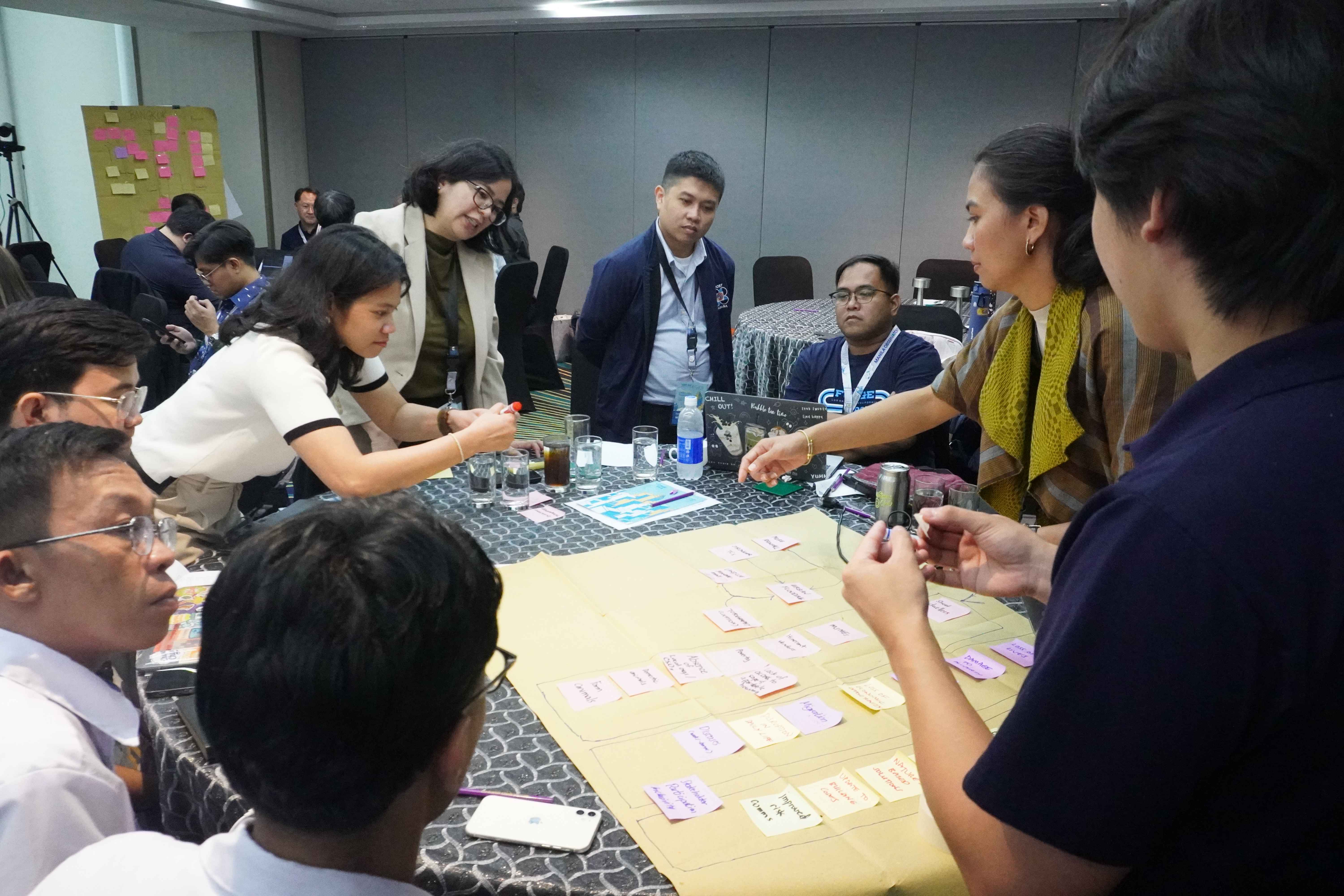
The most common hazard identified across the five megacities was urban flooding / heavy rainfall, causing socio-economic losses and disruption of services. Participants also shared that changes in intensity and patterns of future rainfall contribute to the worsening of the hazard, especially in low-lying urban areas, a common point of exposure for many of the cities represented. One of the participants from Metro Manila detailed that highly vulnerable populations tend to settle into areas of high risk, due to social disparities and insufficient support from the local and national government, an action which further compounds risk. Similarly, heavy rainfall in Bangkok is highly attributed to rising temperatures, insufficient water capacity of river basins, high convection rate, and increased precipitation in the Chao Phraya River area, Thailand’s major waterway.
Ideal mitigation and adaptation measures were also teased out in the workshop in response to these hazards, such as multi-hazard early warning systems, flood control pumps, nature-based solutions, capacity-building strategies, and multisectoral collaboration, among others.
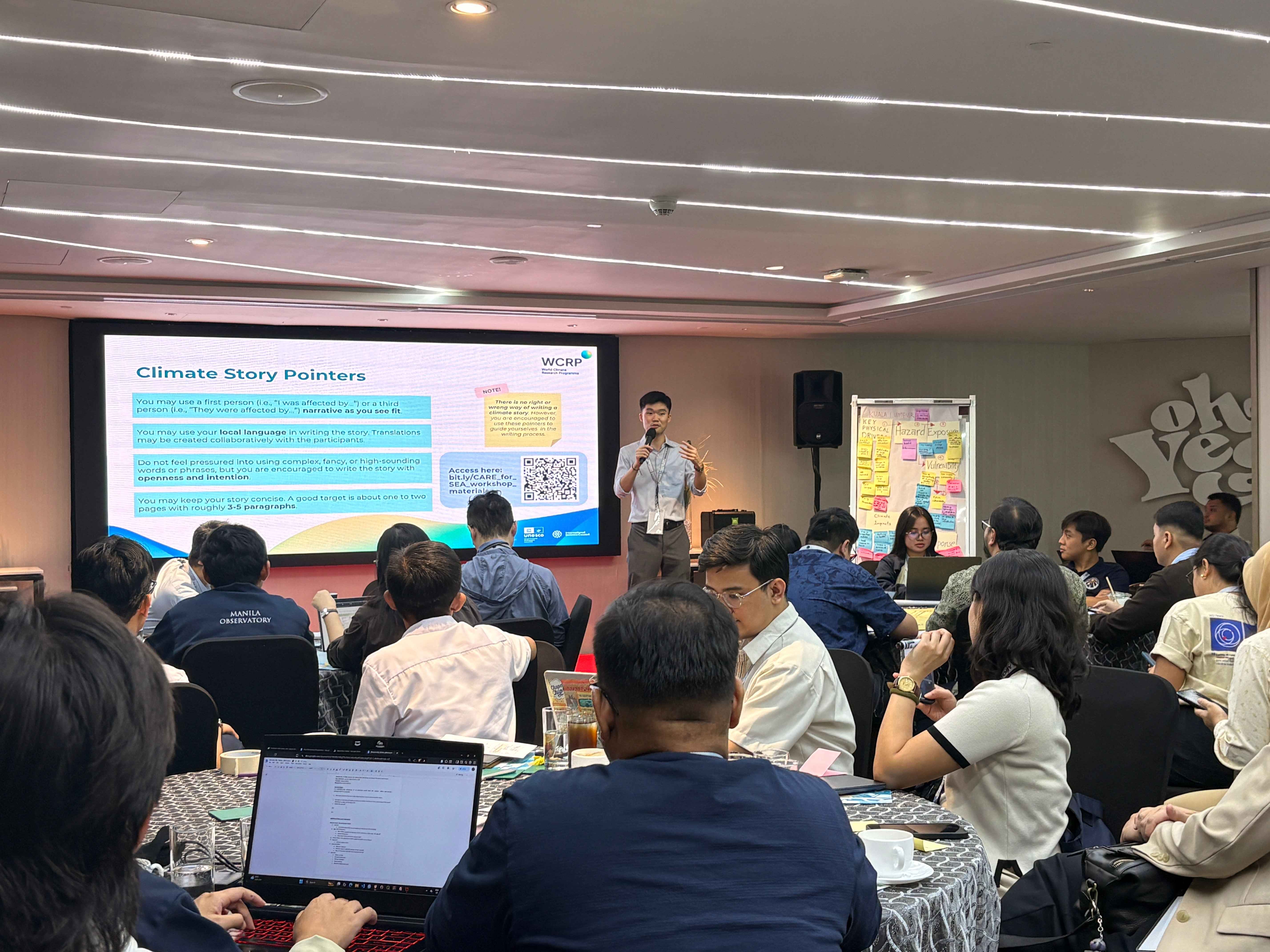
In the afternoon session, participants were challenged to create a climate story based on their diagram. It enabled participants to creatively synthesize both historical and plausible climate impacts into a coherent narrative and built a “ground up” understanding of how climate change is experienced and perceived based on the stories from different sectors. Stories spanned from personal experiences, special holidays, and even fictional write-ups.
The following morning, Ms Ivy Geraldine Ferrer, Program Officer for Climate and Disaster Resilience and Member of the MCR-Ateneo Hub, provided the recap of the session. This was followed by Session 4: Stakeholder Workshop on Designing a Climate Resilient City, which was chaired by Dr Ma. Laurice Jamero. Dr Jamero is the Resilience Coordinator of the Manila Observatory and a Collaborator of the MCR-Ateneo Hub, and serves as Manager of the Support Unit for the WCRP Academy. The final activity encouraged participants to explore strategies that will pursue both development and climate resilience-focused aspirations of their respective cities through exercises such as analyzing the social landscape, creating imaginaries of the future, and pitching project ideas for a climate-resilient city.
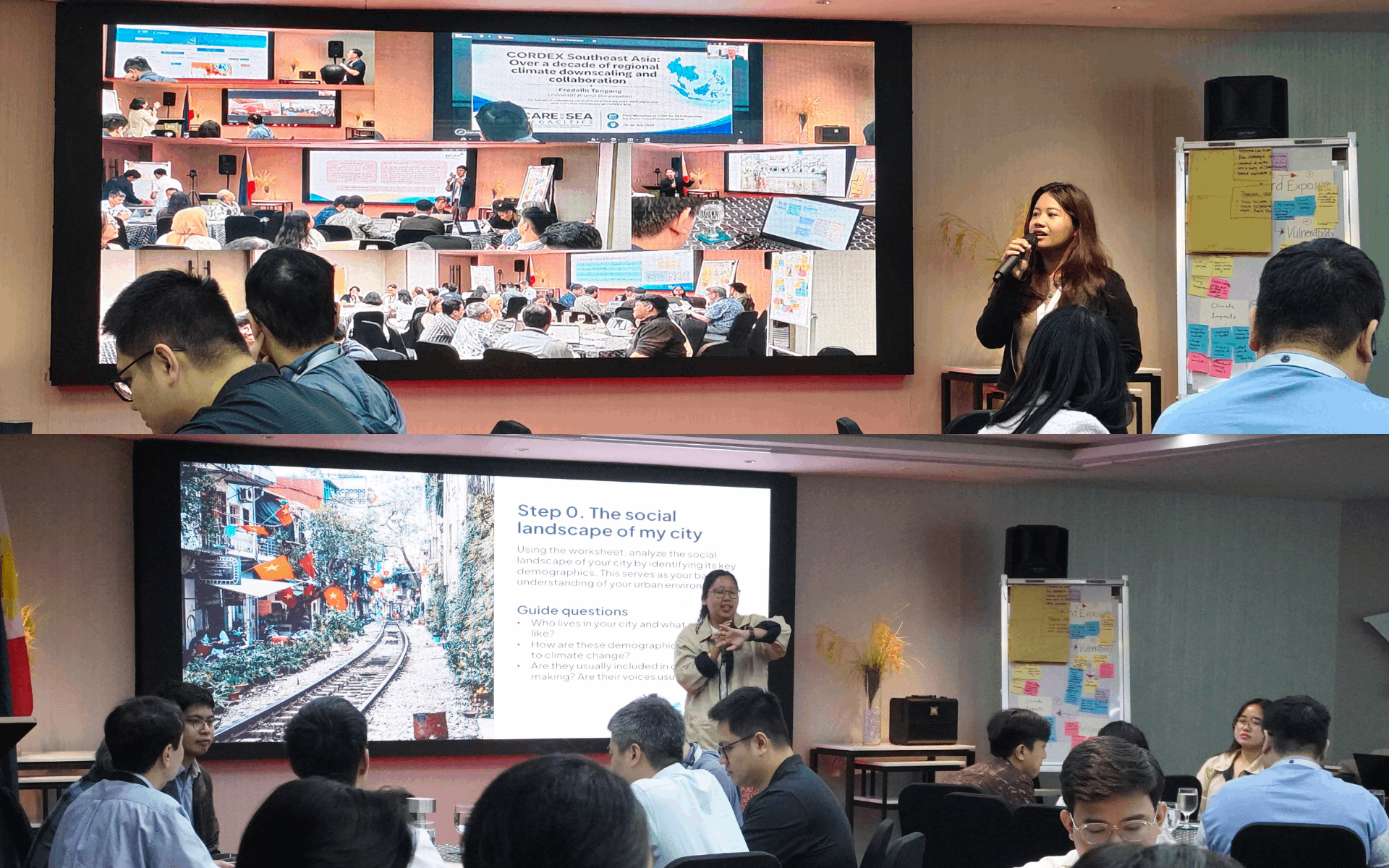
Overall, the workshop brought relevant findings of city-scale climate hazard information to better inform stakeholders and communities across Southeast Asian megacities. Similarly, through the climate storylines and future visioning sessions, it further engaged and challenged participants in developing creative, informed, and proactive approaches in enhancing climate resilience. As the event also served as a venue to pilot the climate storylines workshop, the MCR-Ateneo Hub can further plan for how to improve the workshop delivery for its other stakeholders. The activities facilitated by Mr Ratilla and Dr Jamero also represent methods that offer a more accessible set of tools in planning for climate resilience.
Recent News
You may also like these articles

Growing with purpose: How Mekeni Food Corporation turns adversity into shared value
From a small backyard operation in Porac, Pampanga, to an internationally recognized food brand exporting to 25 countries, Mekeni Food Corporation's journey demonstrates how businesses

Three Ateneo-incubated startups secure DOST-PCIEERD’s startup grant fund
Last 9 November, during the opening day of Philippine Startup Week 2026, Soolok Properties Inc, Pili AdheSeal Inc, and Saltric Power (PDG Engineering Services), three

Ateneo de Manila Grade 2 students are the little Earth helpers
It was a great day for saving the world when Ateneo Institute of Sustainability (AIS) came to Ateneo Grade School to give a session on

JGSOM representatives complete green finance training in Poland, sets sights on 2027 micro-credential launch
Representatives of Ateneo de Manila University's John Gokongwei School of Management (JGSOM) completed the second phase of their Erasmus+ Green Finance international mobility activities at

JGSOM Representatives Participate in Green Finance Training at the University of Twente
Enschede, Netherlands | October 15–16, 2026 Representatives of Ateneo de Manila University's John Gokongwei School of Management (JGSOM) participated in a specialized Green Finance training

Professor Emeritus Dr Emma Porio highlights climate resilience and biodiversity at international conferences
Emma E Porio, PhD, Professor Emeritus of Ateneo de Manila University and Principal Investigator of Ateneo's Manila Observatory Center for Climate Resilience and Public Health