ASOG, DOH, and Lung Center convene experts to develop Comprehensive Smoking Cessation Training Modules
24 Jun 2026


On 28 May 2026, the Ateneo School of Government (ASOG), through its research and public policy think tank, the Ateneo Policy Center (APC), in collaboration with the Department of Health - Disease Prevention and Control Bureau (DOH-DPCB) and the Lung Center of the Philippines (LCP), held the Expert Consultation on the Development of the Comprehensive Smoking Cessation Training Modules at the Lung Center of the Philippines.
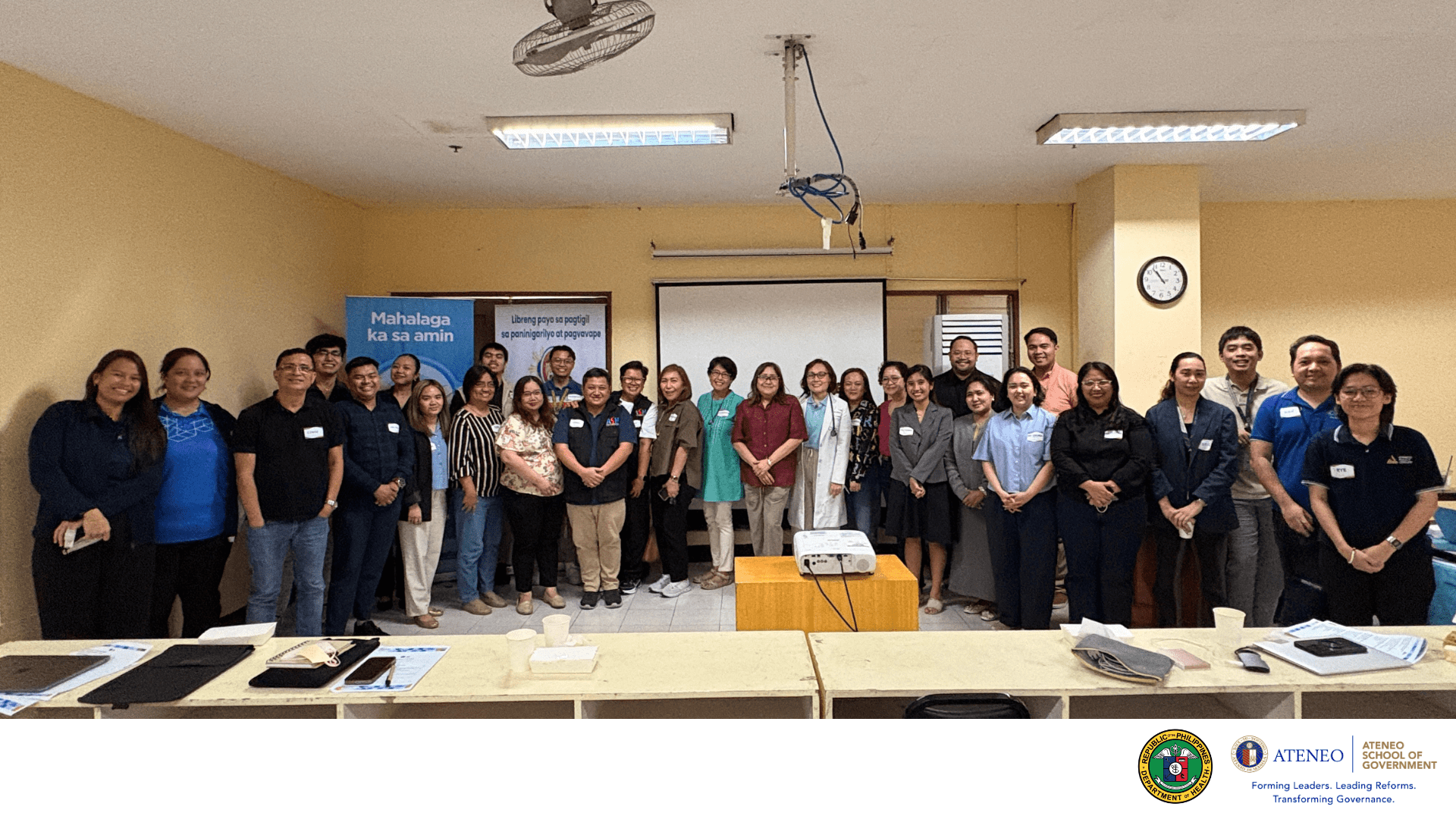
The expert consultation seeks to establish a standardized, evidence-based training pathway for healthcare providers, specifically addressing brief tobacco interventions, intensive behavioral counseling, and pharmacotherapy. Now on its technical consultation phase, the consultation convened various experts from government, associations, and civil society organizations to review, refine and validate a proposed 13-module structure, provide key insights, identify potential bottlenecks, and consolidate technical recommendations for a national training roll-out.
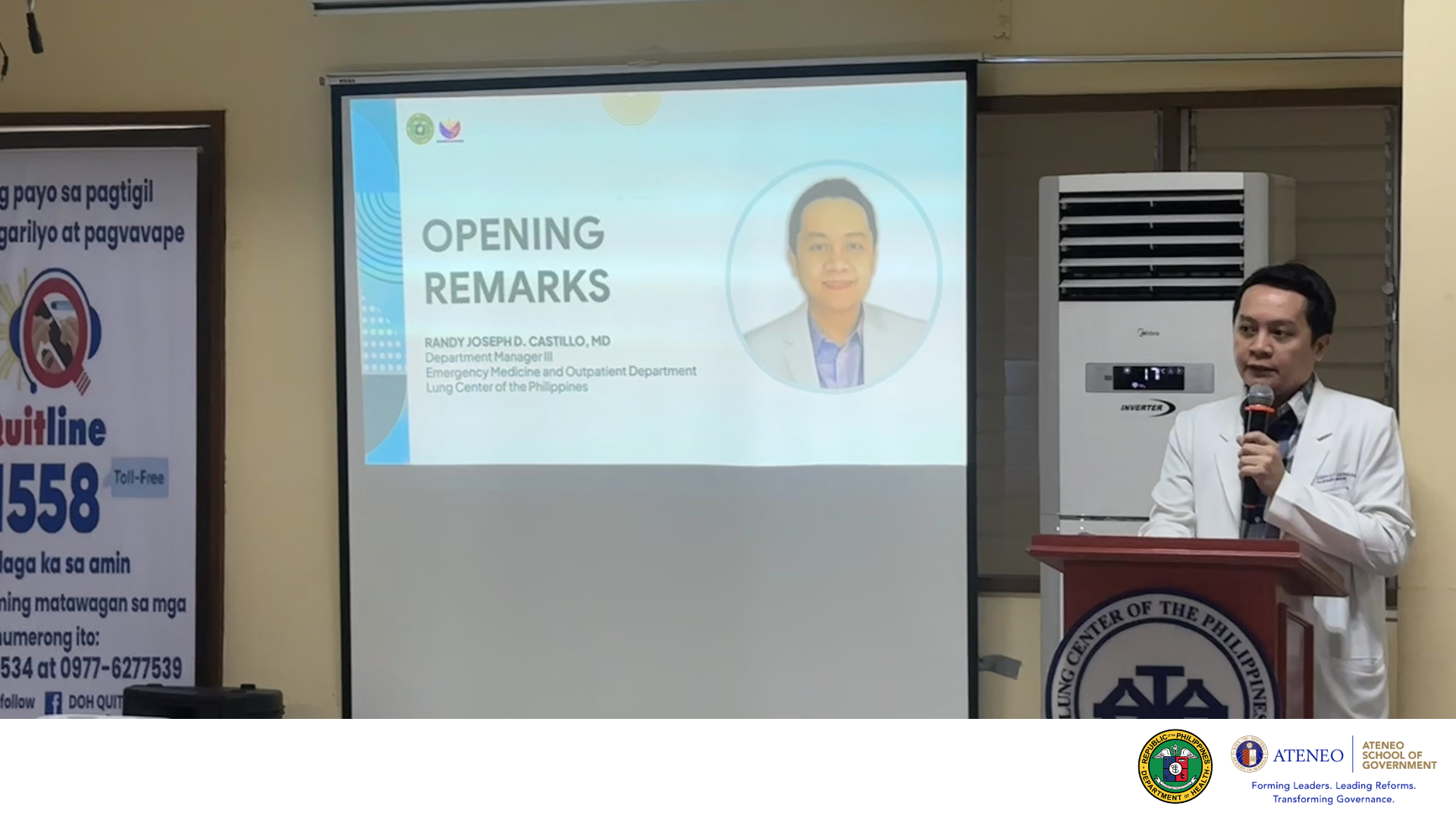
The session opened with Dr Randy Joseph D Castillo, Department Manager III of the Lung Center of the Philippines, where he touched on the prevalence of vaping among the youth and its generation of nicotine dependence. As a response, he emphasized the urgency of the development of an updated and restructured playbook for frontline health workers in addressing this health concern.
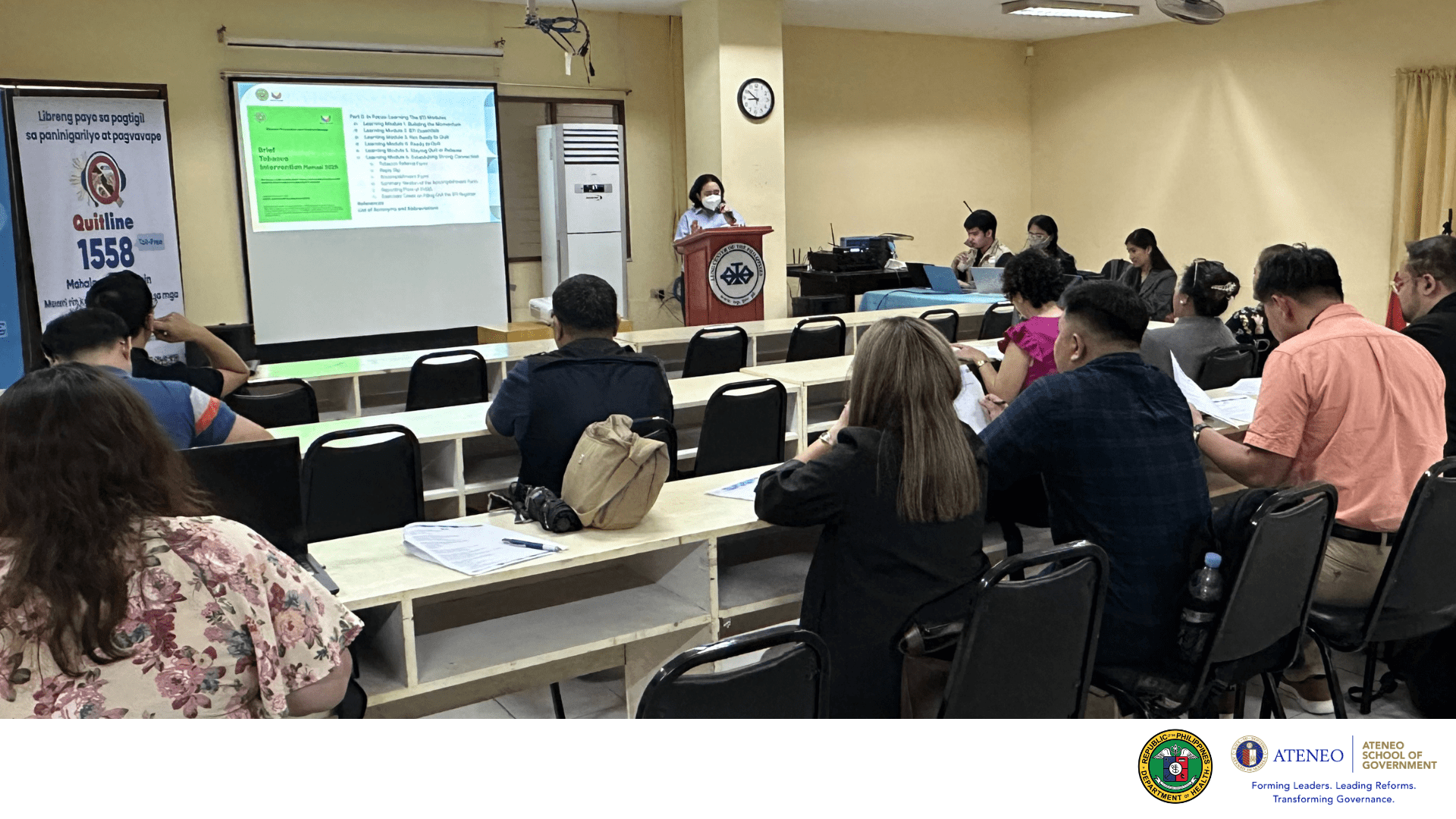
Following this, Dr Celina Bernardo and Dr Renz Julius Queaño, Program Managers of DOH-DPCB, presented an overview of existing face-to-face and digital training modules. While recognizing these resources already have integrated basic interventions, there is a recognition that vaping nuances would require a more systematic and structured approach as they go through its module development.
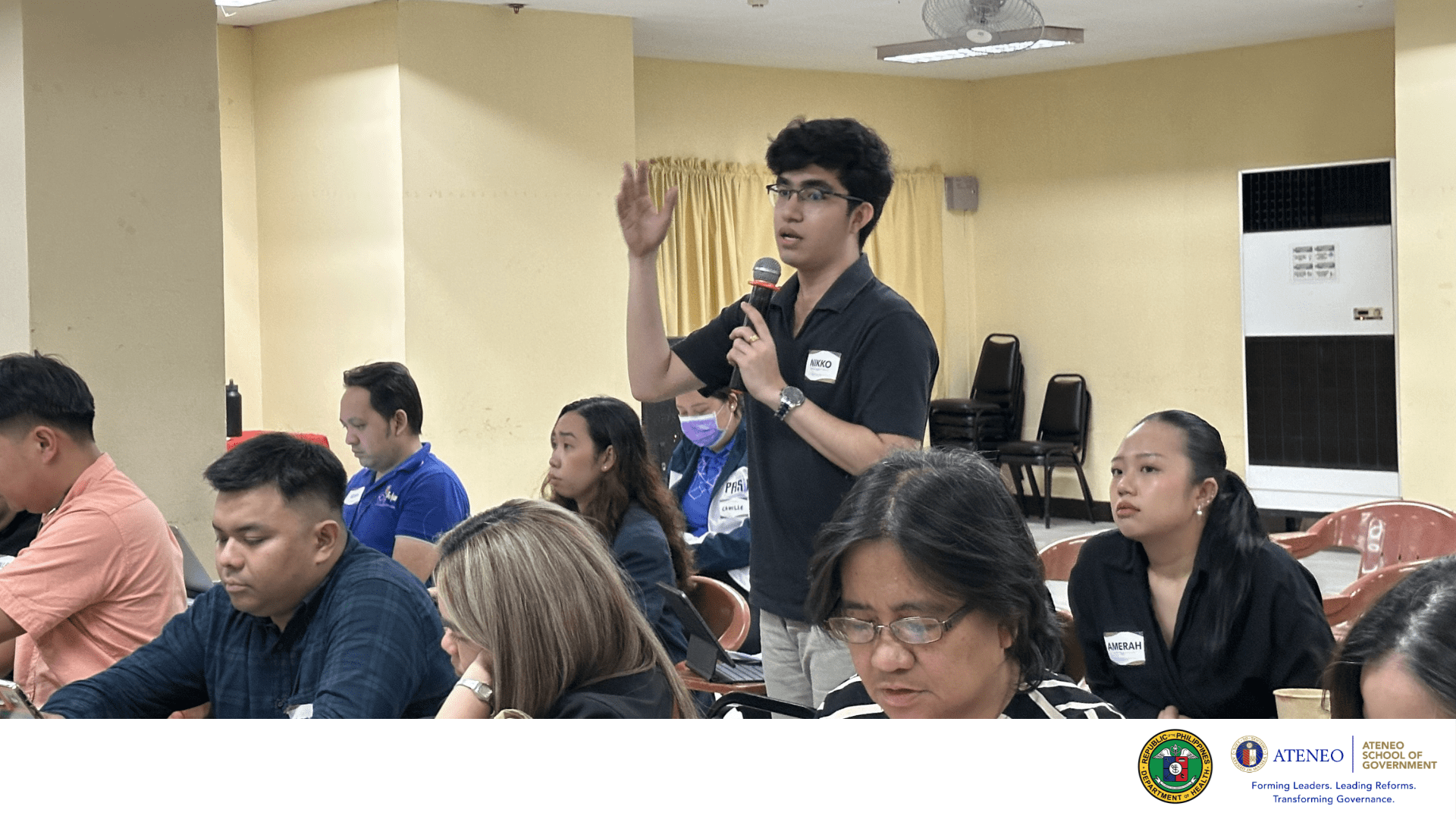
After the presentations, the plenary of experts recommended creating a progressive and tiered curriculum, specifically structured around the healthcare provider’s operational role, beginning with prerequisite content on tobacco control, before moving on to brief intervention and intensive care courses. Instead of a single textbook, experts also agreed on splitting the playbook into multiple independent modules, with specific considerations and protocols for youth behavioral interventions. Moving forward, the plenary also recommended forming a sub-working group to govern national professional certification and accreditation to effectively incentivize tobacco control efforts and ensure its sustainability.
Moving forward, Dr Queaño assured that the project will immediately transition into active material development. DOH-DPCB will be spearheading the consolidation of local references, toolkits and clinical materials to guide the revisions of the modules. Targeted by July 2026, the team looks forward to presenting the revised module outline and reconvene the plenary for a final stakeholder review and evaluation.
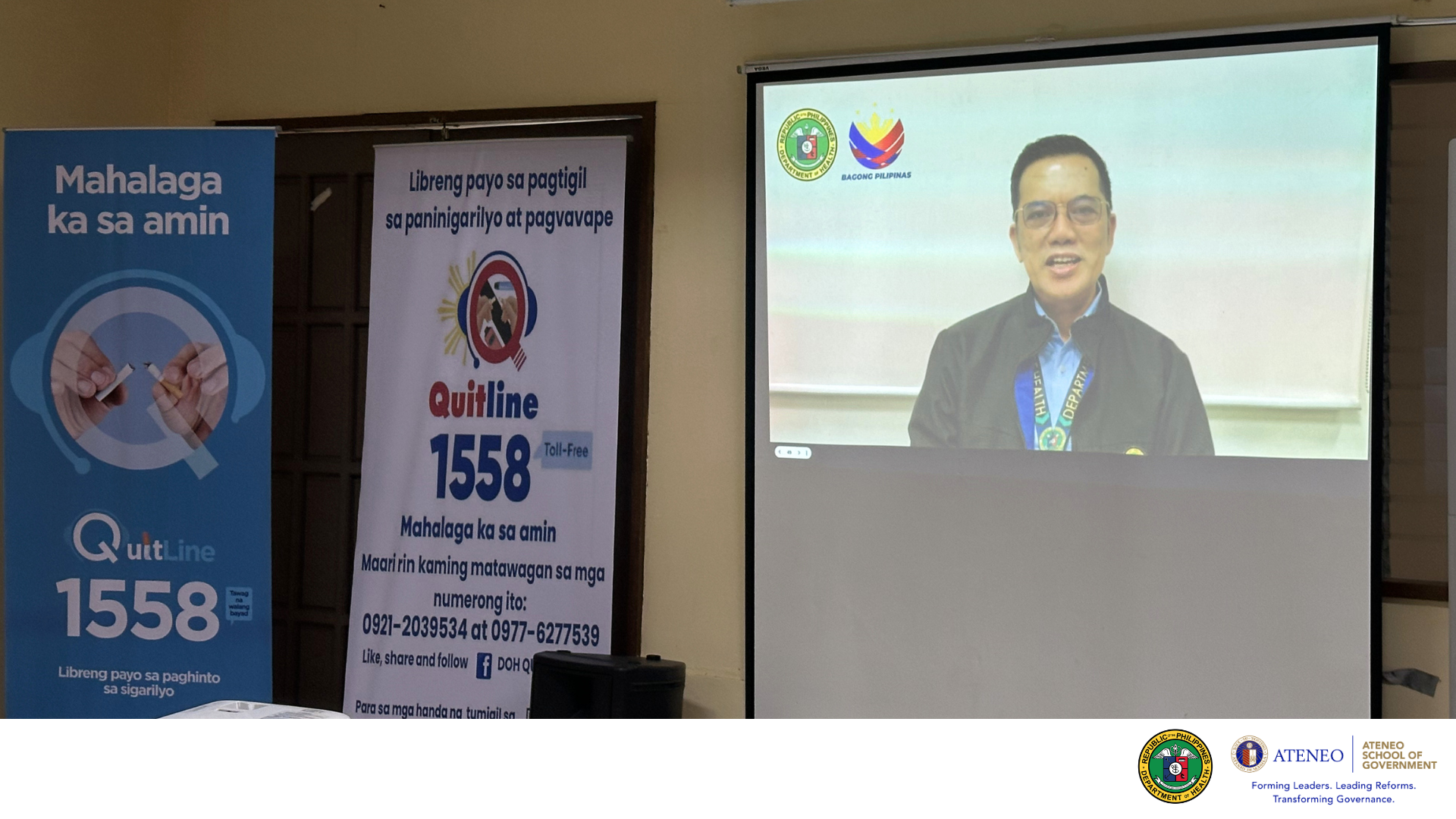
To formally close the consultation, Dr Ronaldo R Quintana, OIC-Division Chief of the Non-Communicable Diseases Prevention and Control Division—DPCB, expressed his appreciation to the distinguished experts, government partners and colleagues for contributing their clinical expertise to this milestone. He expressed looking forward to sustaining this multi-agency engagement in the upcoming writing and review phases, guided by the shared vision of achieving a healthier, tobacco-free nation for future generations of Filipinos.
This initiative is part of the National Tobacco Cessation Infrastructure Plan 2030, a national strategy developed by DPCB through ASOG as lead, together with the medical and civil societies.
Recent News
You may also like these articles
Updating of Medical Records Second Semester SY 2026-2027
14 November 2026 TO: Undergraduate and Graduate Students FROM: Higher Education Office of Health Services-College SUBJECT: Updating of Medical Records Second Semester SY 2026-2027 Please

Promotion of Faculty in the Senior High School (Memo U2627-050)
(Memo # U2627-050) I am pleased to announce that upon the recommendation of the Senior High School Committee on Faculty Rank and Permanent Appointment and the endorsement of the Vice President for Basic Education, I am approving the promotion of the following faculty members in the Senior High School:

Demise of Mr Silvestre P Villarin(Memo U2627-049)
(Memo U2627-049) We extend our condolences to Fr Jose Ramon “Jett” T Villarin SJ and his family on the passing of his father, Mr Silvestre Villarin, on 18 November 2026 at the age of 96. Fr Villarin is the former University President, a faculty member of the Department of Physics, and the Executive Director of the Manila Observatory.

[AGS] National Book Week
Open a Book, Stories Unfold, Wonders Flow Let us come together as one AGS community to celebrate the 92nd National Book Week with the theme
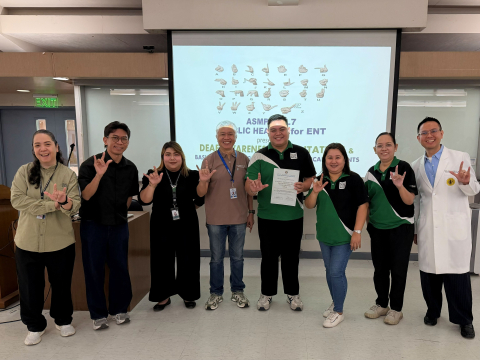
Beyond words: ASMPH equips future physicians to bridge healthcare gaps through deaf awareness and sign language
Great medicine begins with understanding, yet for many deaf and hard-of-hearing patients, a visit to the clinic can feel isolating when communication barriers get in

Three Ateneo-incubated startups secure DOST-PCIEERD’s startup grant fund
Last 9 November, during the opening day of Philippine Startup Week 2026, Soolok Properties Inc, Pili AdheSeal Inc, and Saltric Power (PDG Engineering Services), three