Ateneo Art Gallery’s Moving Image Program: A public program series on film and video works
17 Apr 2026

The Ateneo Art Gallery’s (AAG) Moving Image Program is a public series centered on film screenings, talkbacks, and lectures. With its first three events, the program has already featured topics such as the historical archives of the Filipino diaspora, urban struggles, and the healing found in shared grief.
The first program of the series is Pangarap ng Arkibo: The Filmed Worlding of Nicholas Viernes (1902-1991), and ArtSpeak session held last 15 January at the Ben Chan ArtSuite, 2F Ateneo Art Gallery. This session, featuring film historian Nick Deocampo and Ashley Dequilla of the Filipino American Historical Society of Chicago (FAHSC), introduced the audience to the earliest Filipino-American documentarian in film history.
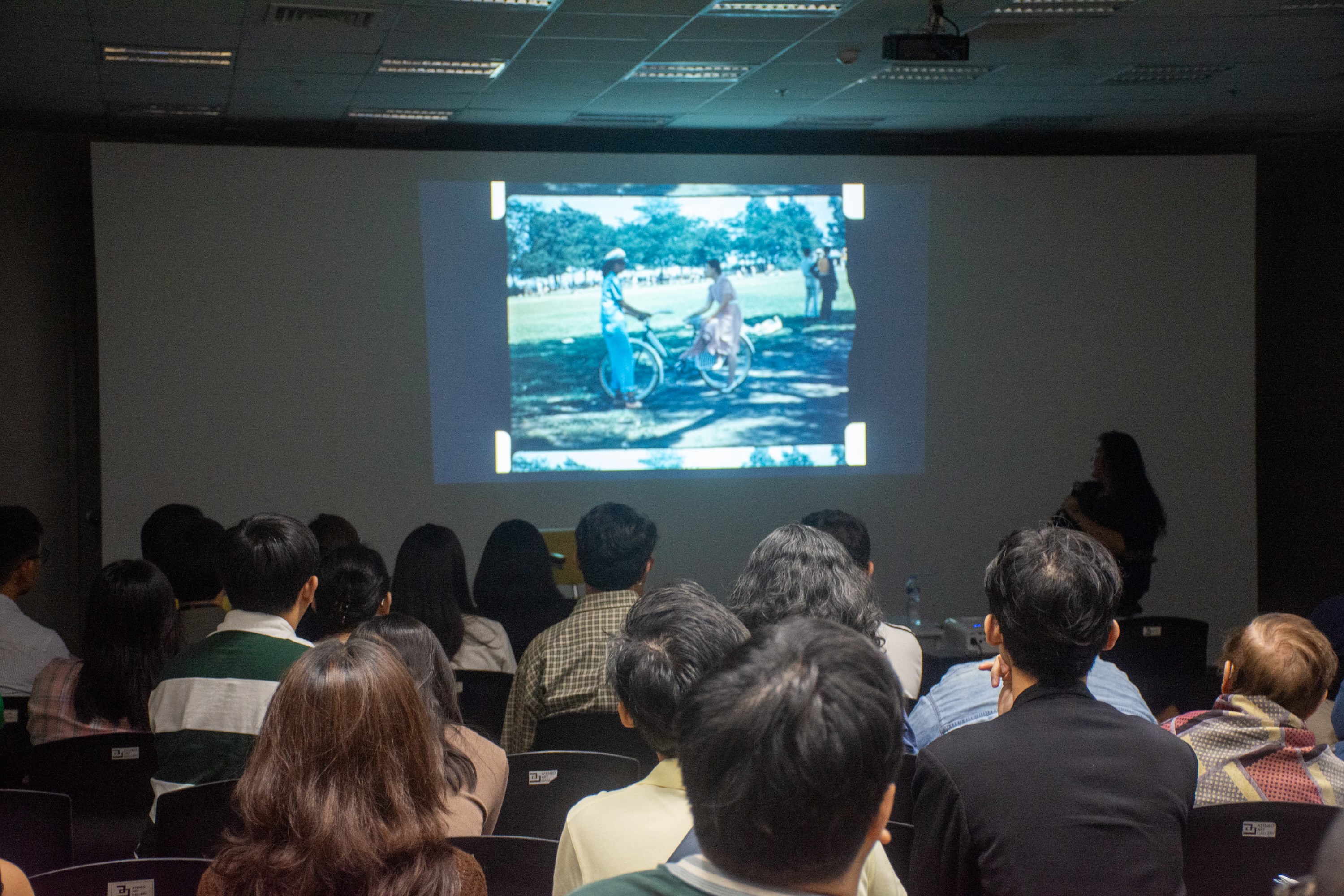
Nicholas Viernes, who migrated to the US in 1926, captured over 300 home movies on 16mm film. These movies, now preserved by the FAHSC, are vital visual records of early 20th-century diasporic life.
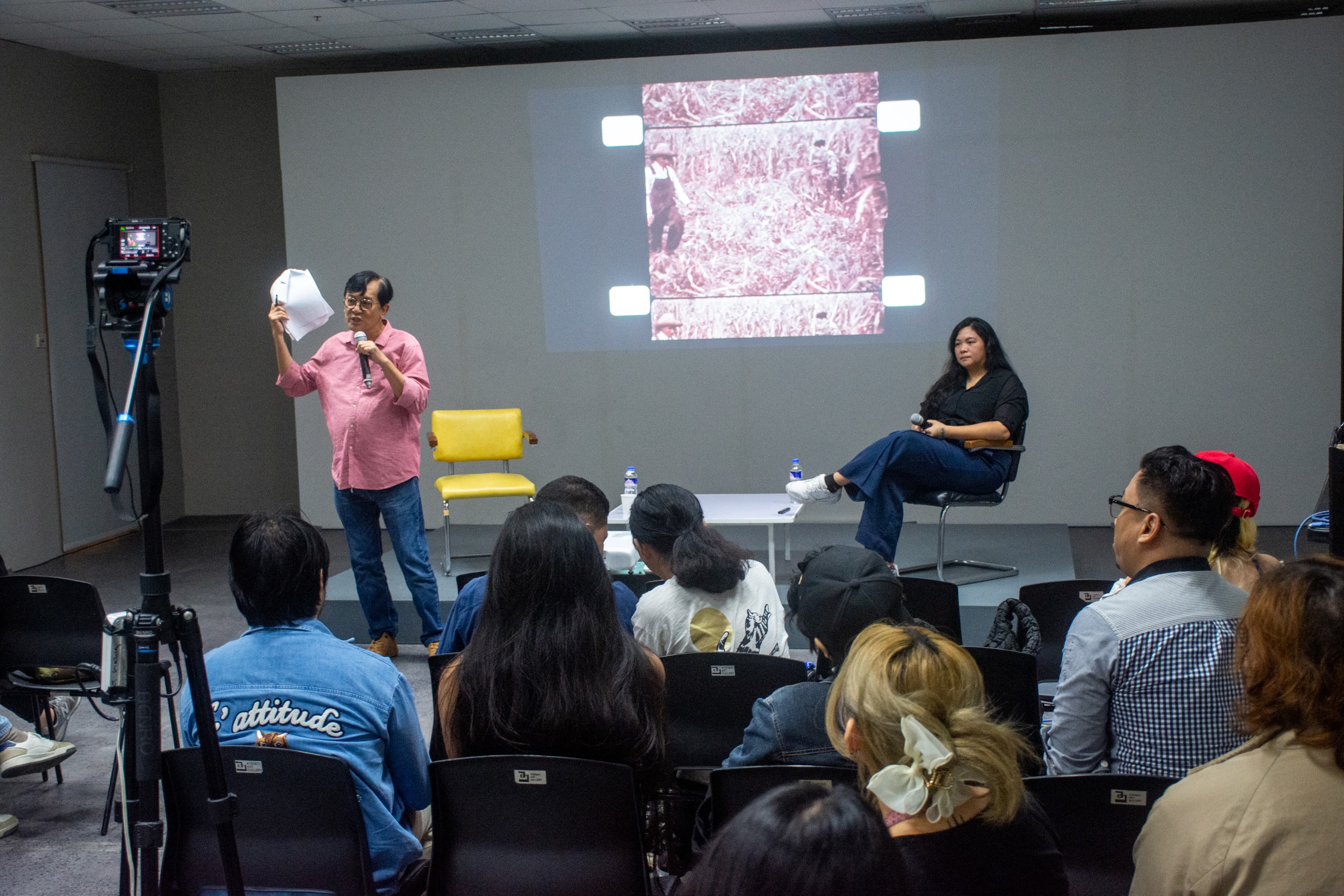
The post-screening discussion with Deocampo delved into the history of the documentary, an analysis of Viernes’ cinematography as viewed in the screened home videos, and where this places documentary practice and heritage. It was also discussed how film became a new medium for the narrative of the Filipino-American and for memory-keeping.
Watch the session below or at AAG’s YouTube channel.
The second program was a two-day screening and talkback session of Walang Masulingan with Kiri Dalena and Ben Brix held at the Ignacio B Gimenez Amphitheatre last 19 and 20 February. Walang Masulingan is a two-channel video installation that juxtaposes aerial and ground-level shots depicting daily life within Metro Manila.
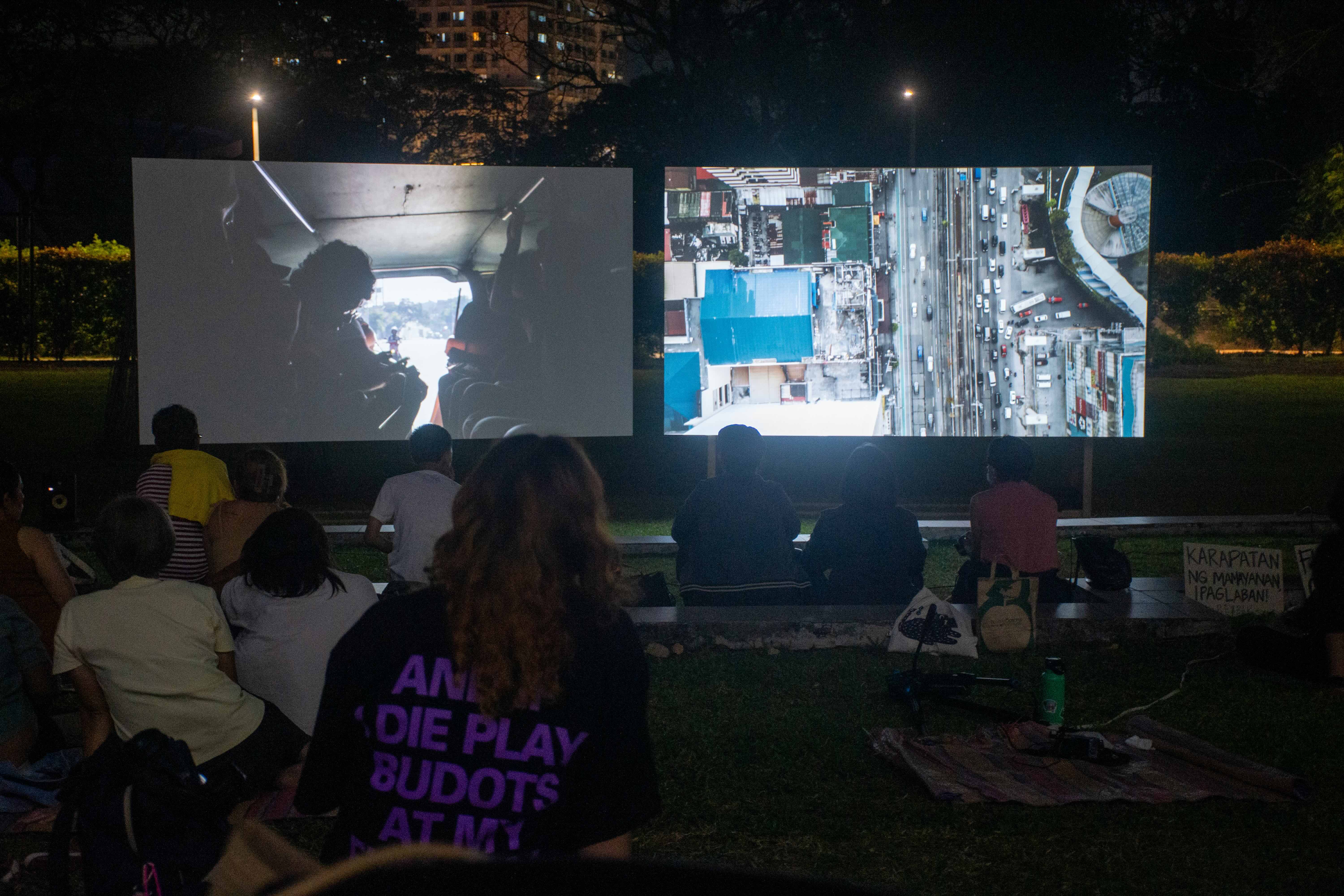
The documentary, filmed in Metro Manila and Davao City, uses aerial and ground-level shots to depict the contrast of daily lives of the marginalized and the comfortable. Here, Dalena and Brix portray urban spaces not only as sites of suffering and uncertainty but also as places where hope and beauty endure.
The event was made even more meaningful by talkback sessions where families of EJK (extrajudicial killings) victims shared their stories. Silingan also had a coffee pop-up with their Human Rights Coffee Van, “Courageous,” where guests could support the initiative and enjoy their handcrafted beverages during the program.
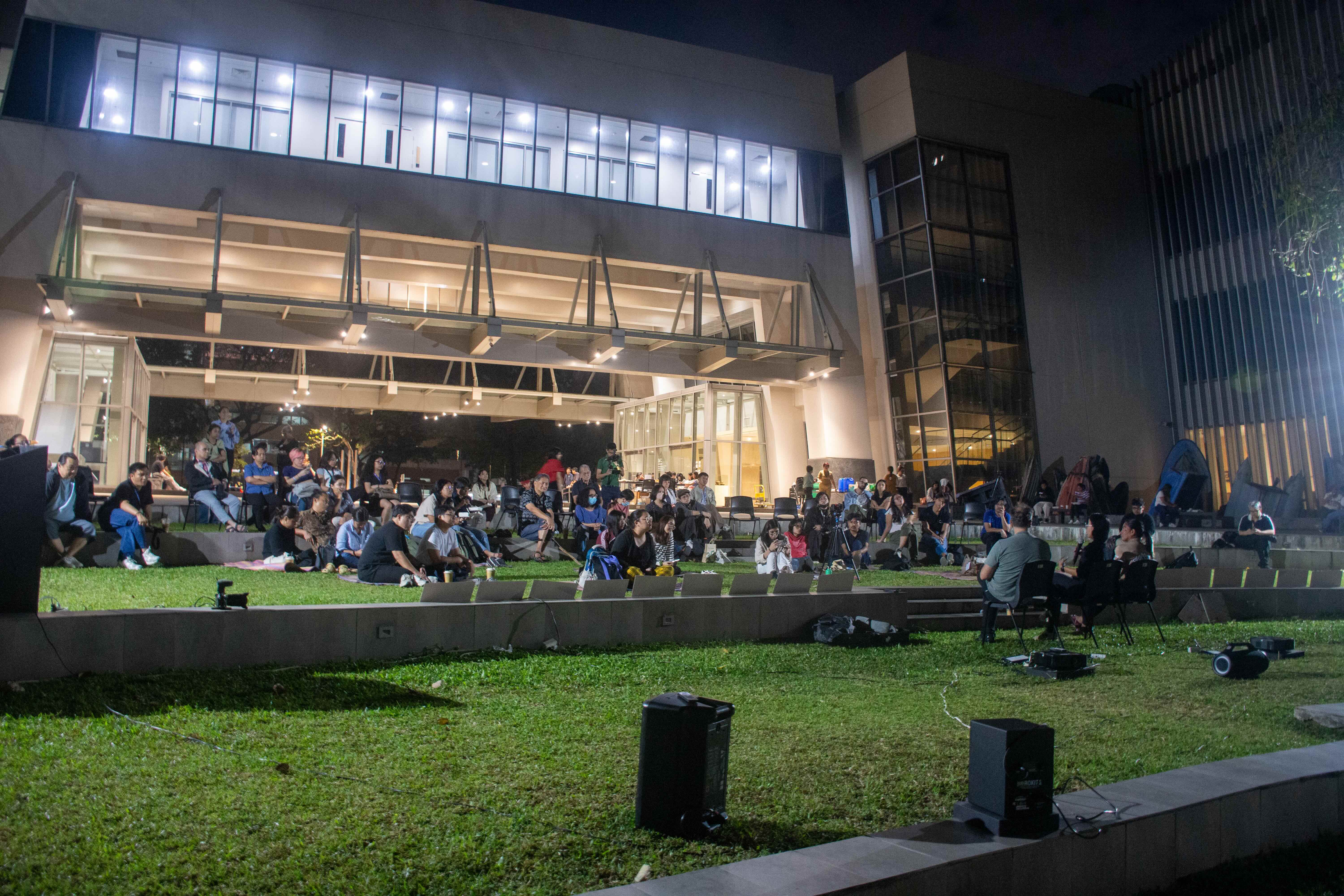
This event was presented with support from Areté, RESBAK, Goethe-Institut Manila, Lumbung Films, Institut für Auslandsbeziehungen, and SILINGAN Coffee. A full recording of the talkback session from both days is uploaded on AAG’s YouTube channel (go.ateneo.net/AAGYouTube).
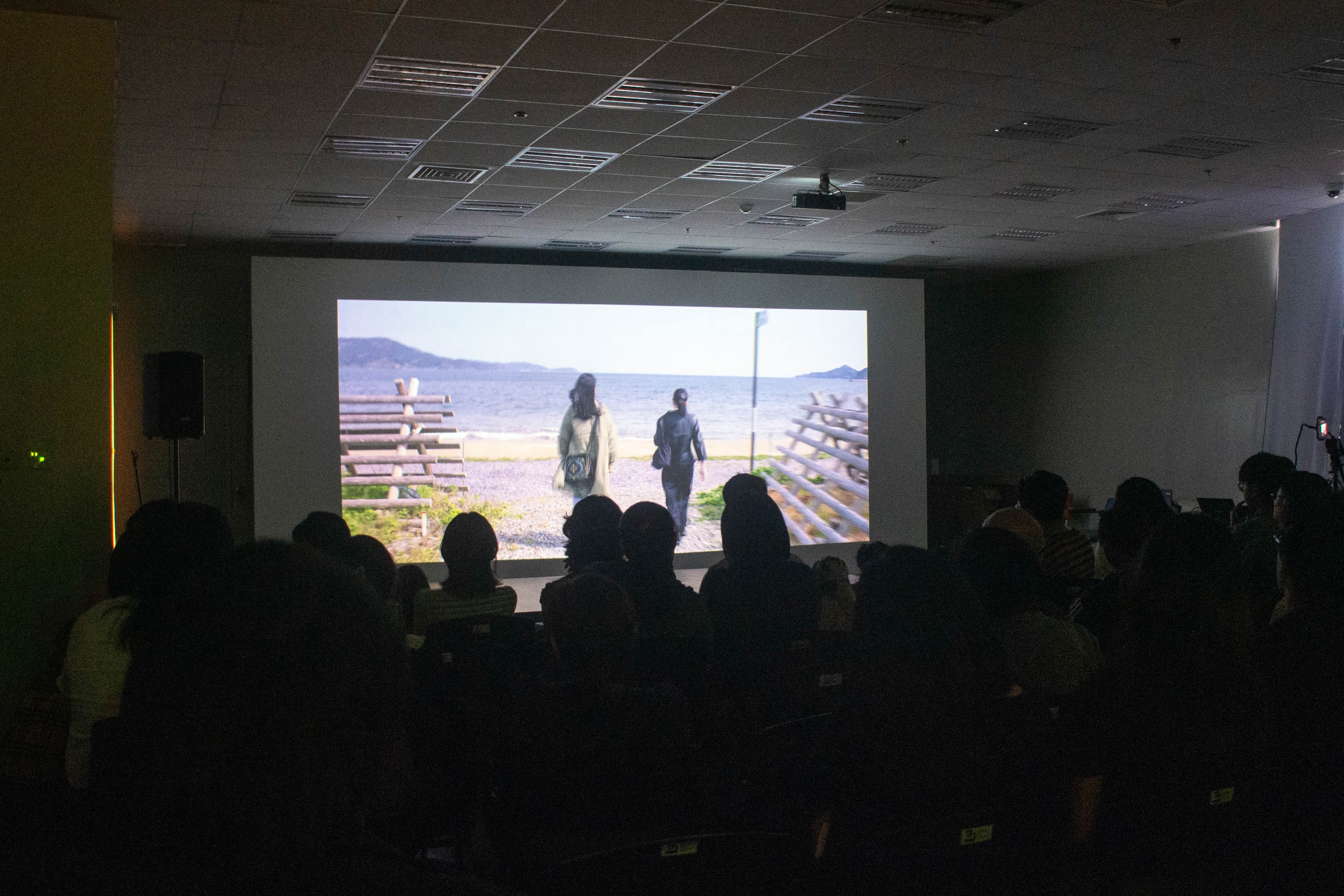
Marking the third program of the series was a screening of the multi-award-winning film Kono Basho on 12 March. Director Jaime Pacena II and actress Gabby Padilla joined the audience to discuss the film’s exploration of two estranged sisters reuniting in the wake of their father’s death. They mend their differences, find solace in shared grief, and become instrumental in the city’s ongoing recovery.
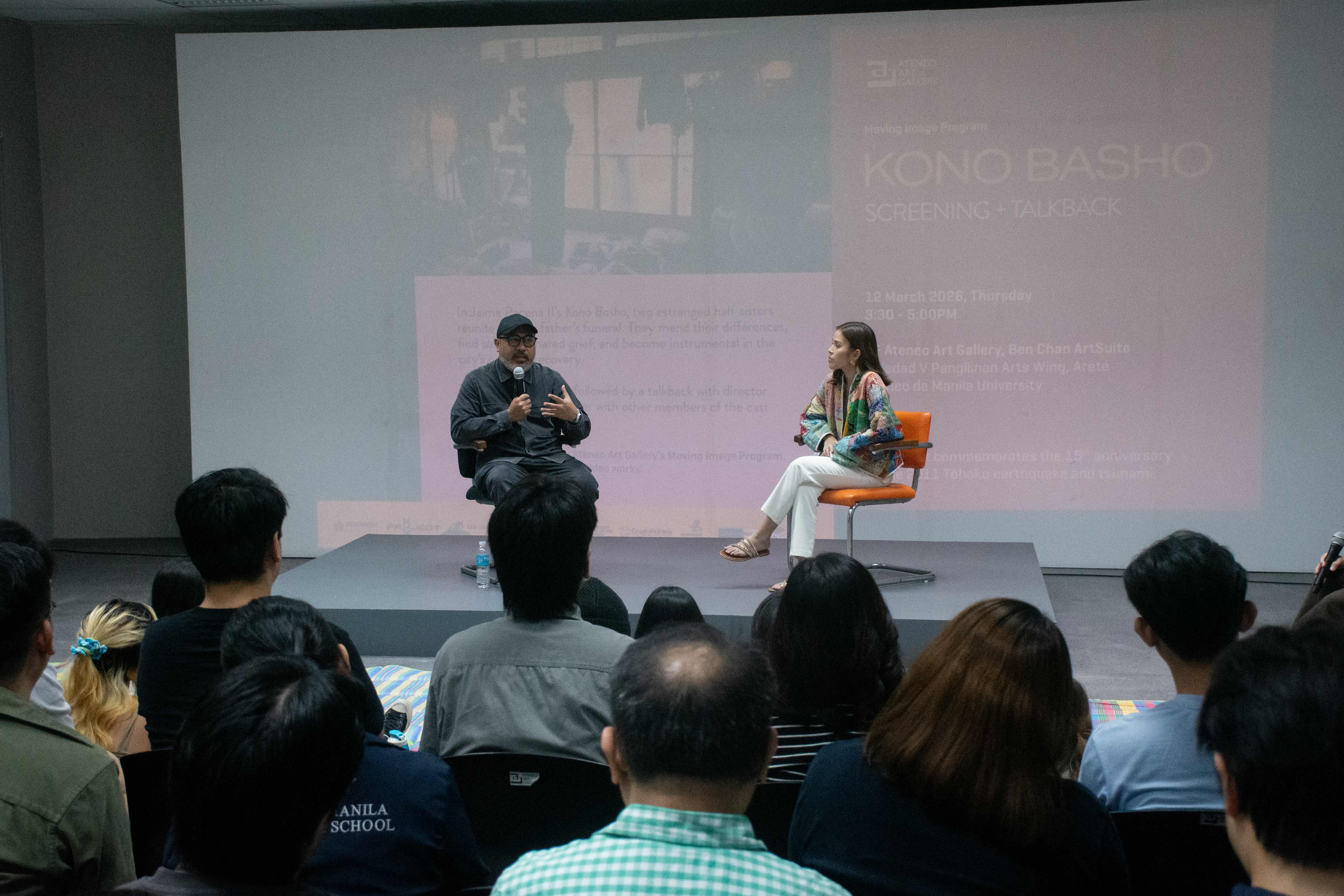
Coinciding with the 15th anniversary of the 2011 Tōhoku earthquake and tsunami, the session provided a deep dive into Pacena’s directorial debut and the decisions on acting and cinematic language. Transitioning from a visual arts background to narrative filmmaking, Pacena paces a story of recovery through dream sequences and voice-overs, reminiscent of Japanese naturalistic cinema. The discussion also shifted to how Padilla joined the production days before filming, the interactions with the Japanese cast and community of Rikuzentakata, and how she tapped into the heavy headspace of trauma. Watch the recording of the talkback session below or at AAG’s YouTube channel.
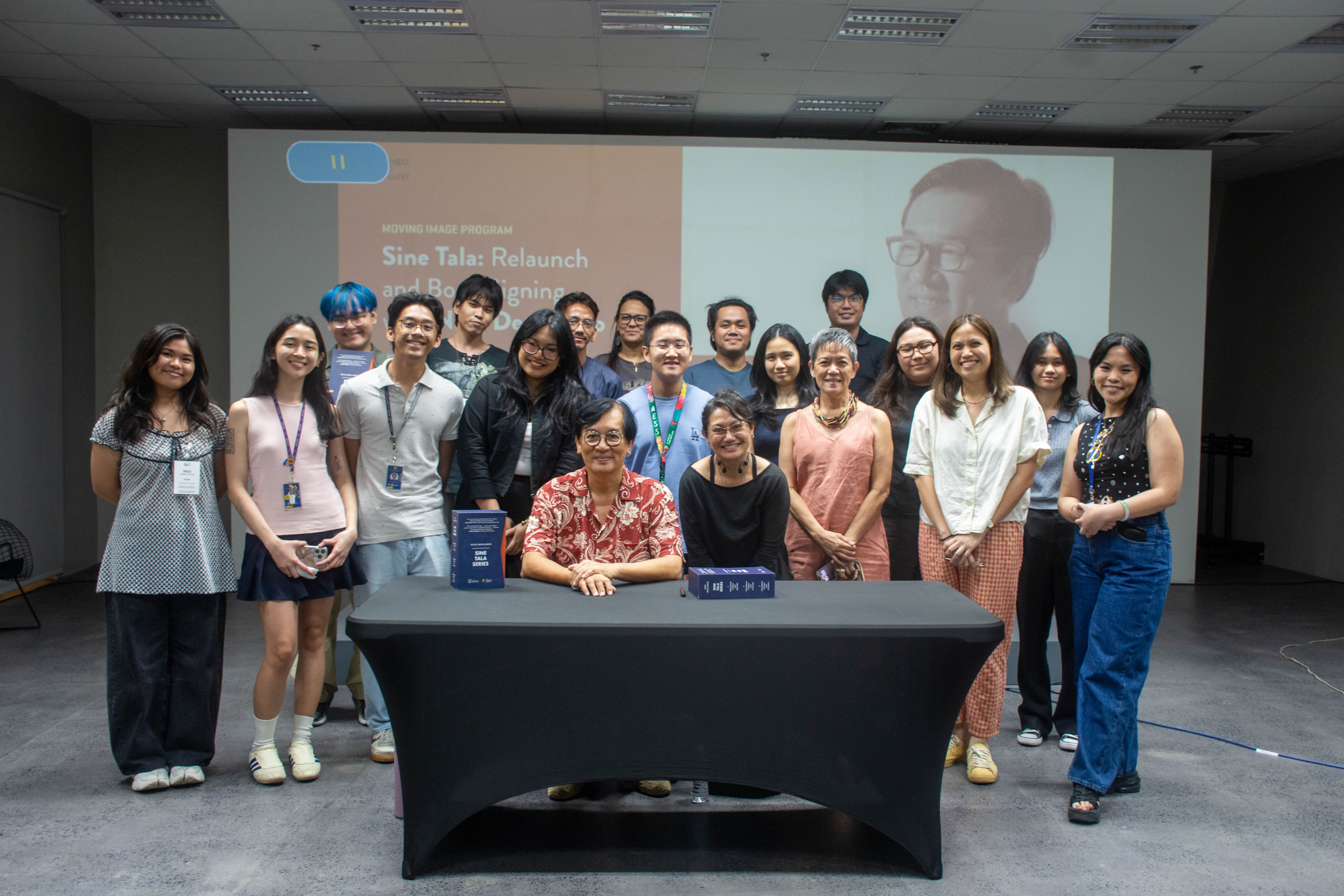
The latest program of the series was the book relaunch and signing of Sine Tala with Nick Deocampo held last April 14. During the intimate session, Deocampo shared what each volume of the series covered, namely literacy, culture, and history. He also touched on the importance of visual literacy, which ought to be covered in primary education, and keeping the active patronage and interest in film. He notes that most local pedagogies focus more on the production aspect of the practice, with theory and history as secondary. This perpetuates the notion that the majority of film, as an industry and practice, leans towards mainstream appeal and prestige chasing.
A recording of the session will be uploaded soon in AAG’s YouTube channel (go.ateneo.net/AAGYouTube).
The Moving Image Program continues with an upcoming screening of Food Delivery: Fresh from the West Philippine Sea happening on 21 April 2026, Tuesday, 6:00pm to 8:30pm at the Hyundai Hall, Areté, Ateneo de Manila University, followed by a talkback session with director Baby Ruth Villarama. This program is free and open to the public. Register and reserve a slot at https://go.ateneo.net/AAGFoodDelivery.
Food Delivery: Fresh from the West Philippine Sea focuses on the challenges faced by Filipino fishermen on the West Philippine Sea as they defend themselves against the aggression of the Chinese Coast Guard. This event is organized in line with Earth Day 2026, Ateneo Art Gallery's Moving Image Program, and as part of a global conversation sparked by the If Trees Could Talk International Art Biennale. To learn more, visit iftreescouldtalk.art.
For inquiries, email aag@ateneo.edu or call (2) 8426 6488.
For news on our future programs and workshops, follow us on Facebook and Instagram or sign up for our newsletter at go.ateneo.net/AAGNewsletter.
You may also like these articles
Updating of Medical Records Second Semester SY 2026-2027
14 November 2026 TO: Undergraduate and Graduate Students FROM: Higher Education Office of Health Services-College SUBJECT: Updating of Medical Records Second Semester SY 2026-2027 Please

Promotion of Faculty in the Senior High School (Memo U2627-050)
(Memo # U2627-050) I am pleased to announce that upon the recommendation of the Senior High School Committee on Faculty Rank and Permanent Appointment and the endorsement of the Vice President for Basic Education, I am approving the promotion of the following faculty members in the Senior High School:

Demise of Mr Silvestre P Villarin(Memo U2627-049)
(Memo U2627-049) We extend our condolences to Fr Jose Ramon “Jett” T Villarin SJ and his family on the passing of his father, Mr Silvestre Villarin, on 18 November 2026 at the age of 96. Fr Villarin is the former University President, a faculty member of the Department of Physics, and the Executive Director of the Manila Observatory.

[AGS] National Book Week
Open a Book, Stories Unfold, Wonders Flow Let us come together as one AGS community to celebrate the 92nd National Book Week with the theme

Three Ateneo-incubated startups secure DOST-PCIEERD’s startup grant fund
Last 9 November, during the opening day of Philippine Startup Week 2026, Soolok Properties Inc, Pili AdheSeal Inc, and Saltric Power (PDG Engineering Services), three
Ateneo Policy Center presents study on local health spending at DBM Fiscal Policy Conference 2026
On 19 October 2026, the Ateneo School of Government, through its research and policy unit, the Ateneo Policy Center (APC), presented findings from a study