ASOG culminates Tobacco Prevention and Control Policy Development Fellowship - Batch Two
28 Apr 2026


On 20 April 2026, the Ateneo School of Government (ASOG), through its research and public policy think tank, the Ateneo Policy Center, convened the Culminating Conference for Batch Two of the Tobacco Prevention and Control Policy Development Fellowship (TPC PDF) at the San Alberto Hurtado Hall, Ateneo de Manila University. During the conference, TPC PDF Fellows Mr Adrian Matthew Glova and Mr Patrick James Encarnacion, presented the findings of their respective tobacco control policy research projects, identifying critical gaps and advancing recommendations to strengthen existing policies in the Philippines. Representatives from the Department of Health – Health Promotion Bureau (DOH-HPB) and Disease Prevention and Control Bureau (DOH-DPCB), Vital Strategies, members of the TPC PDF Advisory Board, the civil society and stakeholders from the tobacco control community were present to engage in discussion and provide feedback on the Fellows’ work.
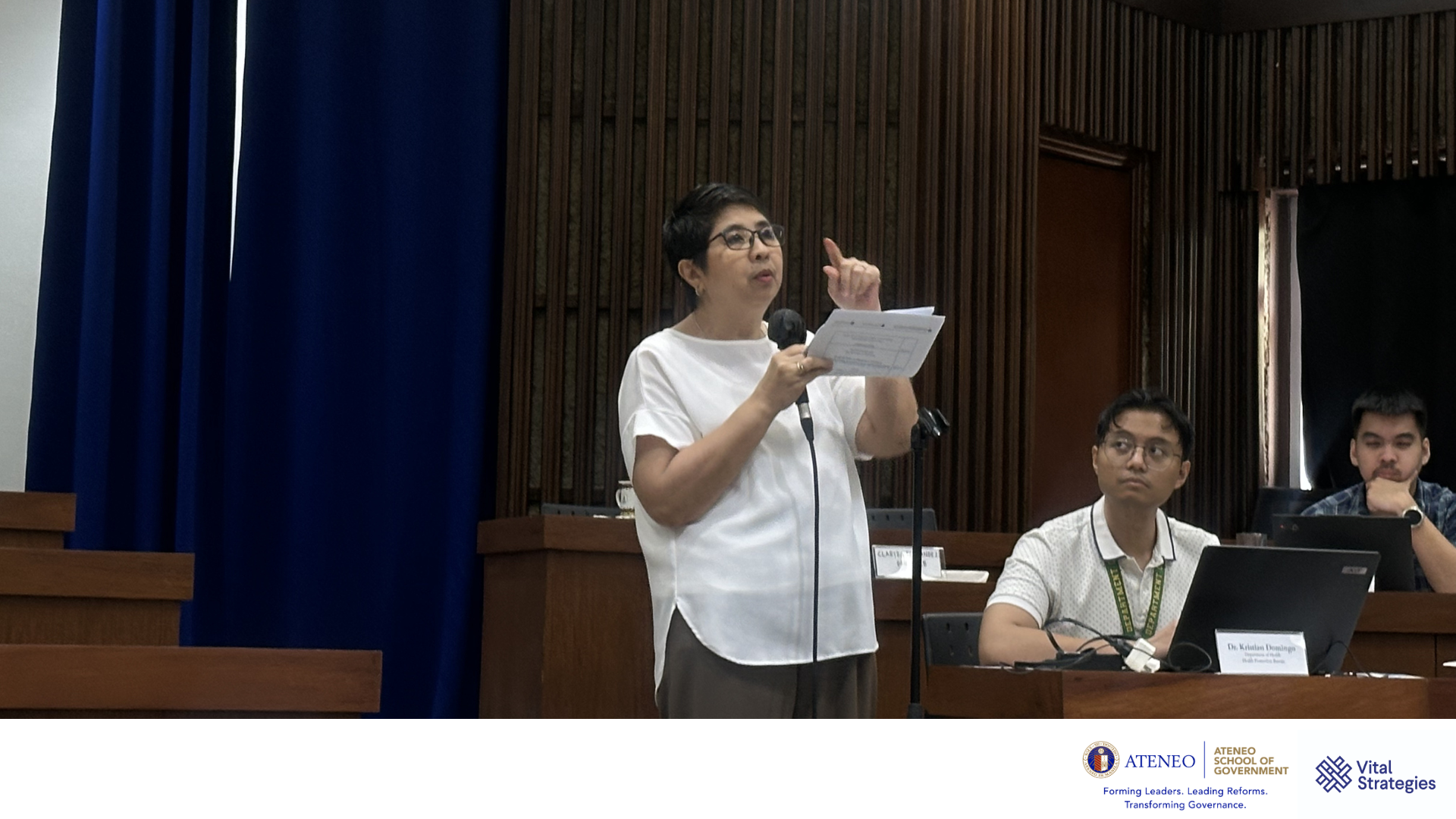
The conference opened with a message from ASOG Dean Dr Jennifer S Oreta, who underscored the significance of the fellowship as a collaborative initiative between the School and the DOH in advancing evidence-based tobacco control policies. She called for sustained and strengthened efforts toward developing policies that protect the public from the health harms of tobacco and emerging alternative products. Emphasizing the Ignatian principle of magis, she encouraged participants to reflect, discern, and continuously strive for excellence in service of the greater public good.
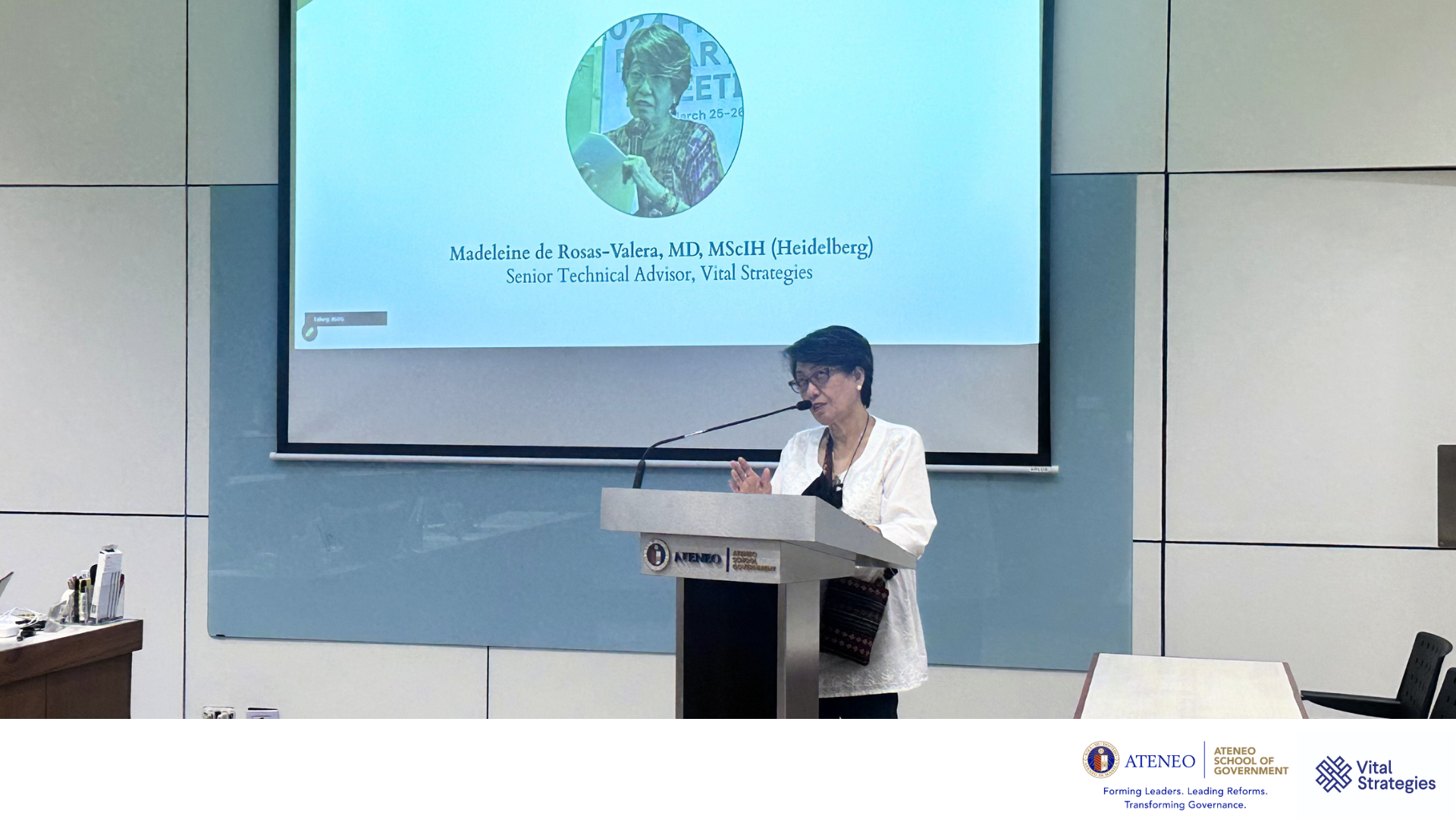
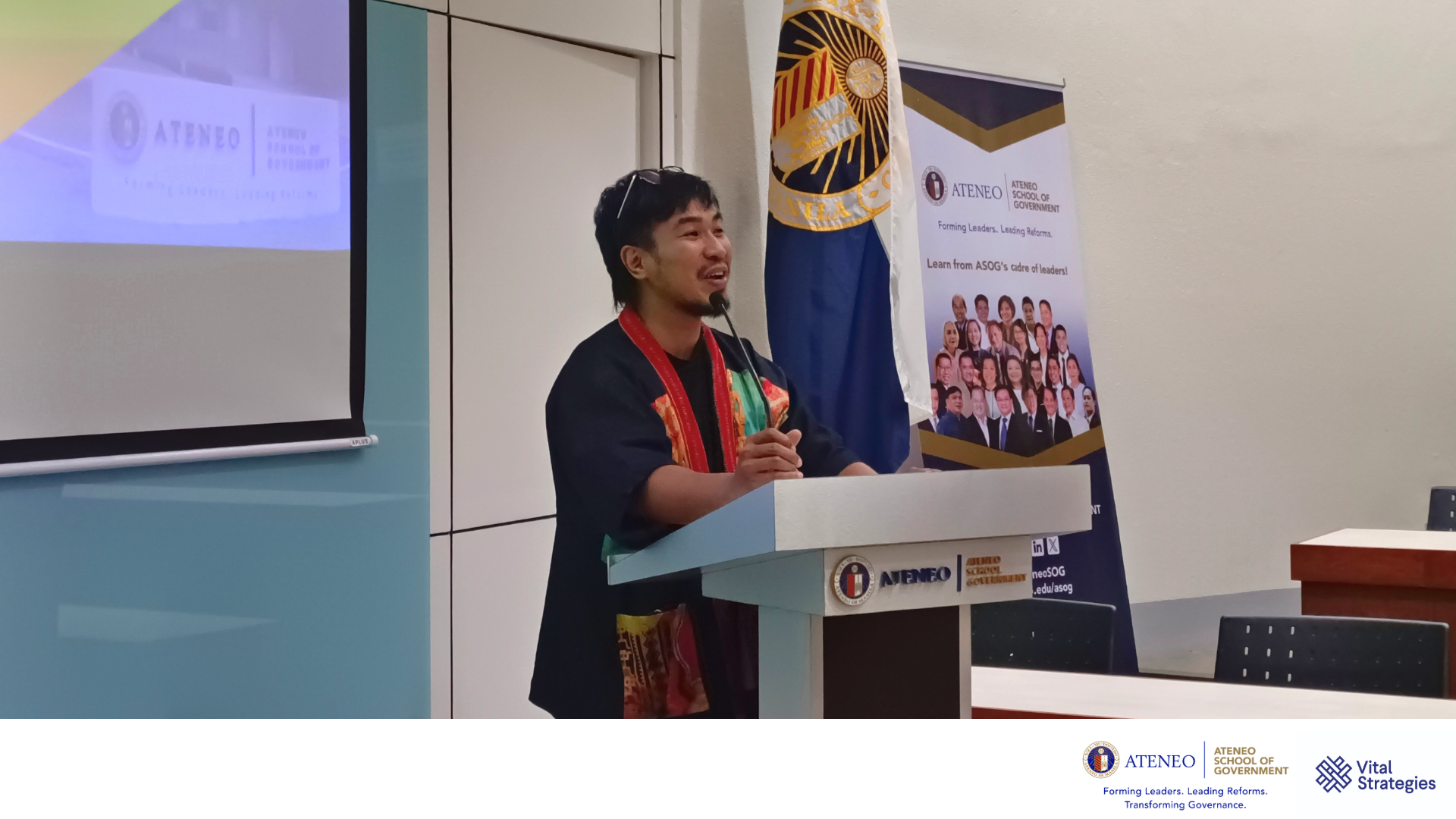
Dr Madeleine de Rosas-Valera, Senior Technical Advisor of Vital Strategies, delivered her opening remarks by highlighting the critical role of research in shaping effective public policy. She commended the relevance of the Fellows’ research topics, noting their alignment with key policy priorities in tobacco control, particularly in smoking cessation. She emphasized the role of excise taxes as a powerful public health intervention and pointed to findings on health-related quality of life among smokers and former smokers as evidence of the tangible benefits of quitting. She likewise called for stronger efforts in translating research into actionable policy.
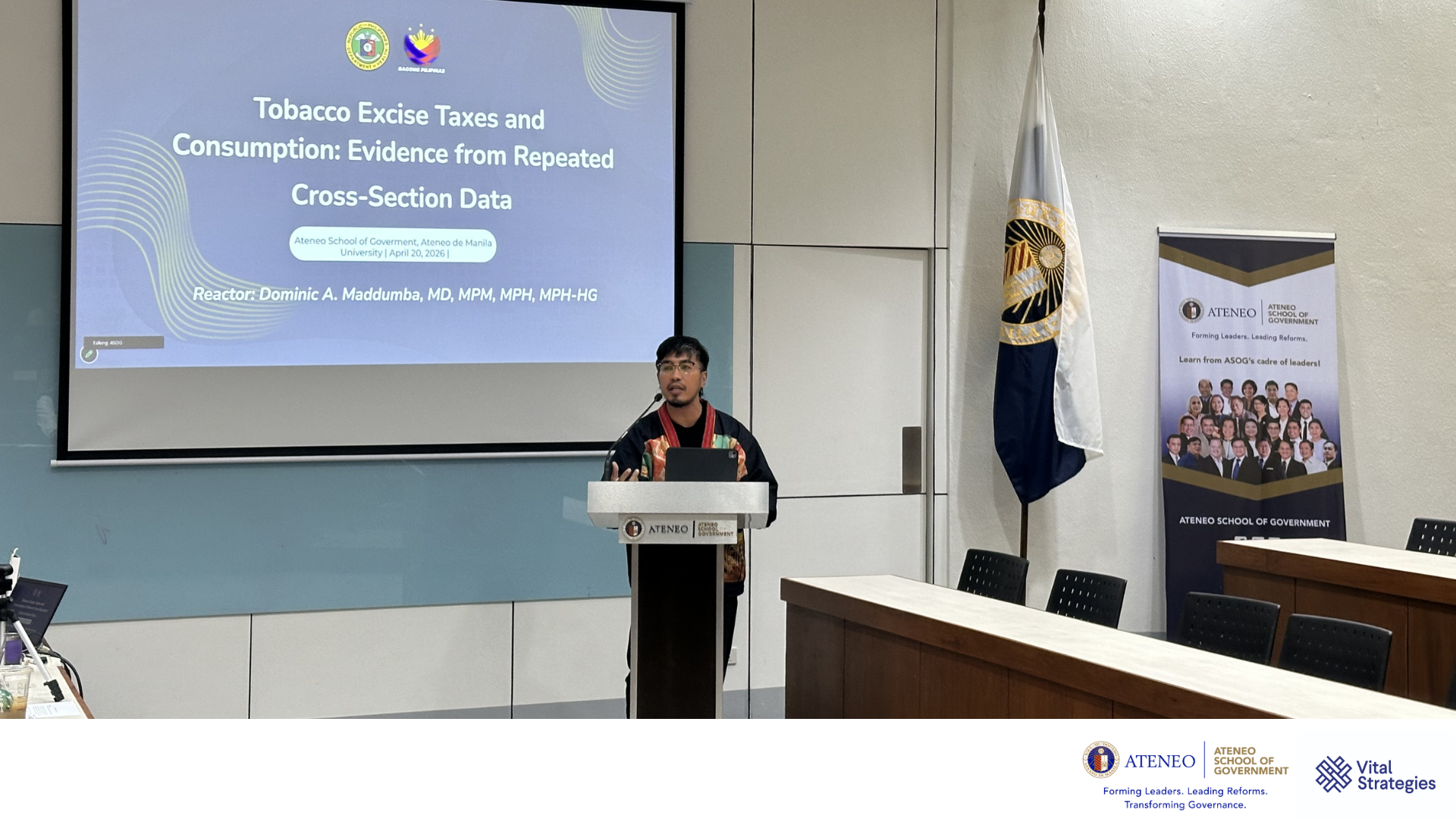
The first session featured Mr Glova, who presented his working paper, “Tobacco Excise Taxes and Tobacco Consumption: Evidence from Repeated Cross-Section Data.” His study examined the relationship between tobacco excise taxes and tobacco consumption using national survey data, including the Family Income and Expenditure Survey (FIES) and the Global Adult Tobacco Survey (GATS). The findings suggest a significant association between increased excise taxes and reductions in tobacco consumption and smoking participation. At the same time, Mr Glova underscored the continued importance of non-tax measures to address shifts in demand, such as product substitution.

Serving as Reactor, Dr Dominic “Meng” Maddumba, OIC-Director III of the DOH-HPB, affirmed the study’s relevance to current tobacco control priorities, particularly in understanding behavioral responses to tax reforms. He also noted limitations in the study’s scope, including its focus on consumption without fully capturing broader considerations such as universal healthcare financing, health-seeking behavior, and equity. He concluded by emphasizing that while taxation remains an effective strategy, it must be complemented by other interventions, including cessation programs, to achieve comprehensive public health outcomes.
The ensuing Q&A session generated robust discussion, with participants offering thoughtful questions and recommendations. These included calls for clearer operational definitions, more precise framing of conclusions, and refinements in methodology to improve replicability. Participants also highlighted the importance of framing taxation not only as a deterrent but also in terms of its benefits to consumers, particularly in light of observed shifts in tobacco use behavior.
In the subsequent session, Mr Encarnacion presented his working paper, “Health-Related Quality of Life Assessment of Tobacco Smokers and Ex-Smokers in the Philippines Using EQ-5D-5L.” His research assessed the health-related quality of life (HRQoL) of smokers and former smokers in Baguio City, providing evidence of the “sick quitter” effect in the Philippine context. He concluded that lower utility scores among former smokers may reflect delayed cessation following the onset of tobacco-related illness, and recommended a shift in tobacco control strategies from reactive management toward proactive primary care interventions to prevent long-term productivity losses.

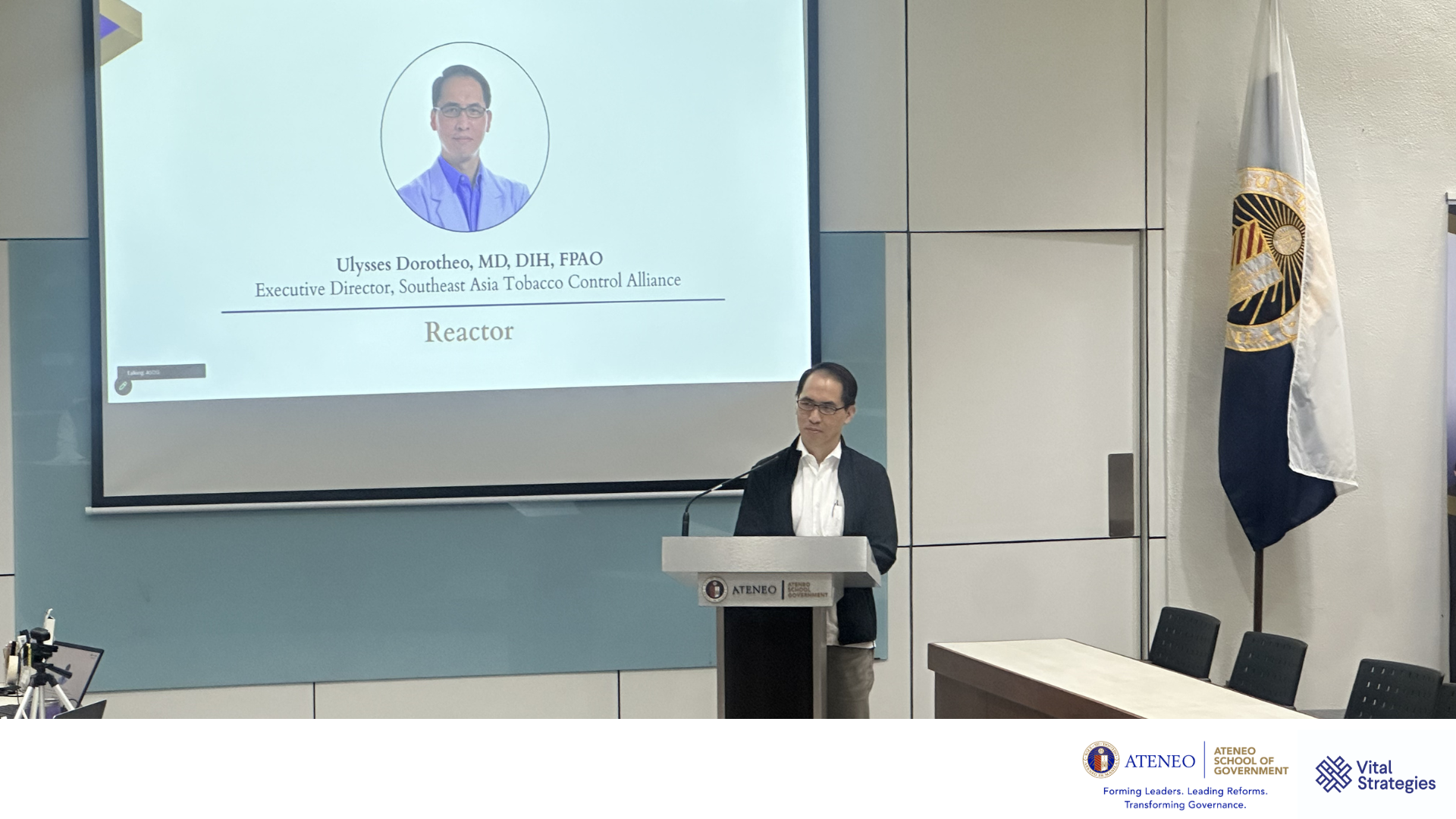
Dr Ulysses Dorotheo, Executive Director of the Southeast Asian Tobacco Control Alliance (SEATCA), commended the study as both timely and policy-relevant, particularly in reframing cessation around quality of life rather than solely as a curative measure. While expressing optimism for the study’s potential, he also noted areas for improvement, including the need for greater specificity in the title and broader scope in analysis. He recommended incorporating qualitative insights, such as participant narratives, alongside analyses of productivity loss and financial costs, and positioning the study as an empirical foundation for advancing tobacco control policies.
Feedback during the Q&A session echoed similar points, with participants recommending further testing of results to account for potential confounding factors and improve the robustness of findings. Concerns were also raised regarding sample size and the need for expanded research to capture a wider range of profiles. Despite these considerations, there was broad agreement on the importance of the issues raised, with several participants expressing interest in pursuing follow-up studies to examine changes in quality of life over time.
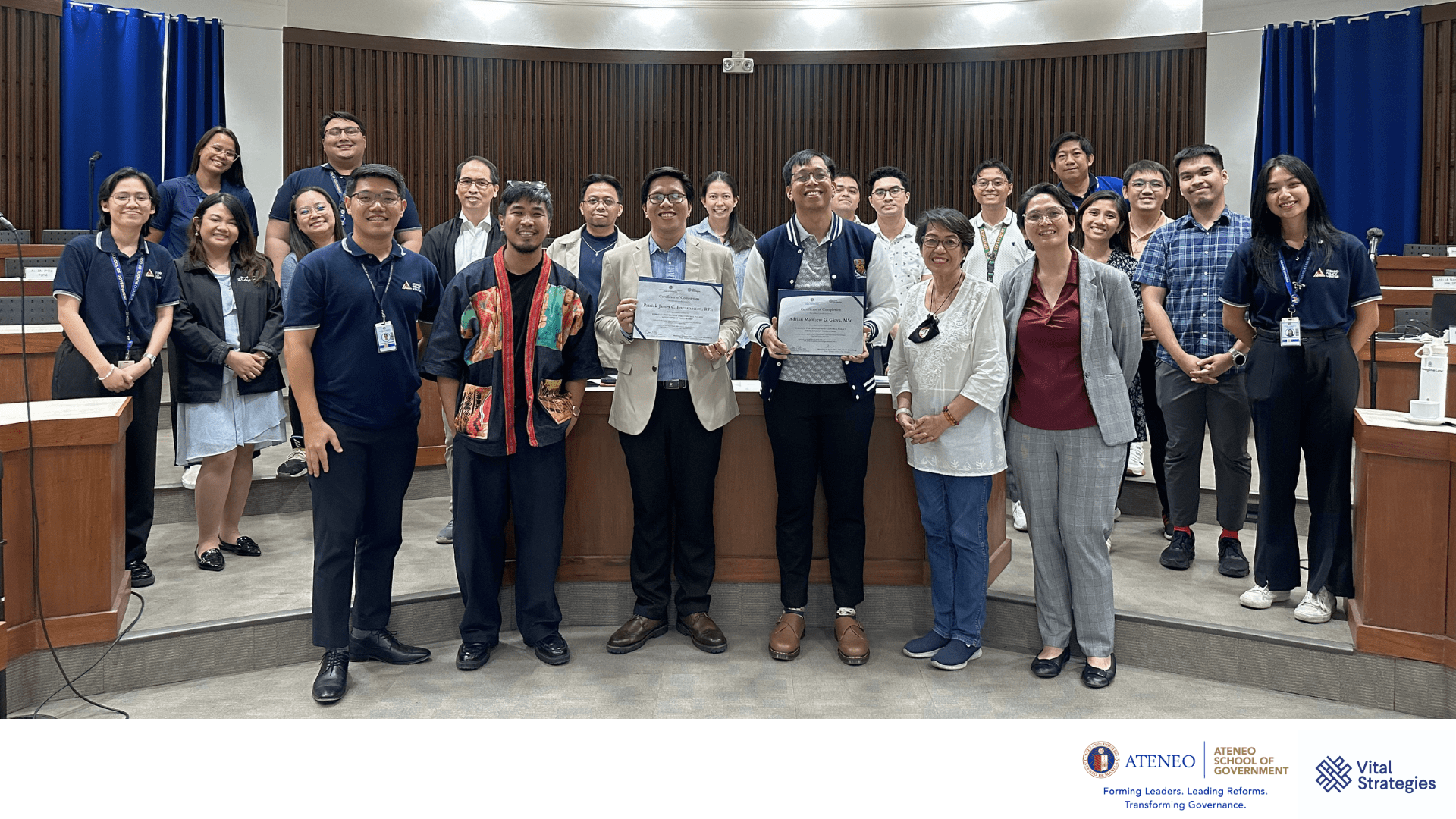
Following the presentations, each Fellow was awarded a Certificate of Completion in recognition of the successful implementation of their policy research projects. Certificates were conferred by Atty Sophia San Luis, Executive Director of ImagineLaw; Dr de Rosas-Valera of Vital Strategies; Dr Maddumba of DOH-HPB; and Mr Alen Josef Santiago of ASOG. Certificates of Appreciation were likewise awarded to Atty San Luis and Dr Paul Lawrence Filomeno of the Pamantasan ng Lungsod ng Maynila for their roles as advisers, as well as to Dr Maddumba and Dr Dorotheo for serving as Reactors during the conference.
In his closing remarks, Dr Maddumba, speaking on behalf of the DOH, congratulated the Fellows and reaffirmed the value of the fellowship’s outputs as a foundation for strengthened collaboration among policymakers and stakeholders. He emphasized the critical role of evidence-based policymaking in advancing tobacco control and encouraged continued partnership among government, academe, and civil society. He also reiterated the DOH’s commitment to achieving improved public health outcomes through sustained tobacco control efforts.
In the coming months, the Fellows will incorporate the feedback received as they refine their manuscripts for submission to peer-reviewed journals. ASOG and the DOH remain optimistic that these studies will contribute to a growing body of evidence and inspire further research, ultimately strengthening tobacco control policy in the Philippines.
Recent News
You may also like these articles

Updating of Medical Records Second Semester SY 2026-2027
14 November 2026 TO: Undergraduate and Graduate Students FROM: Higher Education Office of Health Services-College SUBJECT: Updating of Medical Records Second Semester SY 2026-2027 Please

Promotion of Faculty in the Senior High School (Memo U2627-050)
(Memo # U2627-050) I am pleased to announce that upon the recommendation of the Senior High School Committee on Faculty Rank and Permanent Appointment and the endorsement of the Vice President for Basic Education, I am approving the promotion of the following faculty members in the Senior High School:

Demise of Mr Silvestre P Villarin(Memo U2627-049)
(Memo U2627-049) We extend our condolences to Fr Jose Ramon “Jett” T Villarin SJ and his family on the passing of his father, Mr Silvestre Villarin, on 18 November 2026 at the age of 96. Fr Villarin is the former University President, a faculty member of the Department of Physics, and the Executive Director of the Manila Observatory.

[AGS] National Book Week
Open a Book, Stories Unfold, Wonders Flow Let us come together as one AGS community to celebrate the 92nd National Book Week with the theme
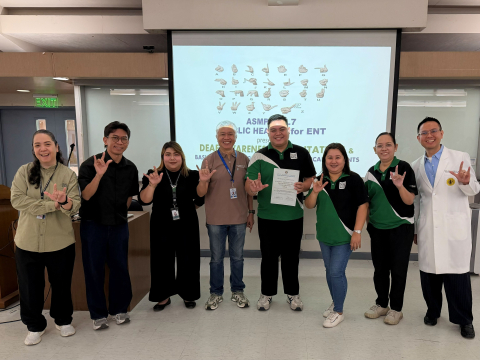
Beyond words: ASMPH equips future physicians to bridge healthcare gaps through deaf awareness and sign language
Great medicine begins with understanding, yet for many deaf and hard-of-hearing patients, a visit to the clinic can feel isolating when communication barriers get in

Three Ateneo-incubated startups secure DOST-PCIEERD’s startup grant fund
Last 9 November, during the opening day of Philippine Startup Week 2026, Soolok Properties Inc, Pili AdheSeal Inc, and Saltric Power (PDG Engineering Services), three