Learning beyond borders: the AJHS International Study Tour to Japan
11 Jun 2026 | Thade Go

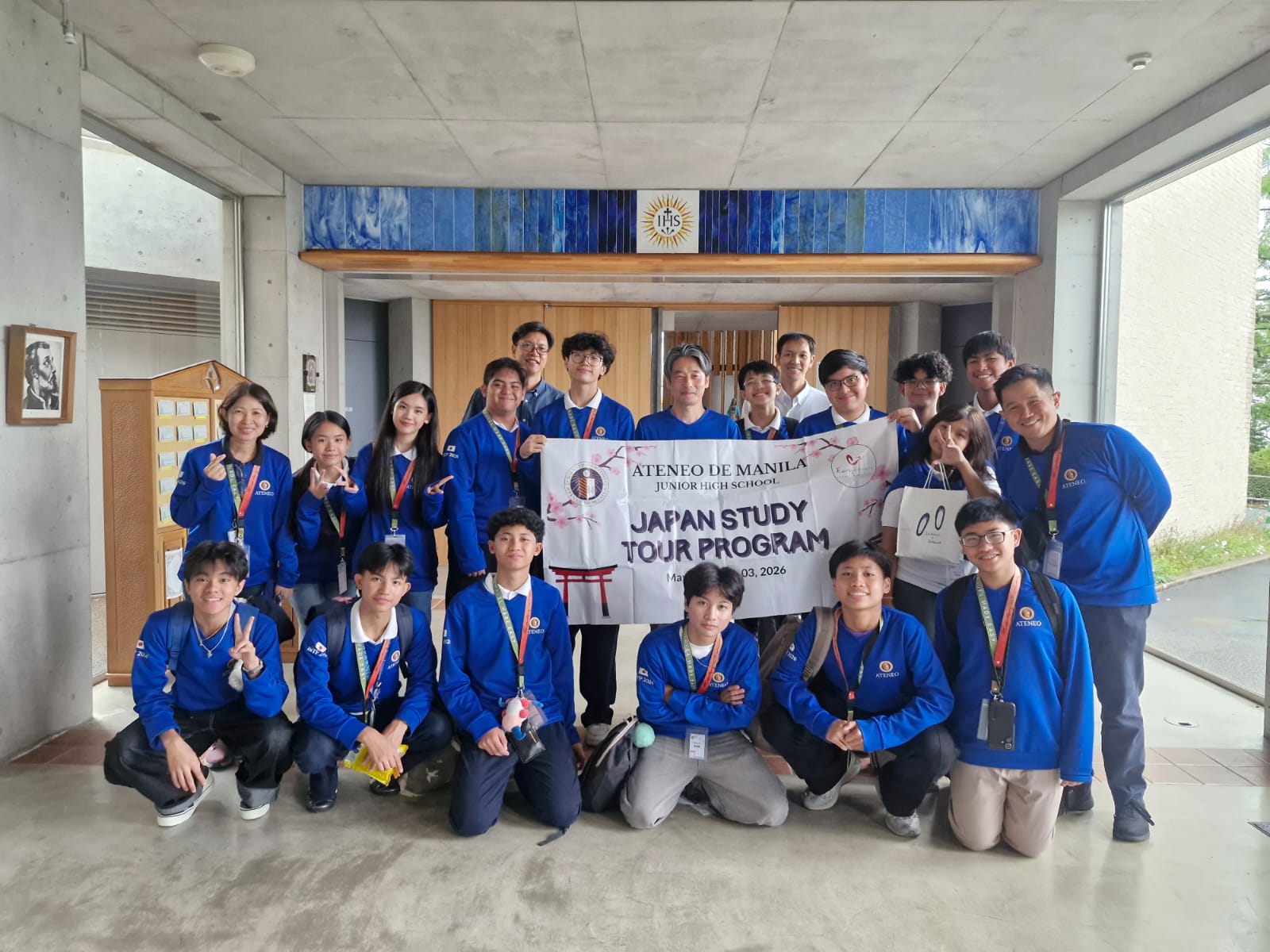
As part of the International Study Tour Program (ISTP) of the Ateneo de Manila Junior High School (AJHS), I, along with fourteen other students, two faculty members, two accompanying representatives from EasyTours Travels, and one Japanese tour guide, went on a nine-day study tour to Japan. From 26 May to 3 June 2026, we visited various tourist destinations, cultural sites, and schools in the Fukuoka and Hiroshima areas.
The trip had been anticipated for months, and when the day of our departure from the Philippines arrived, a sense of excitement filled the group. It was truly a blessing to have the opportunity to deepen our understanding of Japanese culture, experience school life with Japanese students, and strengthen camaraderie not only among ourselves but also with the people we met along the way.
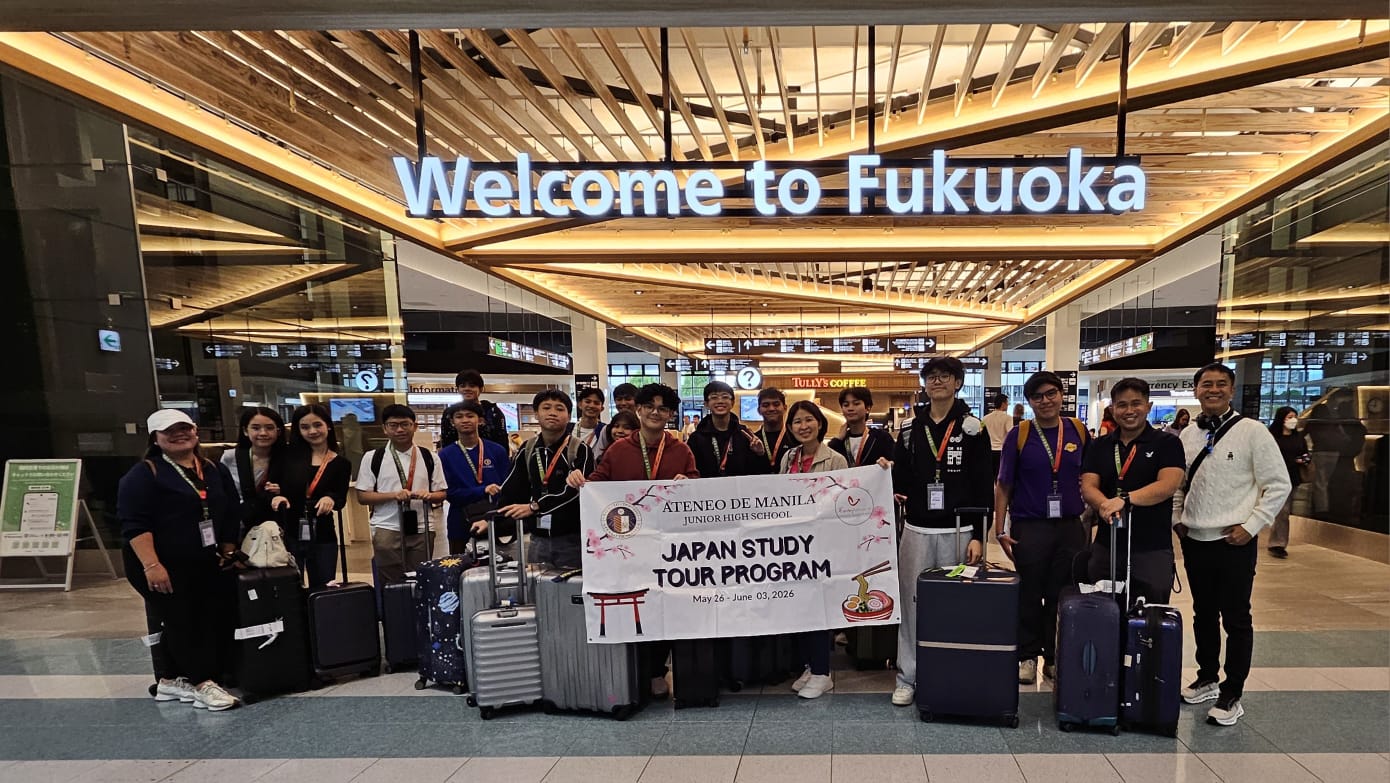
Upon arrival at Fukuoka Airport, we were welcomed by our tour guide, who accompanied us throughout our nine-day stay in Japan. He shared stories about the places we would visit and led us to our first meal in the country. We were also introduced to the area surrounding our hotel, which was located near the bustling Hakata Station. Before settling in for the night, we even had the chance to visit a Pokémon Center! We rested well in preparation for the two upcoming school days.
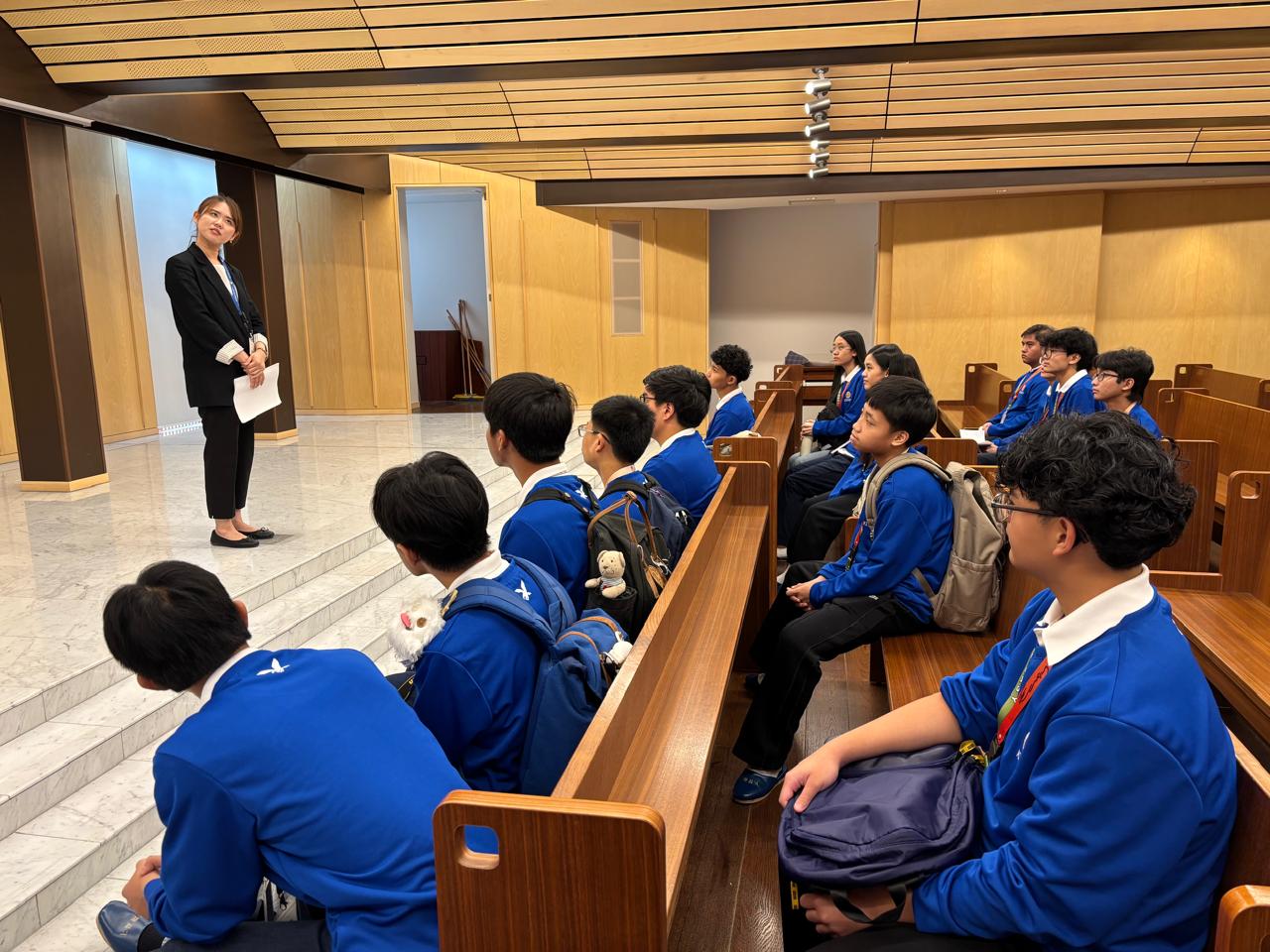
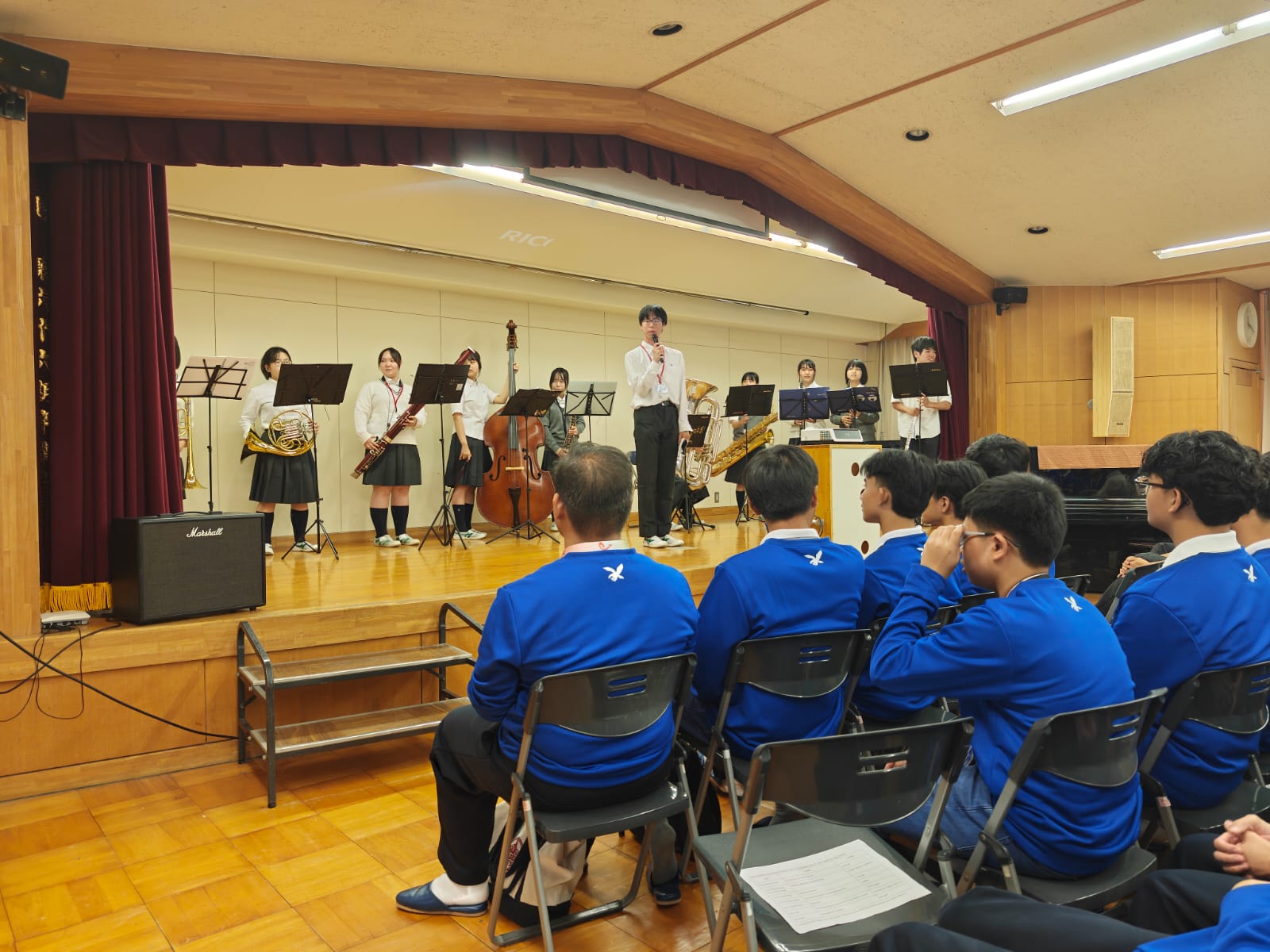
On the second and third days of the trip, we visited one of our partner schools, Sophia Fukuoka Junior and Senior High School, where we immersed ourselves in Japanese school life. On the first day, we gave a presentation to junior high school students about Ateneo and shared a few Filipino folk songs. In turn, we attended a student-led presentation by the Japanese students.
Afterwards, each Ateneo student was paired with one or two Japanese “buddies” from their equivalent of Grade 9. We sat in on a class and joined the students for lunch. Following the exchange of gifts and contact information, the school's international representative gave us a tour of the campus.
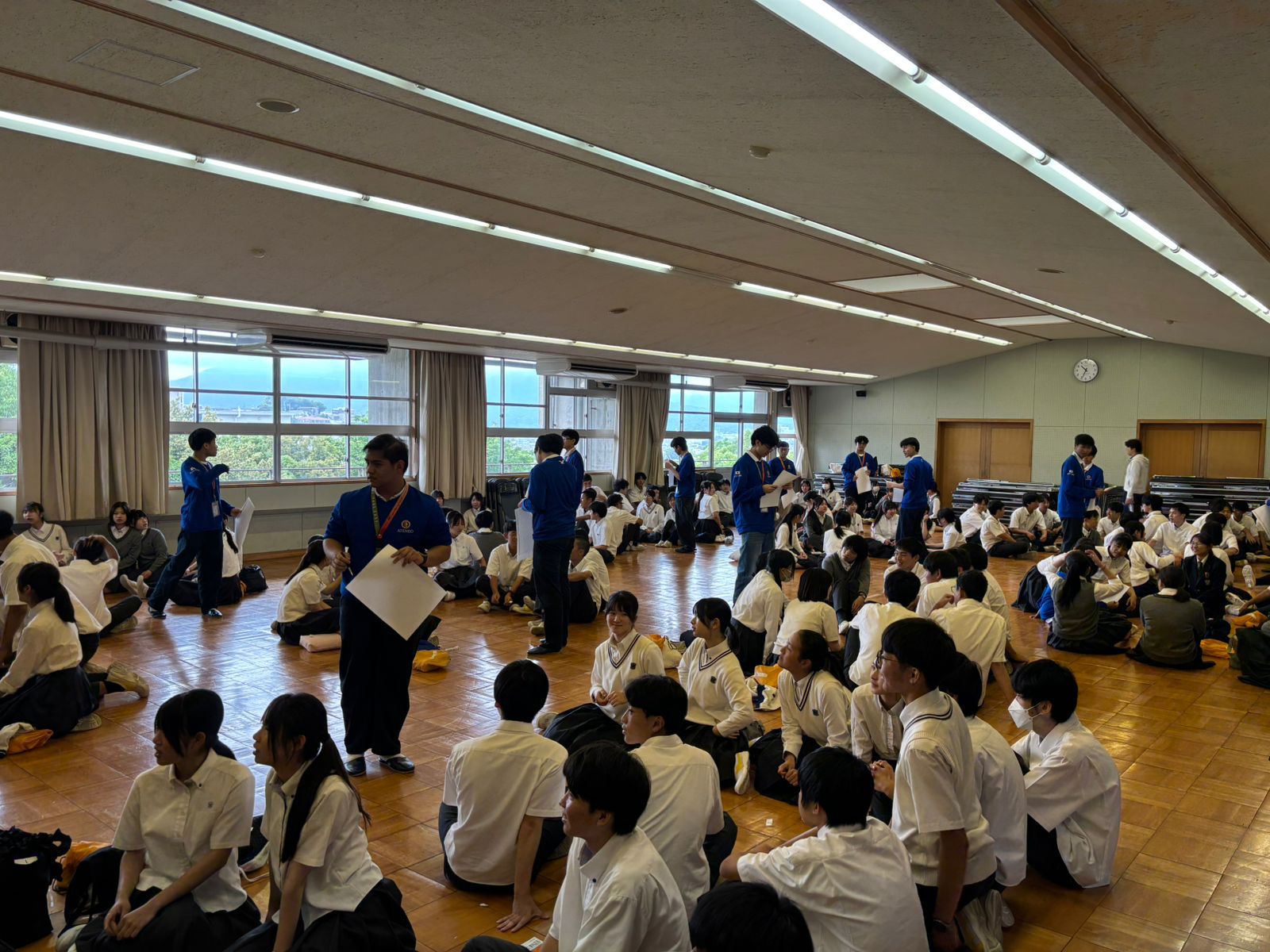
The second day in school was similar, except that we interacted with senior high school students. Once again, we gave a presentation, and they presented a fun game that allowed us to connect despite the language barrier. We attended two Grade 11-equivalent classes with our buddies and shared lunch together. As their sports festival was approaching, we were also able to watch their preparations, which left us impressed by their enthusiasm and organization! After a reflection and prayer session, we concluded our visit to Sophia Fukuoka with gratitude and fond memories. Later that day, our tour guide brought us to a mall, where we spent some time shopping.
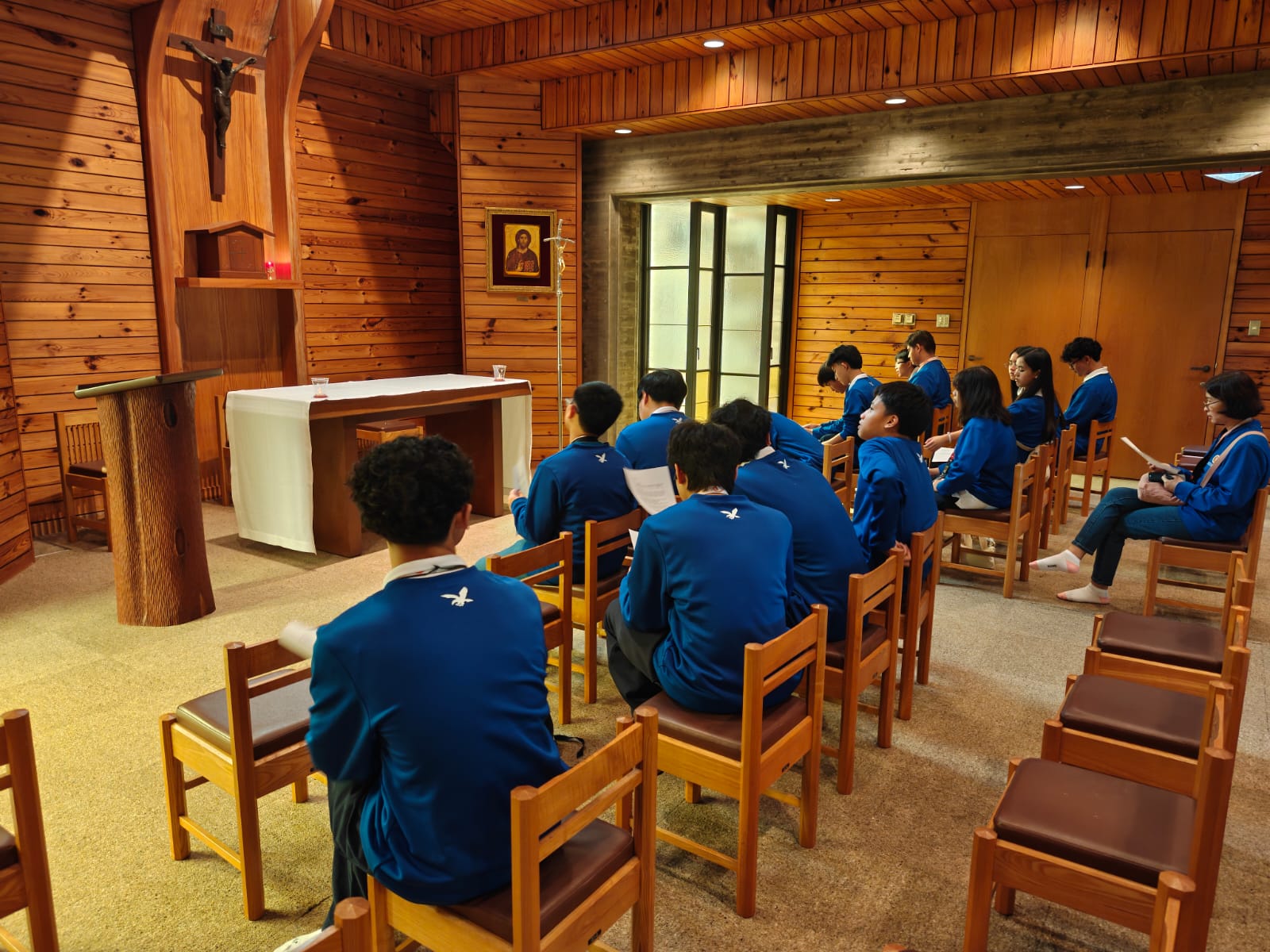
The fourth day was spent visiting a shrine and shopping at LaLaport and Don Quijote. It was a full day of sightseeing and exploration, capped off by a delicious ramen-making experience!
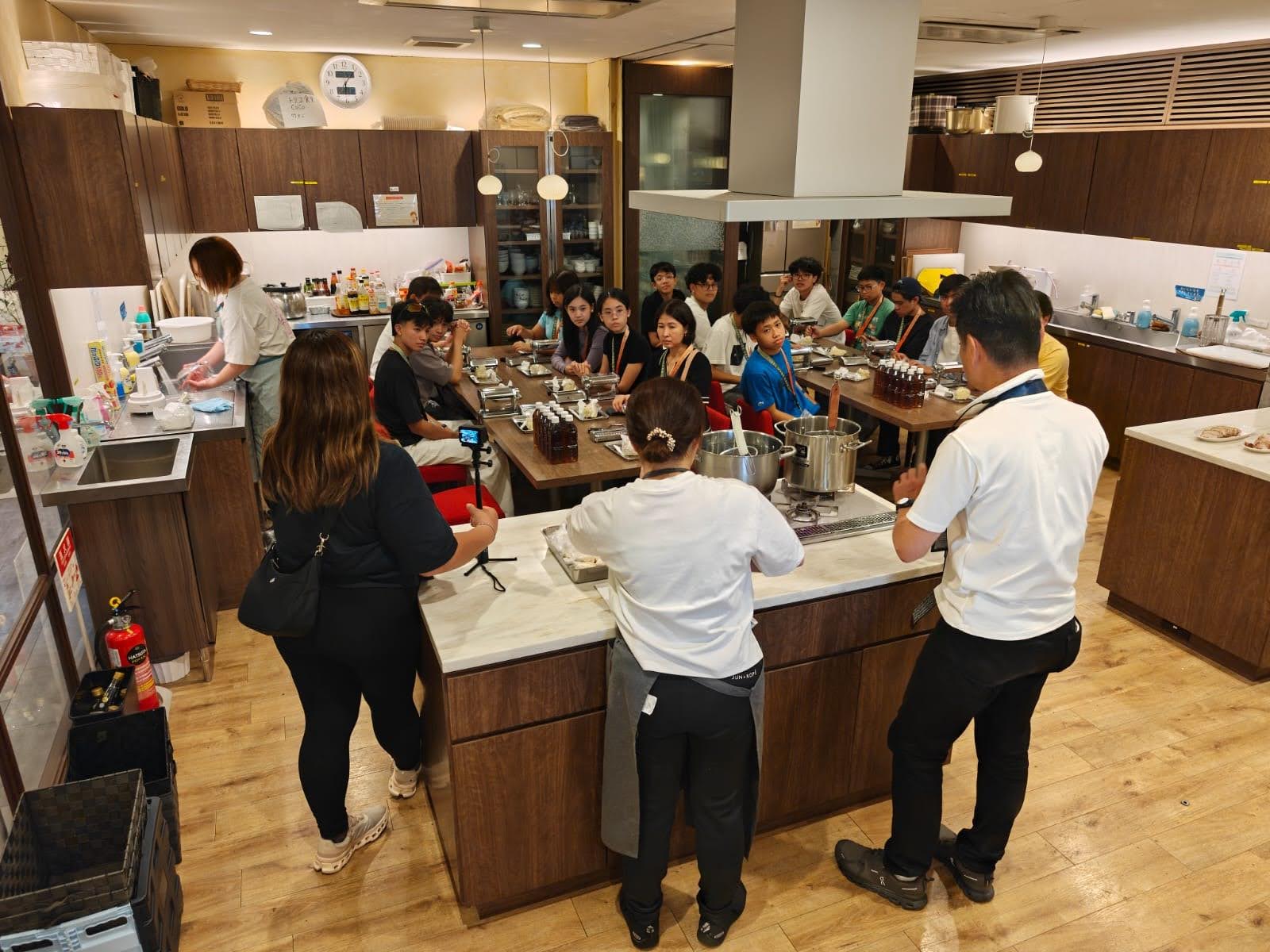
Day five marked our transfer from Fukuoka to Hiroshima. From Hakata Station, we boarded the bullet train and arrived quickly at Hiroshima Station. We then visited the Peace Memorial Park, built in remembrance of the atomic bombing of Hiroshima on 6 August 1945 during the Second World War. The visit to both the park and museum was educational and thought-provoking, highlighting the devastating impact of war on humanity.
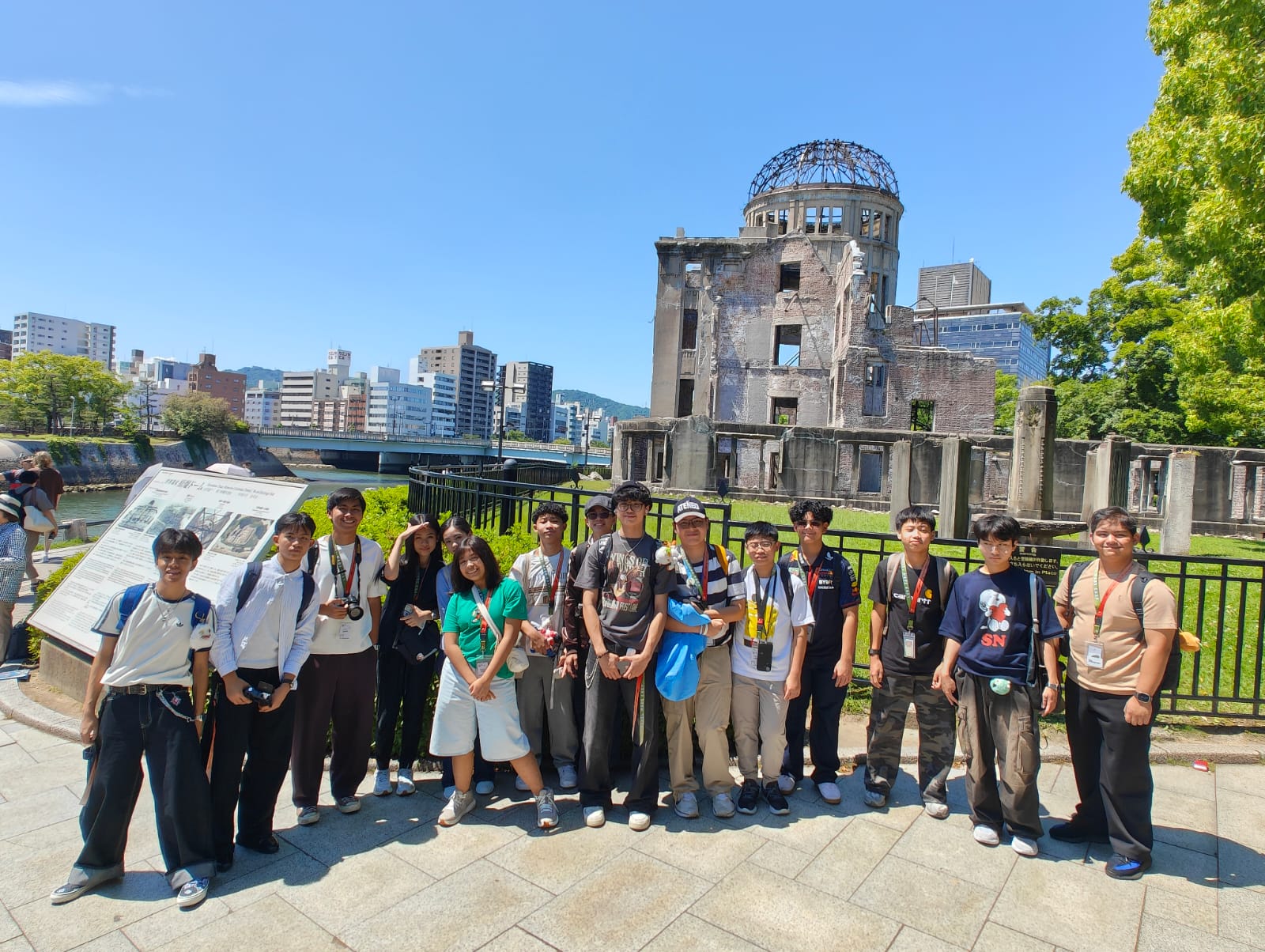
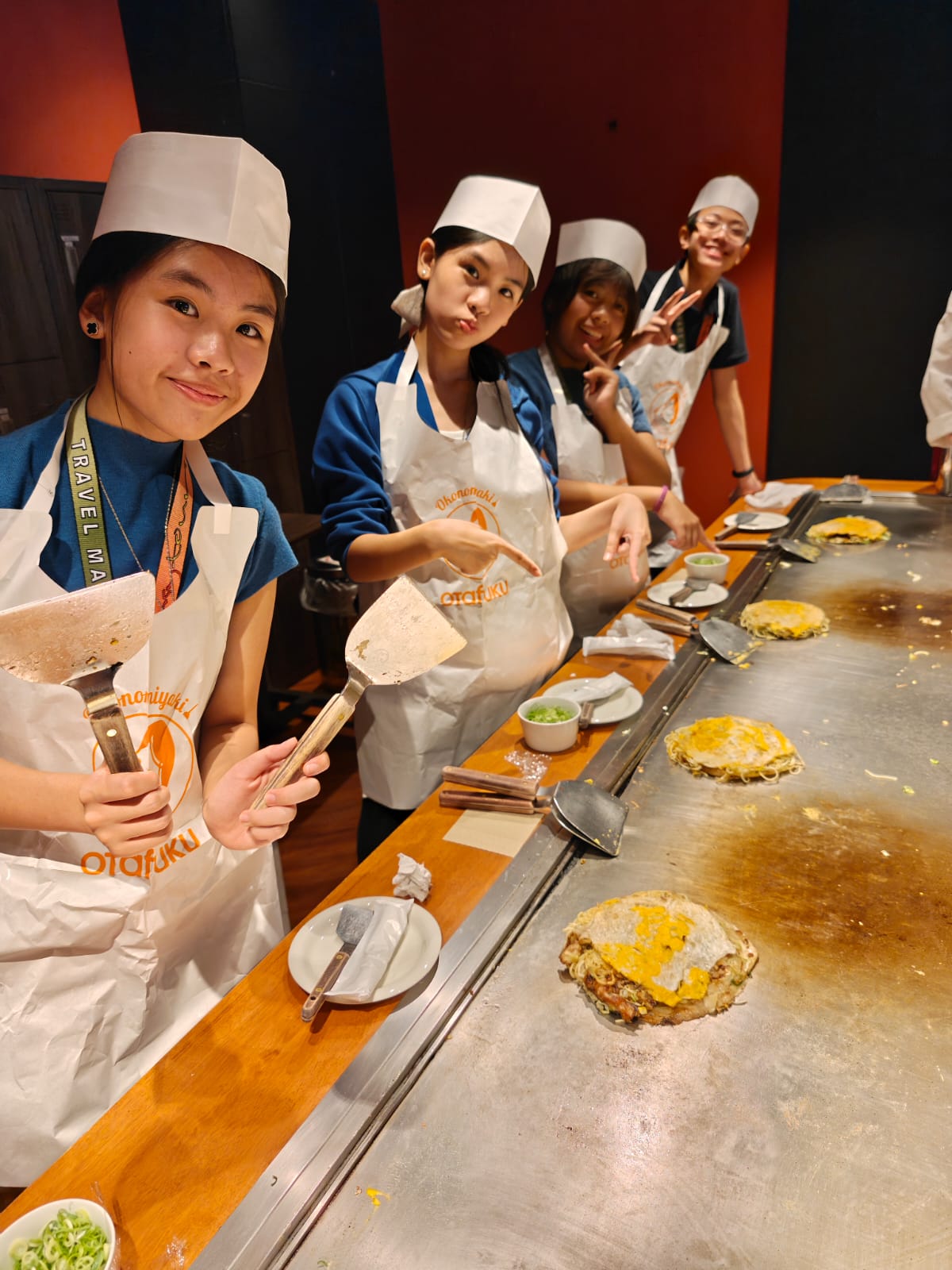
On day six, we visited Hiroshima Castle. For lunch, we participated in an okonomiyaki-making experience, featuring one of Hiroshima's most famous local dishes.
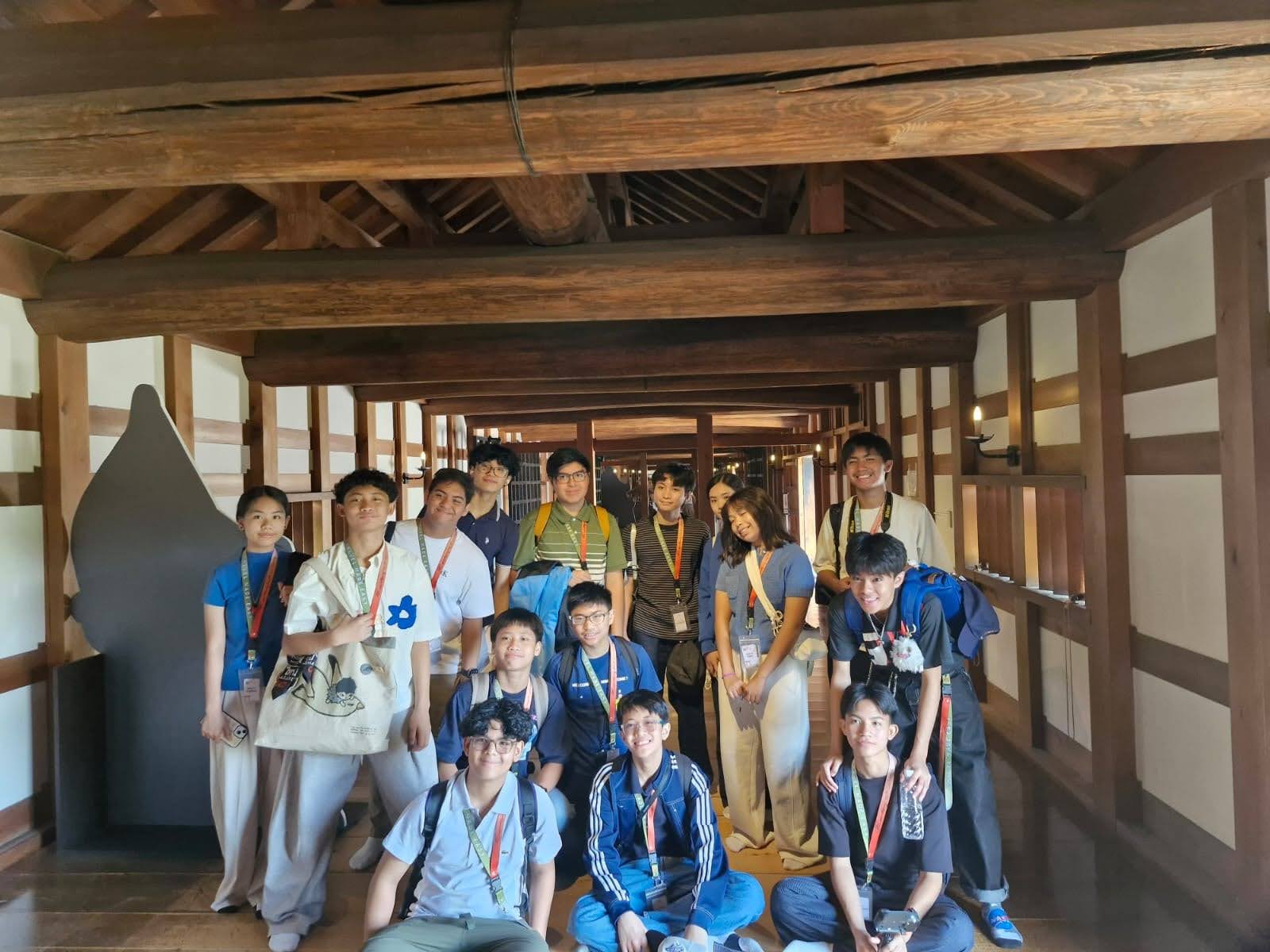
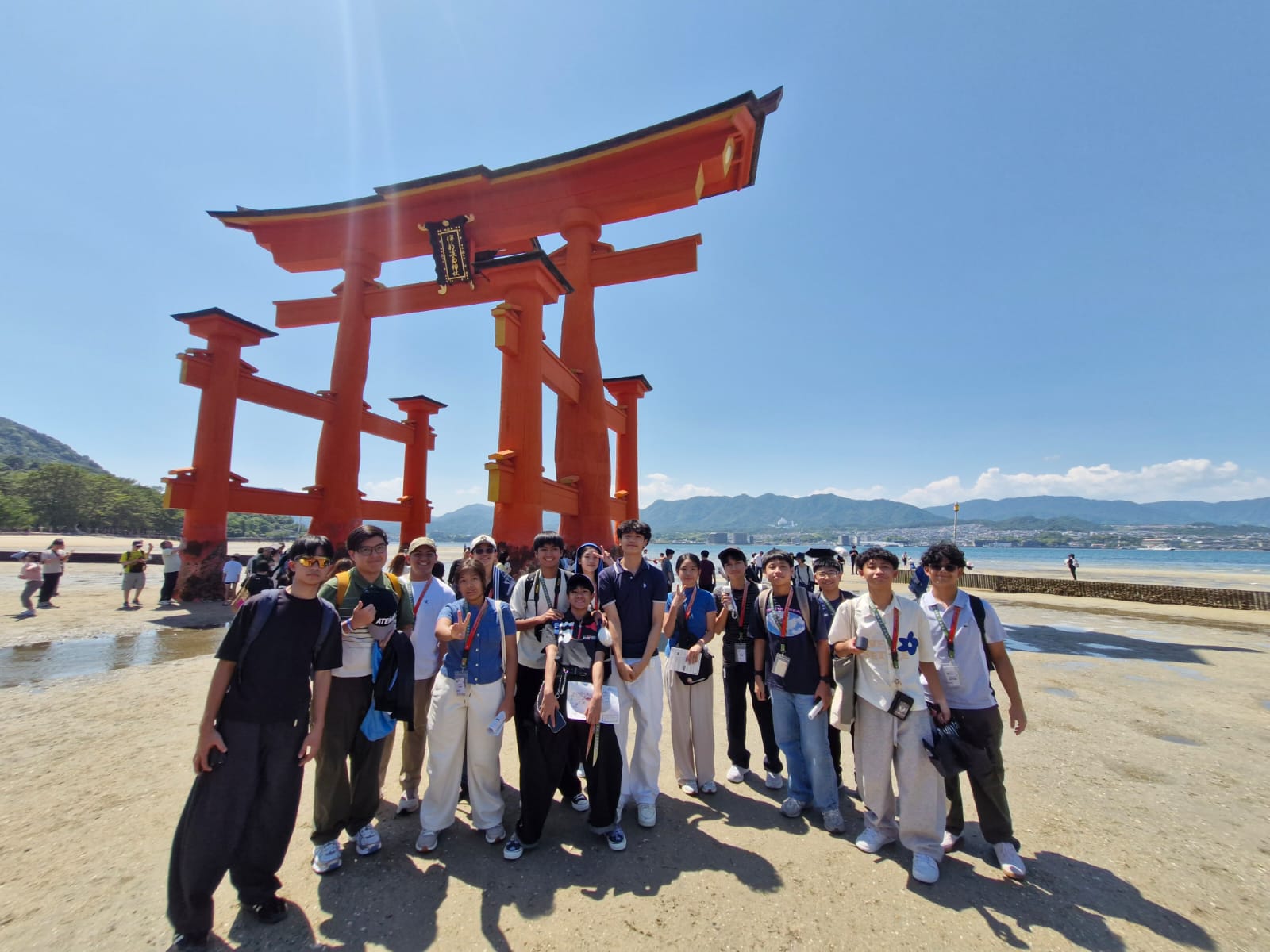
Afterwards, we took a ferry to Miyajima Island and visited the Itsukushima Shrine, surrounded by beautiful scenery and the island's well-known deer. After a full day of touring, we returned to our hotel to rest in preparation for the next two days of school.
Days seven and eight were spent at Hiroshima Gakuin, where the teachers and students had prepared various activities to help both groups learn more about one another. They presented information about their school, while we shared presentations about ours. The teachers also made special arrangements that integrated their English curriculum into our visit. We participated in English, calligraphy, judo, and home economics classes, gaining valuable insight into Japanese education and student life.
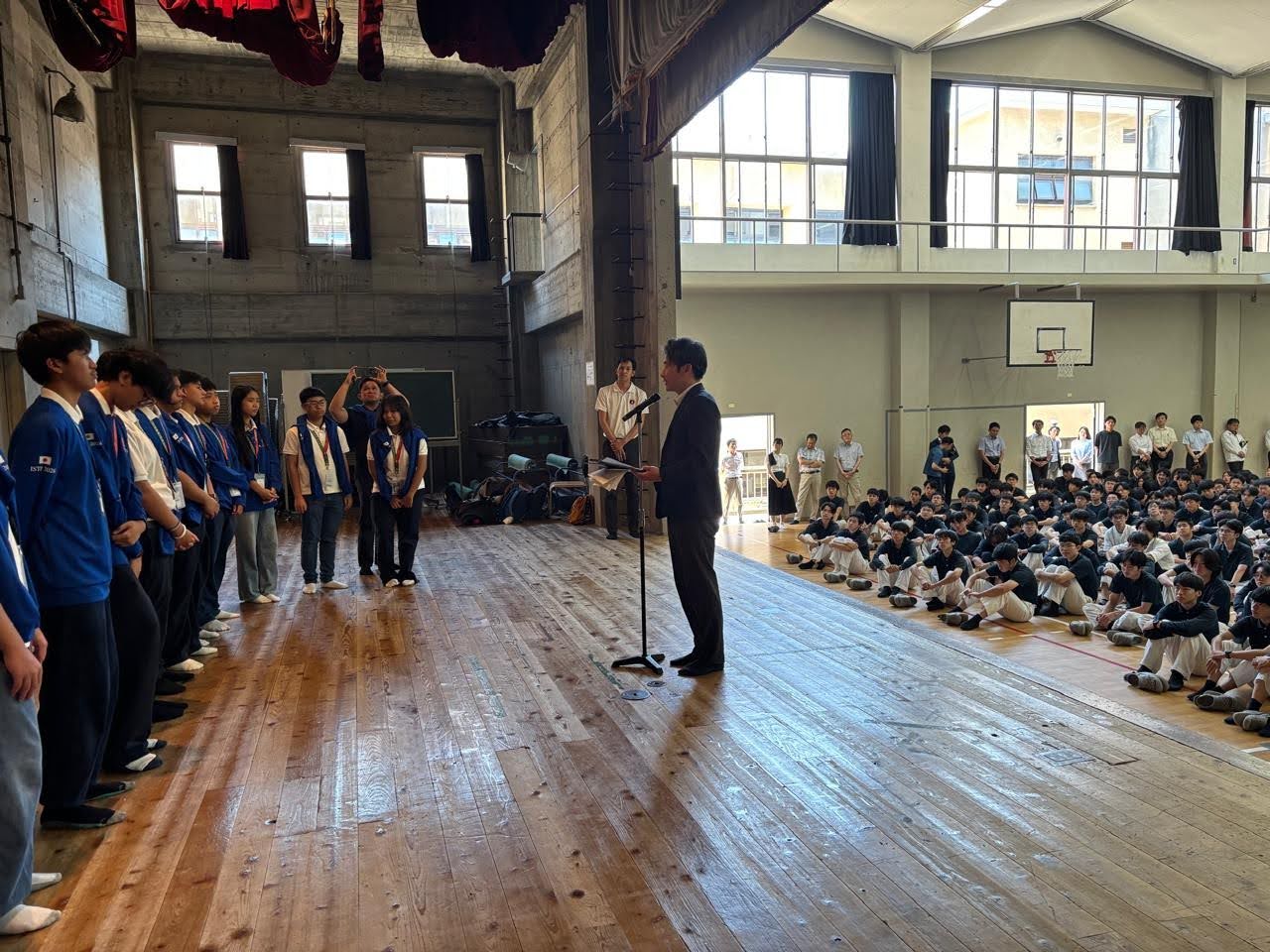
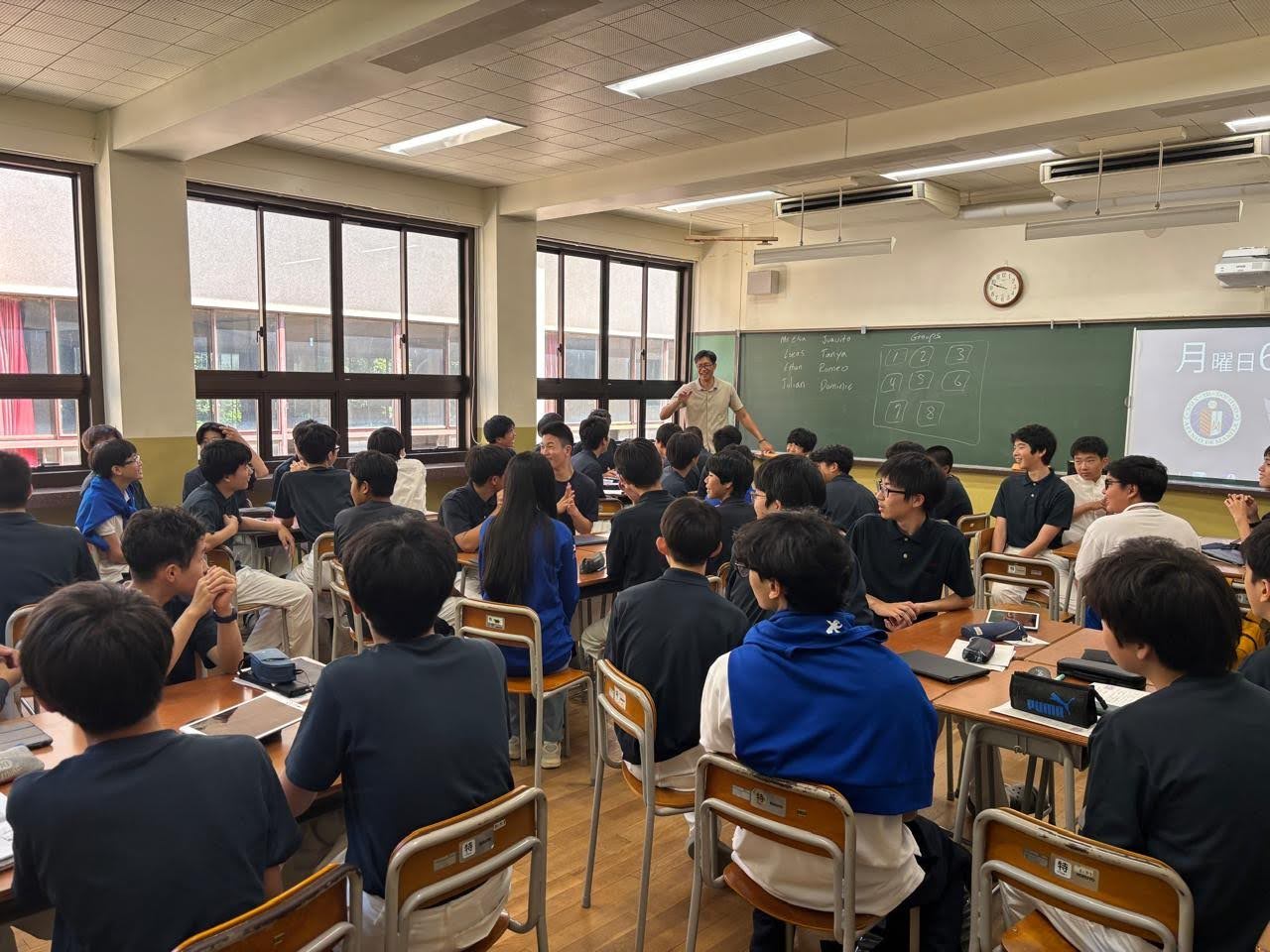
After our second day at Hiroshima Gakuin, we visited the Mazda Museum and observed part of the automobile manufacturing process. Since day eight was our final day in Hiroshima, we returned to Fukuoka via bullet train in preparation for our flight home the following day.
We spent our last day in Japan with a brief shopping trip at Hakata Station before heading to the airport. After saying goodbye to our tour guide, we boarded our flight home with hearts full of gratitude.
One of the most striking aspects of the trip was Japanese culture. Timeliness was consistently observed throughout our stay; not once were we kept waiting. Their discipline also stood out to us. We saw students helping maintain school grounds during lunch breaks, demonstrating a strong sense of responsibility and community service. Despite Japan's modern cities and advanced technology, many longstanding traditions remain deeply rooted in everyday life. Historic shrines continue to attract visitors, traditional customs are still practiced, and cultural events remain widely celebrated. Experiencing this balance between tradition and modernity was especially meaningful.
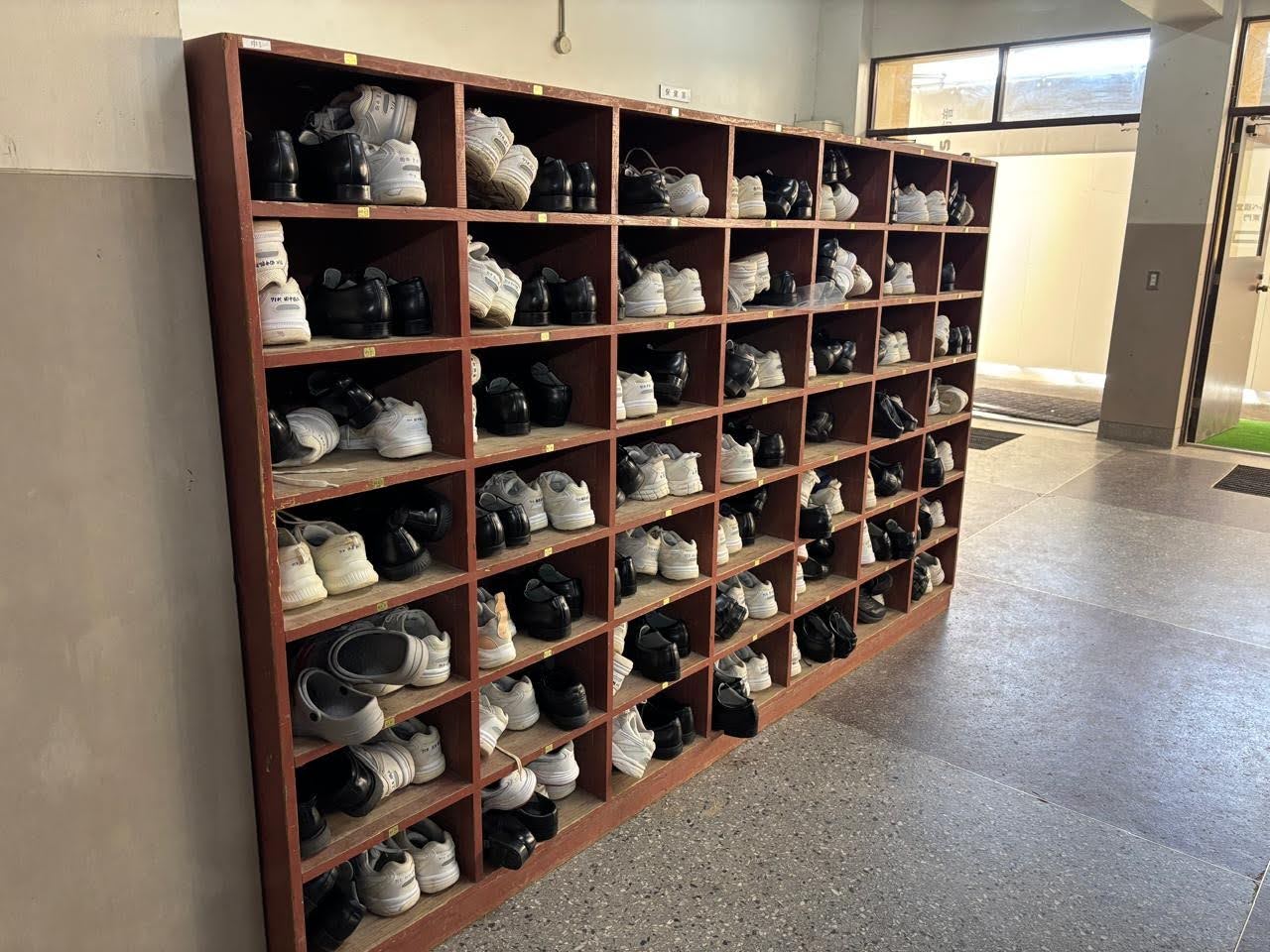
The school visits were undoubtedly among the highlights of the trip. What stood out most was not the differences but the similarities between their schools and our own. Many of their subjects mirrored ours, their classroom activities felt familiar, and they even observed a period of quiet reflection before and after classes, much like our silence bell. The sense of camaraderie among the students was also remarkable. Their interactions with one another felt familiar and welcoming, reminding us that students around the world share many common experiences.
Perhaps the most meaningful part of the study tour was the relationships we formed. When the trip began, many of us barely knew one another. However, through shared experiences—from visits to 7-Eleven and FamilyMart and shopping trips to meals together and time spent in one another’s hotel rooms—we developed bonds that felt like family. Our school visits also provided opportunities to build friendships with students abroad. Despite the language barrier, the Japanese students made sincere efforts to connect with us, and many of us continue to stay in touch with the friends we met during the exchange. Personally, I was especially grateful for the chance to reunite with two friends who had previously visited Ateneo.
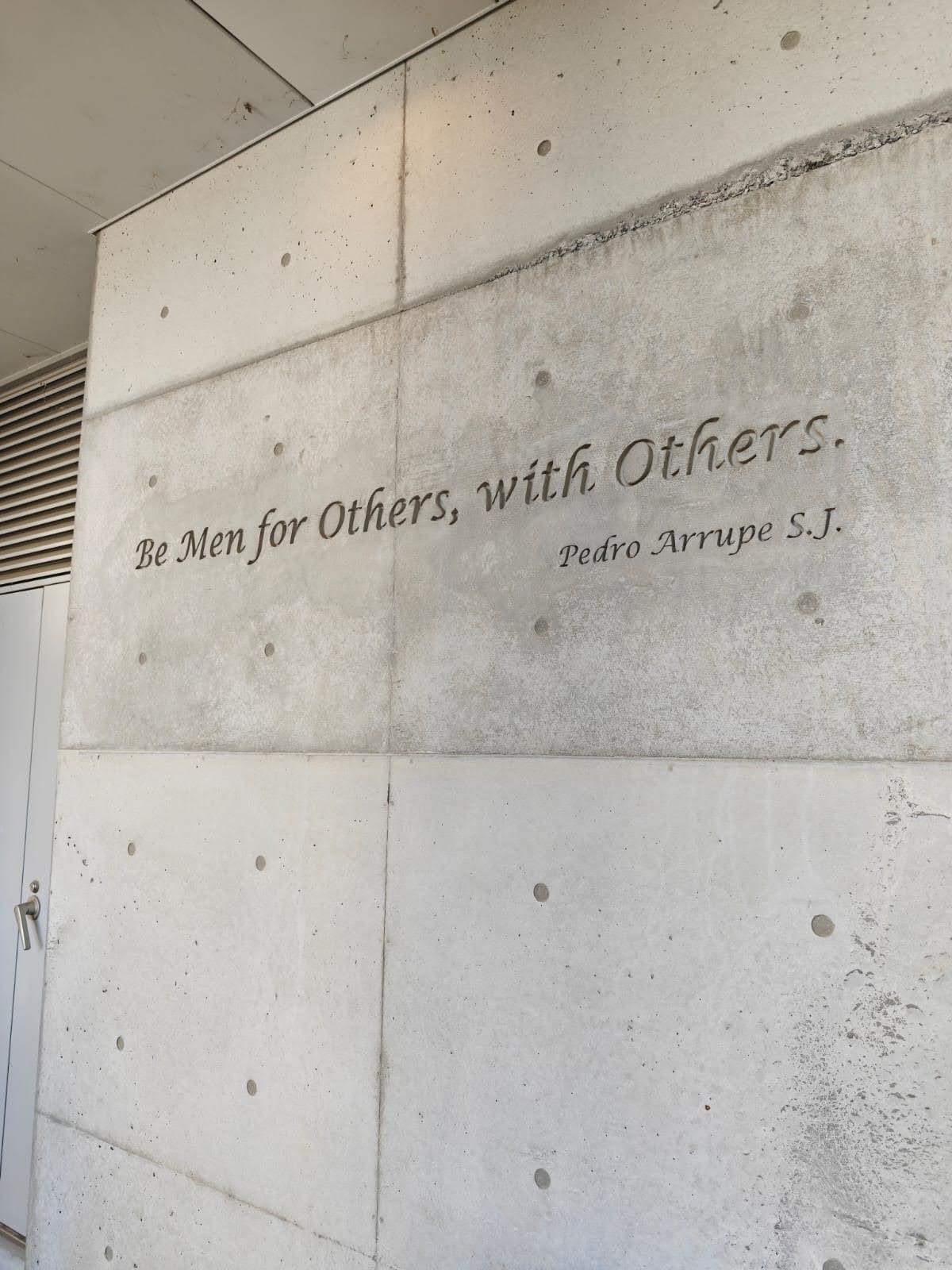
Overall, the study tour became a truly memorable experience for everyone who participated. The cultural immersion, school exchanges, and friendships we formed left us with lasting lessons and a deeper appreciation for other cultures. We are grateful for the opportunity to have shared this journey together.
Recent News
You may also like these articles
Updating of Medical Records Second Semester SY 2026-2027
14 November 2026 TO: Undergraduate and Graduate Students FROM: Higher Education Office of Health Services-College SUBJECT: Updating of Medical Records Second Semester SY 2026-2027 Please

Promotion of Faculty in the Senior High School (Memo U2627-050)
(Memo # U2627-050) I am pleased to announce that upon the recommendation of the Senior High School Committee on Faculty Rank and Permanent Appointment and the endorsement of the Vice President for Basic Education, I am approving the promotion of the following faculty members in the Senior High School:

Demise of Mr Silvestre P Villarin(Memo U2627-049)
(Memo U2627-049) We extend our condolences to Fr Jose Ramon “Jett” T Villarin SJ and his family on the passing of his father, Mr Silvestre Villarin, on 18 November 2026 at the age of 96. Fr Villarin is the former University President, a faculty member of the Department of Physics, and the Executive Director of the Manila Observatory.

[AGS] National Book Week
Open a Book, Stories Unfold, Wonders Flow Let us come together as one AGS community to celebrate the 92nd National Book Week with the theme

Three Ateneo-incubated startups secure DOST-PCIEERD’s startup grant fund
Last 9 November, during the opening day of Philippine Startup Week 2026, Soolok Properties Inc, Pili AdheSeal Inc, and Saltric Power (PDG Engineering Services), three
Ateneo Policy Center presents study on local health spending at DBM Fiscal Policy Conference 2026
On 19 October 2026, the Ateneo School of Government, through its research and policy unit, the Ateneo Policy Center (APC), presented findings from a study