EPAPC: Dynamic Scholarship and Creativity
07 Jul 2022


The Ethnographies of Philippine Auditory Popular Cultures (EPAPC) was launched in 2018 as an interdisciplinary research project to "fill the lacuna or neglected area of Philippine popular studies, particularly on auditory art forms and scenes." The idea was simple: Document the history of recorded sound in Philippine culture, such as radio music and karaoke sessions in garages, local religious and devotional practices, rap battles, and recording studio productions. By documenting the history of recorded sounds in the country, EPAPC hoped to advance research on the ethnography of music and popular culture in the country and explore technology and broadcast mediations. The project is a grantee of the CHED- NCCA SALIKHA Creative Grant with Ateneo de Manila University as the implementing Higher Education institution (HEI).
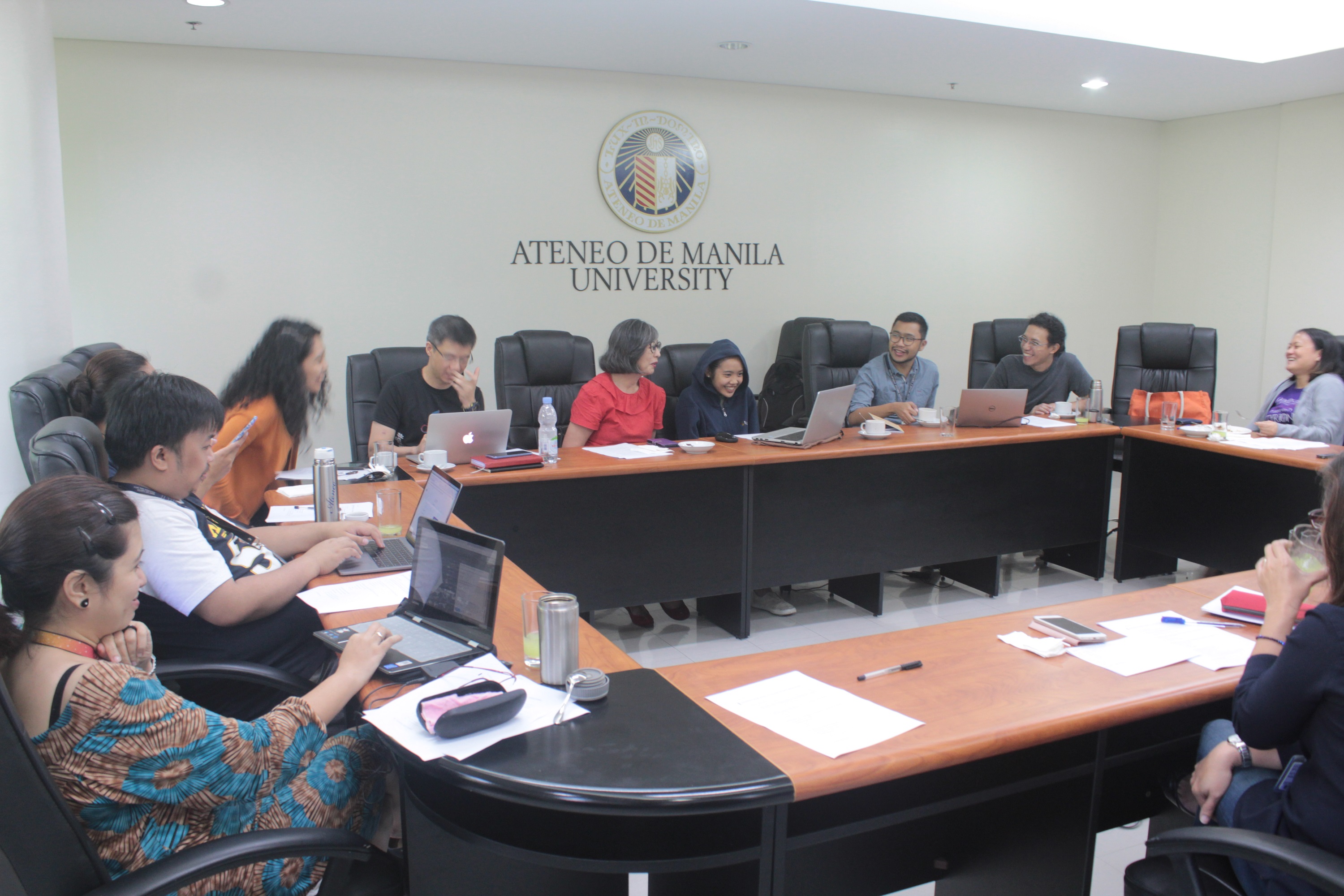
To accomplish its goals, the project team, composed of Ateneo's Dr Lara Katrina Mendoza, Dr Alona Guevarra, Dr Jozon Lorenzana, and Dr Jayeel Cornelio collaborated with the Research Consultants comprised of scholars from the University of the Philippines: Dr Jose Buenconsejo, Cristina Maria Cayabyab, Dr Elizabeth Enriquez, and Dr Arwin Tan. The team used multiple qualitative research strategies and ancillary activities such as bibliographies, discographies, and filmographies, to name some.
The proposal put forward the assertion that the project
“... is transformative because it brings in new knowledge on collaborative art forms and practices of Filipinos in the Philippines. Literally, the knowledge sought is new because there are very few studies on these said practices, if not nil, from the point of view of critical musicology. Moreover, collaborative arts are not being explored in any existing arts program at the HEI level at the present moment.
New knowledge through this interdisciplinary investigation of Filipino multimedia art forms would then socially transform the scholars engaged in this project who teach at two major universities in the country: University of the Philippines and Ateneo de Manila University. Moreover, as they work together, producing and sharing research outputs, they will establish collegial interaction amongst themselves that will also mutually benefit them."

The project's milestones involved several research and creative outputs on multiple media platforms and performative spaces. In its first year, 2018, team members delivered papers in local and international conferences. 2019 featured the team in more diverse platforms and spaces: giving public lectures in cooperation with Kritika Kultura and Talab, screening two film documentaries, hosting a national conference, and creating a music database to anchor research on recorded music from personal archives. Just before the COVID lockdown in March 2020, EPAPC hosted a hugely popular and innovative international conference with the International Association for Popular Music Studies - Southeast Asia (IASPM-SEA) that welcomed not only local scholars from the Visayas and Mindanao, but also Taiwan, Vietnam, Thailand, Malaysia, Indonesia, Australia, Scotland, and Norway.

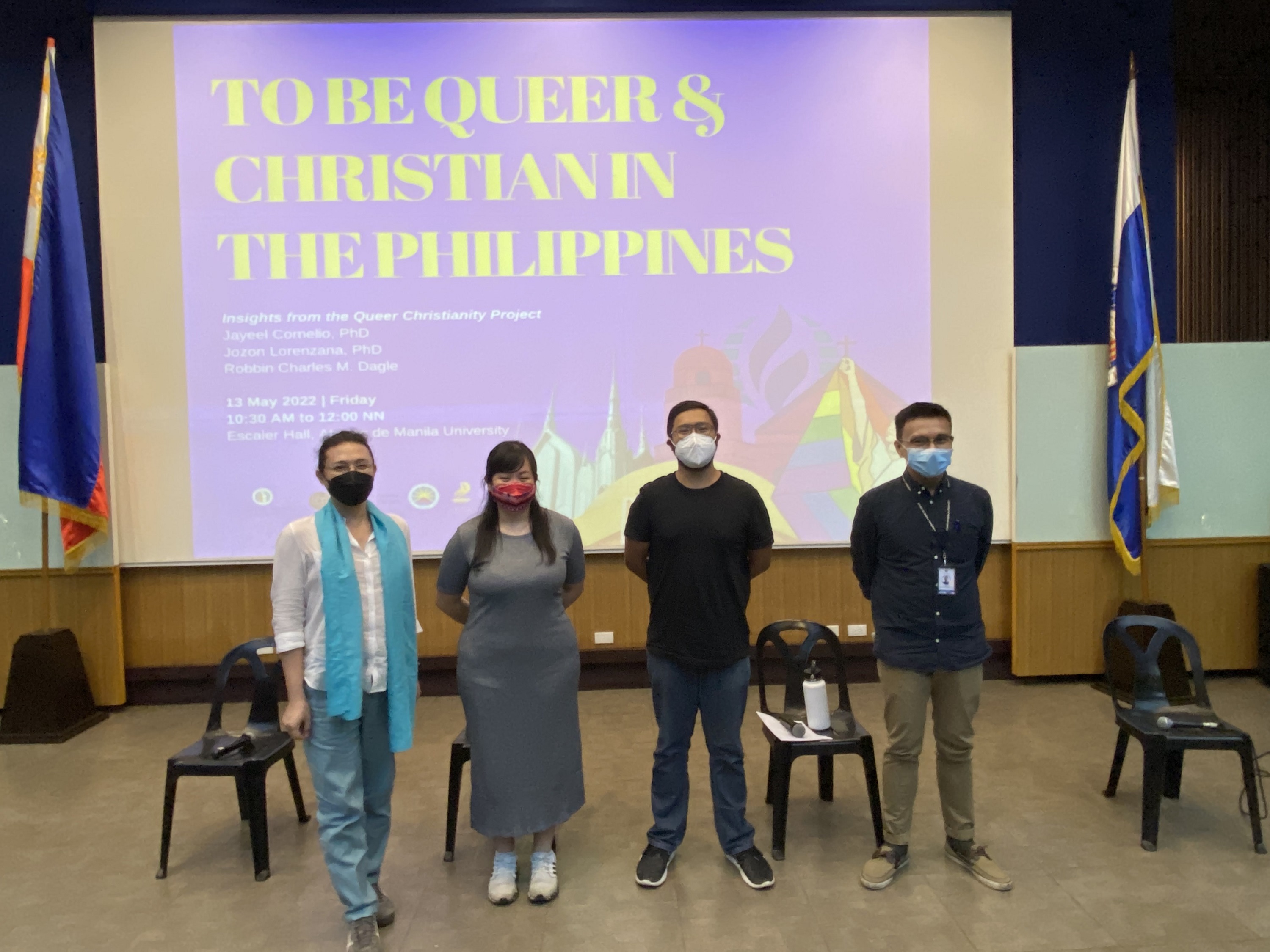
Upon resumption of its activities in August 2021, EPAPC launched two more film documentaries in February and May 2022 and gave its last public lecture from the Queer Christianity Project in May 2022.
As the project comes to a close, in the works are a DVD box set of all the video documentaries for distribution to the institutions involved in the project and its libraries. EPAPC scholars will continue presenting their research to various outlets and publications. Three of the video documentaries will be included in the celebration of 100 years of broadcasting in the Philippines. Team scholars and research personnel are writing monographs and manuscripts, in particular for a special section in the Kritika Kultura and other forthcoming edited books and journals.
Ultimately, EPAPC “envisions that, after the research deliverables are disseminated throughout the country, these will empower Filipino college students because the groundbreaking materials will facilitate new forms of thinking critically about an art form that is beyond the existing, straitjacket disciplinal approach and will lead to its appreciation as a social endeavor because the art form is collaborative in its production, use, and apprehension."
To know more about the project, visit the website at https://www.epapc.art/. The four documentaries may also be viewed on the CHED-Salikha-EPAPC YouTube page. EPAPC can also be found via its Facebook page.
Photos from EPAPC
You may also like these articles
Updating of Medical Records Second Semester SY 2026-2027
14 November 2026 TO: Undergraduate and Graduate Students FROM: Higher Education Office of Health Services-College SUBJECT: Updating of Medical Records Second Semester SY 2026-2027 Please

Promotion of Faculty in the Senior High School (Memo U2627-050)
(Memo # U2627-050) I am pleased to announce that upon the recommendation of the Senior High School Committee on Faculty Rank and Permanent Appointment and the endorsement of the Vice President for Basic Education, I am approving the promotion of the following faculty members in the Senior High School:

Demise of Mr Silvestre P Villarin(Memo U2627-049)
(Memo U2627-049) We extend our condolences to Fr Jose Ramon “Jett” T Villarin SJ and his family on the passing of his father, Mr Silvestre Villarin, on 18 November 2026 at the age of 96. Fr Villarin is the former University President, a faculty member of the Department of Physics, and the Executive Director of the Manila Observatory.

[AGS] National Book Week
Open a Book, Stories Unfold, Wonders Flow Let us come together as one AGS community to celebrate the 92nd National Book Week with the theme

Three Ateneo-incubated startups secure DOST-PCIEERD’s startup grant fund
Last 9 November, during the opening day of Philippine Startup Week 2026, Soolok Properties Inc, Pili AdheSeal Inc, and Saltric Power (PDG Engineering Services), three
Ateneo Policy Center presents study on local health spending at DBM Fiscal Policy Conference 2026
On 19 October 2026, the Ateneo School of Government, through its research and policy unit, the Ateneo Policy Center (APC), presented findings from a study