Ang Kiukok
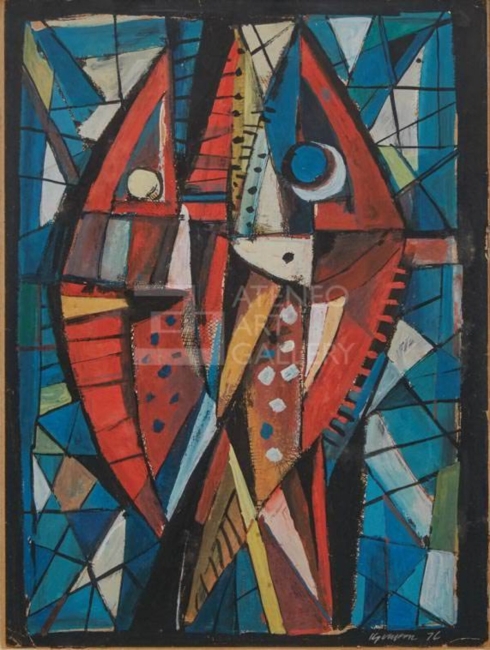
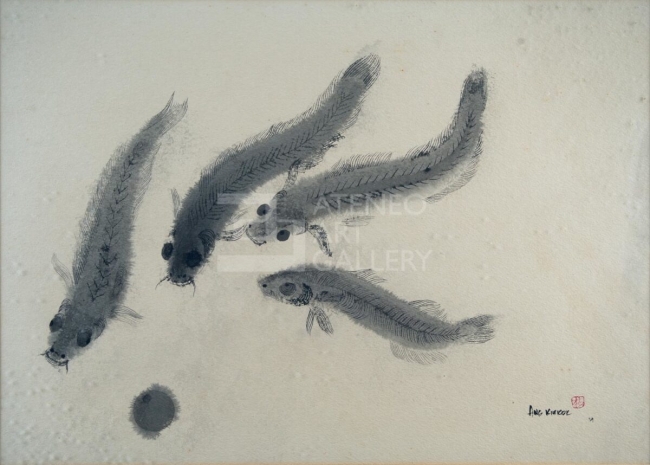
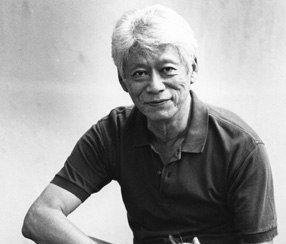
Born on March 1, 1931 in Davao City, Ang Kiukok was known for his distinct visual vocabulary characterized by a dynamic, abstract geometric style, with subject matters that explored the human condition through a Cubist-like approach. His first foray into art was in the form of charcoal portraiture and Chinese ink brush painting. In 1947 after the Second World War, he moved to Cotabato where he found work making billboards for movie theaters. He later moved to Manila to pursue art at the University of Santo Tomas (UST) from 1952 to 1954, where he studied under National Artist Vicente Manansala.
Ang held his first solo exhibition in 1954 at the Contemporary Arts Gallery, and throughout the remainder of the 1950s, he received recognition for his works through the Shell National Students Art Competition and the Art Association of the Philippines.
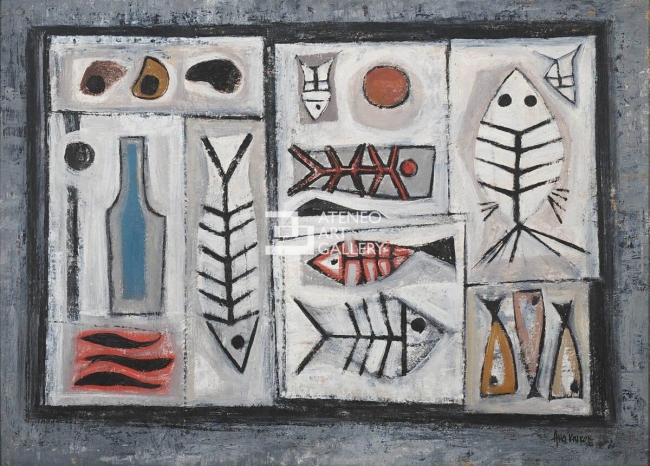
The 1960s marked a shift in Ang’s practice towards expressionist cubism. With works ranging from still lifes, local sceneries, and religious paintings, his subjects often reflected the human experience marked by violence and suffering. His use of bold colors and contrasting shades to bring out the anguished figures in his works served to highlight their pain and rage—creating a pictorial narrative of human agony.
Throughout the decades, Ang exhibited extensively both locally and internationally. He also received numerous accolades, among them the Araw ng Maynila Award (1976), the Outstanding Alumnus Award from UST (1978), and the Order of National Artist for Visual Arts (2001).
Ang passed away on May 9, 2005 at the age of 74.